Author: Kai18

  • MockingMerriment1784403772

    MockingMerriment1784403772

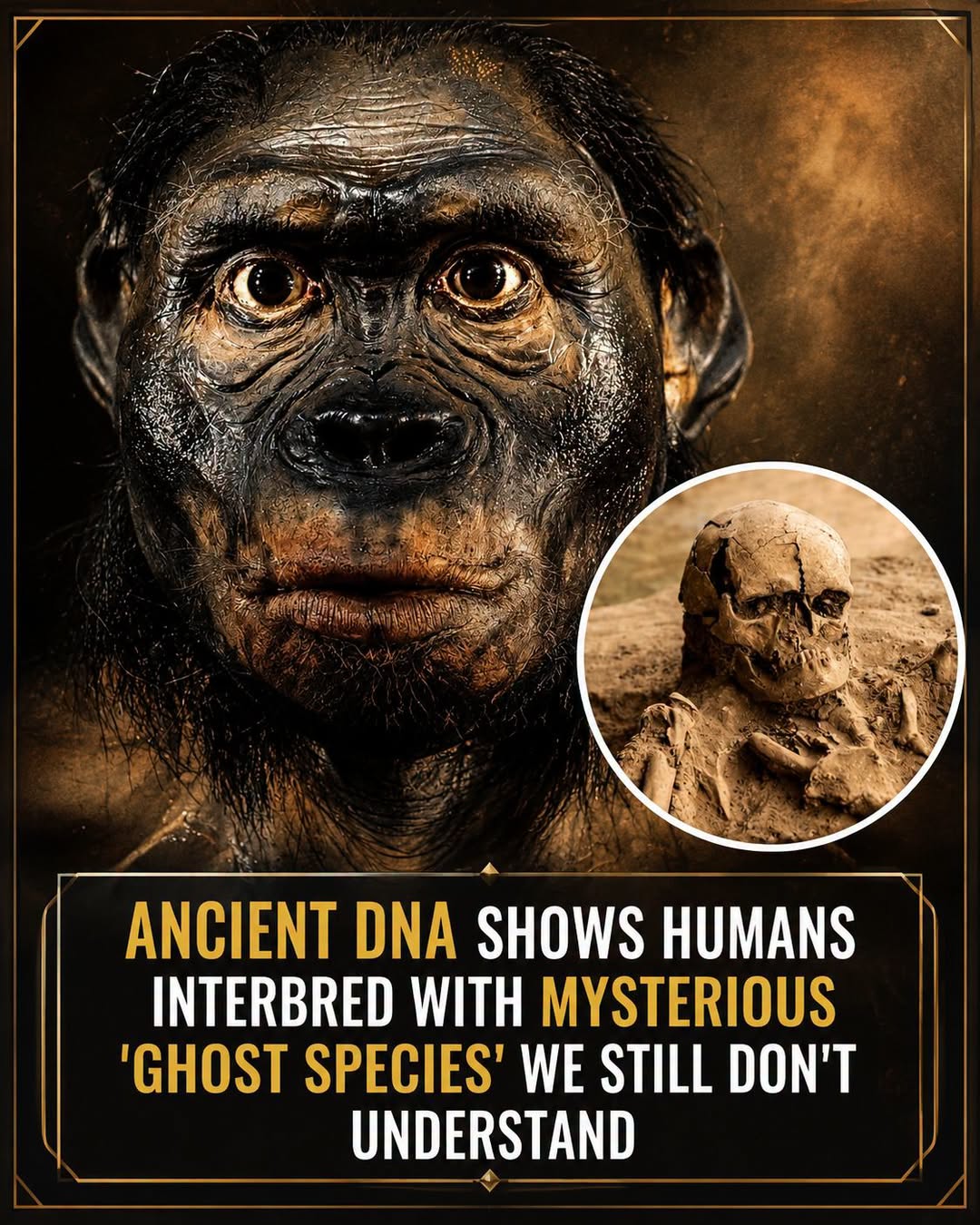
    Long ago, early humans mated with a mysterious hominin group that has no name, no fossils, and no face. This ancient population doesn’t match Neanderthals, Denisovans, or any other known species. Yet, their DNA still lives on in us today, silently carried by millions of people across the globe.

    Scientists first uncovered signs of this unknown group by analysing the genomes of modern humans from sub-Saharan Africa, Asia, and Oceania. What they found were genetic sequences that couldn’t be traced to any recognised human ancestor. This “ghost population”—sometimes called archaic introgression—contributed to the human gene pool tens of thousands of years ago, but left no physical trace behind. No bones, no teeth, no tools—just fragments of DNA that don’t belong to anyone we’ve ever identified.

    Recent research has deepened the mystery. Using advanced genome mapping and artificial intelligence, scientists now believe this unknown group interbred with our ancestors as recently as 20,000 to 40,000 years ago, suggesting they were a widespread and possibly long-surviving population. Even more puzzling is the possibility that there may have been more than one unknown group, each mixing with modern humans at different times and locations.

    This challenges our understanding of human evolution. Instead of a simple line from ancient apes to modern Homo sapiens, we’re now seeing a web of ancient encounters, with interbreeding between various hominin species—including ones we still know nothing about. The human family tree is far more tangled than we ever imagined, and we may still be carrying the legacy of a people who vanished without a trace.

    Fun Fact: Some of these mysterious genes are linked to immune system responses, meaning this unknown group may have helped early humans adapt to new diseases and environments.

    #MockingMerriment
    #PrehistoricLife #GhostPopulation #Archaeology #AncientDNA #Evolution #HumanOrigins #Paleontology #EarlyHumans #Genetics
  • MockingMerriment1784394175

    MockingMerriment1784394175

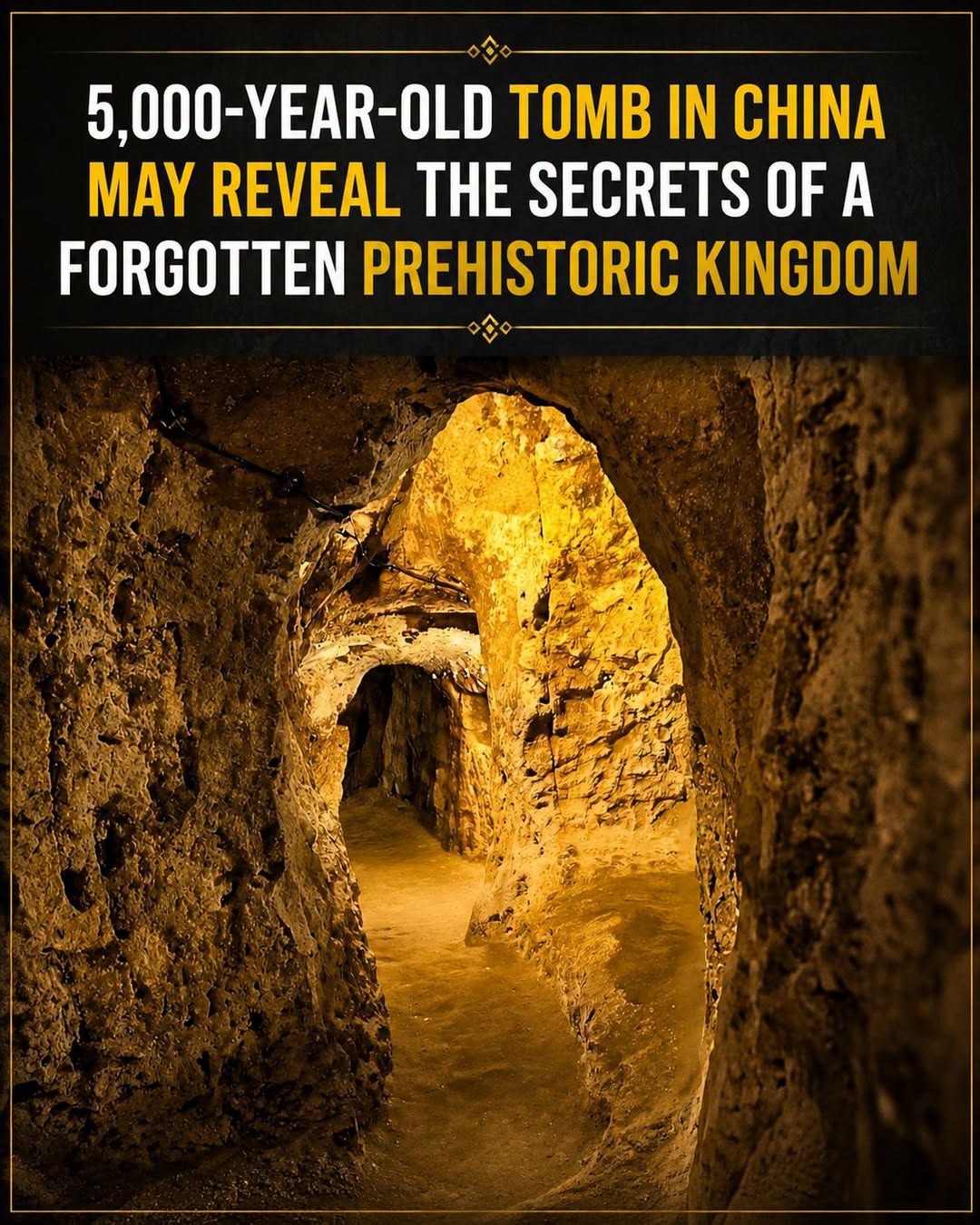
    A recent archaeological discovery in central China is turning heads and challenging everything we thought we knew about early civilization in East Asia. In Henan Province, researchers have uncovered a 5,000-year-old tomb at the Wangzhuang ruins that may mark the burial site of an ancient king and the possible centre of a lost prehistoric kingdom. This groundbreaking find is rewriting the narrative of early Chinese history.

    The tomb is unlike anything seen before from the late Neolithic period. Measuring more than 17 square metres in size, its scale alone suggests that the person buried there held immense power and status. Archaeologists have recovered more than 350 artifacts from the site, including elaborately crafted jade ornaments, bone tools, ceremonial pottery, and even symbolic pig mandibles—which historically denoted wealth and prestige. These findings strongly point to a high-ranking ruler or noble figure from a once-powerful regional culture.

    What adds further mystery is the absence of a full skeleton. Only a few toe bones were discovered, and evidence suggests that the tomb was deliberately desecrated not long after the burial. Scattered jade pieces and broken ceremonial weapons indicate possible looting or politically motivated destruction. Experts are now questioning whether this was a simple robbery or part of a much larger conflict during a time of unrest and transition.

    Perhaps most intriguing of all is the possibility that the Wangzhuang ruins were more than just a settlement of the Dawenkou Culture. With the scale of this tomb and others recently uncovered nearby, some archaeologists now believe Wangzhuang may have served as a prehistoric capital. Additionally, artifacts from multiple regions show that this site was a place of cultural exchange, suggesting deep interactions between early societies well before the rise of dynasties.

    Fun Fact: The tomb’s ceremonial pig mandibles were used in rituals to symbolise wealth and were commonly placed in elite burials throughout ancient China.

    #MockingMerriment #AncientTombs #NeolithicPeriod #HumanHistory #FossilDiscovery

    #AncientChina #CulturalHeritage #LostCivilizations #Archaeology #WangzhuangRuins

  • MockingMerriment1784380481

    MockingMerriment1784380481

    Archaeologists in northern France have uncovered what is now considered the oldest known human fingerprint ever found. Pressed into ancient clay, the print is believed to have been left by a Neanderthal child between the ages of 7 and 10. The impression, found in the La Roche-Cotard cave system near the Loire River, offers a hauntingly intimate connection to a young individual who lived tens of thousands of years ago.

    This isn’t just a fossil or a tool. It is a human mark. A quiet moment that may have been the result of a child idly pressing their finger into soft clay while playing or perhaps helping shape something as part of a communal task. While Neanderthals are often depicted as brutish or primitive, discoveries like this gently challenge that image. They remind us that these early humans expressed curiosity, creativity, and tenderness in ways not so different from our own.

    The clay fingerprint was preserved in the cool, stable environment of the cave—a rare survival that speaks to both the geological conditions and the quiet presence of human life in that region. The site has long been of interest due to its Mousterian stone tools, which were commonly used by Neanderthals. But this latest find adds a personal, humanising layer to the archaeological record.

    Far from being merely a survival-driven species, Neanderthals made symbolic objects, buried their dead, and now, we know, they left behind the smallest but most powerful trace of humanity—a fingerprint.

    Fun Fact: Fingerprints are unique to individuals, meaning this Neanderthal child’s print is one of a kind in all of history. No one before or since has had the same exact pattern.

    #MockingMerriment
    #Paleontology #FossilDiscovery #Neanderthals #HumanHistory #AncientHumans #Archaeology #HumanEvolution #PrehistoricLife #LaRocheCotard

  • MockingMerriment1784373171

    MockingMerriment1784373171

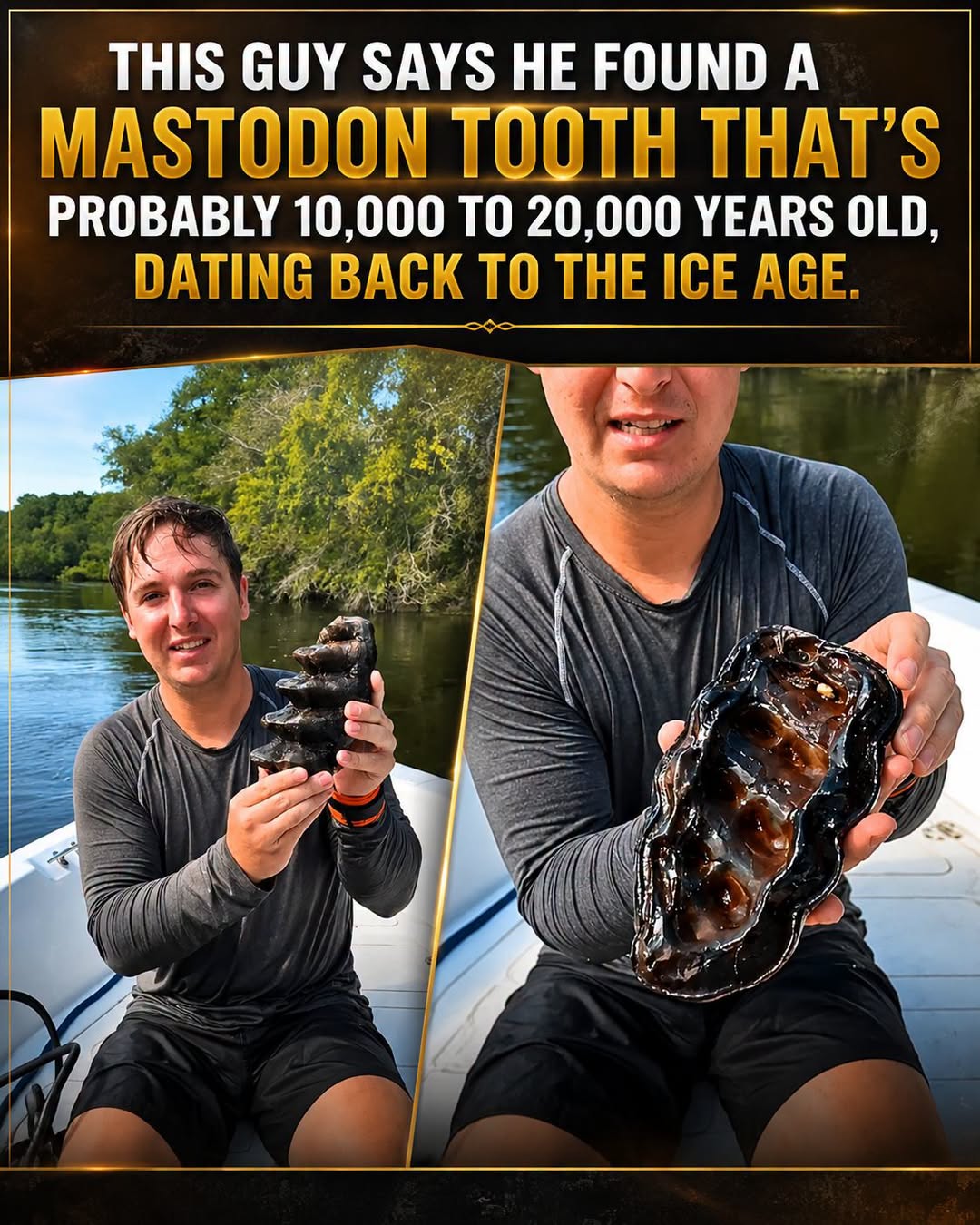
    What if your backyard held a secret from the Ice Age? A local enthusiast claims to have unearthed a mastodon tooth that may date back 10,000 to 20,000 years—remnants from the time when these massive creatures roamed North America. Mastodons, elephant-like giants of the Pleistocene era, vanished around 11,000 years ago, and their fossilised remains are rare and precious insights into prehistoric ecosystems.

    Mastodon teeth are distinctive—broad, ridged, and unlike the flat plates of mammoths. This specimen, reportedly embedded in soil or compacted sediment, likely belonged to one of these extinct giants who grazed forests and wetlands long before humans reshaped the continent. Discoveries like this have occurred before under surprising circumstances. A six-year-old Michigan boy once spotted a tooth in a creek that turned out to be about 12,000 years old. In New York, a homeowner pulled mastodon teeth from the soil in his garden—and later a full jaw emerged, sparking a scientific investigation into regional Ice Age fauna.

    These finds remind us that even casual exploration can unveil deep history. If the tooth in question is confirmed as genuine and properly dated, it could illuminate how mastodons lived, what they ate, and how they interacted with early humans. Pleistocene hunters occasionally left cut marks on bones, and these ancient interactions between climate change and human impact are key factors in understanding the extinction of these behemoths.

    Fun Fact: Mastodon teeth are often mistaken for driftwood or odd rocks by finders. In fact, one of only two confirmed mastodon fossils in Santa Cruz County, California, was nearly lost when it was initially photographed, posted online, and then accidentally buried again—only to be recovered after a public appeal.

    #MockingMerriment
    #NaturalHistory

    #FossilDiscovery #AncientAnimals #IceAge #MegaFauna #Paleontology #PleistoceneEra #PrehistoricLife #Mastodon

  • MockingMerriment1784366574

    MockingMerriment1784366574

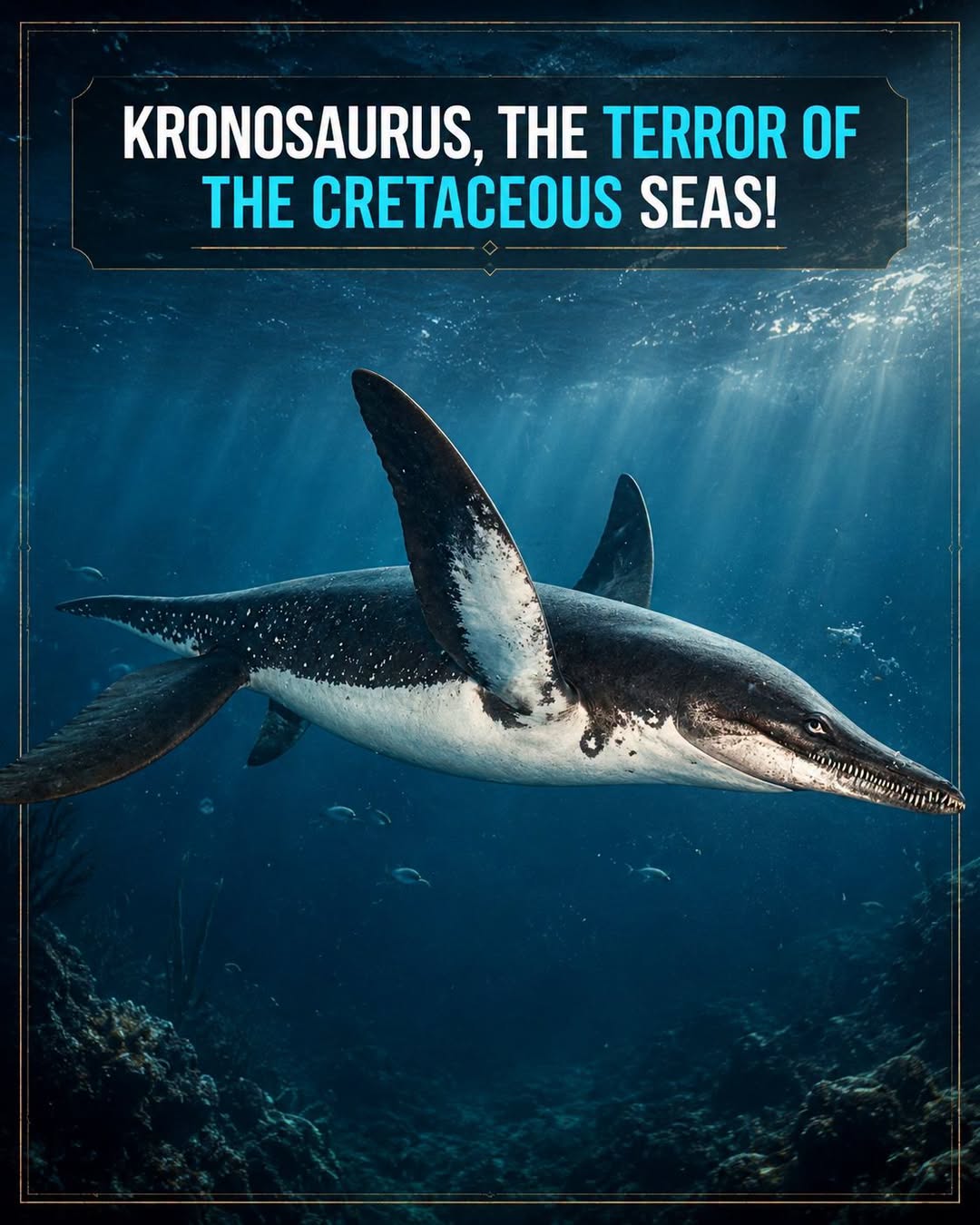
    Kronosaurus wasn’t a dinosaur, but that didn’t stop it from dominating the oceans like a true apex predator. Belonging to the pliosaur group of marine reptiles, this beast stretched over 10 metres in length and was built for raw power. Its massive skull housed dozens of conical teeth, each designed to crush shells and pierce flesh with ease. With a bite strong enough to splinter bone and flippers that propelled it like a high-speed submarine, Kronosaurus hunted with brutal efficiency.

    This predator patrolled the shallow inland seas of what is now Australia and South America around 100 million years ago. Its prey included large fish, ammonites, marine turtles, and even other marine reptiles. Kronosaurus didn’t need stealth or cunning. It relied on speed, strength, and size to overwhelm anything in its path. Its flippers, structured like underwater wings, gave it surprising agility for such a bulky creature. It could make sharp turns to chase prey, burst forward in ambush, or drag smaller rivals into the depths.

    The name Kronosaurus comes from Cronus, the Titan from Greek mythology who devoured his own children. The comparison is fitting. Kronosaurus was not just another marine reptile. It was a sea monster of epic proportions, unmatched in its time.

    Fossils of Kronosaurus were first discovered in Queensland, Australia, in the early 20th century. Since then, paleontologists have pieced together its terrifying profile using a combination of bones, tooth impressions, and modern reconstruction techniques. While debates about its exact length continue, one thing is certain: Kronosaurus was among the deadliest creatures to ever swim Earth’s oceans.

    Fun Fact: A mounted skeleton of Kronosaurus was famously displayed at Harvard University’s Museum of Comparative Zoology, but researchers later discovered that the reconstruction included too many vertebrae, making the creature look longer than it actually was.

    #MockingMerriment

    #PrehistoricLife #Pliosaur #Kronosaurus #ApexPredator

    #CretaceousPeriod #FossilDiscovery #AncientOceans #Paleontology #MarineReptiles

  • MockingMerriment1784359371

    MockingMerriment1784359371

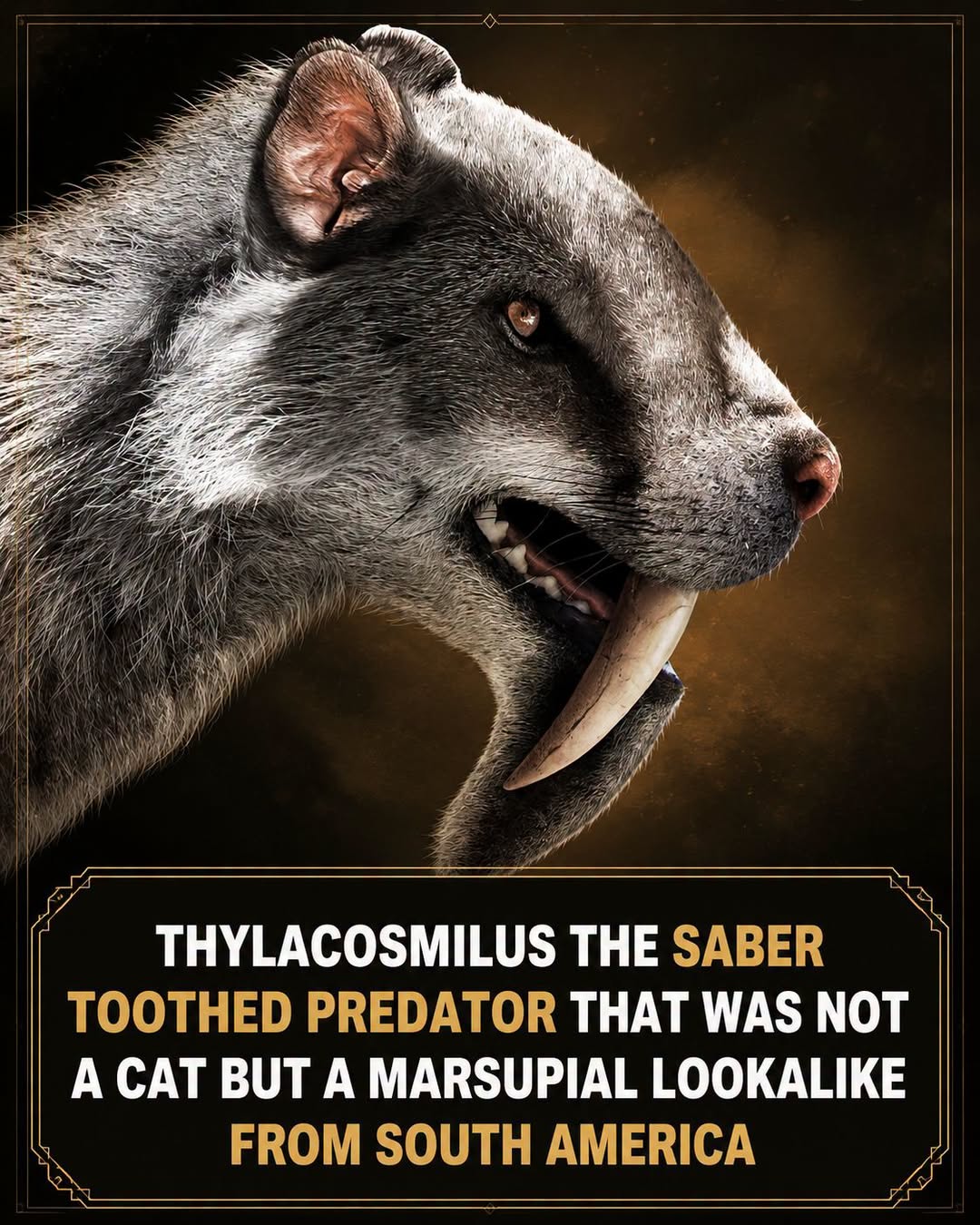
    It had the terrifying fangs of a saber-toothed cat but was not a cat at all. Thylacosmilus was one of the most bizarre and misunderstood predators in prehistoric South America, with features that could fool even seasoned palaeontologists at first glance.

    Thylacosmilus lived between 9 and 3 million years ago during the Late Miocene to Pliocene epochs. Fossils have been found in Argentina, revealing a predator that resembled the famous Smilodon, or saber-toothed tiger, of North America. But appearances can be deceiving. Thylacosmilus was not a felid—and not even closely related to cats. It belonged to a group called sparassodonts, extinct carnivorous metatherians that were more closely related to marsupials like kangaroos and opossums than to any modern-day predator.

    What makes Thylacosmilus so fascinating is how closely it mimicked the appearance of true saber-toothed cats despite being evolutionarily distant. This phenomenon is known as convergent evolution, where unrelated species develop similar traits due to living in similar environments and facing similar challenges.

    Thylacosmilus had long, dagger-like upper canines that extended well below its lower jaw and likely used them to take down prey with powerful stabbing bites. Unlike most saber-toothed mammals, Thylacosmilus had deep grooves in its lower jaw that acted like protective sheaths for its enormous teeth. These adaptations suggest it was a specialist predator, possibly ambushing slower prey rather than chasing it down. Its strong neck muscles and robust forelimbs would have played a crucial role in subduing its victims.

    Fun Fact: Despite its fearsome look, some researchers believe Thylacosmilus may have had relatively weak bite force and relied more on precision and neck strength than jaw power to kill prey.

    #MockingMerriment #ConvergentEvolution #Paleontology #PrehistoricLife #MarsupialEvolution

    #MioceneEpoch #Thylacosmilus #AncientPredators #SaberToothedPredator #FossilDiscovery

  • MockingMerriment1784352219

    MockingMerriment1784352219

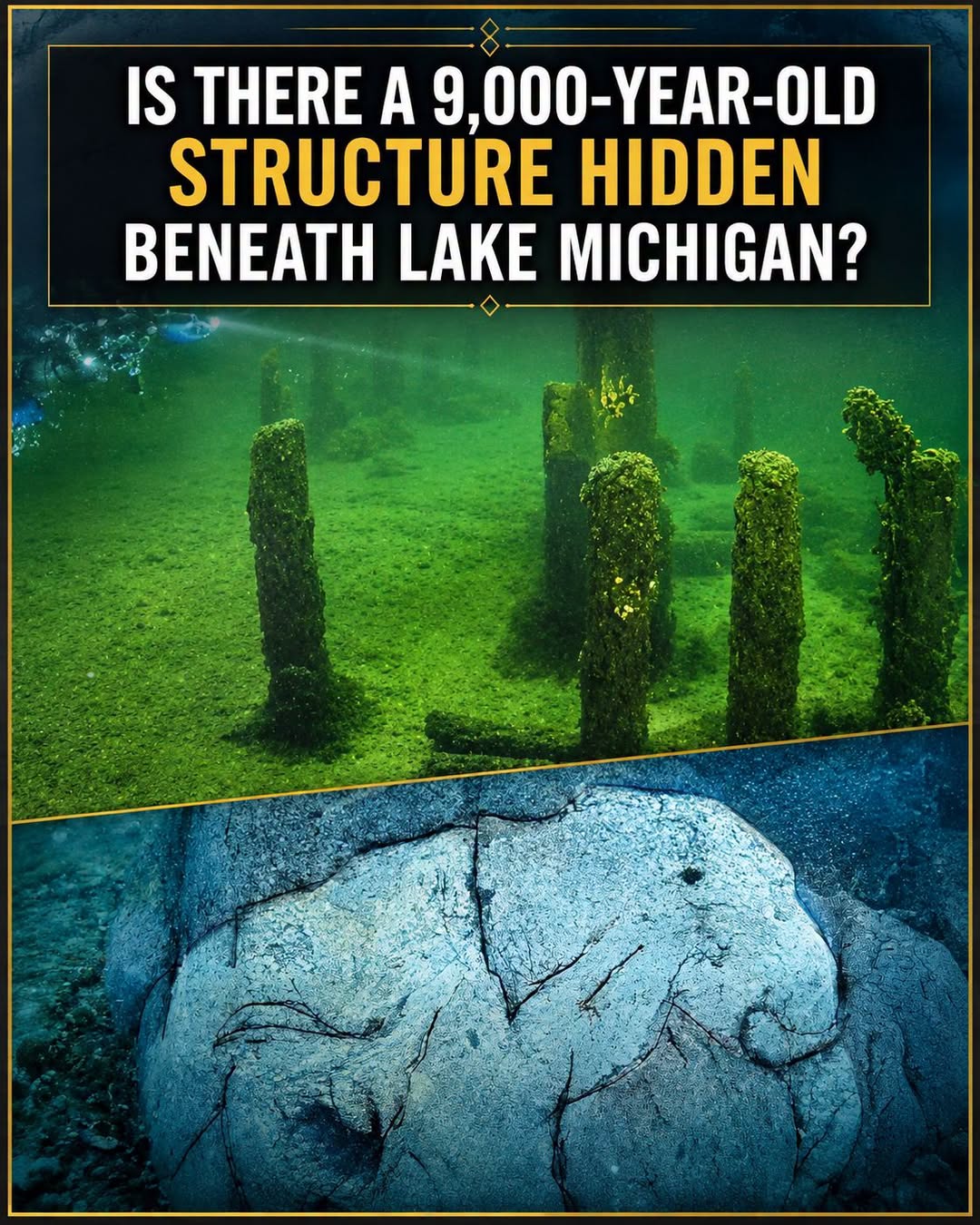
    In 2007, a team of underwater archaeologists scanning Lake Michigan made a discovery that continues to stir debate and fascination. At a depth of about 40 feet, they found a series of stone formations resembling ancient man-made structures, along with a boulder that appeared to have a carved image of a mastodon—an Ice Age mammal that went extinct nearly 10,000 years ago. This finding, located in Grand Traverse Bay, has sparked questions about what lies beneath the surface of North America’s Great Lakes.

    Could it be evidence of a prehistoric civilization, long forgotten and buried beneath the waves after the last Ice Age? Or are these formations simply natural arrangements altered slightly by early hunter-gatherers? The supposed mastodon carving adds to the mystery. If verified, it would suggest the site predates the pyramids by several millennia, and may offer insight into early North American cultures. Some researchers believe it could have been part of a ceremonial site or a hunting ground marker used by Paleo-Indians who once roamed the area during the time when much of Michigan was dry land.

    Scientific analysis is still ongoing, and experts caution that many underwater rock formations can appear artificial due to natural erosion. However, the potential of this site has led to growing interest among geologists, archaeologists, and historians who believe it could hold clues to human life in North America before recorded history.

    Fun Fact: Mastodons, unlike mammoths, were browsers instead of grazers and had distinctly shaped molars to chew leaves and twigs. Their extinction roughly 10,000 years ago marked the end of one of North America’s most iconic megafauna species.

    #MockingMerriment
    #Paleontology #FossilDiscovery #LakeMichiganMystery #Mastodon #PrehistoricLife #AncientMysteries #HumanHistory

    #UnderwaterArchaeology #IceAge

  • MockingMerriment1784343766

    MockingMerriment1784343766

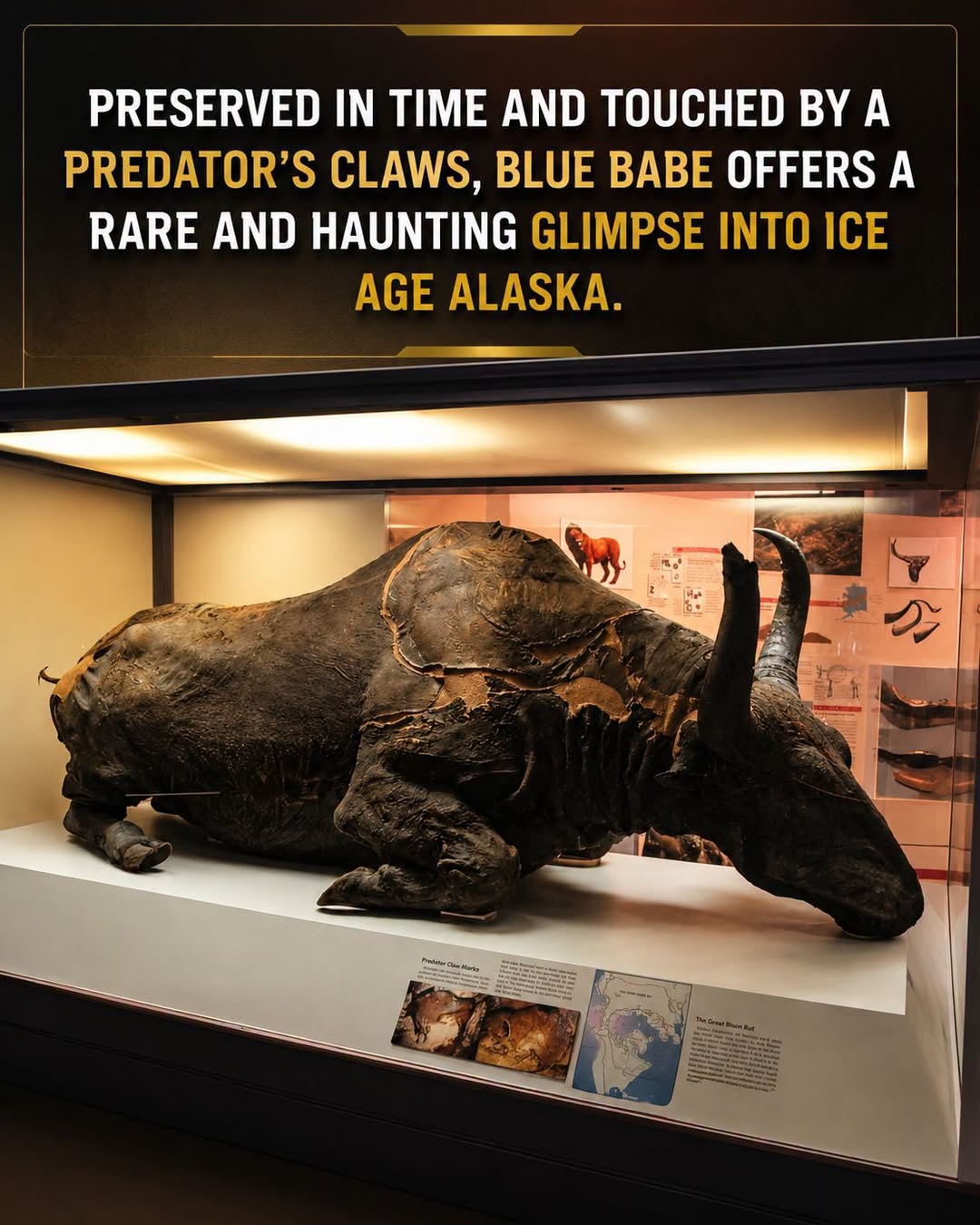
    In 1979, gold miners working near the Dalton Highway in Alaska made a discovery that stunned scientists. Beneath the frozen soil, they uncovered the incredibly well-preserved remains of a mummified steppe bison, later nicknamed Blue Babe. This Ice Age relic had been entombed in permafrost for approximately 36,000 years, its name inspired by the blue mineral vivianite that formed on its exposed skin as it reacted with ground minerals.

    What makes Blue Babe even more remarkable is not just its preservation, but the forensic clues it carries. Deep claw and tooth marks etched into the carcass reveal that this bison fell prey to an apex predator of the Pleistocene epoch—the American lion (Panthera atrox). This now-extinct feline was one of the largest cat species to have ever lived, even larger than today’s African lion. The injuries on Blue Babe tell a vivid story of predator and prey frozen in time.

    Scientists at the University of Alaska Fairbanks meticulously studied the bison’s remains, using radiocarbon dating, tissue analysis, and predator damage assessments to reconstruct the final moments of this Ice Age giant. Today, Blue Babe is proudly displayed at the University of Alaska’s Museum of the North in Fairbanks, where visitors can witness this tangible piece of prehistory.

    The exceptional preservation of Blue Babe offers rare insight into Ice Age ecology, predator-prey relationships, and the powerful grip of permafrost in locking away organic history for tens of thousands of years. It stands as a scientific treasure, linking us directly to a colder, wilder North America that once teemed with megafauna.

    Fun Fact: During the preservation process in the 1980s, researchers even cooked and tasted a small portion of Blue Babe’s flesh as part of a unique experiment—marking one of the strangest scientific dinners ever recorded.

    #MockingMerriment
    #FossilDiscovery #BlueBabe #Megafauna

    #AmericanLion #Paleontology #SteppeBison #IceAge #Permafrost #PrehistoricLife

  • MockingMerriment1784338416

    MockingMerriment1784338416

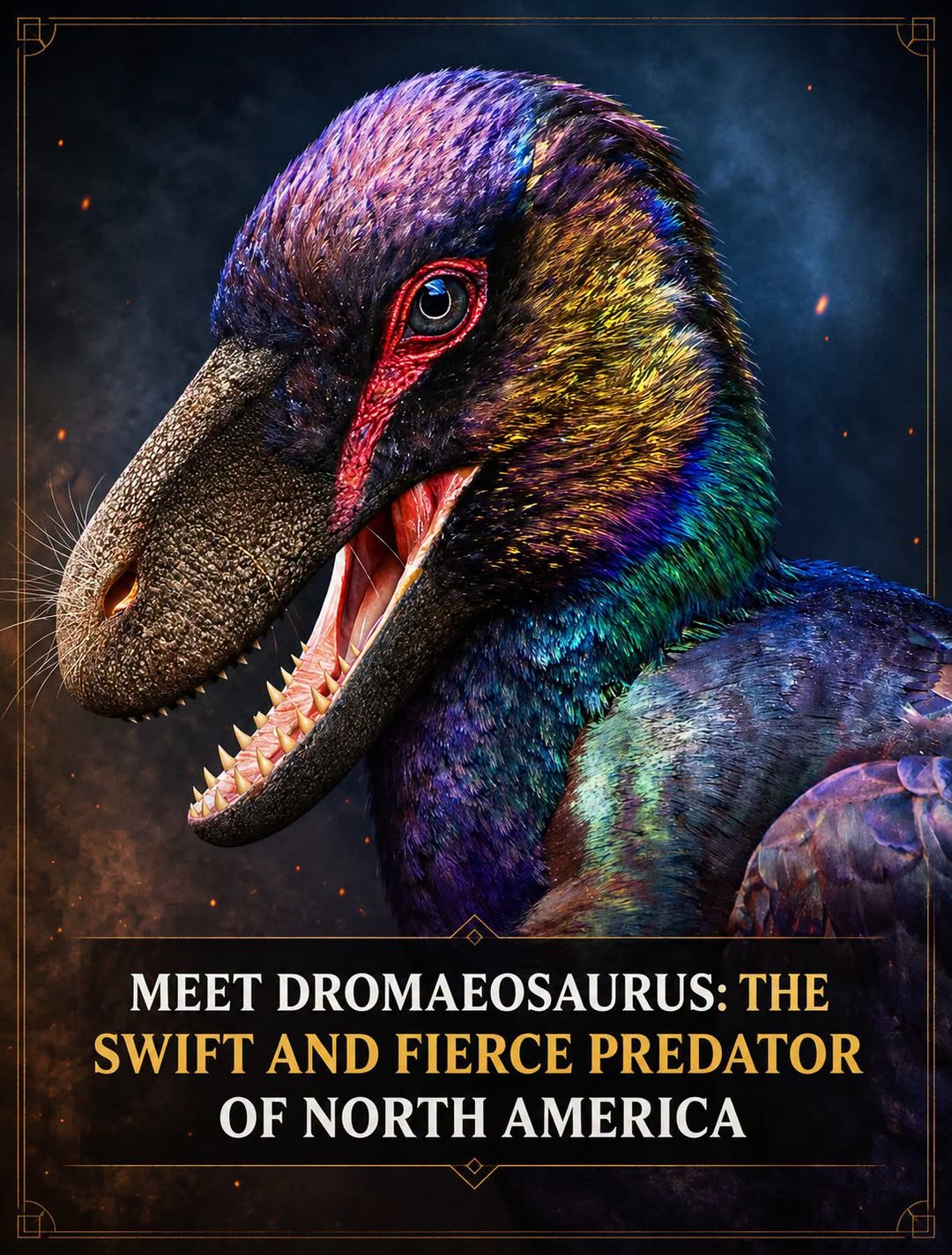
    Long before humans walked the Earth, the Late Cretaceous was home to a swift and deadly predator stalking the prehistoric plains of what is now Alberta, Canada, and the western United States. This was Dromaeosaurus, meaning “swift running lizard,” a small but powerful member of the dromaeosaurid family. Measuring about 2 metres in length and weighing around 45 kilograms, this dinosaur packed a surprising punch for its size.

    Though often overshadowed by its more famous cousin Velociraptor, Dromaeosaurus had its own unique traits. It lived around 80 to 69 million years ago and, like Velociraptor, it was a feathered theropod with a sickle-shaped claw on each foot—an adaptation likely used for slashing prey. However, what truly set Dromaeosaurus apart was its skull and jaw strength. Unlike many of its relatives that relied more on agility and claw attacks, Dromaeosaurus had a short, robust skull and powerful jaw muscles, suggesting that it may have delivered bone-crushing bites during the hunt.

    Fossil evidence shows that Dromaeosaurus had excellent vision, strong legs for running, and serrated teeth designed for tearing flesh. It was an active predator, possibly hunting in packs, and would have fed on smaller dinosaurs, reptiles, and carrion when available. Its presence in North America at the same time as Velociraptor was hunting in Central Asia paints a picture of how similar predatory strategies evolved on different continents during the same era.

    Today, Dromaeosaurus helps palaeontologists understand the diversity and evolution of raptors. Though only fragmentary fossils have been recovered, each discovery adds to our understanding of this fascinating, fast-moving carnivore.

    Fun Fact: The first fossils of Dromaeosaurus were discovered in 1914, making it one of the earliest named raptors, long before Velociraptor became famous.

    #MockingMerriment

    #Paleontology #Theropods #Dromaeosaurus #RaptorDinosaur #FeatheredDinosaurs #DinosaurFacts #CretaceousPeriod #PrehistoricLife

  • MockingMerriment1784336618

    MockingMerriment1784336618

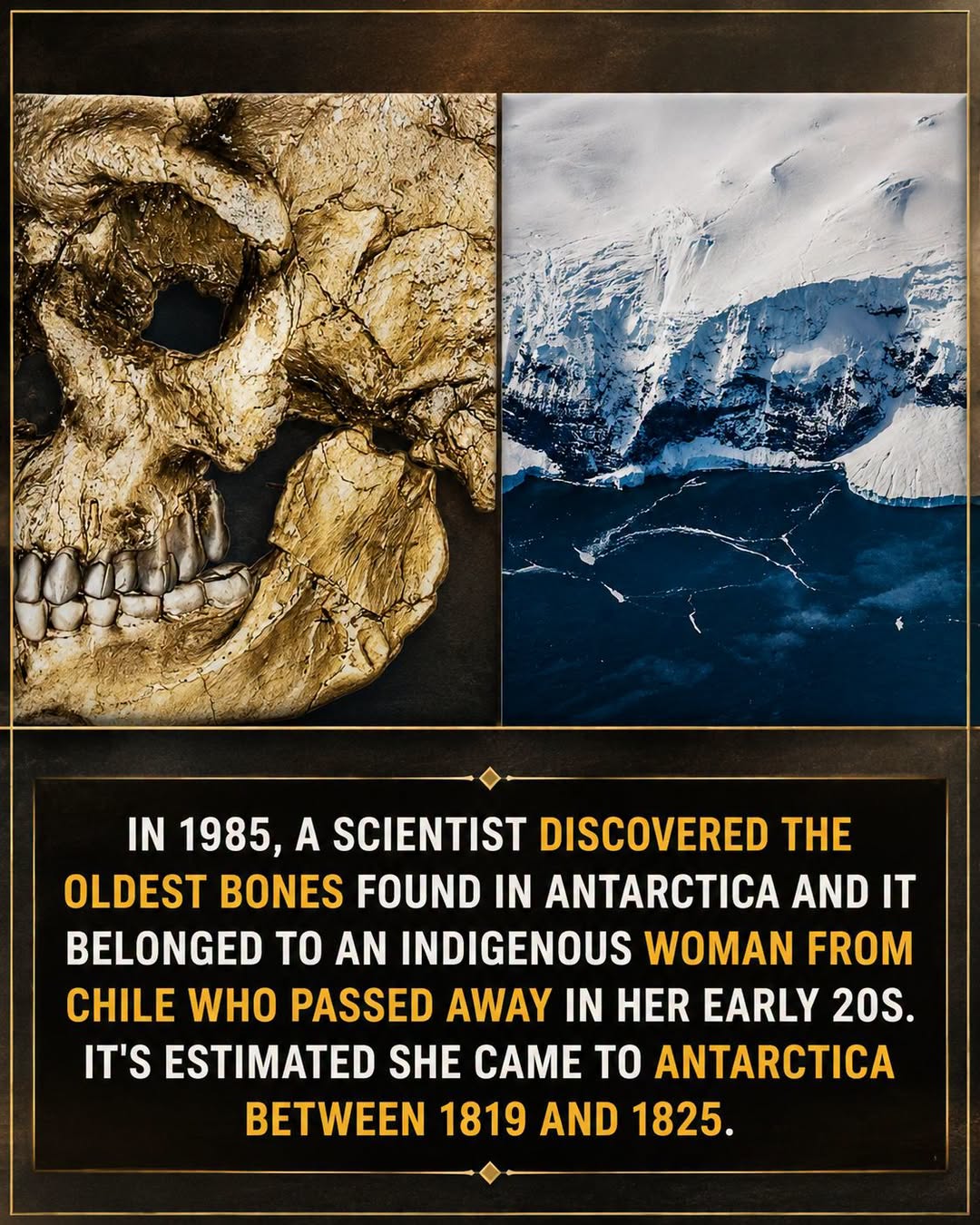
    In 1985, on the icy shores of Yamana Beach at Cape Shirreff in Antarctica’s South Shetland Islands, Chilean biologist Dr. Daniel Torres uncovered a discovery that stunned the scientific world. A human skull and femur were found half-buried in the frozen ground, later identified as belonging to a young Indigenous woman from southern Chile. Estimated to have died between 1819 and 1825 at around 21 years old, these remains are now considered the oldest known human bones ever discovered on the Antarctic continent.

    The young woman was likely a mestizo from the southern channels of Chile, possibly of Yaghan or Kawésqar heritage. How she ended up on the harsh, remote coastline of Antarctica remains a mystery. Historical records do not mention women aboard sealing vessels during that time, making her presence in such a forbidding place all the more remarkable. It is speculated that she may have traveled aboard a sealing ship, intentionally or otherwise, during a period when the first landings on the Antarctic Peninsula were just beginning.

    This discovery not only sheds light on early human activity in Antarctica but may also play a critical role in the future. As the Antarctic Treaty is set for review in 2048, findings like this could be considered in geopolitical discussions surrounding historical claims and human presence on the continent.

    The skull and femur provide a rare, personal glimpse into the early human footprint on a land we often think of as untouched. They represent a forgotten chapter of exploration, migration, and possibly survival in one of Earth’s harshest environments.

    Fun Fact: The remains were so well-preserved by the Antarctic cold that forensic analysis was able to determine her approximate age, ancestry, and even signs of past trauma.

    #MockingMerriment

    #AncientHumans #Paleontology #HumanHistory #Yaghan #Archaeology #PrehistoricLife #Kawésqar #AntarcticaDiscovery