Author: Kai18

  • MockingMerriment1784017439

    MockingMerriment1784017439

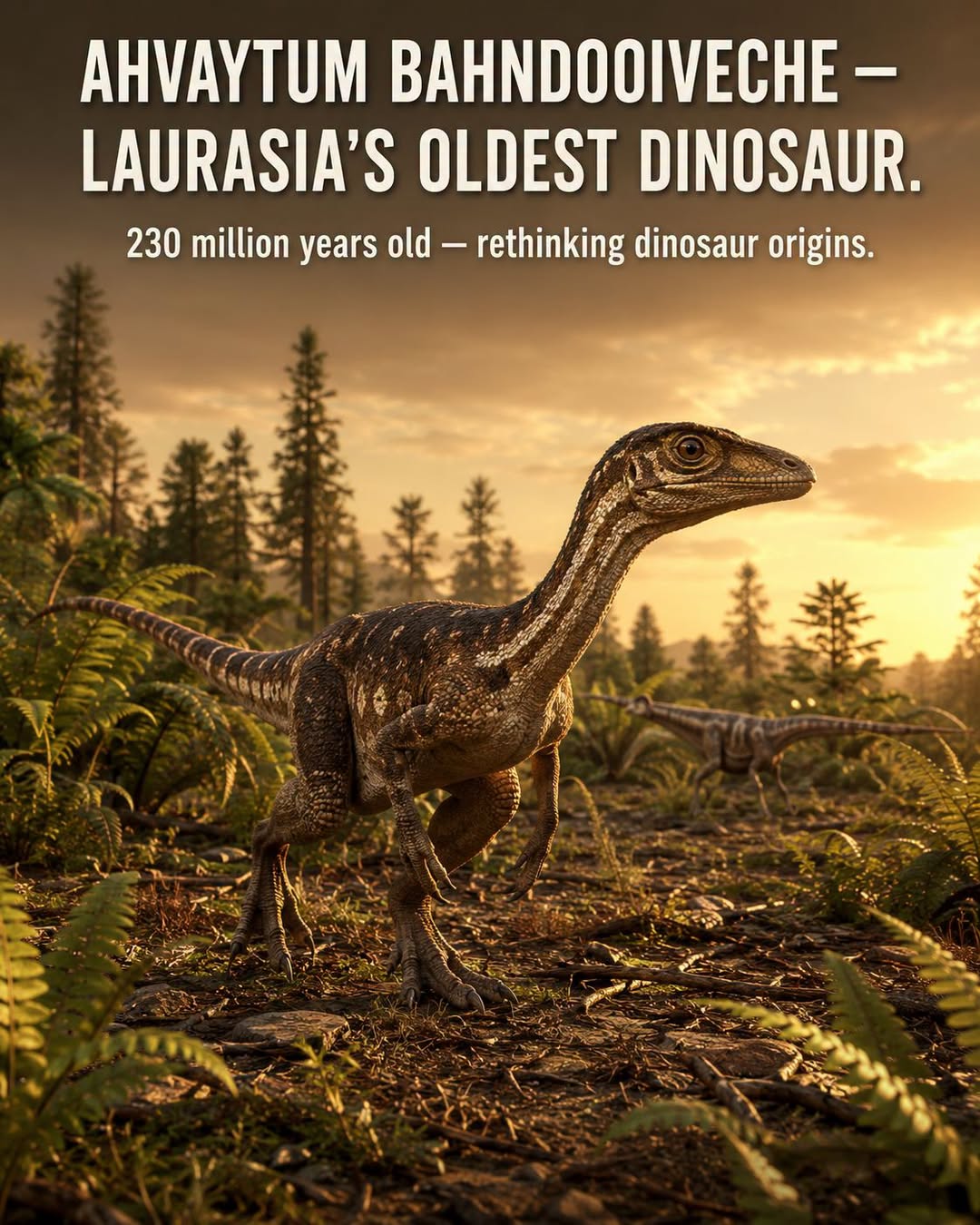
    A chicken-sized dinosaur stands in a lush equatorial forest. Ferns and conifers surround it. A silesaurid lurks in the background—a relic of an older world. This is Ahvaytum bahndooiveche, newly described from the Popo Agie Formation in Wyoming. 230 million years old. Laurasia’s oldest known dinosaur. For decades, we thought dinosaurs originated in the high-latitude south—in Argentina, in Brazil, in the deep southern hemisphere. This little dinosaur rewrites the map. It tells us that dinosaurs were already spreading across the supercontinent, adapting, surviving, and thriving. The origin story just got more complicated. And more exciting. 🌿🦖🌍

    #OldestEquatorialDinosaur #DDesignHub #AhvaytumBahndooiveche #NewDiscovery #DinosaurOrigins
  • MockingMerriment1784021081

    MockingMerriment1784021081

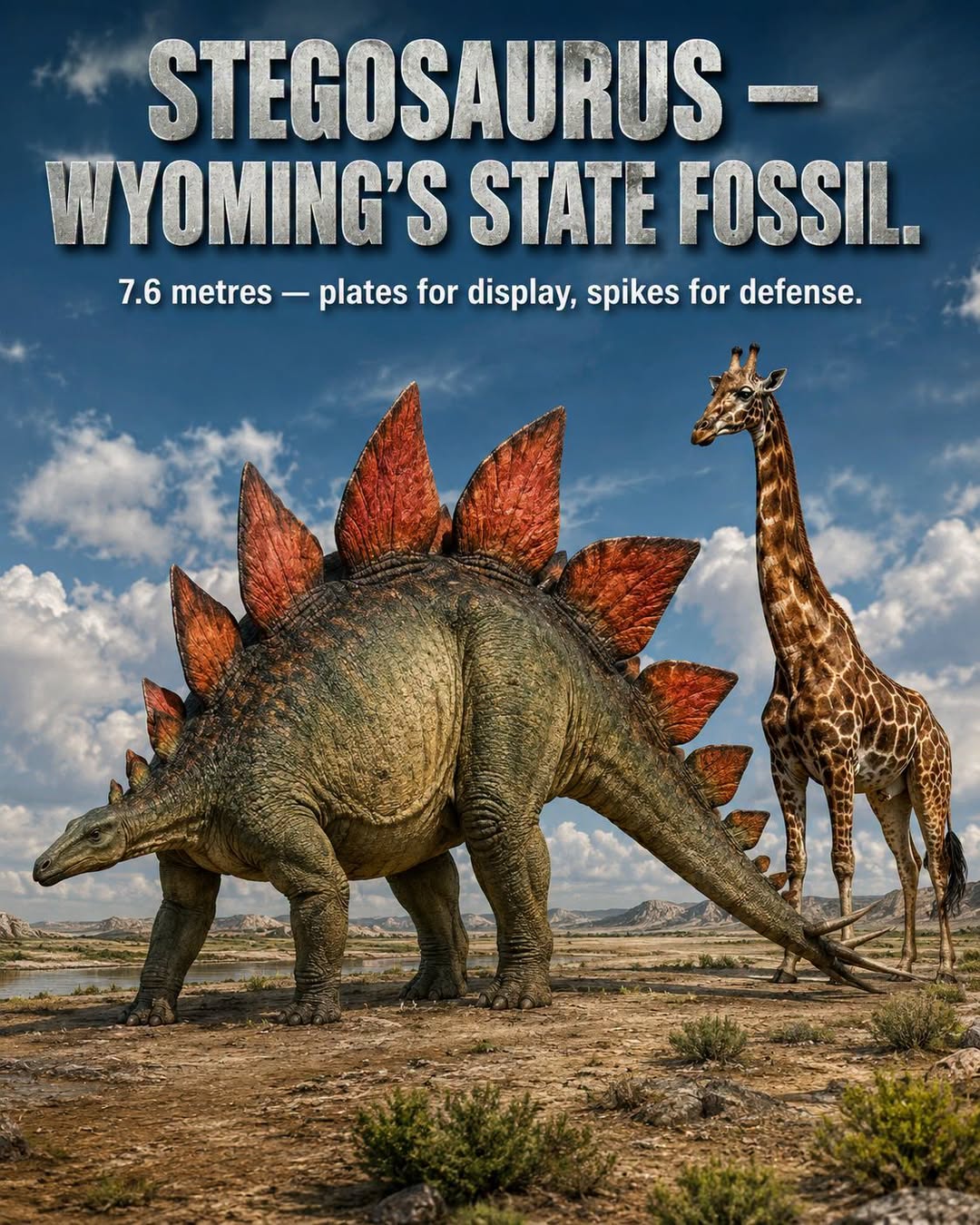
    Stegosaurus—Wyoming’s official state fossil. 7.6 metres—plates for display, spikes for defense. A giraffe stands beside it for scale. A reminder that the Jurassic tank was not just a herbivore—it was building-sized. A dinosaur that could flash its plates like a billboard, but would definitely not fit in a museum drawer. And at its side—a giraffe, a human, a moment of scale. 🦒🦕🌿
    #JurassicTank #DDesignHub #Thagomizer

    #WyomingStateFossil #Stegosaurus

  • MockingMerriment1784034857

    MockingMerriment1784034857

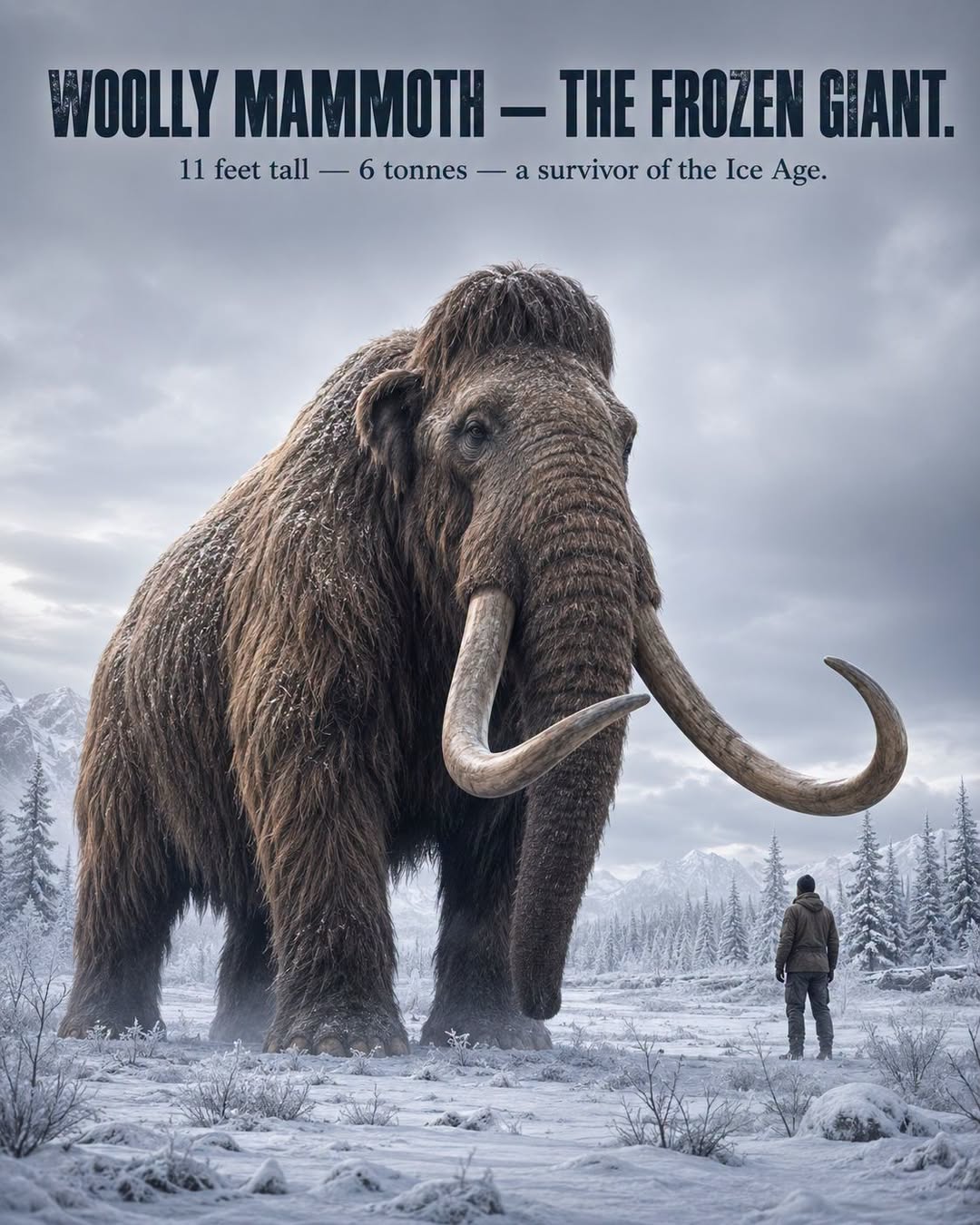
    An 11-foot giant of the frozen north — a mammoth wrapped in shaggy fur, its tusks curving like ancient crowns, a survivor of the Ice Age. ❄️🐘💀

    Meet the woolly mammoth (Mammuthus primigenius), one of the most iconic creatures of the Pleistocene epoch. It roamed the cold steppes of Eurasia and North America, a creature built for survival in a world of ice and snow.

    Its thick shaggy coat, long curved tusks, and domed head made it a formidable presence in the landscape. It used its tusks to clear snow, to fight rivals, and to dig for vegetation beneath the frozen ground.

    It lived alongside cave lions, woolly rhinos, and early humans — a world of ice and shadow, where survival meant being tough, resilient, and ready for anything.

    But like so many Ice Age giants, it vanished at the end of the Pleistocene — a casualty of changing climates, shrinking habitats, and the relentless spread of humanity.

    If you could see a woolly mammoth roaming the tundra, would you feel awe — or just hope it didn’t charge? ❄️🐘👁️