Author: Kai18

  • MockingMerriment1784712216

    MockingMerriment1784712216

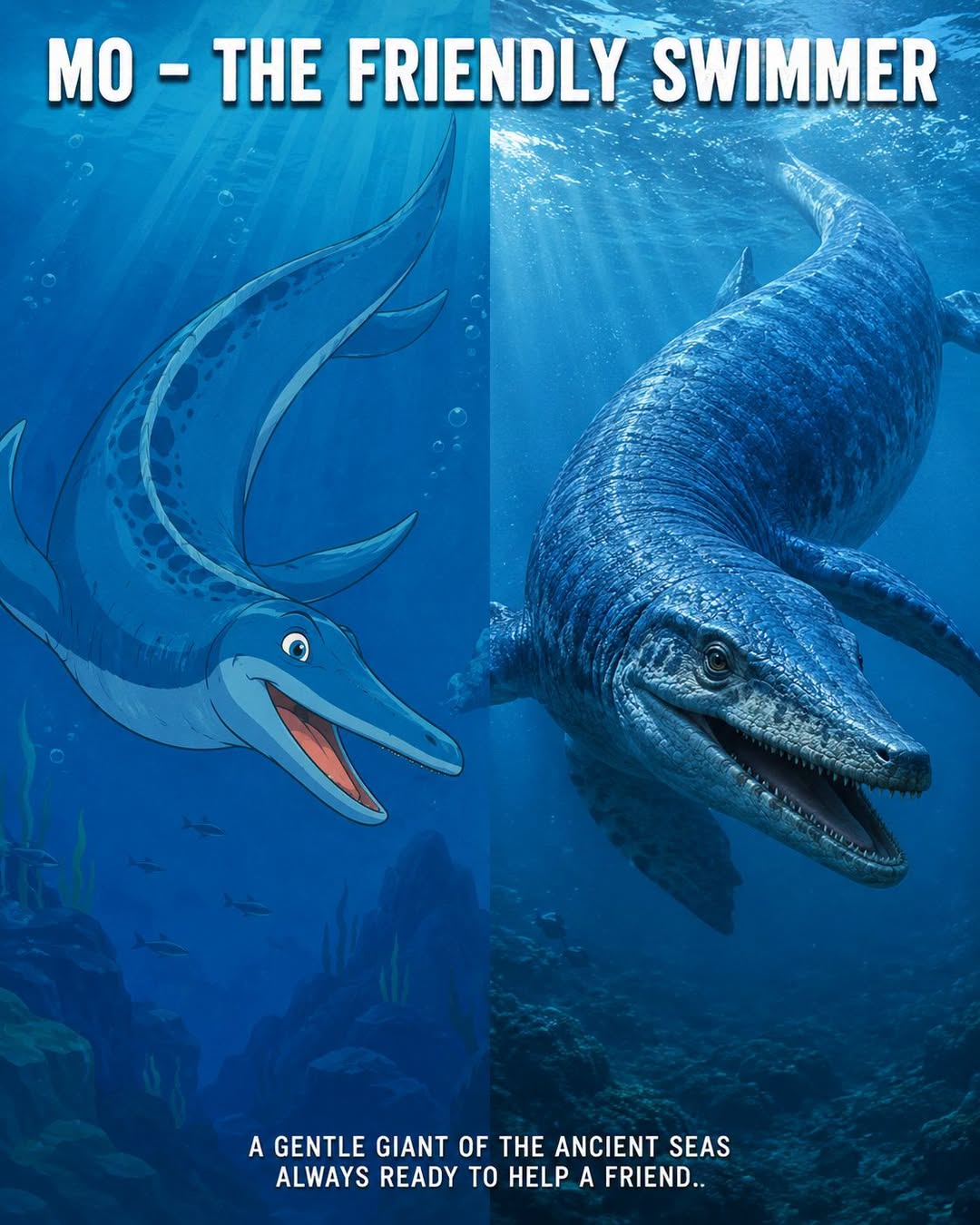
    💙🌊 Mo — the friendly Swimmer with a smile that lights up the deep. 🐚✨

    On the left — the happiest creature in the prehistoric ocean . Big eyes, joyful smile, and a heart that just wanted to help . This is Mo — a friend you could always count on . 🎨

    On the right — Mo brought to life . His blue scales shimmer beneath the waves . His eyes sparkle with that same joyful energy . He glides through the water with a smile — a reminder that even the deepest ocean can hold warmth . 🌊

    Same waters . Two worlds . One joyful heart . 💫

    💙 Fun fact: Ophthalmosaurus was an ichthyosaur — a marine reptile that had some of the largest eyes of any animal, adapted for seeing in deep, dark waters . Mo’s big eyes aren’t just cute — they’re perfect for spotting friends ! 👀

    Who’s the Mo in your life — someone whose smile makes everything better? 👇

    #MoTheFriendlySwimmer
    #CreativeArt #UnderwaterJoy #HyperRealistic #DinoLove #VerticalArt #DinosaurLover #Ichthyosaur #Paleontology #90sCartoon #Ophthalmosaurus #ChildhoodMagic #Nostalgic #DeepBlue #DinoCommunity #ArtOfInstagram #DinosaurArt #CartoonVsReal #FriendlySoul #SplitImage #LostWorlds #ImaginationMeetsReality #DinoFacts #SmileInTheWater #AncientWorld

  • MockingMerriment1784704968

    MockingMerriment1784704968

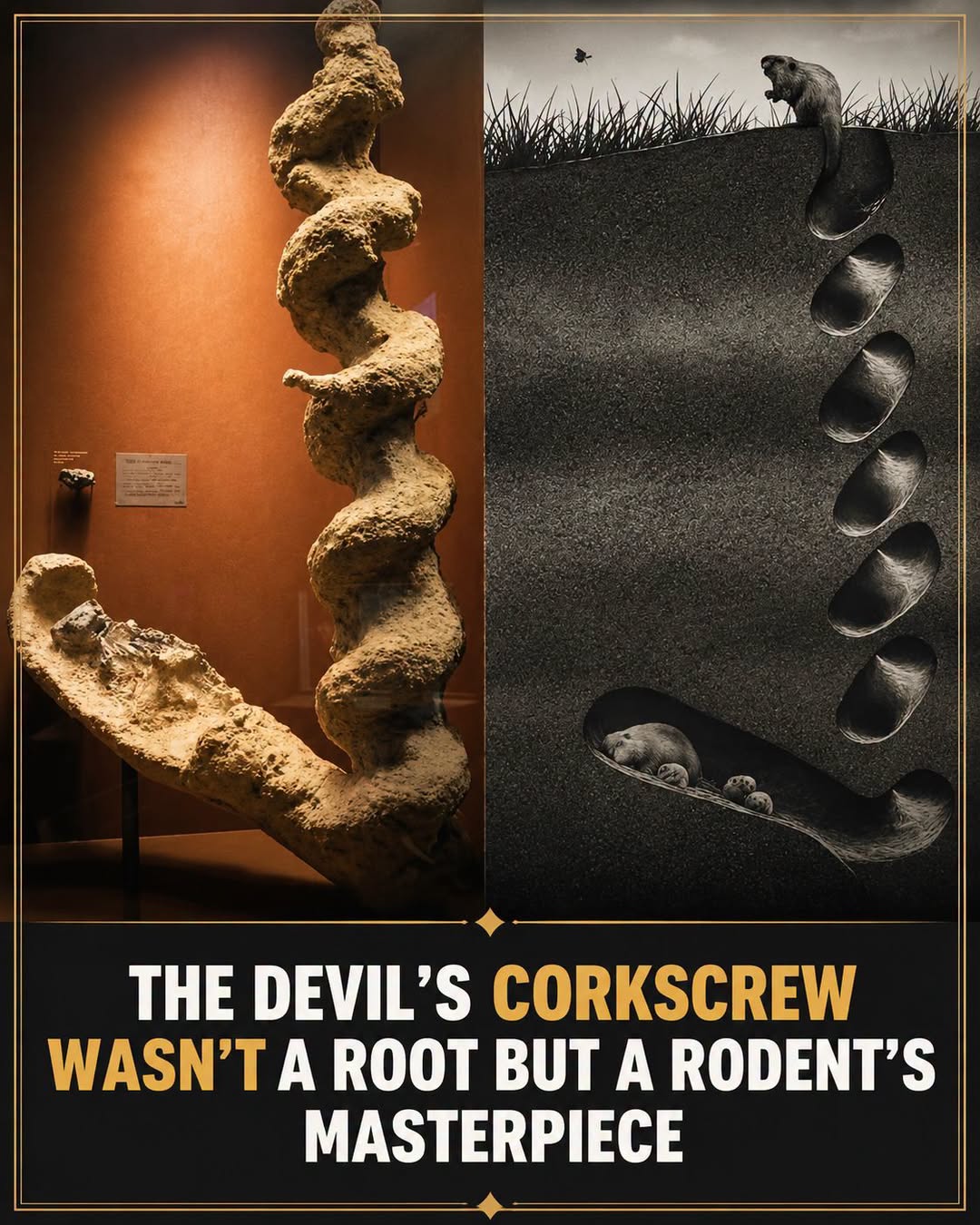
    At first glance, it looks like something out of science fiction—a giant spiral carved into ancient rock. But this fossil, known as a Daemonelix or “Devil’s Corkscrew,” is very real and tells the fascinating story of life below the surface during the Miocene Epoch. Found in the sediment layers of Nebraska and dating back roughly 20 million years, this extraordinary structure left scientists baffled for decades after its discovery in the 1890s.

    Initially thought to be fossilised plant roots or the remnants of ancient freshwater sponges, the true identity of the Daemonelix remained a mystery. It wasn’t until further studies and fossil associations were made that paleontologists determined its origin: it was a burrow. But not just any burrow. This spiralling tunnel was crafted by an extinct beaver-like rodent named Palaeocastor.

    This ancient mammal dug vertical helical burrows deep into the ground, possibly as a means of escaping predators and creating a safe, stable environment to raise its young. The spiral design may have helped regulate temperature or keep out flooding, demonstrating an impressive level of evolutionary adaptation. Fossils of Palaeocastor have even been found inside some of these corkscrews, often alongside evidence of predator-prey interactions with ancient mustelids like Zodiolestes, a prehistoric relative of the weasel.

    What makes the Daemonelix so special is that it is a trace fossil—not the remains of the animal itself but a record of its behaviour, a snapshot of instinct preserved in stone. It reveals how even the smallest creatures left lasting marks on the world, shaping their environment in ways that still speak to us millions of years later.

    Fun Fact: The term Daemonelix was coined by early fossil hunters who, baffled by the strange shape, believed it had supernatural origins.

    #MockingMerriment #FossilFacts #Daemonelix #Evolution #MioceneEpoch #Paleontology #TraceFossils #Palaeocastor #AncientMysteries #PrehistoricLife

  • MockingMerriment1784697769

    MockingMerriment1784697769

    What if everything we think we know about dinosaur appearance is only part of the story? While bones fossilise beautifully, soft tissues like skin, organs, and especially hair rarely survive the fossilisation process. This means that many of our visual reconstructions of dinosaurs are based heavily on educated guesswork. And because hair doesn’t fossilise, we can’t completely rule out the possibility that some dinosaurs may have looked very different than we think—maybe even sporting fur-like coats or hair-like filaments.

    In recent years, palaeontologists have made remarkable discoveries of feathered dinosaurs, especially from fossil beds in China. These findings revolutionised the way we view creatures like Velociraptor and Archaeopteryx, showing that feathers were common, particularly among theropods—the group that includes both raptors and modern birds. But feathers are only one part of the equation. The absence of preserved hair doesn’t mean it never existed.

    There are still gaps in our understanding, especially when it comes to species that lived in cold environments, where insulation might have been essential for survival. Scientists have found evidence of filamentous structures in some species—proto-feathers that could have served a similar function to fur. However, we can’t yet prove whether any dinosaur evolved hair as seen in mammals, because no direct fossil evidence has been found. Still, the idea remains within the realm of possibility for some types of small, warm-blooded dinosaurs.

    The world of palaeontology constantly evolves as new techniques and fossil discoveries challenge our long-held assumptions. Whether dinosaurs had scales, feathers, fuzz, or hair remains an open question for many species. What we do know is that the prehistoric world was far more diverse and surprising than once thought.

    Fun Fact: Some palaeontologists believe that if a small theropod dinosaur walked past us today fully feathered, we might mistake it for a large, flightless bird.

    #MockingMerriment

    #Paleontology #PrehistoricLife #FeatheredDinosaurs #Dinosaurs #FossilDiscovery #DinosaurFacts #ScienceMysteries

    #Theropods #Evolution

  • MockingMerriment1784689417

    MockingMerriment1784689417

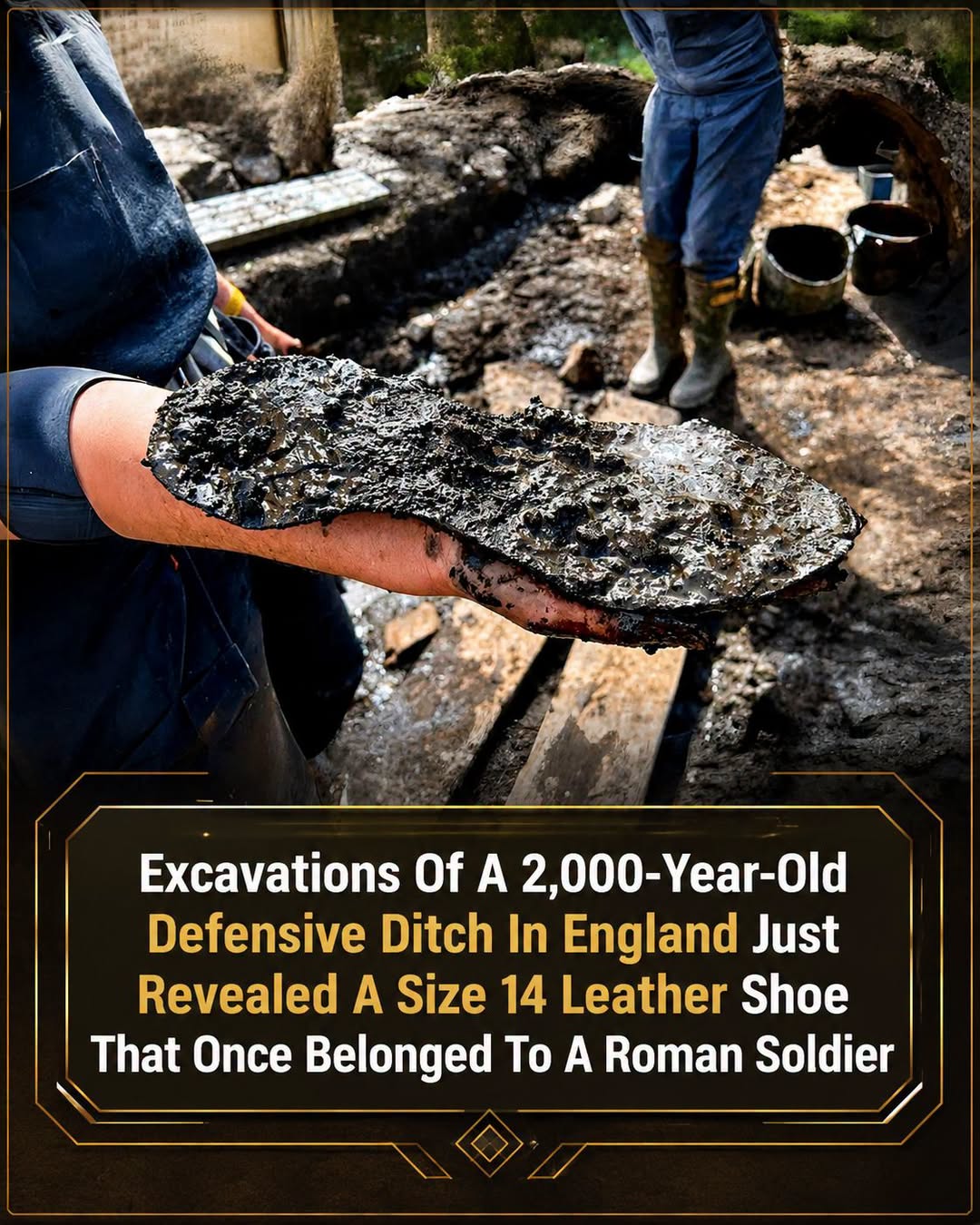
    In the shadow of Hadrian’s Wall, a stunning glimpse into the daily life of Rome’s northernmost soldiers has just been unearthed. At the site of Magna, one of the key Roman forts built around 122 C.E. to defend the empire’s edge, archaeologists uncovered a remarkably well-preserved Roman shoe. What drew immediate awe was its size—a 12.6-inch sole, equivalent to a modern men’s size 14, making it one of the largest Roman shoes ever found in Britain.

    This discovery came during a recent excavation of the fort’s ancient ditches and ramparts, once manned by Roman troops tasked with keeping order and guarding against invasions from northern tribes. While fragments of footwear are not uncommon at Roman sites, finding a near-complete leather sole of this size is incredibly rare. Experts are now studying its construction, leatherwork, and wear patterns to learn more about the individual who wore it. Was he a particularly tall soldier, a specialist, or someone of higher rank? These are questions that researchers hope to answer in the coming months.

    Magna Fort, located in present-day Northumberland, was strategically positioned to support Hadrian’s Wall and played a crucial role in the Roman Empire’s expansion and defense strategy. The new findings shed light on the Roman army’s resourcefulness, craftsmanship, and attention to personal equipment. Roman military shoes, known as caligae, were designed for both durability and mobility across harsh terrain.

    This discovery is not only a testament to the Roman military’s reach but also to the personal stories of the men who served at the edge of the known world.

    Fun Fact: Roman soldiers often stuffed wool or moss inside their shoes for insulation during cold British winters, showing how they adapted to unfamiliar environments.

    #MockingMerriment #RomanHistory #FossilDiscovery #HumanHistory #AncientShoes #HadriansWall #Archaeology #AncientArtifacts

    #MagnaFort #RomanBritain

  • MockingMerriment1784683967

    MockingMerriment1784683967

    The endurance of Apache warriors remains one of the most astonishing feats in human history. Known for their unmatched stamina and resilience, these Indigenous fighters could run up to 70 to 80 miles a day across rugged terrain, often barefoot and without carrying water. That’s more than three back-to-back marathons, through deserts, mountains, and harsh wilderness.

    This remarkable physical ability wasn’t just for show. Apache runners were critical to communication and survival. In a time before modern transportation, they served as scouts, couriers, and messengers between distant bands. Their running skills allowed them to outpace enemies, track game, and deliver crucial information with astonishing speed and reliability.

    Running long distances was part of daily life for the Apache. From a young age, children were trained to build endurance and tolerate pain. Cold baths, barefoot sprints across thorny terrain, and fasting were all part of physical conditioning. Their bodies became finely tuned to withstand hunger, thirst, heat, and distance—a kind of training that modern ultramarathoners would find extreme even today.

    What made these feats even more incredible was the environment. The American Southwest, where the Apache lived, is a land of rocky slopes, arid deserts, and wide valleys. The ability to cross this terrain so rapidly gave them a strategic advantage in both war and survival, making the Apache nearly impossible to track or catch.

    Fun Fact: Geronimo, the famous Apache leader, once eluded thousands of U.S. soldiers for over a year, thanks in part to his scouts’ running skills.

    #MockingMerriment

    #AncientWarriors #PrehistoricLife #HumanHistory #IndigenousHistory #Survival #Geronimo #Endurance #NativeAmericanHistory #ApacheHistory

  • MockingMerriment1784682167

    MockingMerriment1784682167

    When Nicolas Cage outbid Leonardo DiCaprio at an auction for a Tyrannosaurus bataar skull, it made headlines. The Hollywood actor reportedly paid $276,000 for the 67-million-year-old fossil, adding yet another extravagant item to his legendary collection. But what seemed like a prized possession soon turned into an international controversy.

    The skull, which closely resembles the North American Tyrannosaurus rex but comes from Mongolia, turned out to have been illegally excavated and smuggled into the United States. Years after the purchase, Cage was contacted by federal authorities investigating the fossil’s origin. Once he learned it had been looted, Cage voluntarily surrendered the skull so it could be returned to Mongolia.

    Tyrannosaurus bataar lived during the Late Cretaceous period and was a close cousin of T. rex. Fossils of this species are extremely rare and are considered national treasures in Mongolia. The country has strict laws protecting its paleontological heritage, and illegally exported fossils have been the focus of several high-profile investigations.

    Cage’s decision to return the skull without legal dispute was praised by officials, but the incident remains one of the more unusual chapters in his life of eccentric purchases. From buying castles to exotic pets, the dinosaur skull stood out not just for its price tag but for the legal and ethical questions it raised about fossil ownership and global heritage.

    Fun Fact: The fossil was originally discovered in the Gobi Desert, a hotspot for some of the most well-preserved dinosaur finds in the world.

    #MockingMerriment #Dinosaurs #Paleontology #PrehistoricLife #FossilFacts #CretaceousPeriod #GobiDesert #FossilDiscovery #TyrannosaurusBataar

  • MockingMerriment1784676773

    MockingMerriment1784676773

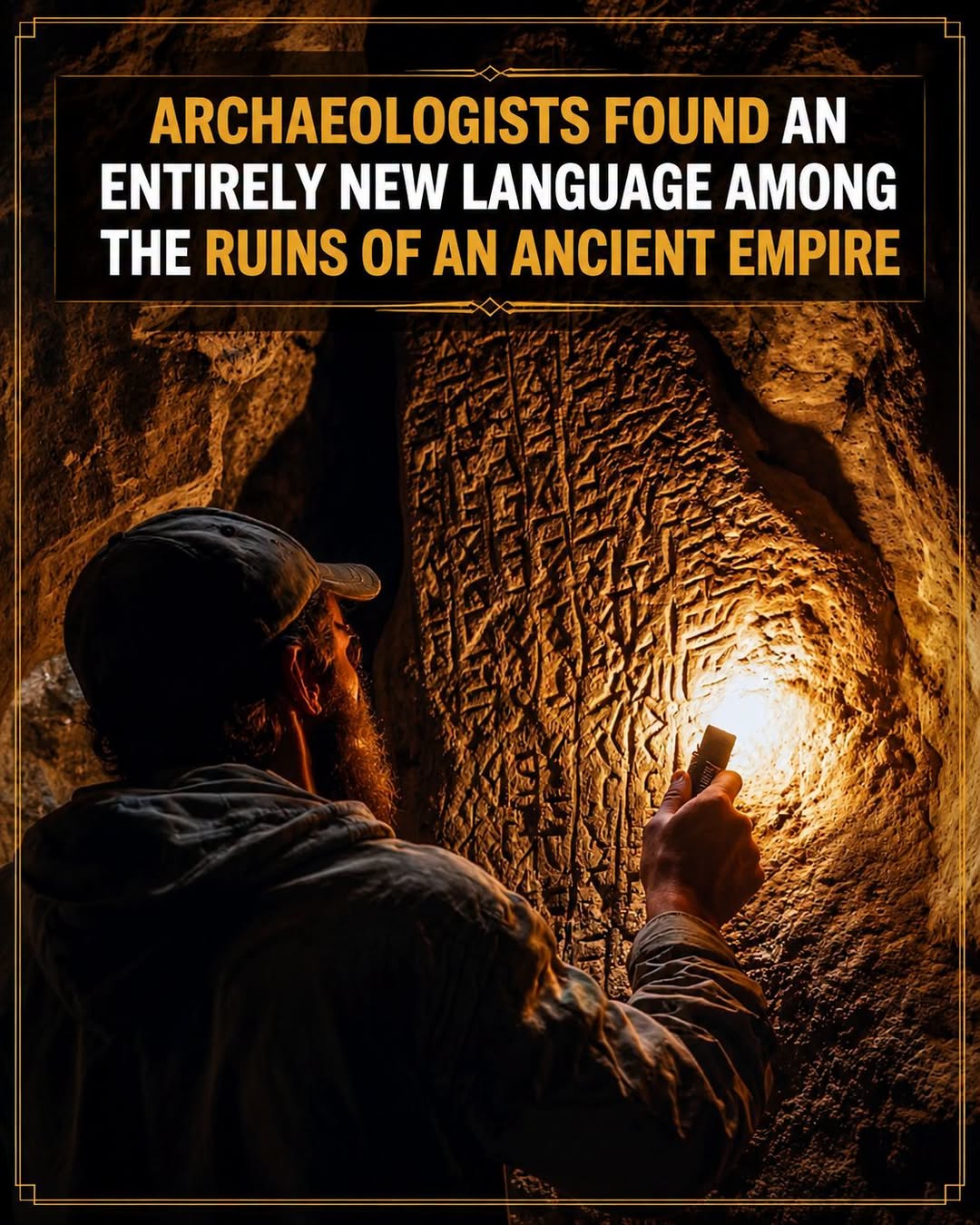
    A mysterious voice from the Bronze Age has just echoed back into our world. Deep within the ruins of Hattusha, the ancient capital of the Hittite Empire, archaeologists have uncovered a previously unknown language hidden inside a clay tablet. This rare find, believed to originate from the region of Kalašma in northwestern Anatolia, adds a fresh chapter to the complex linguistic history of ancient civilizations.

    While most of the 30,000 cuneiform tablets found at Hattusha are written in the Hittite language, this new script stands apart. Written as part of a cultic ritual, the language was referenced by scribes as belonging to Kalašma, a frontier community of the empire. What makes this so significant is that it is not just a variation of known Hittite dialects, but a potentially distinct language that offers new insight into how diverse and multicultural the Hittite world really was.

    The language appears to have similarities to Luwian, another Anatolian tongue, but its full structure and meaning remain undeciphered. This linguistic puzzle hints at a network of regional languages once spoken across the Hittite Empire, many of which have disappeared entirely from the archaeological record.

    These kinds of discoveries are rare and precious. Each new language recovered from the past challenges our assumptions and reminds us that ancient people had rich, diverse cultural identities. Language is one of the most intimate tools of human expression, and finding a new one after thousands of years is like meeting a ghost who still has a story to tell.

    Fun Fact: The Hittites often included foreign languages in their ritual texts not just for communication, but to invoke the specific power of gods from far-off lands. Speaking the right language was believed to awaken the right deity.

    #MockingMerriment
    #Hattusha #Linguistics #HumanHistory #Archaeology #CulturalHeritage

    #BronzeAge #Hittites #AncientLanguages #AncientCivilizations

  • MockingMerriment1784675012

    MockingMerriment1784675012

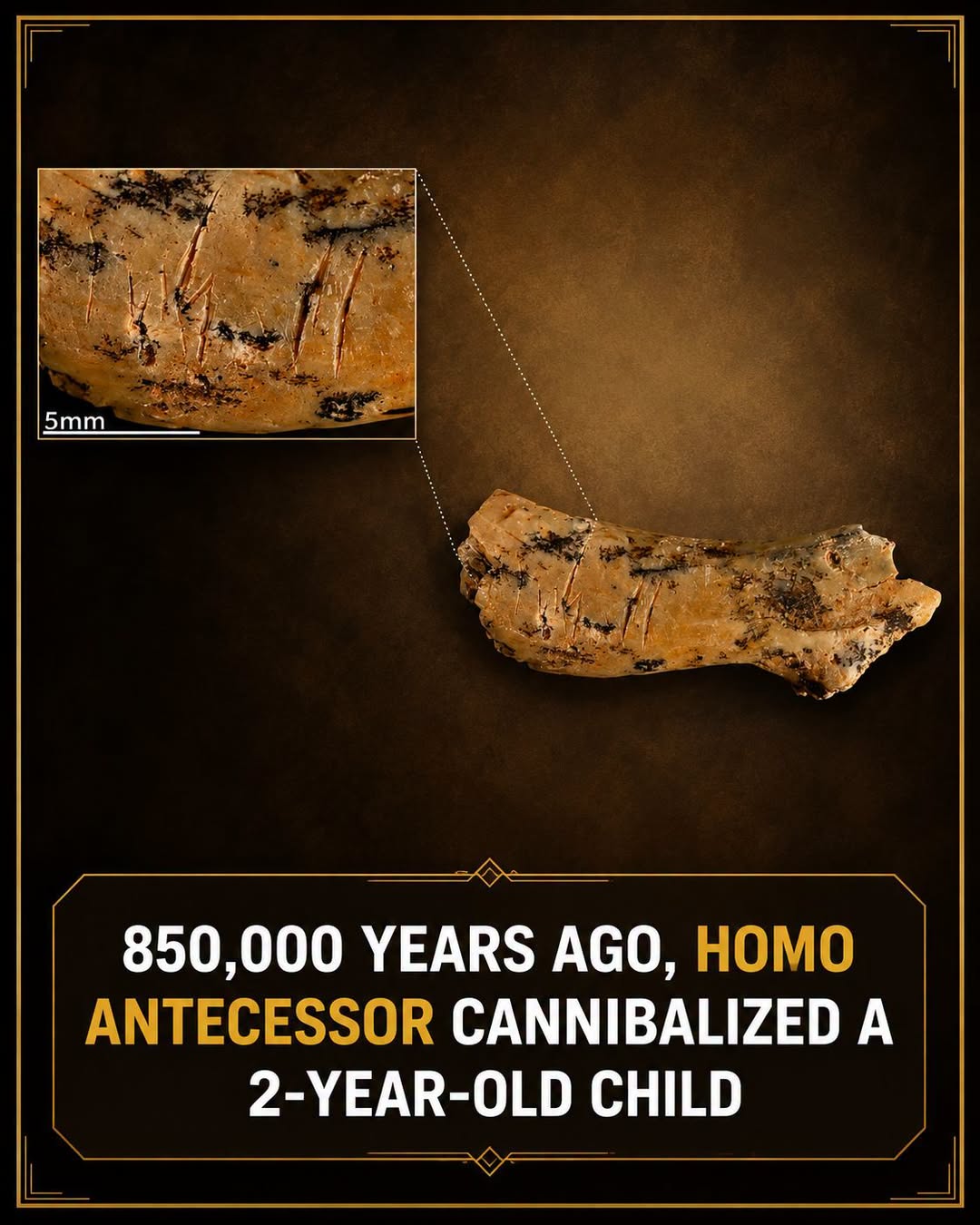
    Deep in the Atapuerca Mountains of Spain, a chilling discovery is rewriting what we know about early human survival. Excavations at the Gran Dolina cave have uncovered the remains of at least ten individuals belonging to the species Homo antecessor—a mysterious and now-extinct hominin that lived between 850,000 and 780,000 years ago. Among the bones was that of a young child, just two to five years old, bearing precise cut marks that point to a haunting reality: systematic cannibalism.

    Led by archaeologist Palmira Saladié, researchers analysed the remains and found compelling evidence of repeated butchery practices. Thirty percent of the human bones at the site show clear signs of defleshing, deliberate bone fracturing for marrow extraction, and even human bite marks. The surgical precision of the cuts, especially around the child’s skull and jaw, mirrors techniques used to butcher animal prey. This was no isolated act of desperation. It was a recurring survival strategy.

    The findings suggest that early human groups at Gran Dolina processed both children and adults, not only for sustenance but possibly as acts of ritualistic violence or territorial dominance. Whether driven by starvation, warfare, or cultural customs, the behaviour reveals a complex and brutal social structure far removed from our modern moral framework.

    Homo antecessor is known only from this region and is believed to be either a direct ancestor of modern humans or a close relative of Homo heidelbergensis. Their story remains incomplete, but these bones provide rare insight into how ancient humans balanced cooperation with extreme survival tactics.

    The Gran Dolina site remains one of the most important paleoanthropological digs in the world, offering unparalleled glimpses into how early humans adapted to scarcity, danger, and competition in a harsh and unforgiving world.

    Fun Fact: The name Homo antecessor means “pioneer man” because this species is among the earliest known humans to inhabit Europe.

    #MockingMerriment

    #Archaeology #PrehistoricLife #FossilDiscovery

    #Cannibalism #HomoAntecessor #Paleontology #GranDolina #HumanEvolution #AncientHumans

  • MockingMerriment1784668718

    MockingMerriment1784668718

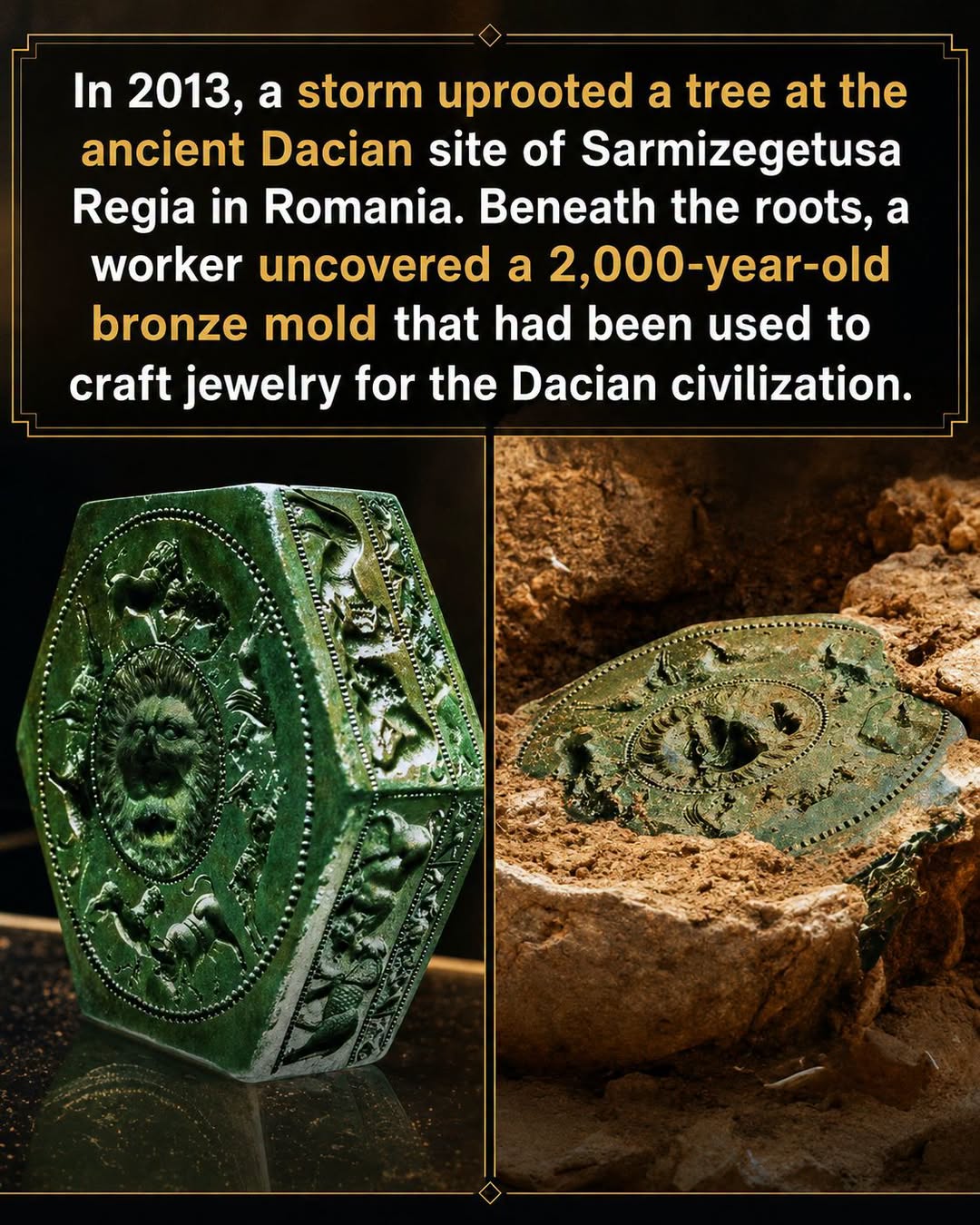
    What if a storm uprooting a tree could unveil a 2,000‑year‑old treasure from an ancient kingdom? In 2013, a violent storm struck the sacred grounds of Sarmizegetusa Regia, the heart of the Dacian kingdom perched high in the Transylvanian mountains. When a mature tree was uprooted, it revealed something extraordinary beneath the roots—a bronze matrix, a jewelry mold crafted by ancient Dacian artisans more than two millennia ago.

    This unique hexagonal artifact weighs about eight kilograms and measures approximately five centimetres thick. Each of its eight sides is intricately engraved with animals, both real—such as lions, tigers, rhinoceros, hippos, wolves, boars, and deer—and mythological creatures like griffins unique to the North Pontic and Mediterranean world. These detailed panels reveal a rich visual vocabulary that speaks to Dacian elites’ tastes in symbolism and prestige.

    Experts believe this matrix was used in elite metalworking workshops, pressed and cast in precious metals to produce ornate decorative pieces. It stands as the only artifact of its kind discovered in Dacia, highlighting the sophistication and international connectivity of this ancient civilization. Because of its rarity and importance, the Museum of Dacian and Roman Civilization in Deva houses it in a specially secured room, where lighting and presentation allow visitors to admire each facet in full detail.

    Its discovery under a fallen tree reminds us how archaeology sometimes hinges on nature’s whims. This matrix offers a tangible link to the artistic practices of Dacian elites in the troubled era before Roman conquest. Sarmizegetusa Regia itself was the Dacian capital until the second century AD, a strategic religious and political centre nestled atop 1,200 metres of mountain terrain, now a UNESCO World Heritage Site and source of many artifacts, including this mold.

    Fun Fact: Even though the matrix is carved with exotic beasts like hippopotamus and rhinoceros, these animals never lived in Dacia—they were likely known only through trade, myth, or stories from amphitheater spectacles. Their presence on the mold hints at a worldview that blended imagination with real and exotic prestige.

    #MockingMerriment

    #DacianArtifacts #PrehistoricLife #SarmizegetusaRegia #AncientCraftsmanship #Archaeology #DacianKingdom #HumanHistory #FossilDiscovery #AncientHistory

  • MockingMerriment1784669010

    MockingMerriment1784669010

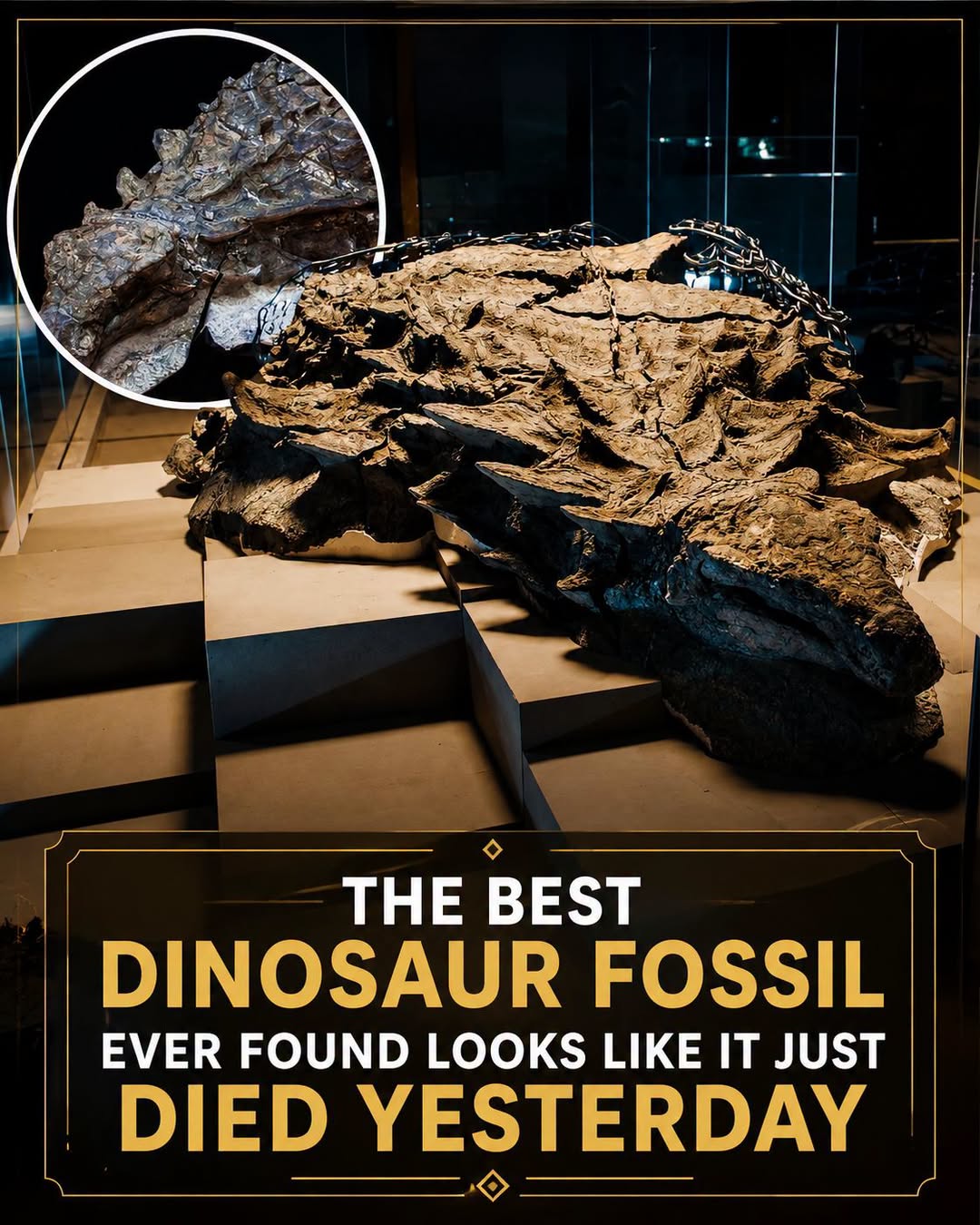
    In 2011, miners working in Alberta, Canada, stumbled upon one of the most astonishing fossil discoveries ever made. What they uncovered wasn’t just bones. It was a 110-million-year-old nodosaur, preserved so perfectly that scientists could see the texture of its scaly skin, the armour on its back, and even the pattern on the sole of its foot.

    This remarkable creature, now displayed at the Royal Tyrrell Museum, weighed about 2,500 pounds and stretched over 18 feet long. Unlike its ankylosaur cousins, the nodosaur didn’t have a tail club. Instead, it was built like a natural tank, protected by thick plate armour and powerful shoulder spikes that likely deterred even the fiercest predators of its time.

    What makes this nodosaur truly unique is how it was preserved. Scientists believe it died in or near a river and was swept out to sea, where it quickly sank and was buried under layers of sediment. This rapid undersea burial protected the body from scavengers and decay, fossilising not just the bones, but the soft tissue and even cellular structures. The result is so life-like that it feels as if the creature could rise and walk at any moment.

    Palaeontologists refer to this fossil as the “Rosetta Stone of armoured dinosaurs,” because of the incredible detail it reveals about the anatomy and biology of these prehistoric creatures. It’s helping scientists understand how these animals looked, moved, and survived during the Early Cretaceous period.

    Fun Fact: This nodosaur’s fossilised skin still shows preserved pigment patterns, giving scientists rare clues about its potential colouration in life.

    #MockingMerriment

    #FossilDiscovery #FossilFinds

    #Nodosaur #PrehistoricLife #RoyalTyrrellMuseum #ArmouredDinosaurs #CretaceousPeriod #Paleontology #Dinosaurs