Author: Kai18

  • MockingMerriment1784265779

    MockingMerriment1784265779

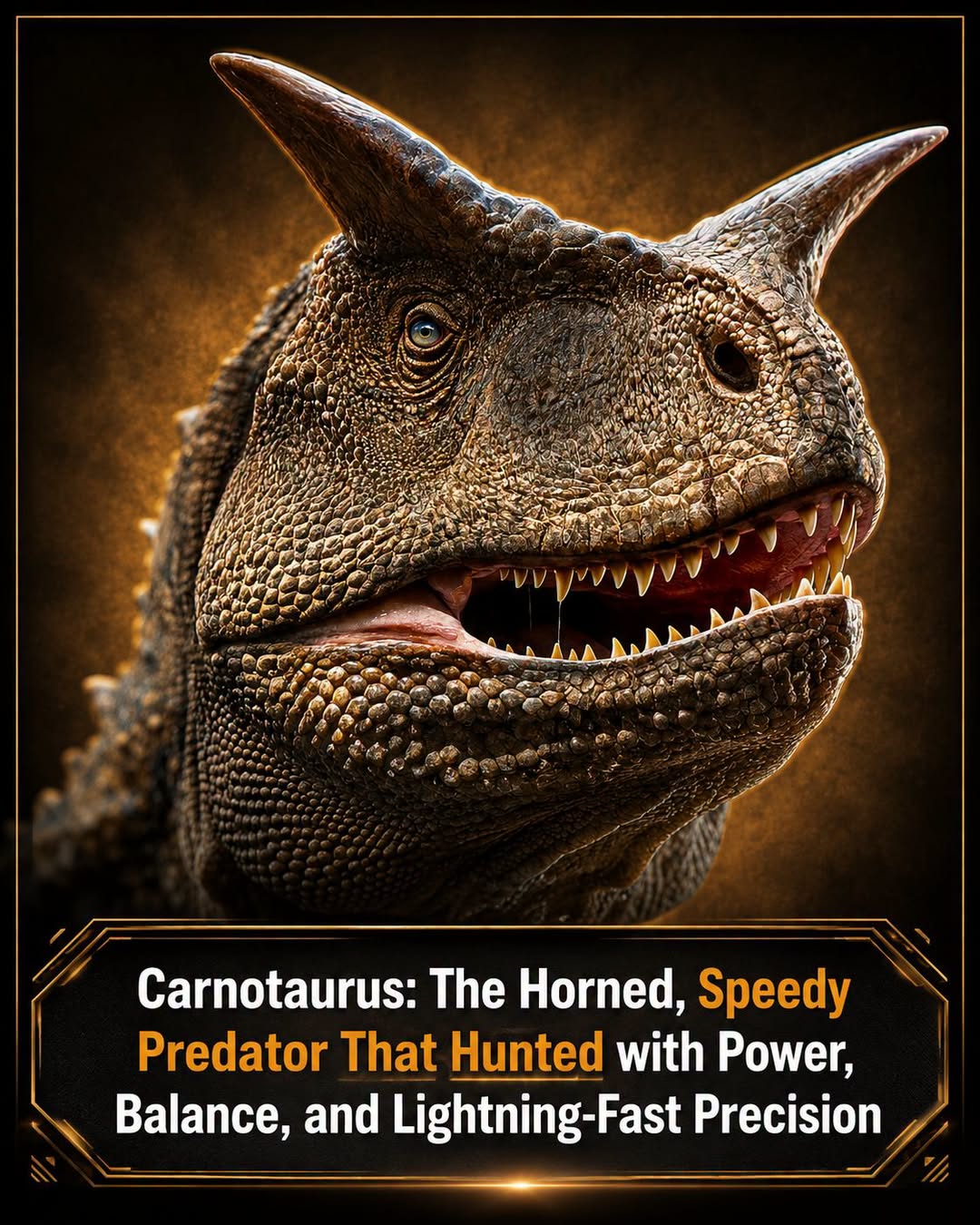
    A sleek shadow streaked across Late Cretaceous Patagonia, its head crowned with thick, forward‑pointing horns and its body built for speed. Meet Carnotaurus sastrei, one of the strangest and swiftest carnivorous dinosaurs ever discovered. Stretching 7.5–9 metres from snout to tail and tipping the scales at up to 2.5 tonnes, this “meat‑eating bull” combined raw power with surprising agility, dominating the open floodplains of South America roughly 70 million years ago.

    Carnotaurus stood out even among fellow theropods. Its skull was short yet deep, packed with sharp, recurved teeth ideal for gripping struggling prey. The creature’s namesake horns, made of solid bone, were likely used in ritual combat or visual displays, helping individuals compete for territory or mates. In stark contrast, its arms were so reduced that they were practically vestigial, each limb shorter than a human forearm and lacking functional claws. Instead of grappling with forelimbs, Carnotaurus relied on stout neck muscles and an exceptionally stiff, muscular tail, which worked together to generate explosive bursts of speed. Biomechanical studies suggest it could exceed 48 kilometres per hour, making it one of the fastest large theropods known.

    Fossils unearthed in 1984 by Argentine palaeontologist José Bonaparte show patches of pebbly skin impressions, revealing a coat of tight, non‑overlapping scales. No feathers have been found, hinting that Carnotaurus retained a reptilian hide rather than the plumage seen in many cousins. Such exceptional preservation also lets scientists model how this dinosaur balanced its massive head while sprinting, an engineering feat still inspiring biomechanical research today.

    Fun Fact: CT scans of the Carnotaurus skull reveal unusually large inner‑ear canals, suggesting an excellent sense of balance that helped stabilise its vision during high‑speed chases.

    #MockingMerriment
    #Carnotaurus #Cretaceous #DinosaurFacts #Paleontology #Theropods #PrehistoricLife #Dinosaurs
  • MockingMerriment1784257428

    MockingMerriment1784257428

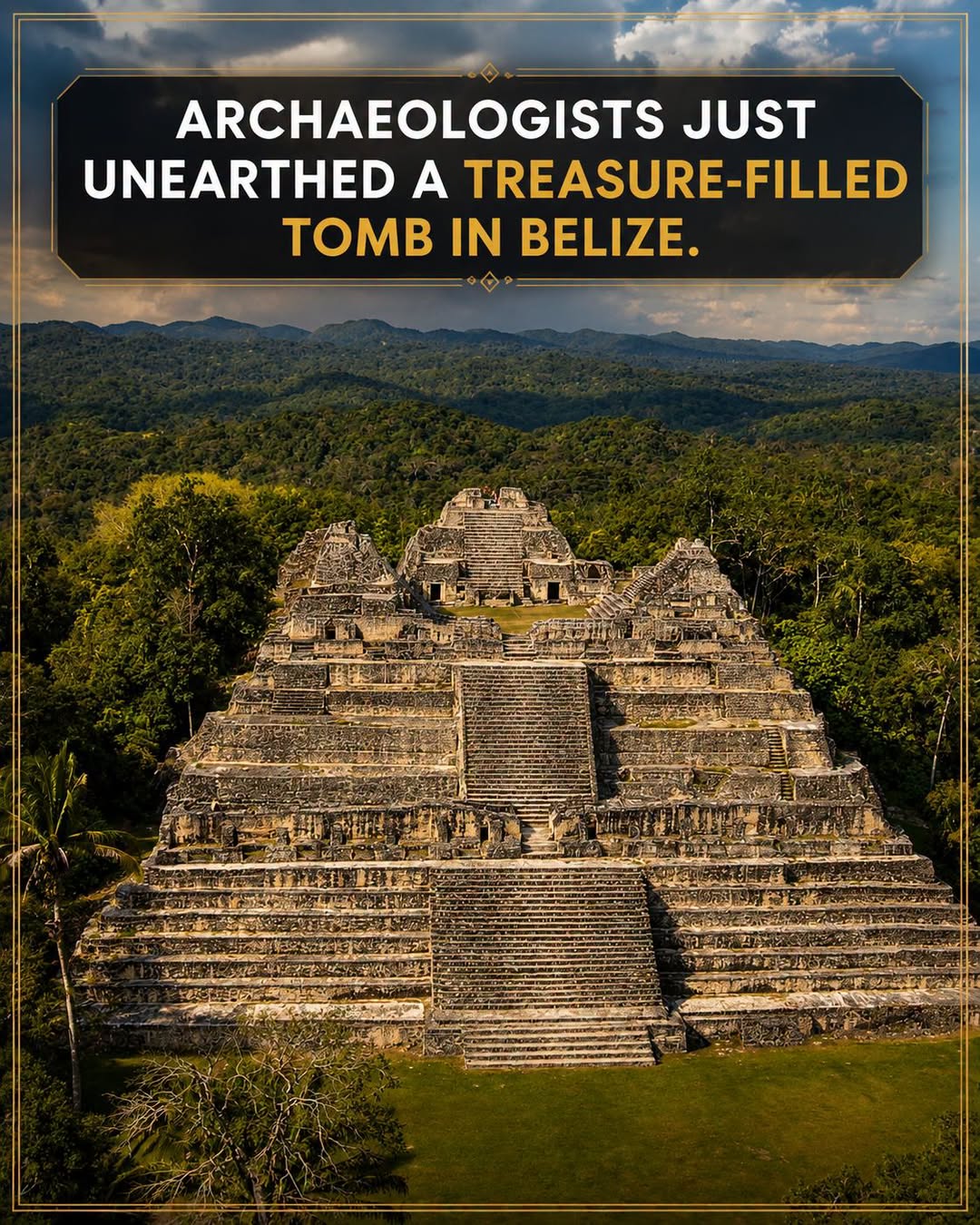
    Deep in the lush forests of Belize, the ancient city of Caracol once stood as one of the most powerful Maya capitals, flourishing over 1,500 years ago. With its massive pyramids, carved stone monuments, sacred ball courts, and sprawling residential areas, Caracol has revealed countless secrets since its rediscovery in the mid-20th century. But now, researchers have made a stunning breakthrough. For the first time ever, a royal tomb has been found within the ruins of this legendary city.

    The tomb was uncovered beneath a structure in the city’s central acropolis, a complex known to house elite residences and ceremonial buildings. Hidden for centuries beneath layers of stone and jungle growth, the tomb contained the remains of a high-ranking individual, likely a king or royal figure, buried with a rich collection of offerings. Ceramics, jade ornaments, and carved bones were discovered alongside the body, indicating the person’s elevated status and the spiritual significance of the burial.

    Experts believe this tomb may belong to one of Caracol’s early rulers, possibly dating back to the 5th or 6th century CE. This period marked the rise of Caracol as a dominant force in the Maya lowlands, engaged in alliances, warfare, and monumental construction. The location of the tomb within the heart of the city suggests it was part of a broader political and ceremonial plan, connecting death, divinity, and kingship.

    This discovery offers new insight into Maya burial practices, royal lineage, and the political complexity of Caracol during its peak. It adds another layer to our understanding of how ancient Maya cities were structured and how their leaders sought to preserve power even in death.

    Fun Fact: Caracol once defeated the mighty city of Tikal—one of the largest Maya cities—in a major battle around 562 CE, marking a high point in its history.

    #MockingMerriment

    #MayaHistory

    #AncientMaya #Belize #Caracol #RoyalTomb #Archaeology #MayaTomb #HumanHistory #AncientCivilizations

  • MockingMerriment1784251979

    MockingMerriment1784251979

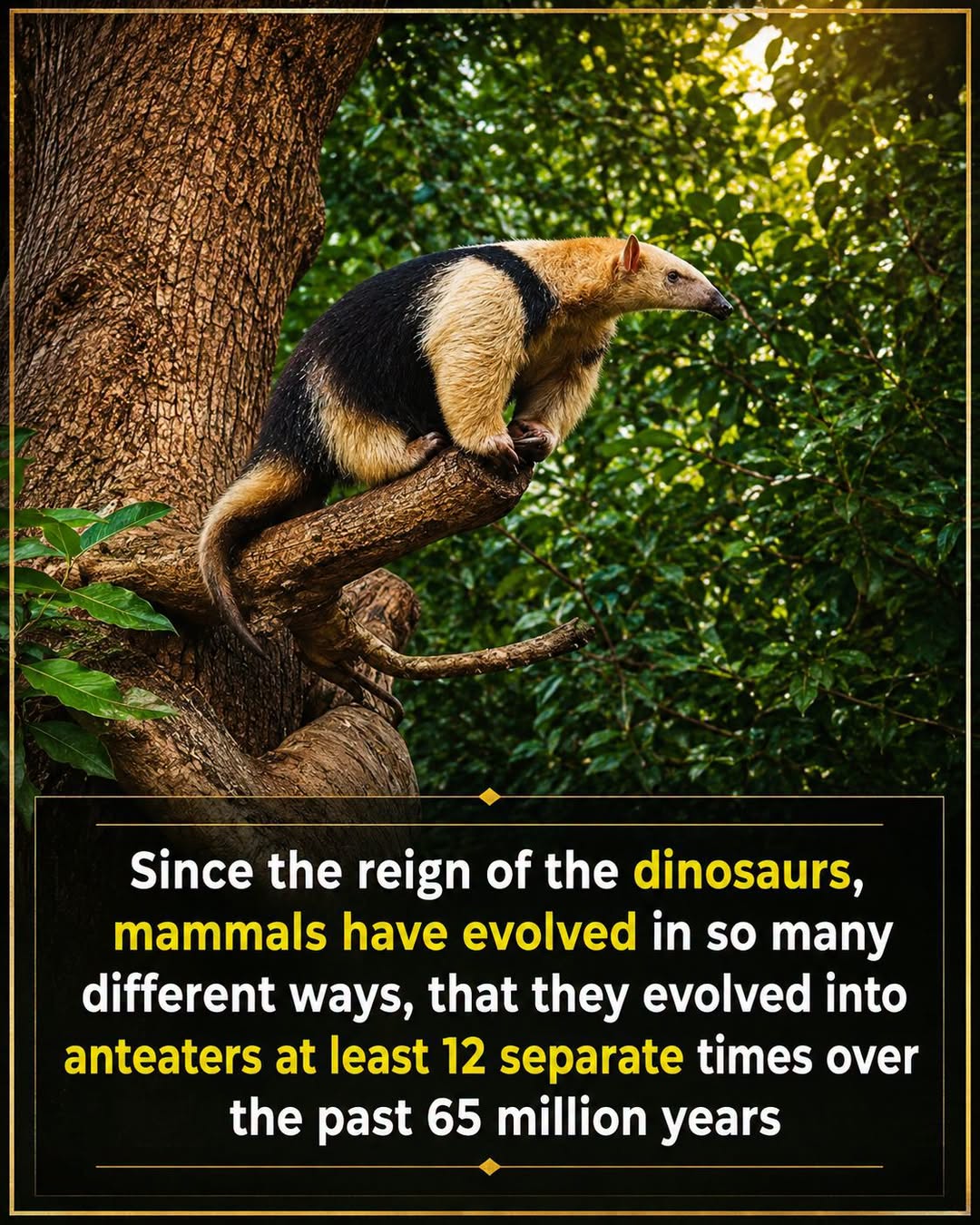
    For some mammals, survival meant becoming insect specialists in a world crawling with opportunity. Over the last 65 million years, at least a dozen different mammal species have independently evolved a highly specialised diet focused almost entirely on ants and termites. This evolutionary path, known as myrmecophagy, didn’t happen once. It happened again and again, across separate lineages that developed remarkably similar traits to exploit the same food source.

    After the extinction of the dinosaurs, ants and termites exploded in number and spread across nearly every ecosystem. For mammals able to crack the code, these insects became a reliable, widespread meal. Evolution responded with powerful claws for digging into nests, narrow snouts, and incredibly long, sticky tongues perfect for sweeping up thousands of tiny prey. From anteaters in South America to pangolins in Africa and Asia, and aardvarks in Africa, nature kept reinventing the same basic blueprint.

    Although over 200 mammal species include ants or termites in their diet, only about 20 are true specialists—relying almost entirely on these insects. These mammals are some of the most extreme examples of evolutionary adaptation. Their low-calorie prey means they need to eat constantly, often consuming tens of thousands of ants or termites per day. Once a species commits to this specialised diet, the evolutionary trade-off usually makes it difficult to revert to more general feeding strategies. In fact, most myrmecophagous lineages tend to remain narrow and undiversified over time.

    Yet the gamble may be paying off. Today, ants and termites outweigh all wild mammals on Earth combined. As climate change reshapes ecosystems, these insectivores may find new advantages in their specialised niche, thriving where other species struggle.

    Fun Fact: Pangolins have no teeth and rely entirely on their muscular stomachs to grind up ants and termites, using swallowed stones and keratinous spines lining their stomach wall.

    #MockingMerriment #Evolution #WildlifeBiology

    #Adaptation #Myrmecophagy #PrehistoricLife #Paleontology #NaturalHistory #Insectivores #Mammals

  • MockingMerriment1784250175

    MockingMerriment1784250175

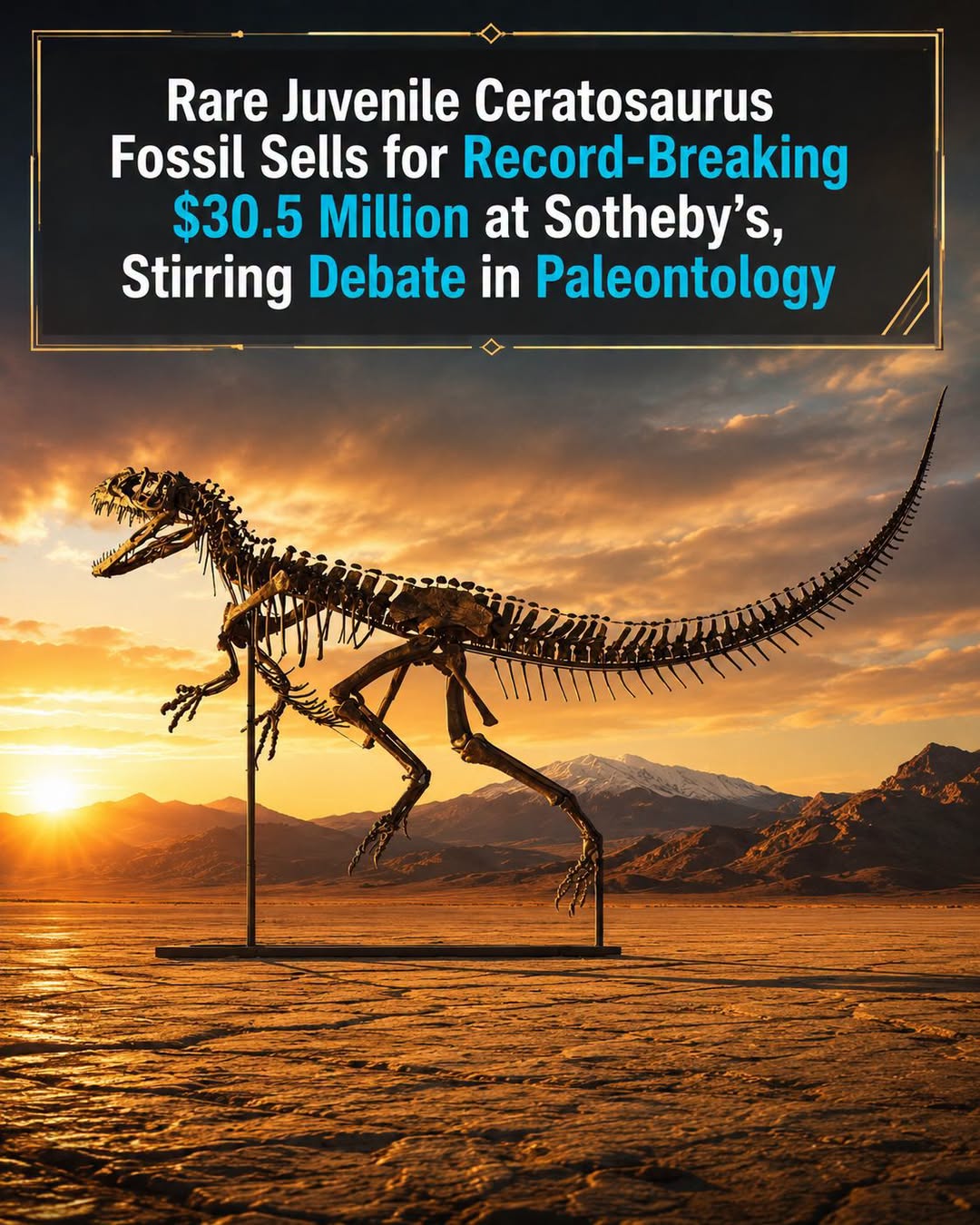
    A stunning piece of prehistoric history just made headlines. A rare young Ceratosaurus fossil has been sold at a Sotheby’s auction for a staggering $30.5 million, making it the third-most expensive dinosaur skeleton ever sold. This sale has not only captivated fossil collectors and palaeontology enthusiasts but also reignited an ongoing debate about private fossil ownership and accessibility to scientific research.

    Ceratosaurus, which means “horned lizard,” lived during the Late Jurassic period around 150 million years ago. Known for its distinctive nasal horn and blade-like teeth, this predator was once a fearsome hunter of the ancient world. Juvenile fossils of Ceratosaurus are extremely rare, as most skeletons discovered are of adults. The specimen sold at Sotheby’s stands out not only for its age but for its exceptional preservation and near-complete structure, making it a truly unique find in the world of palaeontology.

    While private fossil sales are legal in many parts of the world, scientists have expressed concern over the growing trend of high-profile auctions. Fossils like this juvenile Ceratosaurus can provide invaluable data about dinosaur growth, development, and ecosystems. When such specimens end up in private collections, they are often no longer accessible for academic study.

    Still, the market for dinosaur fossils continues to thrive, with wealthy buyers eager to own a piece of Earth’s distant past. This sale places the young Ceratosaurus just behind two other record-holding fossils: Stan the Tyrannosaurus rex, which sold for $31.8 million, and Sue, the famous T. rex now housed at the Field Museum in Chicago. Whether this specimen will end up on public display or hidden away remains to be seen.

    Fun Fact: Ceratosaurus had a combination of features found in both earlier and later theropods, making it a key dinosaur in understanding evolutionary transitions.

    #MockingMerriment

    #JurassicPeriod #Dinosaurs #PrehistoricLife #Ceratosaurus #DinosaurFossil #FossilDiscovery #Evolution #FossilAuction #Paleontology

  • MockingMerriment1784244827

    MockingMerriment1784244827

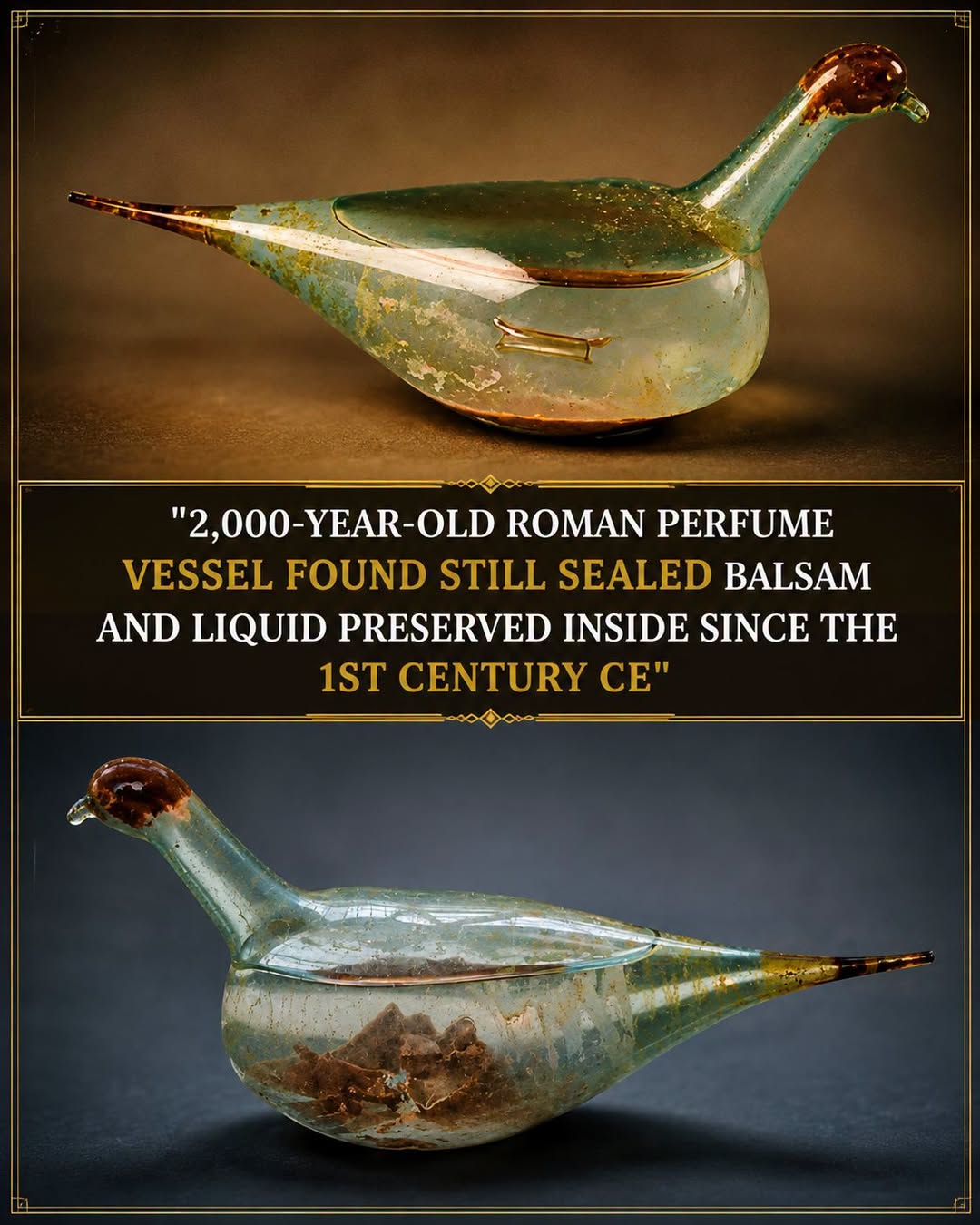
    A rare and exquisite artifact from the Roman Empire has captured the attention of archaeologists and historians alike. This sealed glass vessel, dating to the second half of the 1st century CE, showcases the remarkable skill and innovation of Roman glassmakers at the height of their craft. What sets it apart is not only its delicate bird-shaped design but the astonishing fact that it has remained completely sealed since the day it was created nearly two thousand years ago.

    Crafted during a period when Roman artisans had mastered complex glassblowing techniques, the vessel was likely used to store precious balsam or aromatic resins suspended in liquid. These substances were highly valued in Roman society for their use in medicine, rituals, and perfumery. The bird-shaped container would have been filled through an opening at the tail or beak, then carefully reheated and sealed shut to preserve its contents.

    What makes this artifact scientifically and historically significant is that the seal has never been broken. Unlike similar vessels, where the contents have long since evaporated or been tampered with, this piece still holds its original liquid and balsam residue. Researchers now have a rare opportunity to study the preserved organic compounds and potentially reconstruct ancient Roman fragrances or medicinal formulas exactly as they were used nearly two millennia ago.

    Beyond its scientific value, the vessel also speaks to the artistic sensibilities of Roman culture. Its avian form is both functional and symbolic, possibly representing purity, healing, or luxury. The intact nature of the container transforms it from a simple artifact into a near-pristine time capsule from the ancient world.

    Fun Fact: Roman glassmakers were among the first to develop glassblowing techniques, and their innovations laid the foundation for modern glass production methods.

    #MockingMerriment

    #Glassblowing #HumanHistory #RomanGlass #CulturalHeritage #FossilDiscovery #AncientArtifacts #AncientTechnology #Archaeology #RomanHistory

  • MockingMerriment1784243023

    MockingMerriment1784243023

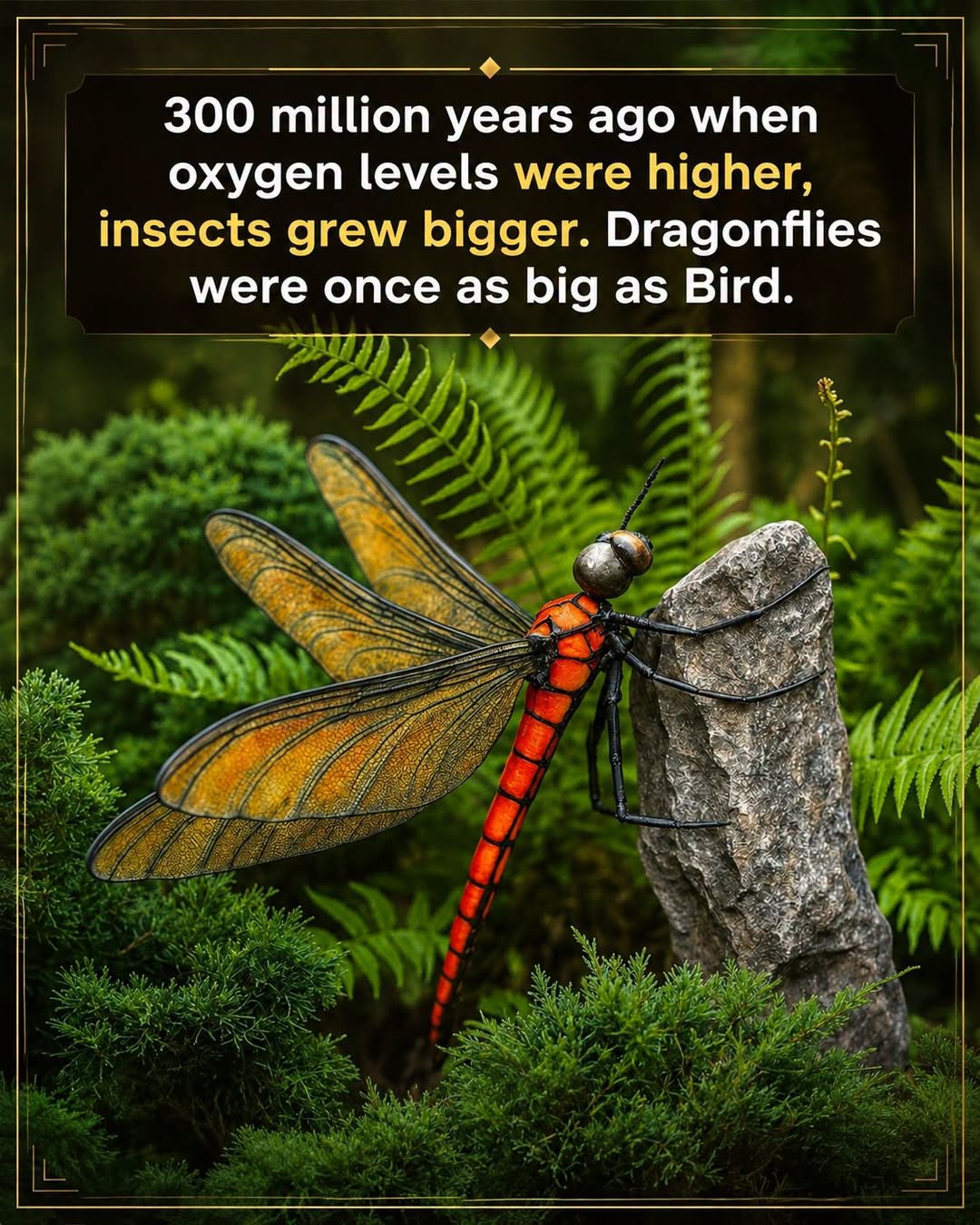
    Three hundred million years ago, the skies were ruled by giants with wings. In an ancient world bursting with oxygen, insects grew to astonishing sizes, and one of the most legendary among them was Meganeura. This dragonfly-like predator soared through prehistoric forests with wingspans stretching over two feet, rivaling the size of modern birds.

    The Carboniferous period was a time of thick, swampy forests and towering ferns. Oxygen levels in Earth’s atmosphere reached up to 35 percent, compared to today’s 21 percent. This rich oxygen environment allowed arthropods to evolve far beyond their current limits. Meganeura, with its enormous wings and agile flight, was one of the dominant aerial hunters of its time. It preyed on smaller insects and possibly even small amphibians, using its speed and sharp mandibles to maintain control over the skies.

    But Meganeura was not alone. Millipedes the size of alligators and centipedes as long as a child also thrived in this oxygen-rich world. These massive forms of life were the direct result of environmental conditions that no longer exist. As oxygen levels declined over millions of years, so too did the size of these creatures. Eventually, insects returned to the smaller forms we recognise today.

    Understanding creatures like Meganeura helps scientists learn more about the connection between atmospheric conditions and animal evolution. It also shows how Earth’s ever-changing climate can shape life in ways that seem unbelievable today.

    Fun Fact: Meganeura lived around 100 million years before the first dinosaurs ever appeared. These insects were the original rulers of the skies.

    #MockingMerriment #AncientInsects #Meganeura #GiantInsects #Evolution #EarthHistory #PrehistoricLife #FossilDiscovery #Paleontology #CarboniferousPeriod

  • MockingMerriment1784236676

    MockingMerriment1784236676

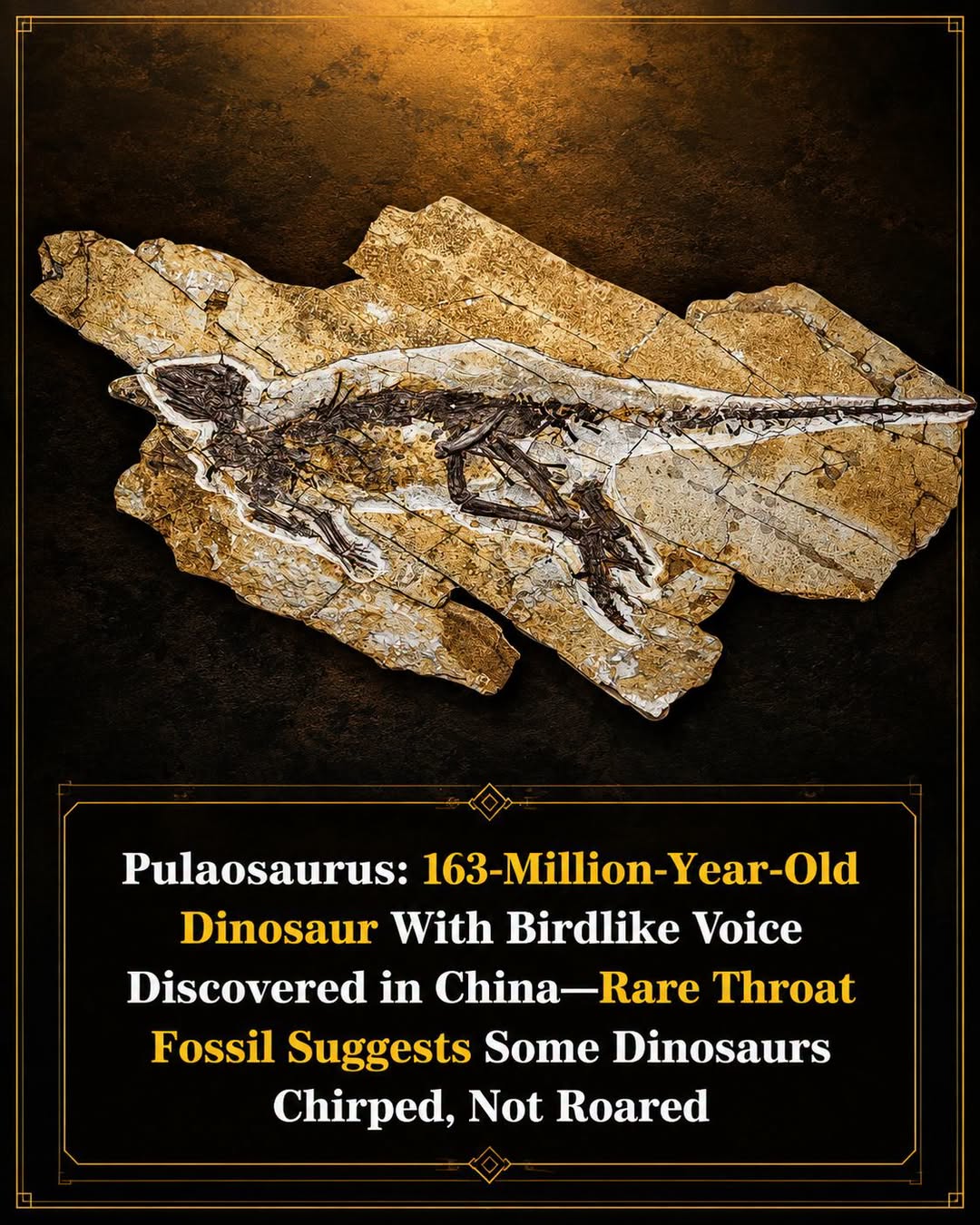
    Scientists in China have discovered a new species of tiny dinosaur, named Pulaosaurus qinglongin, that lived 163 million years ago—and may have sounded more like a bird than a beast. Unearthed from the Tiaojishan Formation in Hebei Province, this 28-inch-long herbivore is an extraordinary find. Why? Because it’s only the second dinosaur ever discovered with preserved throat bones—specifically, ossified laryngeal elements, a structure associated with vocalization.

    That’s a huge deal. Most soft tissue, like the voice box and throat, rarely fossilizes. But in this case, the fossil was so complete and well-preserved that paleontologists could examine its vocal anatomy. The evidence suggests Pulaosaurus may have produced birdlike chirps or tweets—not thunderous roars. The find pushes back the origins of avian-style vocalization millions of years earlier than expected—and in a species not even related to birds.

    The only other known dinosaur with similar vocal structures? An armored ankylosaur named Pinacosaurus. That makes this chirping duo a rarity in the fossil record and a game-changer for how we imagine ancient dinosaur soundscapes.

    Named after the mythical Chinese dragon Pulao, said to make loud cries, Pulaosaurus has now become the voice of a new theory: that vocal communication in dinosaurs may have been much more diverse and subtle than we ever thought.

    Fun Fact: The fossil’s tiny throat bones were so delicate, it’s a scientific miracle they survived at all—yet they now give voice to a creature silent for over 160 million years.

    #MockingMerriment #VocalDinosaurs #FossilDiscovery #DinosaurDiscovery #Paleontology #JurassicPeriod #Pulaosaurus #PrehistoricLife #ChinaFossils #DinosaurSounds

  • MockingMerriment1784236943

    MockingMerriment1784236943

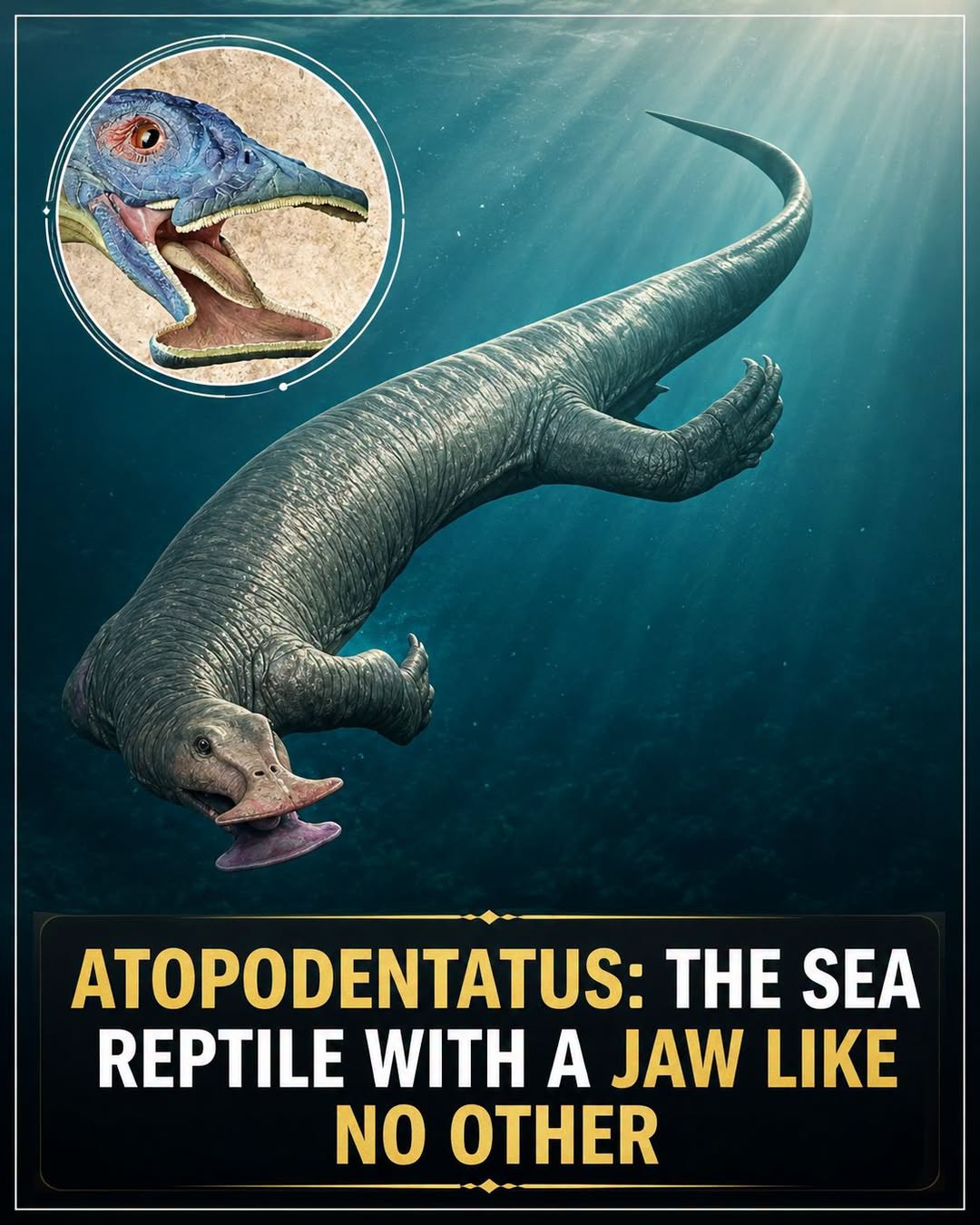
    If you think dinosaurs were the strangest creatures to ever roam the Earth, wait until you meet Atopodentatus unicus. This ancient marine reptile, which lived 245 million years ago during the Middle Triassic period, looked like something straight out of science fiction. With a head shaped like a hedge trimmer and a jaw that functioned like a vacuum cleaner, it redefined what it meant to be bizarre in the prehistoric world.

    Unlike most reptiles, Atopodentatus was a herbivore that fed on algae. Its unique jaw was shaped like an upside-down “T,” giving it a “zipper mouth” appearance. This jaw allowed it to scrape algae from rocks underwater, using suction to pull in food. Scientists originally believed it had a flamingo-like beak, but later reconstruction of the fossil revealed something even more unusual.

    Its name, Atopodentatus unicus, translates to “unique strange-tooth,” and no other known animal in the fossil record has a skull quite like it. Neither dinosaur, fish, nor lizard, this creature was in a league of its own. It belonged to a group of marine reptiles known as sauropterygians, which included other aquatic specialists, but none had evolved this strange method of feeding.

    Fossils were first discovered in China, and it wasn’t until a more complete specimen was found that the full picture of its anatomy came into focus. Its feeding mechanism and facial structure remain one of the most curious adaptations in prehistoric history.

    Fun Fact: The original fossil reconstruction of Atopodentatus was so confusing that scientists thought it had a beak—until a second fossil showed the jaw actually bent outward like a sideways T.

    #MockingMerriment
    #PrehistoricLife #MarineReptiles #BizarreAnimals #TriassicPeriod #Paleontology #AncientCreatures #Atopodentatus #Evolution #FossilDiscovery

  • MockingMerriment1784231027

    MockingMerriment1784231027

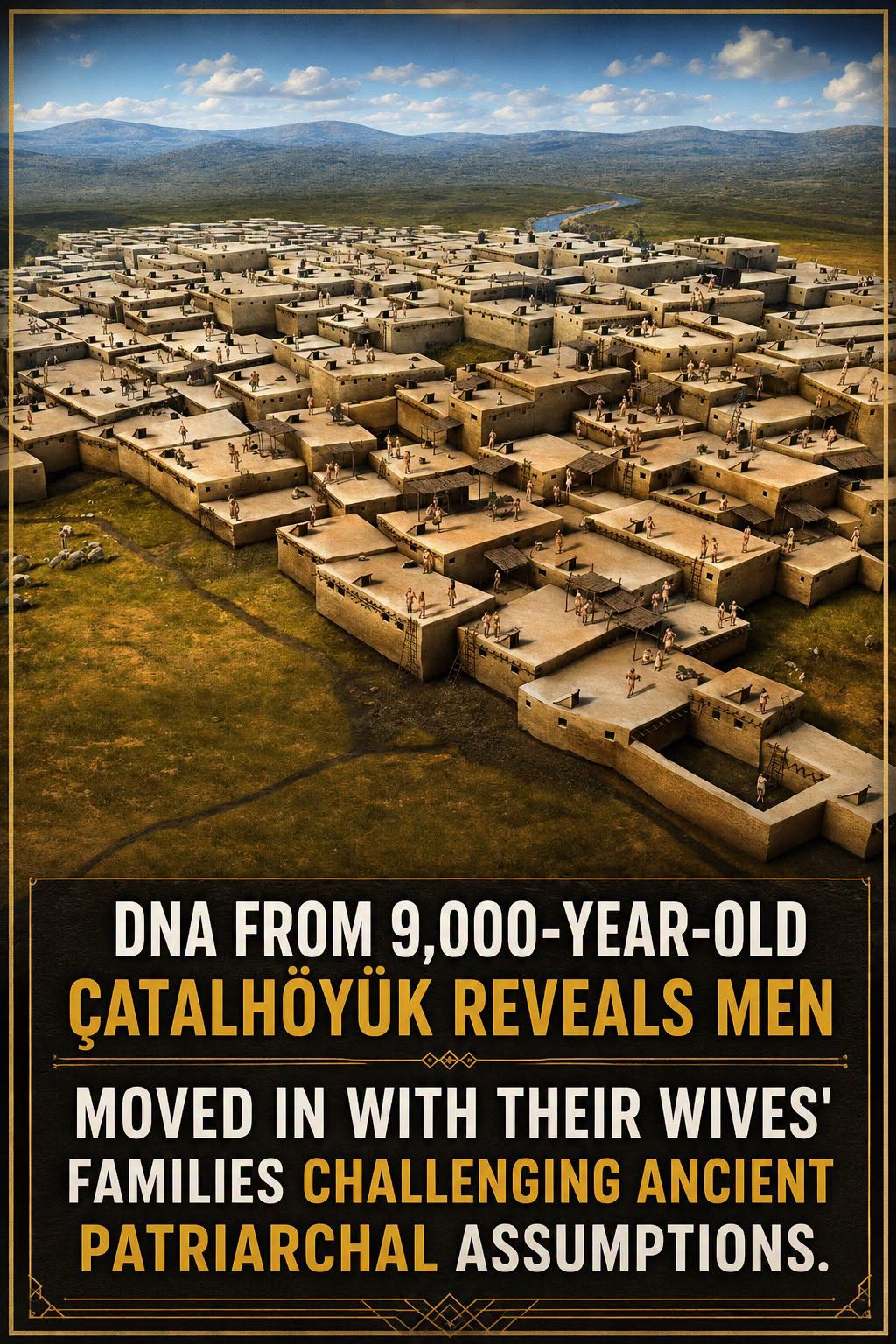
    A DNA breakthrough has just turned our understanding of ancient family life on its head. At the vast Neolithic site of Çatalhöyük in southern Türkiye, scientists have discovered that women held the key to household power in ways few ever expected.

    Buried beneath the compact mudbrick homes of this 9,000-year-old city were more than 130 individuals. Using advanced DNA analysis, researchers found something startling: the women buried within the same houses were closely related by blood, but the men were not. This suggests a matrilocal tradition, where men moved into their wives’ homes after marriage. Such a system is extremely rare for early farming societies and challenges the long-standing idea that patriarchal structures dominated early urban life.

    Çatalhöyük was not a simple village. It was one of the world’s earliest and largest settlements, housing thousands of people in a densely built maze of homes with no streets. People moved from house to house across rooftops. But within these homes, it appears the women held the lineage, the stability, and likely the influence.

    This matrilocal setup indicates that women may have had stronger social and economic ties within the community. It also raises questions about how inheritance, property rights, and even leadership roles were shared in these early farming societies. The idea that early urban development may have included significant female influence reshapes how we view social dynamics in prehistory.

    This discovery was only made possible thanks to modern DNA technology, proving that ancient bones still carry untold stories. Every new genome mapped helps to unlock forgotten chapters of our collective past.

    Fun Fact: Despite its size and complexity, Çatalhöyük had no public buildings or palaces. Instead, every home functioned as both living space and ceremonial centre, often containing buried ancestors under the floor. This reinforces the powerful idea that daily life and spiritual belief were deeply intertwined in this female-rooted society.

    #MockingMerriment #Neolithic #AncientDNA #PrehistoricLife #AncientCivilizations #Archaeology #FossilDiscovery #HumanHistory #MatrilocalSociety #Çatalhöyük

  • MockingMerriment1784221374

    MockingMerriment1784221374

    What if a single bone could rewrite everything we thought we knew about human evolution? In the heart of Siberia’s Denisova Cave, buried among thousands of tiny bone fragments, scientists discovered a relic that would shake up the story of our ancient past. It belonged to a young girl now known as “Denny”—who lived around 90,000 years ago. But she wasn’t just any ancient human. She was the first known hybrid of two entirely different human species: her mother was Neanderthal and her father was Denisovan.

    That one tiny fragment, no bigger than a thumb, revealed something never seen before. Her DNA was almost exactly split down the middle between Neanderthal and Denisovan, proving her parents came from two distinct human groups that had been evolving separately for hundreds of thousands of years. Her Denisovan father even carried older traces of Neanderthal DNA, suggesting these ancient groups had a history of mixing far more often than previously thought.

    What makes this even more remarkable is where it happened. Neanderthals mostly roamed Europe and western Asia, while Denisovans lived in the east. For them to meet—and for a child like Denny to be born—these groups had to travel, migrate, and cross landscapes filled with challenges we can only imagine. It also hints at complex relationships and repeated contact between different early humans, long before the rise of Homo sapiens.

    Denny’s story challenges the old idea that ancient humans lived in separate worlds. Instead, it shows a connected web of interactions, migrations, and interbreeding that shaped the human journey in ways we’re still trying to understand.

    Fun Fact: Denny’s entire existence was uncovered from a single fragment of bone just 2 centimetres long. And yet, she may hold one of the biggest secrets in human evolutionary history.

    #MockingMerriment

    #HumanEvolution #DenisovaCave #Denisovan #Neanderthal #Genetics #Archaeology #Paleontology #AncientHumans #PrehistoricLife