Author: Kai18

  • MockingMerriment1784511411

    MockingMerriment1784511411

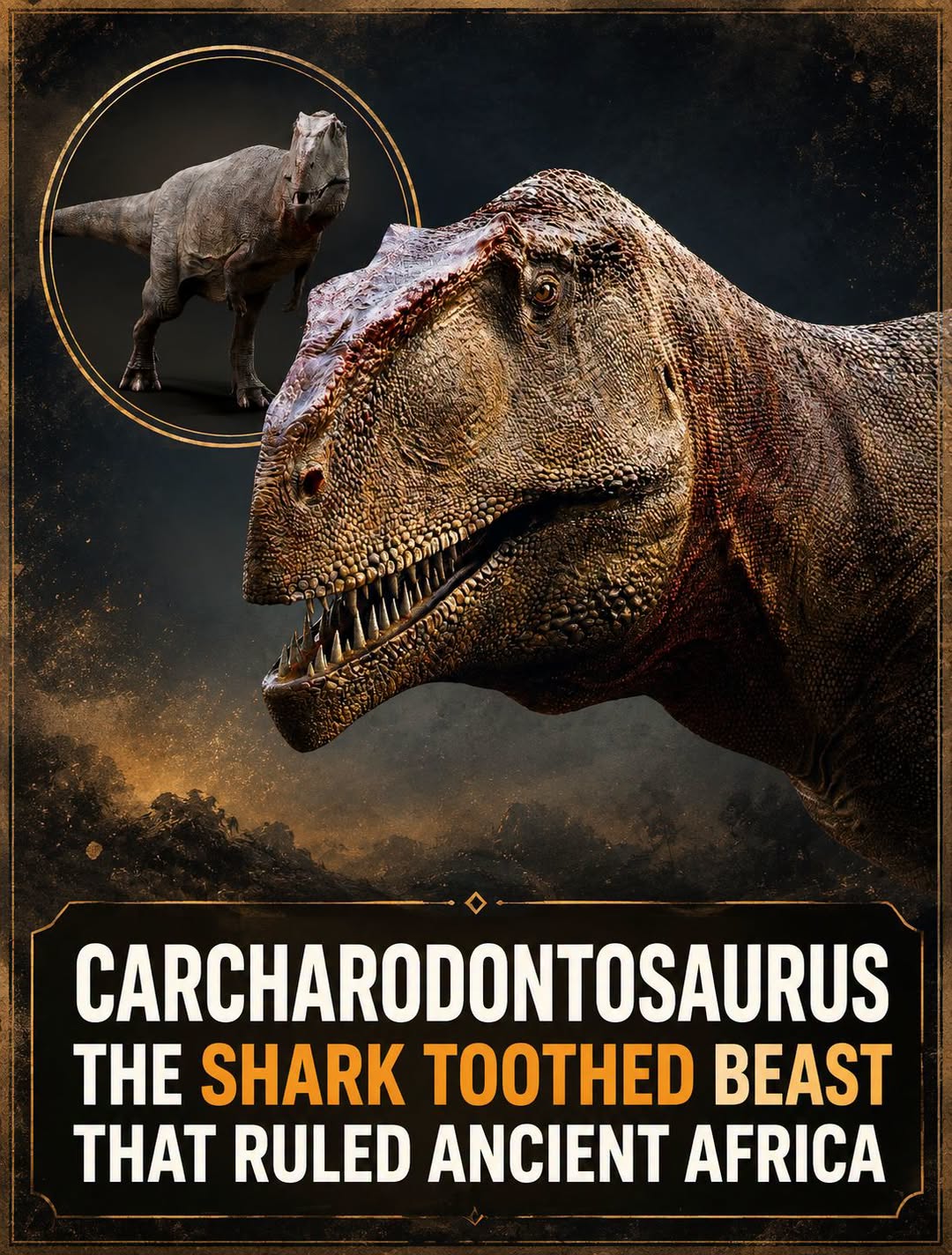
    Meet Carcharodontosaurus, one of the most fearsome predators to ever walk the Earth. Known as the “shark-toothed lizard,” this massive carnivorous theropod roamed Northwest Africa around 100 to 94 million years ago, during the Cenomanian age of the Cretaceous period. With serrated teeth similar to a great white shark and a skull nearly as long as a human adult, it was one of the largest land predators ever discovered.

    The story of Carcharodontosaurus begins with a mystery. In the early 20th century, two fossilised teeth were found in Algeria and initially identified as belonging to Megalosaurus saharicus by French paleontologists Charles Depéret and Justin Savornin. But it wasn’t until 1914, during an expedition to Egypt led by German paleontologist Ernst Stromer, that more fossil evidence came to light. Stromer waited until 1931 to publish his findings, and with that, the newly recognised genus Carcharodontosaurus was officially named, with C. saharicus as its type species.

    This apex predator was a true giant, likely reaching lengths of 12 to 13 metres and weighing several tons. Its powerful jaws were lined with blade-like teeth ideal for slicing through flesh—perfect for hunting large herbivorous dinosaurs like Ouranosaurus and Paralititan. Despite its size and strength, much of what we know comes from fragmentary remains, as many original fossils were tragically destroyed during World War II bombings in Munich. Still, modern discoveries have helped reconstruct this terrifying hunter’s appearance and behaviour.

    Carcharodontosaurus belonged to the Carcharodontosauridae family, a group of massive theropods related to Giganotosaurus and Mapusaurus, showing that colossal carnivores thrived well beyond North America.

    Fun Fact: Its teeth could grow up to 8 inches long, with fine serrations that gave them a slicing ability similar to modern shark teeth.

    #MockingMerriment
    #Paleontology #Theropods #PrehistoricLife #Cretaceous #DinosaurFacts #Carcharodontosaurus
  • MockingMerriment1784509418

    MockingMerriment1784509418

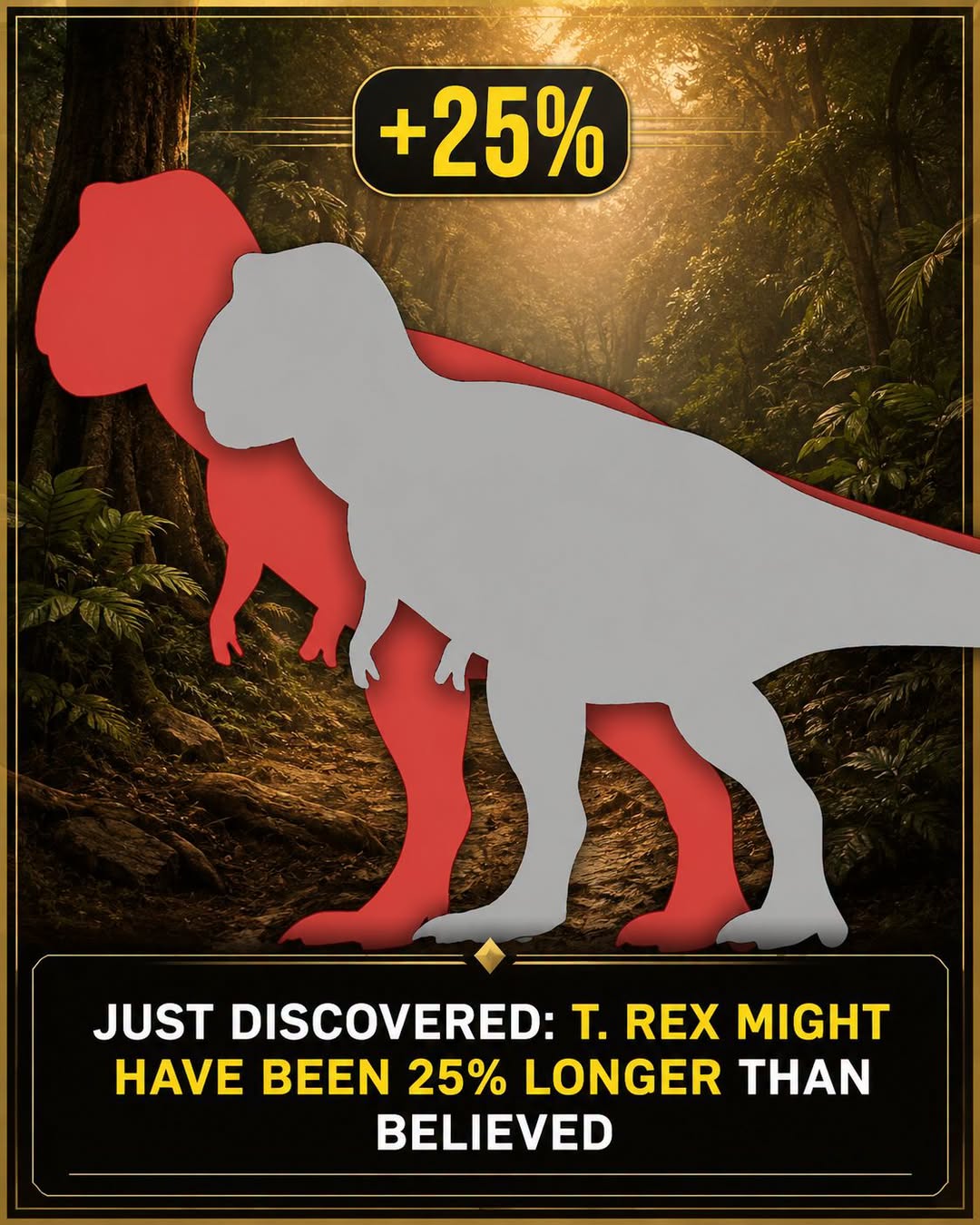
    What if the mighty Tyrannosaurus rex was even more terrifying than we thought? A new scientific study has just suggested that the king of the dinosaurs may have reached lengths of up to 15 metres and weighed as much as 15 tons—nearly 25 percent larger than the biggest known specimens we have in museums today.

    This exciting claim comes from a team of palaeontologists who analysed growth patterns and fossil gaps, proposing that our current T. rex fossils may not reflect the full size range of this iconic predator. Fossils only tell part of the story, and because we have a limited number of complete T. rex skeletons, the largest individuals might still be waiting to be discovered or may have eroded away long ago.

    Current reconstructions of T. rex are based on around 30 fairly complete skeletons, most of which belong to fully grown individuals measuring about 12 to 13 metres long and weighing around 10 tons. But this new analysis suggests those numbers may not represent the true upper limits. If these larger T. rex individuals existed, they would have been towering monsters, stretching the boundaries of what we thought was biologically possible for a land predator.

    This theory opens up many exciting questions. Could these massive individuals have been extremely rare or short-lived? Did they dominate their environments even more completely than we imagined? And how would they compare to other giant theropods like Spinosaurus or Giganotosaurus?

    Fun Fact: Despite its size, T. rex had one of the strongest bite forces of any land animal ever, capable of crushing bone with over 12,000 pounds of pressure.

    #MockingMerriment #FossilDiscovery #Dinosaurs #Theropods #PrehistoricLife #CretaceousPeriod #Paleontology #AncientPredators

    #DinosaurFacts #TyrannosaurusRex

  • MockingMerriment1784502173

    MockingMerriment1784502173

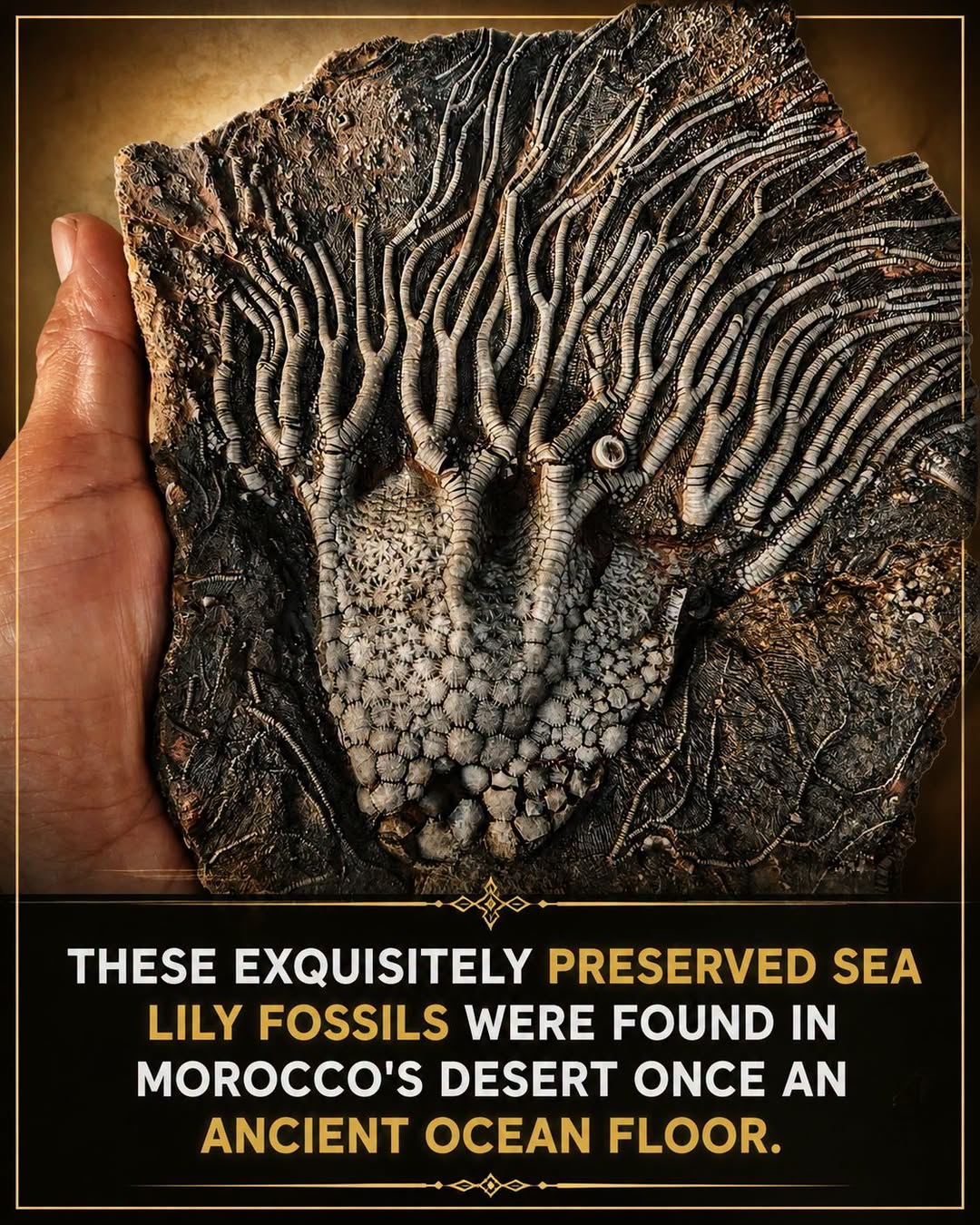
    In the heart of the Moroccan desert, scientists have uncovered a breathtaking fossil find that offers a glimpse into a forgotten underwater world. Perfectly preserved fossilized crinoids—also known as sea lilies—have been discovered in remarkable detail, revealing marine life that flourished hundreds of millions of years ago in what is now a sun-scorched desert.

    Despite their delicate, flower-like appearance, crinoids are not plants but animals closely related to starfish and sea urchins. Using their feathery arms, they filtered food from ocean currents while anchored to the sea floor by long stems. These ancient creatures once filled vast shallow seas, covering areas that have since transformed into arid landscapes. Their presence in Morocco is powerful evidence of Earth’s dramatic environmental shifts over geological time.

    What sets this discovery apart is the exceptional state of preservation. The fine structures of the crinoid arms and stems have been fossilised with extraordinary clarity. Such detail is rare and allows paleontologists to examine not only the anatomy of individual species but also the diversity of entire marine ecosystems that existed long before the rise of dinosaurs. These fossils are a valuable resource for understanding evolutionary biology, climate changes, and the shifting positions of continents.

    The Moroccan desert is already known as a treasure trove for fossil hunters, producing everything from ancient trilobites to gigantic marine reptiles. The discovery of crinoids adds yet another layer to this region’s rich prehistoric legacy. It reminds us that Earth’s surface has been reshaped many times, and that the rocks beneath our feet often hold clues to worlds that no longer exist.

    Fun Fact: Crinoids have existed for over 480 million years and some species are still alive today in the deep oceans, making them true survivors of multiple mass extinctions.

    #MockingMerriment #FossilDiscovery #MarineLife #SeaLilies #PrehistoricLife #Paleontology #Evolution #MoroccanFossils #AncientOceans #Crinoids

  • MockingMerriment1784504021

    MockingMerriment1784504021

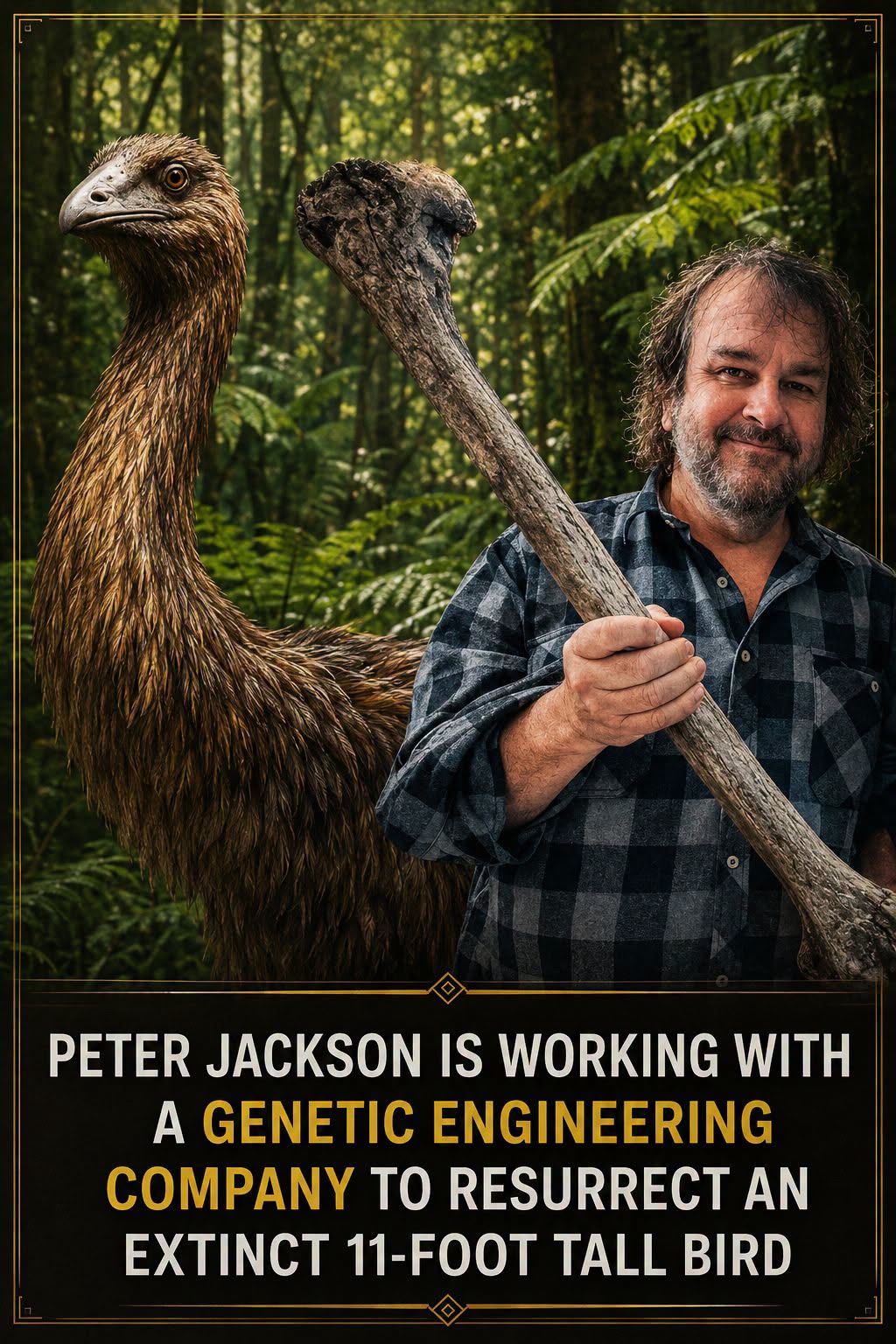
    What if the giants of ancient Earth could walk among us again? Peter Jackson, the Oscar-winning director behind The Lord of the Rings, is taking a bold step into the realm of de-extinction. Partnering with the New Zealand biotech company Southern Bio, Jackson is supporting an ambitious project to resurrect the giant flightless bird known as the moa—a species that went extinct nearly 600 years ago.

    The moa, native to New Zealand, once stood over 11 feet tall and weighed up to 500 pounds, making it one of the largest birds to ever live. These gentle herbivores roamed the forests for centuries before being hunted to extinction by early Polynesian settlers. Now, thanks to advances in genetic science—particularly in CRISPR gene editing and ancient DNA extraction—scientists believe it’s possible to revive the species by reconstructing its genome and implanting it into the eggs of its closest living relative, the emu.

    Jackson’s interest in the project isn’t just scientific curiosity. He’s long expressed a fascination with New Zealand’s unique ecology and sees this as a way to restore part of the country’s lost natural heritage. The project has attracted both excitement and criticism. Supporters argue it could help rebuild damaged ecosystems and advance science, while critics caution about the ethical and environmental risks of reintroducing long-extinct animals into modern habitats.

    While the idea might sound like science fiction, de-extinction is quickly becoming a serious scientific discipline. Projects like this could pave the way for restoring biodiversity and reversing the impact of human-driven extinctions. But can we truly bring back a species that’s been gone for centuries? And more importantly, should we?

    Fun Fact: The moa had no wings at all—not even small vestigial ones—making it one of the only birds completely wingless in evolutionary history.

    #MockingMerriment

    #DeExtinction #Paleontology #PrehistoricLife #AncientBirds #NewZealand

    #Moa #PeterJackson #Genetics #SouthernBio

  • MockingMerriment1784495873

    MockingMerriment1784495873

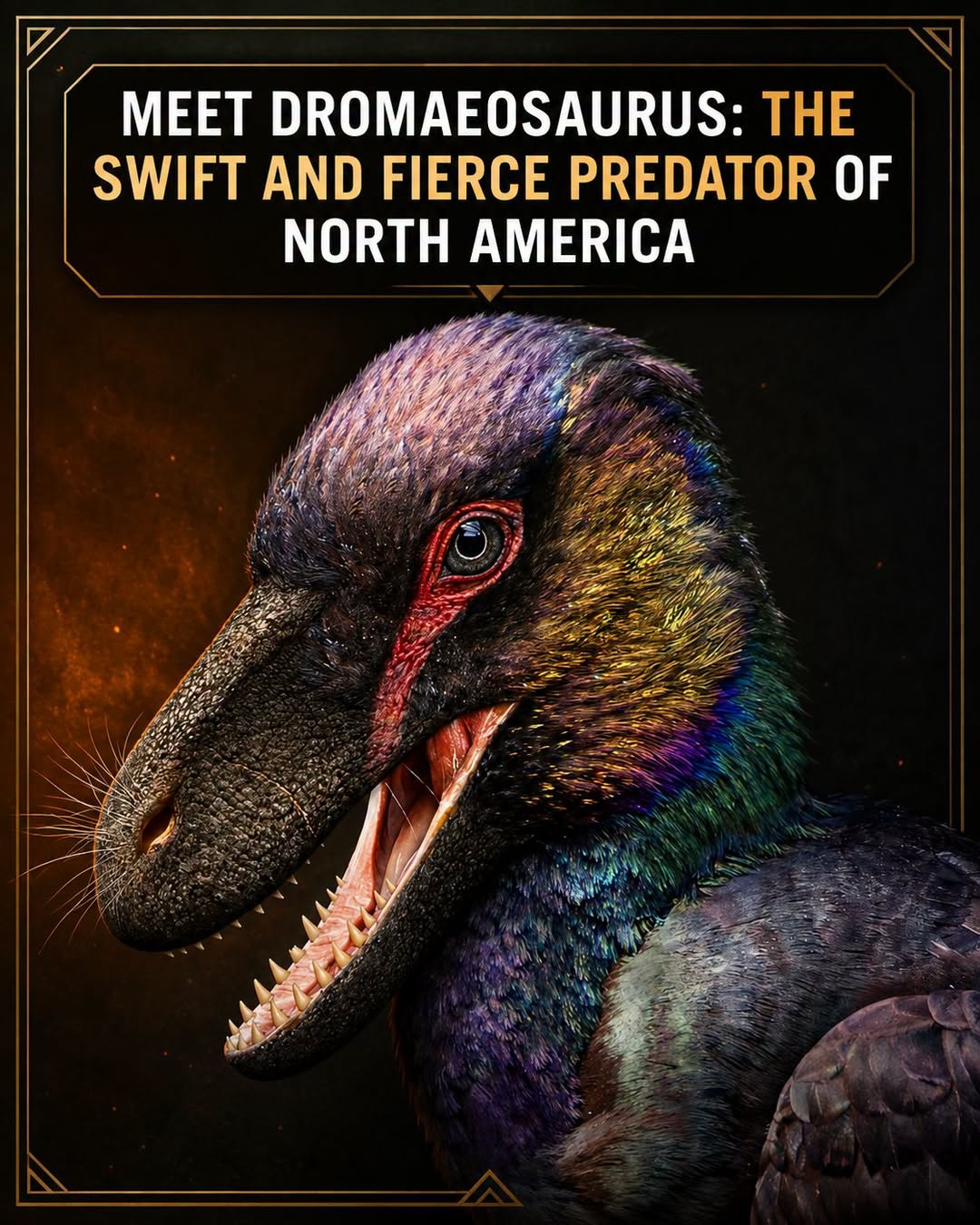
    Long before humans walked the Earth, the Late Cretaceous was home to a swift and deadly predator stalking the prehistoric plains of what is now Alberta, Canada, and the western United States. This was Dromaeosaurus—meaning “swift running lizard”—a small but powerful member of the dromaeosaurid family. Measuring about 2 metres in length and weighing around 45 kilograms, this dinosaur packed a surprising punch for its size.

    Though often overshadowed by its more famous cousin Velociraptor, Dromaeosaurus had its own unique traits. It lived around 80 to 69 million years ago and, like Velociraptor, it was a feathered theropod with a sickle-shaped claw on each foot—an adaptation likely used for slashing prey. However, what truly set Dromaeosaurus apart was its skull and jaw strength. Unlike many of its relatives that relied more on agility and claw attacks, Dromaeosaurus had a short, robust skull and powerful jaw muscles, suggesting that it may have delivered bone-crushing bites during the hunt.

    Fossil evidence shows that Dromaeosaurus had excellent vision, strong legs for running, and serrated teeth designed for tearing flesh. It was an active predator, possibly hunting in packs, and would have fed on smaller dinosaurs, reptiles, and carrion when available. Its presence in North America at the same time as Velociraptor was hunting in Central Asia paints a picture of how similar predatory strategies evolved on different continents during the same era.

    Today, Dromaeosaurus helps palaeontologists understand the diversity and evolution of raptors. Though only fragmentary fossils have been recovered, each discovery adds to our understanding of this fascinating, fast-moving carnivore.

    Fun Fact: The first fossils of Dromaeosaurus were discovered in 1914, making it one of the earliest named raptors, long before Velociraptor became famous.

    #MockingMerriment
    #Theropods #DinosaurFacts #RaptorDinosaur #FossilDiscovery #CretaceousPeriod #Dromaeosaurus #Paleontology #PrehistoricLife #Dinosaurs

  • MockingMerriment1784496127

    MockingMerriment1784496127

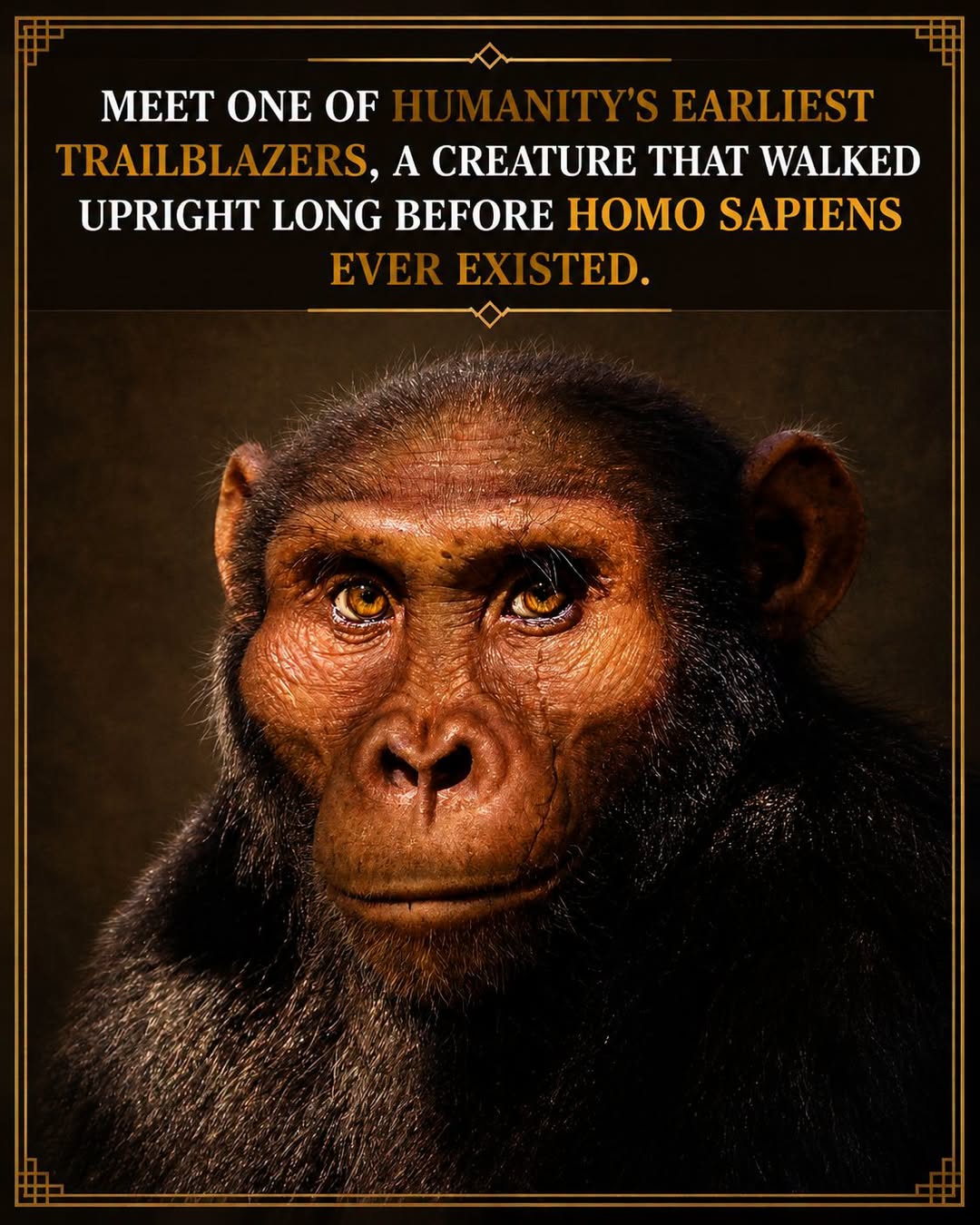
    Australopithecus is a key figure in the human evolutionary story. Living around 3.5 million years ago during the Late Pliocene and Early Pleistocene, this genus represents one of the earliest known hominins to display a combination of ape-like and human-like features. Fossils of Australopithecus have been found across Eastern and Northern Africa—regions often referred to as the cradle of humanity. These early ancestors roamed through grasslands and woodlands, adapting to a changing climate and new survival challenges that shaped our lineage.

    One of the most famous members of this genus is Australopithecus afarensis, with “Lucy” being the most iconic specimen. Discovered in 1974 in Ethiopia, Lucy stood about 1.1 metres tall and walked upright, providing crucial evidence that bipedalism preceded larger brain development in human evolution. This trait set Australopithecus apart from other primates and laid the groundwork for future hominin advancements.

    Australopithecus had relatively small brains, averaging around 400 to 500 cubic centimetres, but they were intelligent tool users. Though not as advanced as Homo species, their ability to manipulate objects, use basic tools, and adapt to diverse environments speaks volumes about their survival instincts and evolutionary significance.

    Their anatomy reveals much about their lifestyle. While they could walk upright, their curved fingers and long arms suggest they still spent time climbing trees, likely for foraging or avoiding predators. This dual ability to navigate both the ground and trees made them versatile and successful in the ever-changing African landscapes.

    Fun Fact: The name “Australopithecus” means “southern ape,” a reference to the first discoveries made in southern Africa. Despite their name, these ancestors were already taking some of the first steps toward becoming fully human.

    #MockingMerriment

    #EarlyHumans #HumanEvolution #PrehistoricLife #Anthropology

    #LucyFossil #Archaeology #Australopithecus #Paleontology #FossilDiscovery

  • MockingMerriment1784490170

    MockingMerriment1784490170

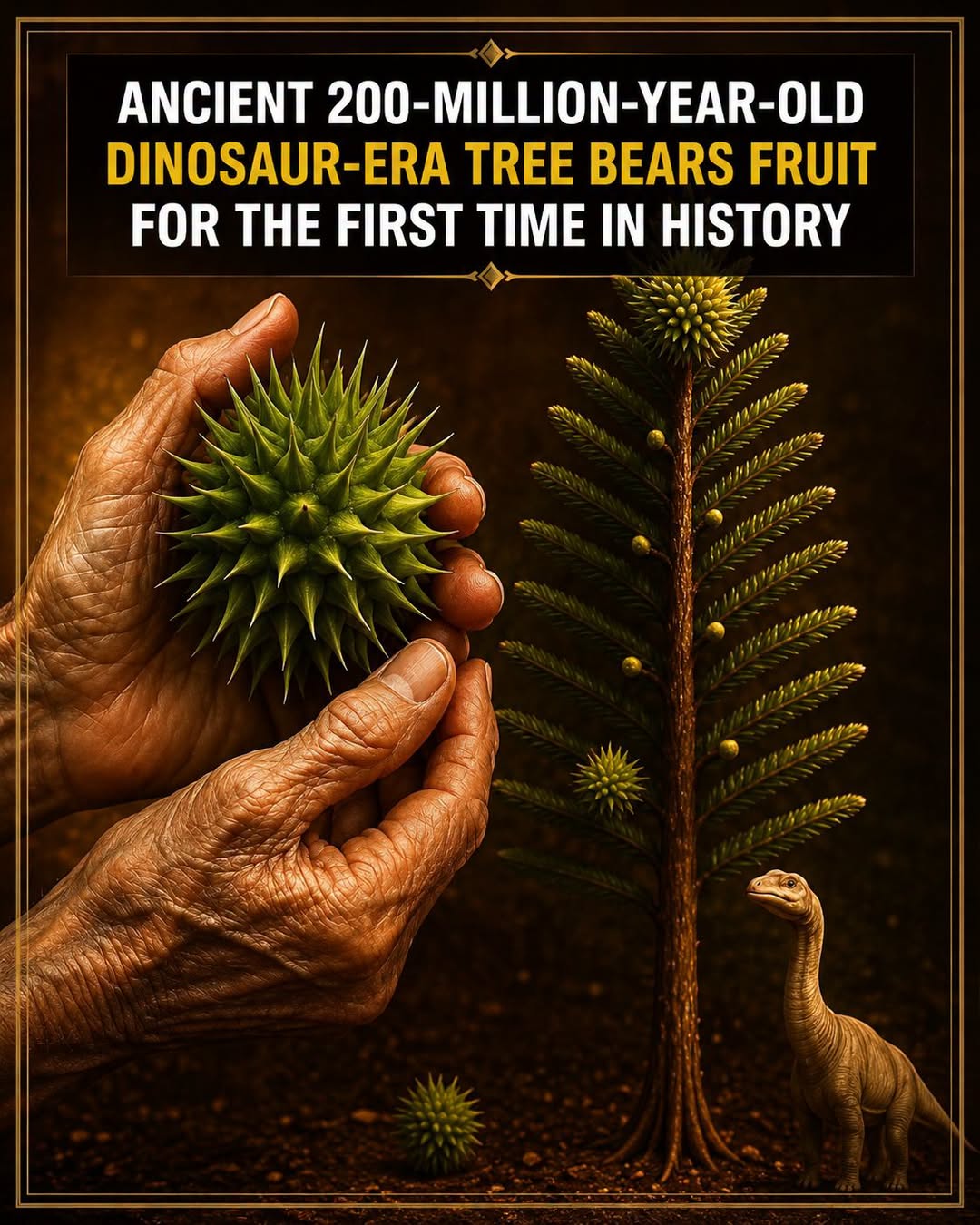
    In a quiet English garden, something truly prehistoric just bloomed. A Wollemi pine—one of the world’s rarest and oldest tree species—has borne fruit after standing for nearly 15 years at the foot of the Malvern Hills. What makes this so extraordinary is that the Wollemi pine dates back over 200 million years to the age of the dinosaurs.

    Thought to be extinct since the Cretaceous period, it was only rediscovered in 1994 in a remote canyon near Sydney, Australia, stunning the scientific world. Pamela and Alistair Thompson, a retired couple passionate about nature, planted their young Wollemi pine in 2010. Over the years, they cared for the ancient tree without expecting much more than survival. But this year, against all odds and in a climate far from its native habitat, their Wollemi pine produced cones and seeds.

    This marks a rare event outside of its natural environment and offers a fresh chapter in the story of a species that once grew alongside dinosaurs like Stegosaurus and Allosaurus. The Wollemi pine belongs to a genus so ancient that it was once only known through fossil records. With its knobbly bark and fern-like foliage, it carries the traits of a truly ancient lineage. The fact that it can now thrive and reproduce in domestic settings offers hope for conservation and education efforts across the globe.

    Botanists and paleobotanists alike see it as a living fossil—a reminder that not all life from prehistoric times vanished with the dinosaurs.

    Fun Fact: The Wollemi pine is so genetically distinct that it has no close living relatives and is more different from pines and firs than humans are from kangaroos.

    #MockingMerriment

    #LivingFossil #PrehistoricLife #JurassicSurvivor #WollemiPine #AncientPlants #Dinosaurs #Botany

    #Paleontology #Conservation

  • MockingMerriment1784480570

    MockingMerriment1784480570

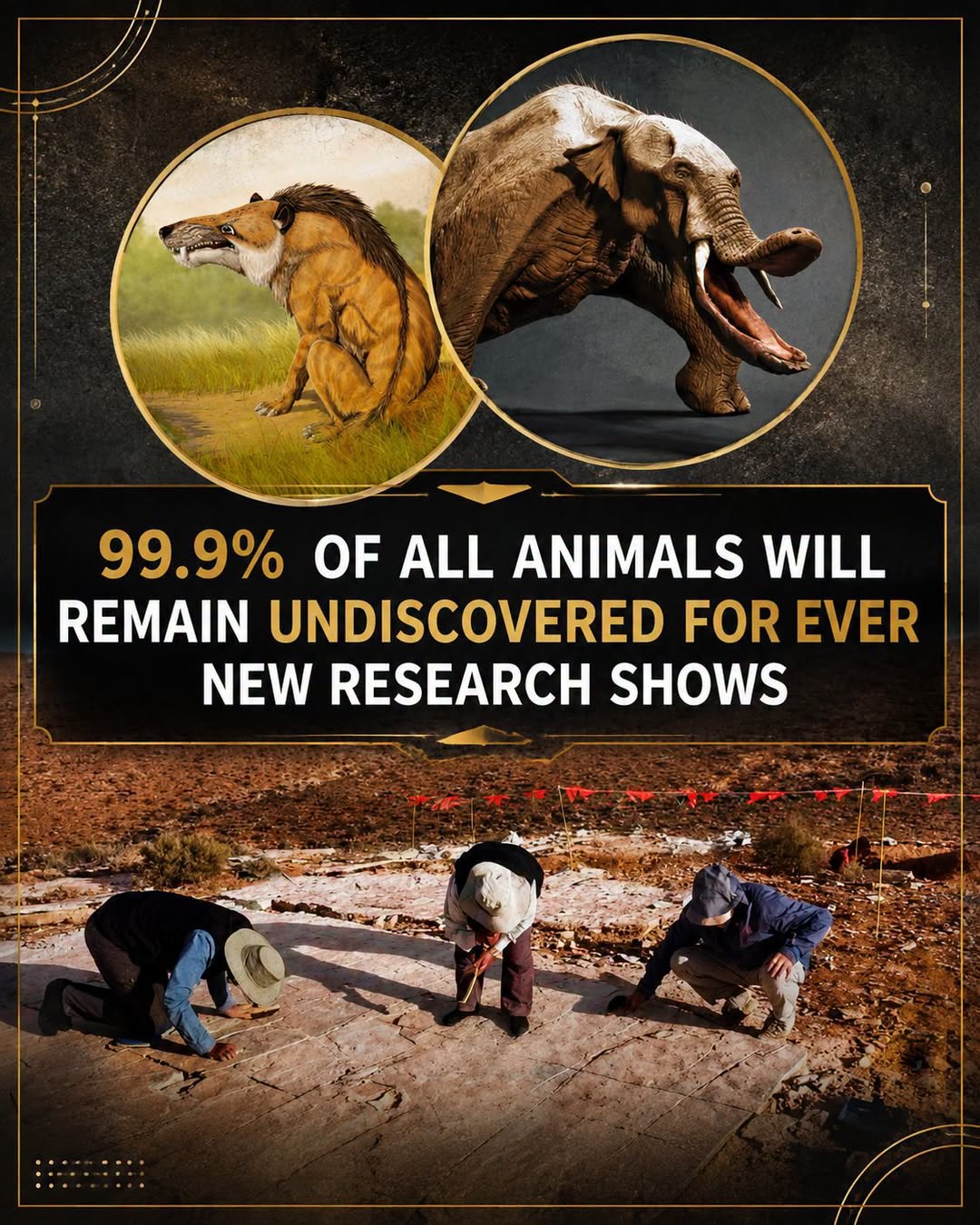
    Fossils are often seen as windows into ancient life, but the truth is, they represent only the faintest whisper of Earth’s vast biological history. According to a groundbreaking study led by Dr Henrik Woolley, published in PLOS ONE (Feb 2024), fossilisation is an incredibly rare event that demands nearly perfect conditions. Most organisms that ever lived were lost to time, leaving no trace behind.

    Fossils only form under very specific circumstances: rapid burial, low oxygen, and minimal disturbance. These conditions are typically found in calm settings such as riverbeds, lakes, or ocean floors—and even then, only a small number of remains survive long enough to mineralise into stone. LibreTexts (2024) confirms that fewer than 1 percent of all species that ever roamed the planet are known from the fossil record. In fact, that number may be far lower.

    The overwhelming majority of creatures decomposed, were eaten, or eroded away before fossilisation could even begin. That means when we study ancient bones and imprints, we are not seeing a complete history but rather a scattered puzzle with most of its pieces missing.

    This scarcity makes every new fossil find extraordinarily valuable. It also highlights how much of prehistoric life we may never uncover. From soft-bodied animals to early microbes, countless forms of life vanished without a trace. What we do have tells incredible stories, but they are only fragments of a much larger, untold tale.

    Fun Fact: More than 99.9 percent of all species that ever lived are now extinct, and nearly all left behind no fossil record at all.

    #MockingMerriment
    #AncientLife #NaturalHistory

    #PrehistoricLife #EarthHistory #Fossils #ScienceFacts #FossilRecord #Evolution #Paleontology

  • MockingMerriment1784466855

    MockingMerriment1784466855

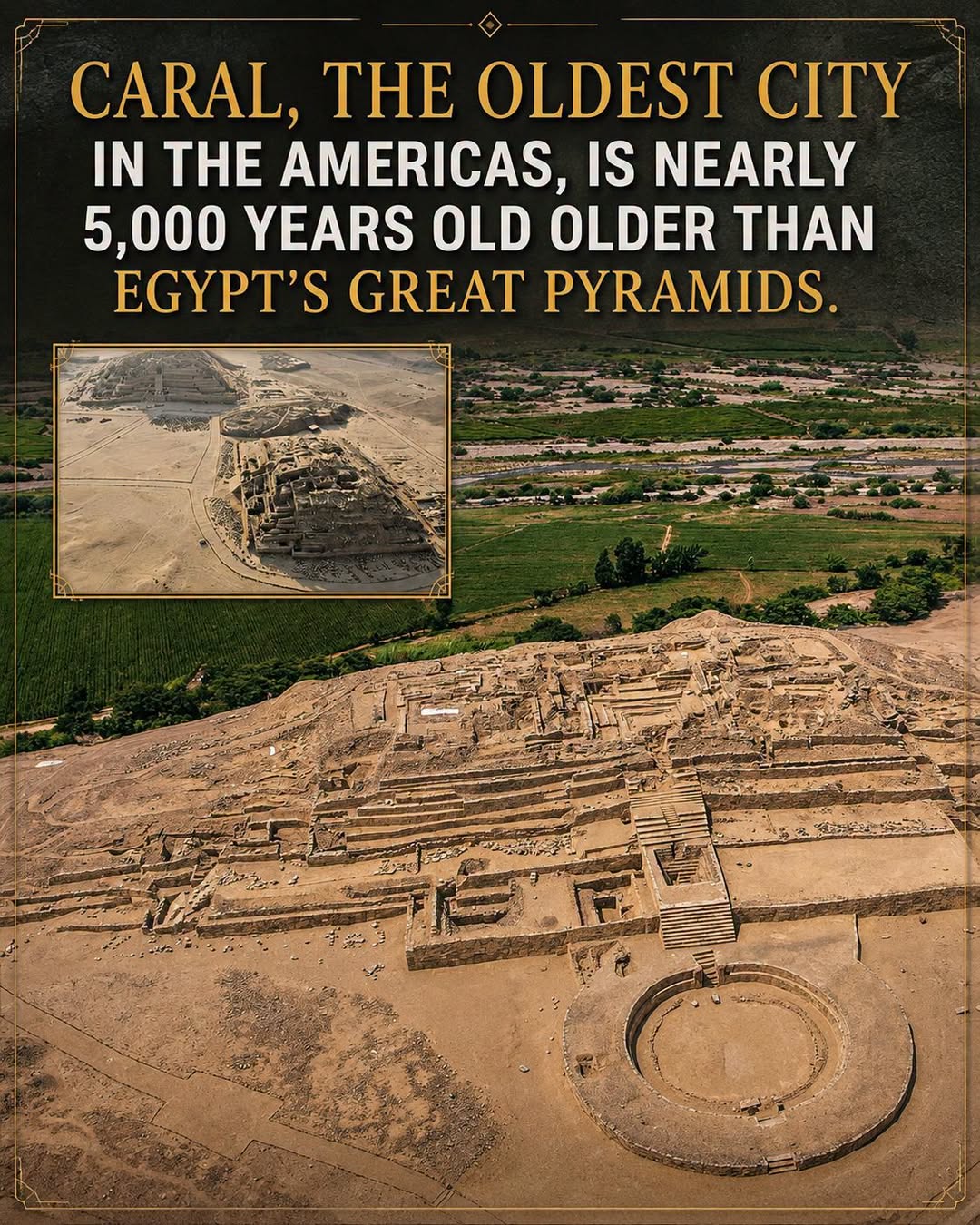
    In the heart of Peru’s Supe Valley lies a forgotten marvel that rewrites our understanding of ancient civilisation in the Americas. The Sacred City of Caral, dating back to around 2600 BCE, stands as the oldest known urban centre in the Western Hemisphere. Flourishing over 4,500 years ago, Caral’s advanced layout and monumental structures place it alongside the early cradles of civilisation such as Mesopotamia and Egypt.

    What makes Caral so extraordinary is not just its age but the level of sophistication it achieved without the presence of war or weapons. The city covers over 60 hectares and includes six massive pyramids, the largest measuring roughly 150 by 160 metres at the base. These were not isolated structures but part of a carefully planned cityscape that included sunken circular plazas, public gathering areas, residential compounds, and ceremonial zones.

    Evidence from the site reveals that Caral was a thriving urban centre supported by agriculture, sustained by a complex irrigation system that allowed crops to grow in the arid environment. Its people cultivated cotton, beans, squash, and other staples, while also trading along the Pacific coast and into the highlands. This network of exchange helped Caral grow without ever becoming a militarised power. In fact, archaeologists have found no signs of warfare, fortifications, or weapons—which sets Caral apart from many ancient societies.

    Caral’s architecture also reflects a deeply spiritual and organised society. The central pyramids appear to have been aligned with celestial events, and musical instruments made of bone have been found near ritual spaces, suggesting the role of music in ceremonies and governance. The urban layout indicates a social hierarchy and labour organisation far ahead of its time.

    Fun Fact: In one of Caral’s temples, archaeologists uncovered quipus—a system of knotted strings used for record-keeping. This is the earliest known use of such a system in the Americas, predating the Inca by millennia, hinting at an unexpectedly long tradition of organised communication in ancient Peru.

    #MockingMerriment

    #HumanHistory #CulturalHeritage

    #Caral #AncientPeru #LostCities #PrehistoricLife #Archaeology #AncientCivilizations #SacredCityOfCaral

  • MockingMerriment1784459588

    MockingMerriment1784459588

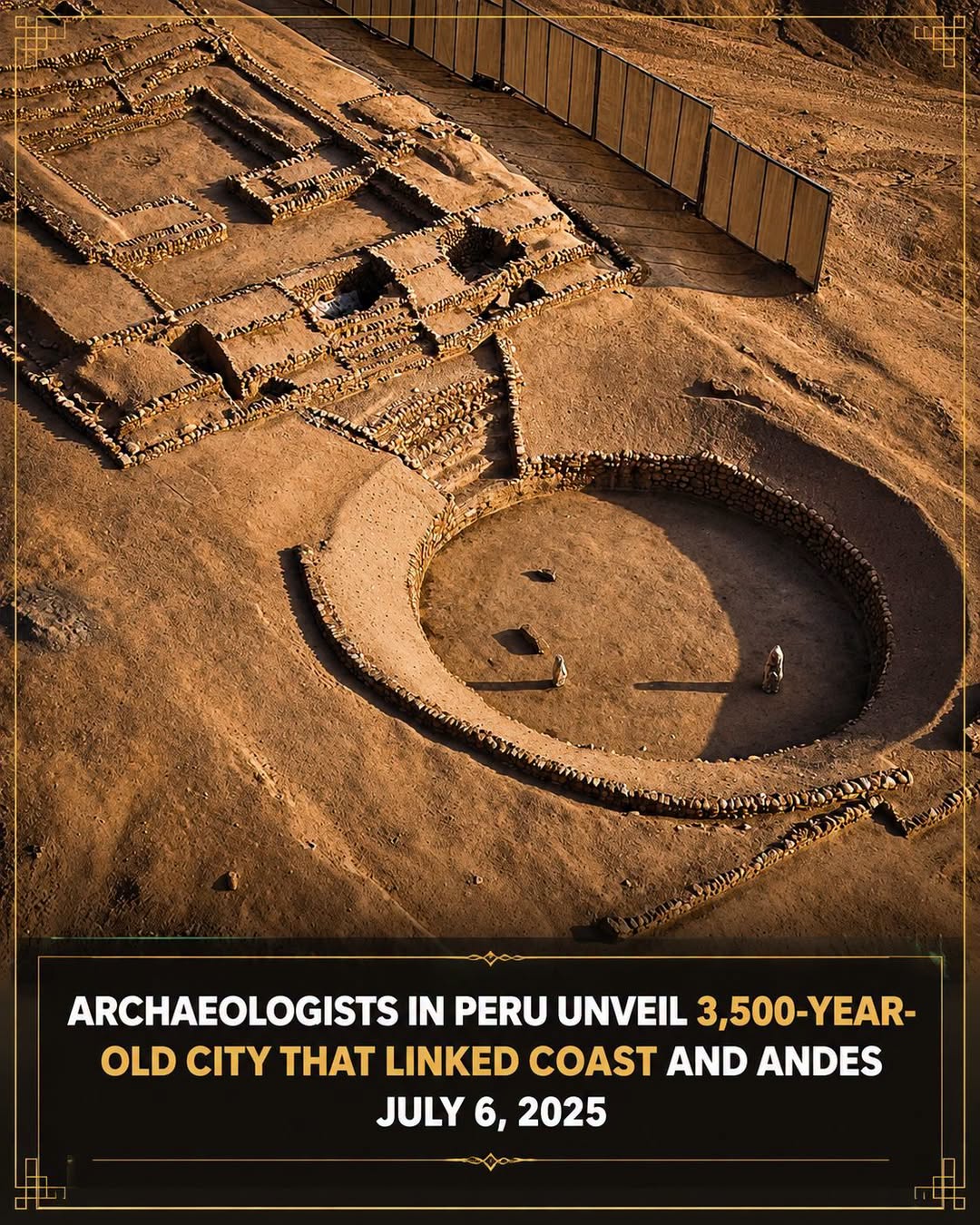
    In a stunning archaeological breakthrough, researchers have uncovered a 3,500-year-old city in Peru that once thrived as a key trading hub, connecting diverse cultures from the Pacific coast to the high Andes and the Amazon basin. The discovery reveals a previously unknown level of complexity and connectivity in prehistoric South America, rivaling the early urban centres of Mesopotamia, Egypt, and the Indus Valley.

    Located in Peru’s central jungle region, this ancient city dates to the same era as some of the world’s earliest civilisations. Excavations show evidence of structured urban planning, residential zones, ceremonial spaces, and infrastructure that suggest it played a vital role in regional trade networks. Artifacts found at the site include pottery styles from coastal and inland regions, tools made of Amazonian materials, and Andean textiles, confirming extensive contact between distant communities.

    The site is believed to have served as a cultural and economic crossroads, where goods, ideas, and traditions flowed freely between the highlands, the rainforest, and the Pacific shores. This level of integration indicates a far more advanced and interconnected society than previously thought for this part of the world at that time.

    While South America is often celebrated for the Inca Empire and its marvels, this Peruvian city pushes the timeline of organised civilisation in the region back by nearly two millennia. It also sheds light on the lesser-known yet highly sophisticated pre-Incan cultures that laid the groundwork for future empires.

    Fun Fact: This site flourished at the same time as ancient cities like Babylon and Mohenjo-daro, showing that complex societies were developing simultaneously on multiple continents.

    #MockingMerriment
    #HumanHistory #AncientPeru #CulturalHeritage #Archaeology #LostCities #PreIncanCivilisations #SouthAmericanHistory #AncientCivilizations