Author: Kai18

  • MockingMerriment1784207661

    MockingMerriment1784207661

    What if ancient temples weren’t just places of worship, but warnings carved in stone? For decades, Graham Hancock has argued that our ancestors may have been far more advanced than we give them credit for—and now, a growing body of research suggests he might have been onto something.

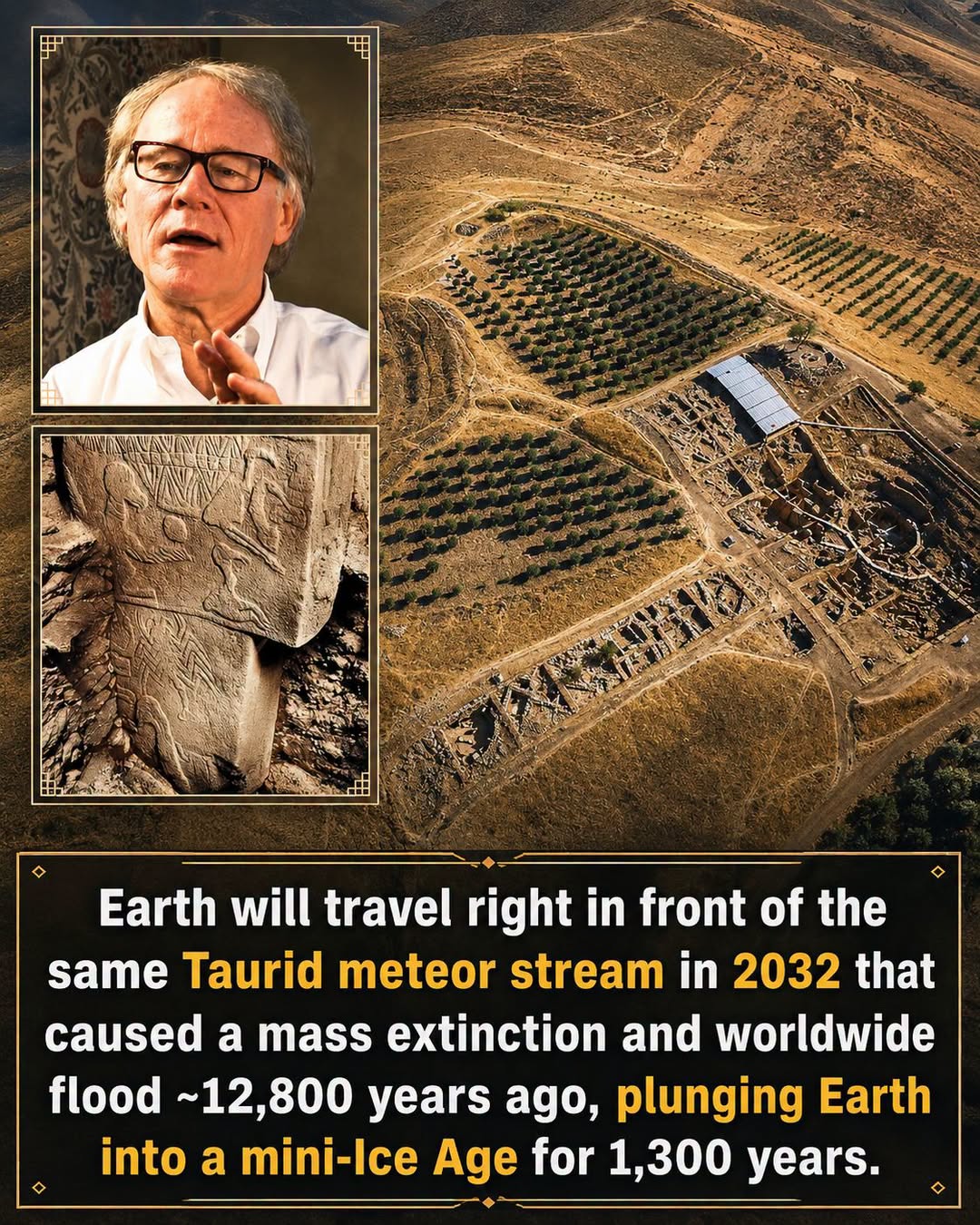
    At the heart of this theory lies Göbekli Tepe in modern-day Turkey, the world’s oldest known temple, dating back some 12,000 years . Researchers now believe its intricate stone carvings might be more than artistic or religious—they could be an ancient astronomical record.

    One of its most famous pillars, the “Vulture Stone,” is thought to depict a catastrophic comet strike that occurred around 10,850 BC, triggering a sudden mini Ice Age known as the Younger Dryas . This event, lasting over 1,200 years, may have wiped out many species and forced early humans to shift toward agriculture, sparking the birth of civilization .

    Even more astonishing: the carvings appear to represent a 365-day solar calendar with 12 lunar months, and researchers believe the builders understood axial precession—the gradual shift in Earth’s rotational axis—at least 10,000 years before it was formally documented by Greek astronomer Hipparchus in 150 BC . One pillar even depicts the Taurid meteor stream, the likely source of the comet fragments, showing a 27-day event emanating from specific constellations .

    If correct, the builders of Göbekli Tepe were not just spiritual, but scientifically advanced—preserving celestial knowledge that may have been passed down from an earlier, lost civilization.

    Strange but fascinating fact: Some scholars believe the animal symbols on Göbekli Tepe’s pillars represent specific star groups. If true, this would mean early humans were mapping the heavens with precision long before the invention of writing—and possibly leaving encoded warnings for future generations .

    #MockingMerriment
    #YoungerDryas #Archaeology #FossilDiscovery #GobekliTepe #LostCivilizations #AncientAstronomy #HumanHistory #PrehistoricLife #AncientCivilizations
  • MockingMerriment1784200376

    MockingMerriment1784200376

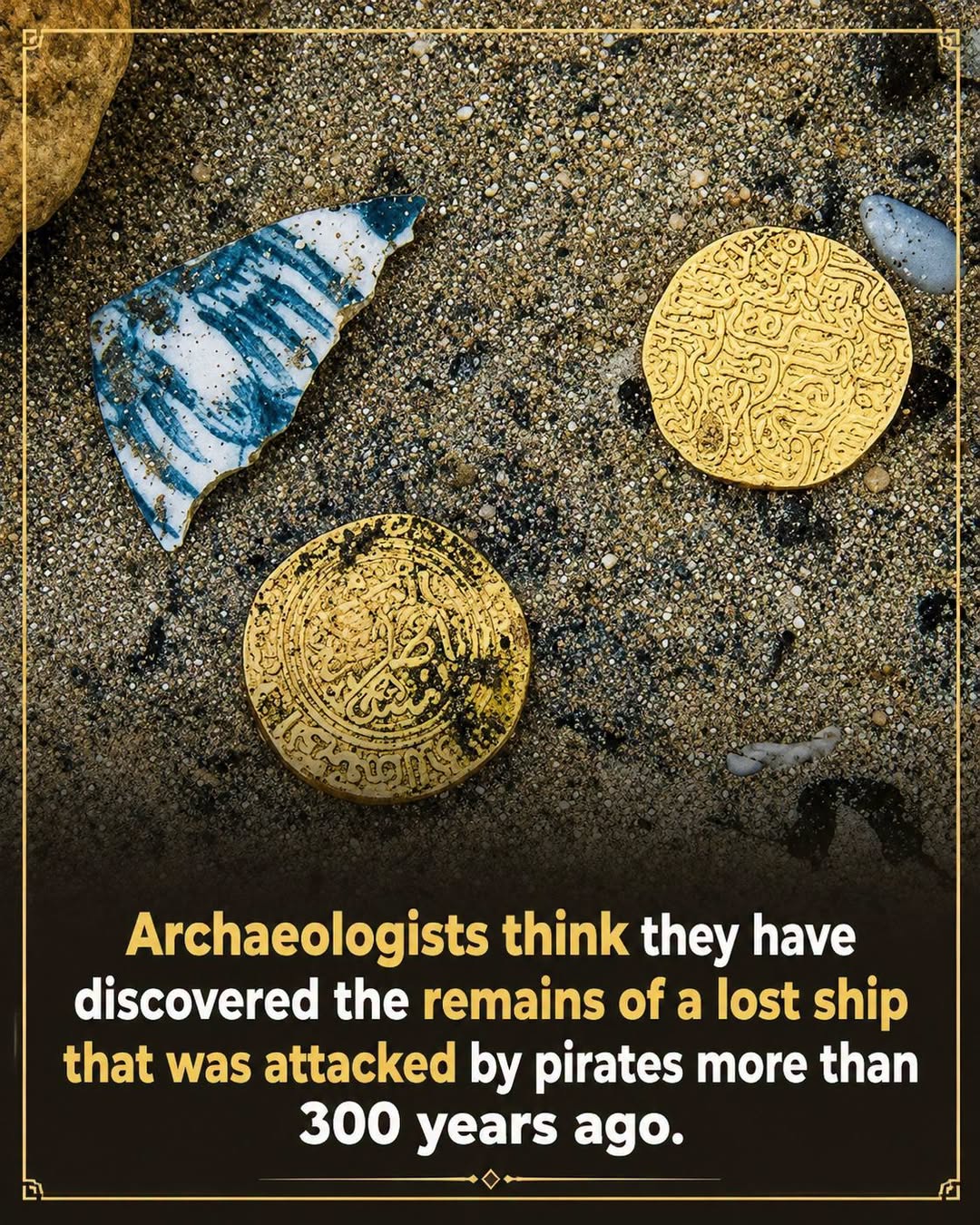
    Off a remote stretch of coastline, archaeologists believe they may have uncovered the remains of a shipwreck tied to a pirate attack over 300 years ago. This stunning find is offering a rare and gritty glimpse into a violent chapter of maritime history. Hidden beneath layers of sediment and sea growth, the wreck may hold the final moments of a vessel overtaken during the Golden Age of Piracy.

    The ship’s remains, discovered during a recent underwater survey, include timber structures, metal fastenings, and a number of artefacts consistent with early 18th-century seafaring. What caught researchers’ attention were traces of battle damage—such as cannonball holes and scorched planks—suggesting a violent encounter at sea. Nearby, divers recovered fragments of pottery, personal items, and iron tools, all pointing to a once-active merchant ship that may have fallen prey to pirates lurking along the trade routes.

    Historical records and the ship’s location are helping archaeologists piece together its likely fate. During the early 1700s, many merchant vessels travelled with goods like sugar, rum, and tobacco, frequently navigating through dangerous waters known for pirate activity. If confirmed, this wreck could be a direct link to those turbulent times when piracy disrupted global trade and brought chaos to colonial economies.

    The discovery is also valuable for what it reveals about shipbuilding techniques of the time, as well as life onboard such vessels. Each recovered artefact tells part of a story long forgotten. Excavation and conservation efforts are now underway to study and preserve the wreck, with hopes of displaying key items in maritime museums in the future.

    Fun Fact: Pirates didn’t usually bury their treasure. Most looted goods were traded or spent quickly, often on supplies or shore leave, making shipwrecks like this one some of the few remaining links to their true haul.

    #MockingMerriment #HumanHistory #Archaeology #PrehistoricLife #ShipwreckDiscovery #MaritimeHistory #UnderwaterArchaeology #PirateHistory #AncientHistory #GoldenAgeOfPiracy

  • MockingMerriment1784193821

    MockingMerriment1784193821

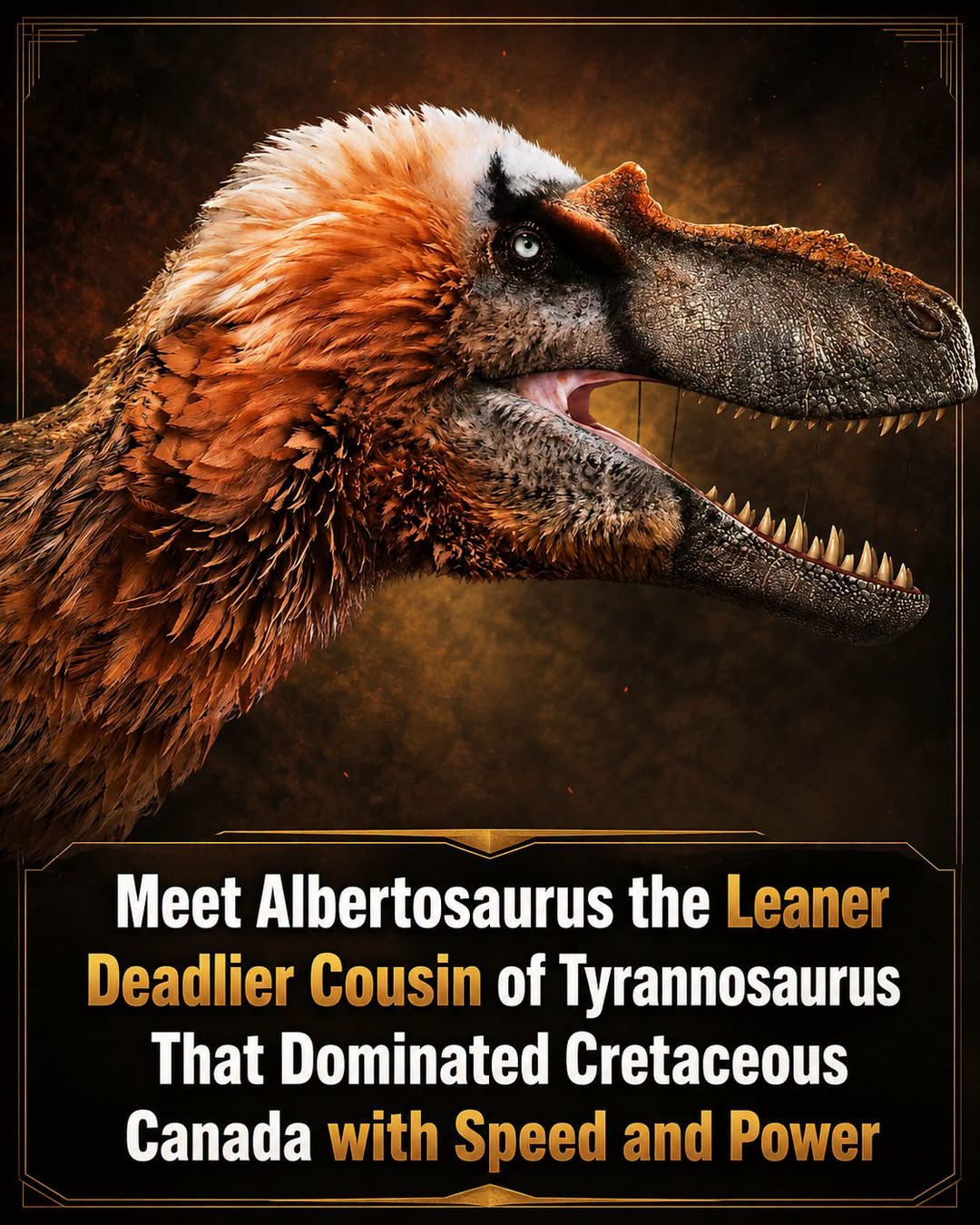
    They say bigger isn’t always better, and Albertosaurus is the perfect example of that. Though it shared its lineage with the mighty Tyrannosaurus rex, Albertosaurus carved out its own legacy as a swift, deadly predator in the Late Cretaceous wilds of what is now western Canada.

    Living around 70 million years ago, Albertosaurus was a true apex predator in its ecosystem. While it wasn’t as large or as bulky as T. rex, it had something that arguably made it even more dangerous in its time—speed. With a body reaching up to 9 metres in length and weighing between 1.3 and 1.7 tonnes, Albertosaurus had a more lightweight build, allowing it to move quickly and strike with precision. Its skull was armed with dozens of sharp, serrated teeth capable of tearing through flesh with ease, and its keen sense of smell made it an efficient hunter.

    Paleontologists believe Albertosaurus may have hunted in packs, which is rare among large theropods. Fossil sites in Alberta have uncovered groups of individuals of various ages buried together, suggesting a level of social behaviour that adds a whole new layer of intrigue to this fearsome dinosaur’s story. If true, this would have made Albertosaurus even more formidable, as coordinated hunting could bring down larger herbivores with ease.

    Despite its similarities to T. rex, Albertosaurus belongs to a different genus within the tyrannosaurid family. It was the dominant predator in its region long before Tyrannosaurus came onto the scene. Its lighter build meant it thrived in its specific environment, where agility and pack tactics could turn the tide of survival.

    Fun Fact: Albertosaurus had tiny, two-fingered arms like its famous cousin T. rex, but they were slightly more functional, possibly aiding in balance during high-speed chases.

    #MockingMerriment
    #Paleontology #Tyrannosaurid #PrehistoricLife #FossilDiscovery #CretaceousPeriod #ApexPredator #Dinosaurs #DinosaurFacts #Albertosaurus

  • MockingMerriment1784186570

    MockingMerriment1784186570

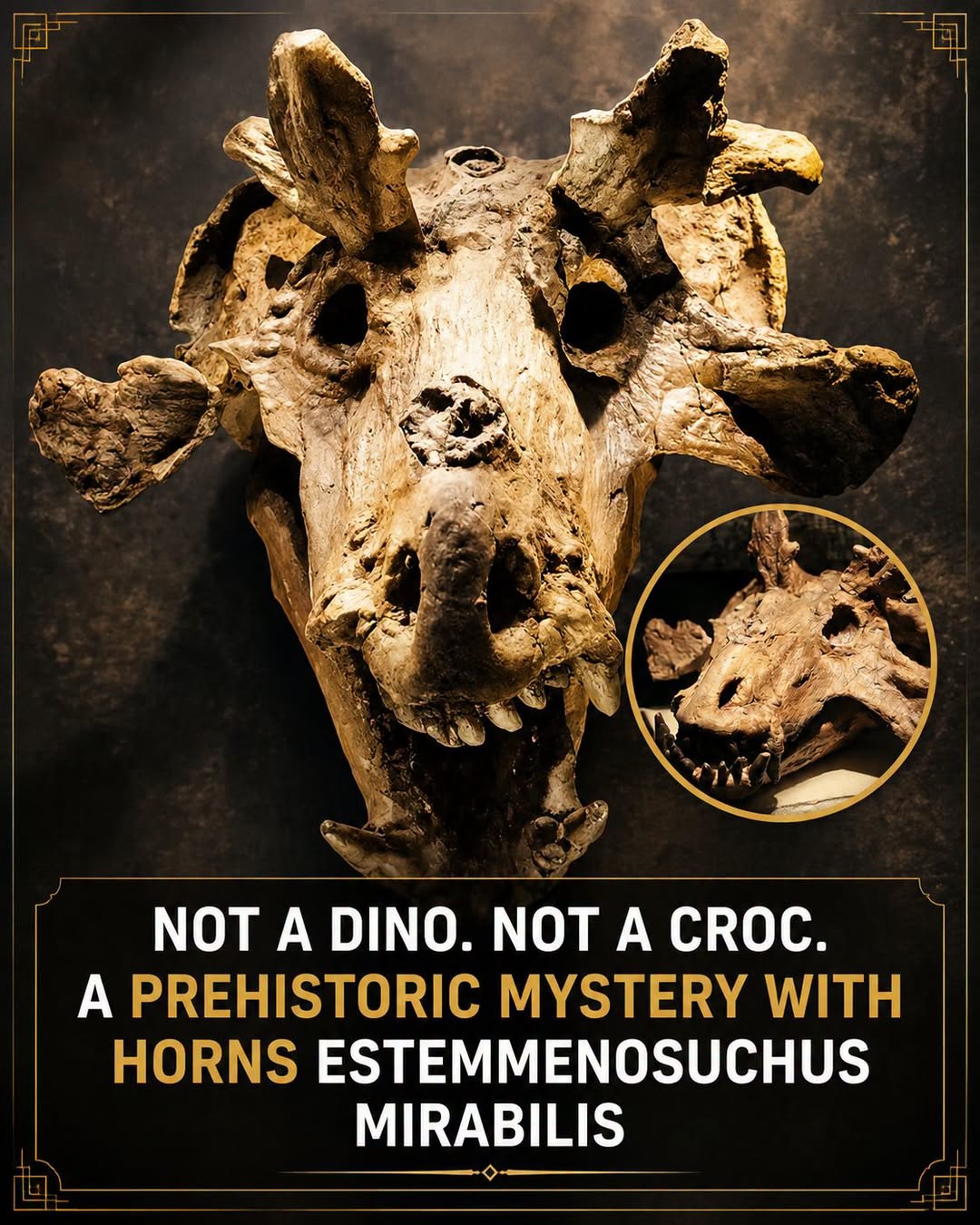
    Long before dinosaurs dominated the planet, an unusual creature with crown-like horns ruled the Permian landscapes. Estemmenosuchus, meaning “crowned crocodile,” was neither a crocodile nor a dinosaur. Instead, it belonged to an ancient group called therapsids—the distant ancestors of mammals—revealing a surprising chapter in Earth’s evolutionary story.

    Estemmenosuchus lived over 267 million years ago during the Middle Permian period in what is now Russia. This bizarre herbivore had a powerful, heavyset body and distinctive horn-like projections on its skull that made it stand out among prehistoric fauna. Despite its fearsome appearance, it was a slow-moving plant eater, challenging the common assumption that horned prehistoric animals were always carnivores.

    There are two main species of Estemmenosuchus. The larger, more famous species, Estemmenosuchus mirabilis, could reach lengths of up to 5 metres and weigh between 500 and 750 kilograms. Its elaborate skull horns might have been used for display or defense, though their exact function remains debated. The smaller Estemmenosuchus uralensis was about 3 to 3.5 metres long and lighter in build, with some primitive skeletal features setting it apart.

    This creature illustrates how evolution does not follow a straightforward path. Estemmenosuchus and its kin are part of the lineage that eventually led to mammals, making them crucial links between reptile-like ancestors and the warm-blooded creatures we know today. Their existence reminds us that some of the weirdest and most fascinating life forms appeared long before the rise of dinosaurs.

    Fun Fact: The “crowned crocodile” name was inspired by its impressive skull horns, but Estemmenosuchus had a herbivorous diet, feeding mainly on tough Permian plants.

    #MockingMerriment #MammalAncestors

    #PermianPeriod #Estemmenosuchus #Paleontology #PrehistoricLife #Evolution #Therapsids #FossilDiscovery #AncientCreatures

  • MockingMerriment1784179376

    MockingMerriment1784179376

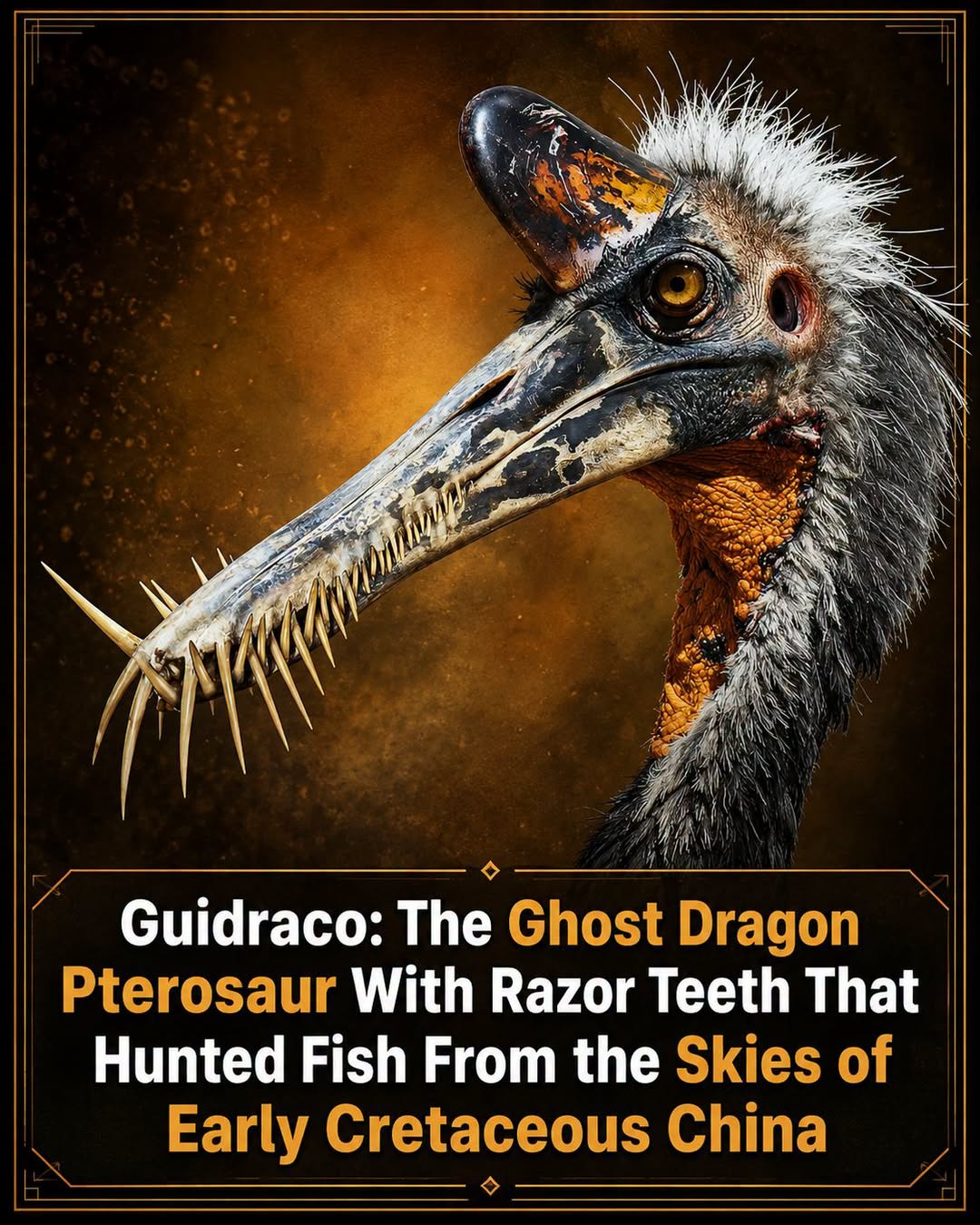
    With a wingspan stretching up to 5 metres and a skull full of razor-sharp, forward-pointing teeth, Guidraco was one of the most fearsome aerial fish hunters of the Early Cretaceous. Discovered in what is now China, this pterosaur earned the name “ghost dragon” for its eerie appearance and ancient lineage, gliding silently over prehistoric lakes and coastlines in search of prey.

    Guidraco stood out from other pterosaurs thanks to its long, narrow snout filled with interlocking teeth designed to snatch slippery fish right out of the water. Whether it skimmed just above the surface or hovered patiently for the perfect moment to strike, its hunting strategy was a testament to its specialised evolution. The structure of its jaws allowed it to trap fish with minimal resistance, making it a highly efficient predator in aquatic environments.

    Adding to its dramatic profile was a bony crest on the back of its head. While the exact purpose of the crest remains uncertain, paleontologists believe it may have been used for visual display during mating rituals or to aid in stabilising the animal during flight. Its long wings and lightweight skeleton allowed Guidraco to be an agile and energy-efficient flyer, covering large areas as it searched for food in the lush wetlands of Cretaceous Asia.

    The discovery of Guidraco has added important depth to our understanding of pterosaur diversity. It reveals how these ancient reptiles adapted to different ecological roles, not just as high-flying gliders but as specialised hunters in coastal and freshwater environments. Each new fossil find helps paint a clearer picture of how these fascinating creatures thrived in Earth’s distant past.

    Fun Fact: Guidraco’s teeth were so long that some nearly overlapped when its mouth was closed, creating a natural cage to trap fish without letting them escape.

    #MockingMerriment
    #CretaceousPeriod #PrehistoricLife #DinosaurFacts #FlyingReptiles #FossilDiscovery

    #AncientPredators #Guidraco #Pterosaur #Paleontology

  • MockingMerriment1784170971

    MockingMerriment1784170971

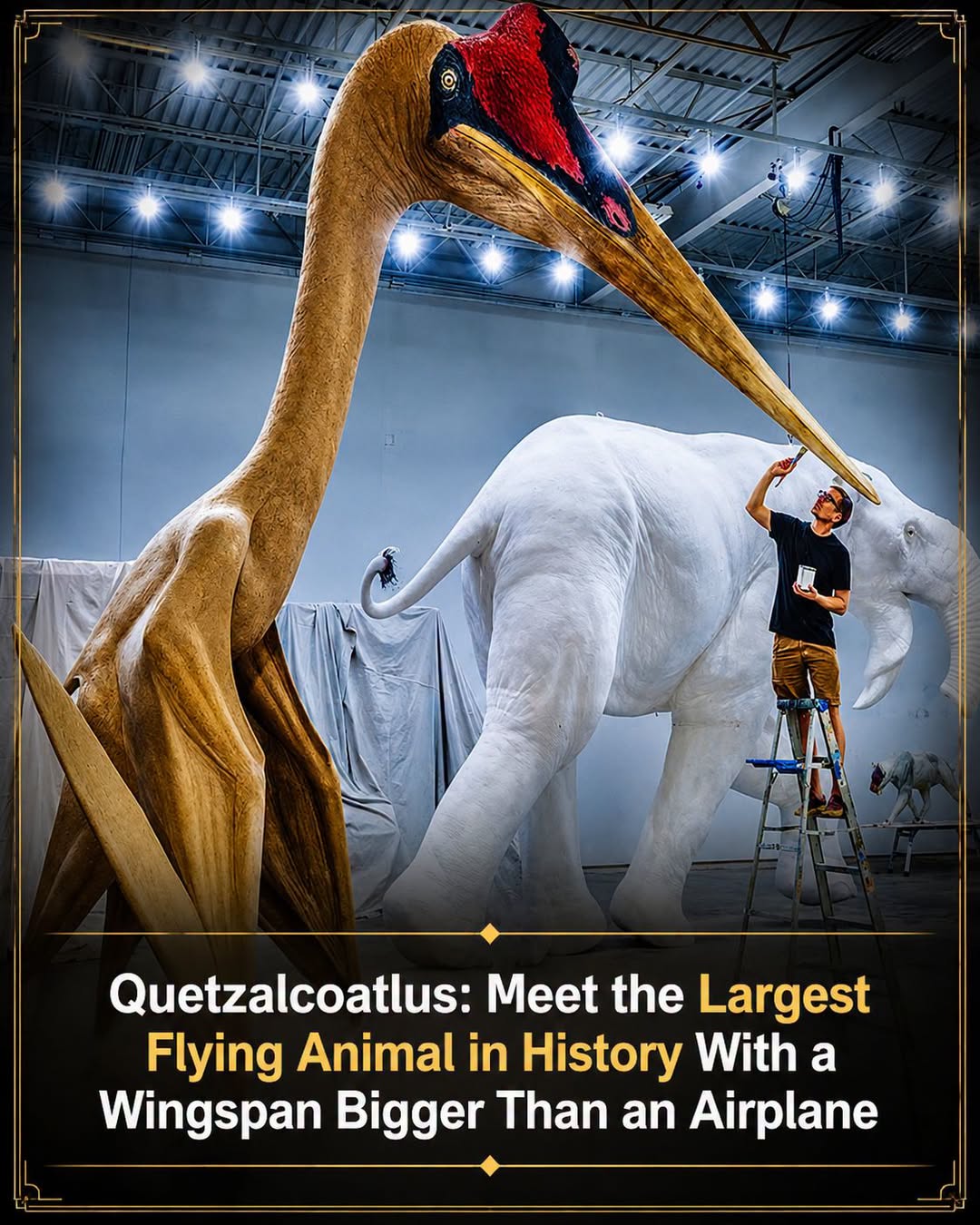
    It wasn’t a bird. It wasn’t a dinosaur. It was something far more astonishing. Meet Quetzalcoatlus, the largest flying animal to ever live, soaring through the skies during the Late Cretaceous period over 70 million years ago. With a wingspan stretching up to 12 metres, it was as wide as a small airplane. And when it stood on solid ground, it towered at over 5 metres tall—eye-to-eye with a modern giraffe.

    Quetzalcoatlus belonged to a group of flying reptiles known as azhdarchid pterosaurs. Despite its enormous size, it was incredibly lightweight due to its hollow bones, a feature that made flight possible. Researchers believe it launched into the air using powerful limbs, combining a leap with a strong downbeat of its massive wings—much like a four-limbed catapult. Once airborne, it could glide for kilometres at a time with minimal effort, scanning the prehistoric landscapes below.

    This airborne giant wasn’t just a marvel of flight. It was also likely a skilled predator, stalking prey on land. Some scientists suggest it hunted small dinosaurs, reptiles, and carrion, using its long beak and sharp eyesight to spot movement from high above. Others argue it was more of a scavenger or even a wader that fed in river systems, similar to storks today.

    Fossils of Quetzalcoatlus were first discovered in Texas, USA, in the 1970s, forever changing what we thought was possible in flight evolution. It was named after the Aztec feathered serpent god Quetzalcoatl, a fitting title for such a majestic and powerful creature.

    Fun Fact: Despite being one of the largest flying animals ever, Quetzalcoatlus is not considered a dinosaur. It is a close relative but belongs to a separate branch of the prehistoric tree—pterosaurs.

    #MockingMerriment #AncientAnimals #CretaceousPeriod #Quetzalcoatlus #PrehistoricLife #Pterosaur #Paleontology #DinosaurFacts #FlyingReptiles

  • MockingMerriment1784163771

    MockingMerriment1784163771

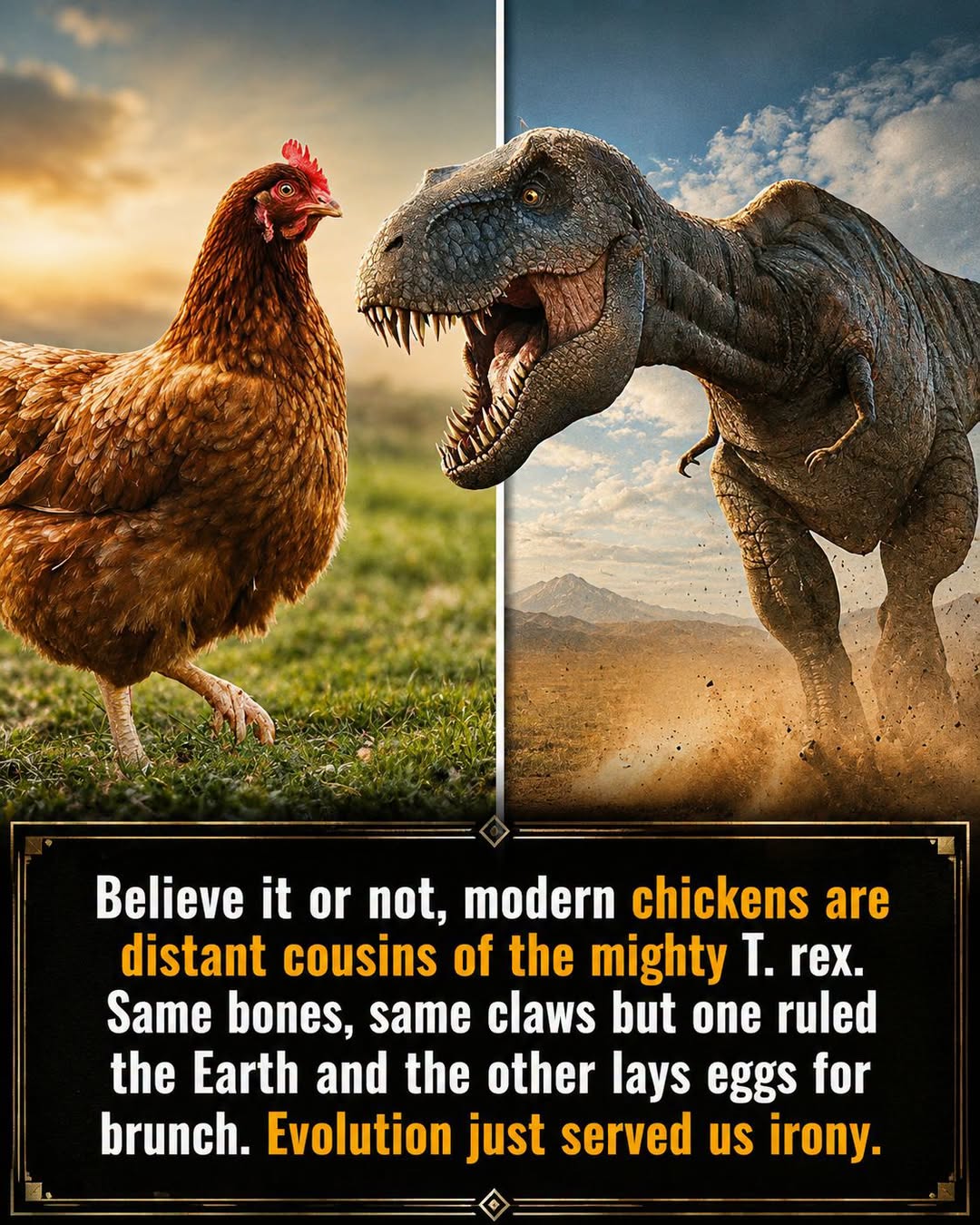
    Tyrannosaurus rex, one of history’s most feared predators, may have more in common with a chicken than with a crocodile. It’s not science fiction—it’s hard science. In 2008, researchers analysed the protein remains of a 68-million-year-old T. rex and found something astonishing: molecular similarities with modern birds.

    While dinosaurs went extinct around 66 million years ago, they didn’t vanish without leaving a genetic trail. Scientists from Harvard University and other institutions managed to extract collagen, a structural protein, from an exceptionally well-preserved T. rex bone. This was a major achievement, as organic materials rarely survive fossilisation. The team then compared the dinosaur collagen to proteins from 21 living animals, including humans, mice, salmon, alligators, chickens, and ostriches.

    The closest matches weren’t reptiles—they were birds. Specifically, chickens and ostriches shared the most similarities with the ancient predator. This gave strong molecular support to the long-standing theory that birds are the direct descendants of theropod dinosaurs like T. rex. While the findings didn’t pinpoint one bird as the sole closest relative, they placed T. rex on the evolutionary tree somewhere between modern alligators and birds.

    The results highlight how dinosaurs didn’t vanish completely—they evolved into the feathered creatures we see today. This discovery reinforced the idea that many dinosaurs likely had feathers and were far more birdlike than pop culture has often portrayed.

    So the next time you watch a chicken pecking at the ground, you might just be looking at a distant echo of one of Earth’s most legendary hunters.

    Fun Fact: Chickens are genetically closer to T. rex than to modern reptiles like lizards or snakes, based on molecular evidence.

    #MockingMerriment #Evolution #MolecularBiology #Paleontology #TyrannosaurusRex #BirdAncestors #FossilDiscovery #PrehistoricLife #Dinosaurs #Theropods

  • MockingMerriment1784156572

    MockingMerriment1784156572

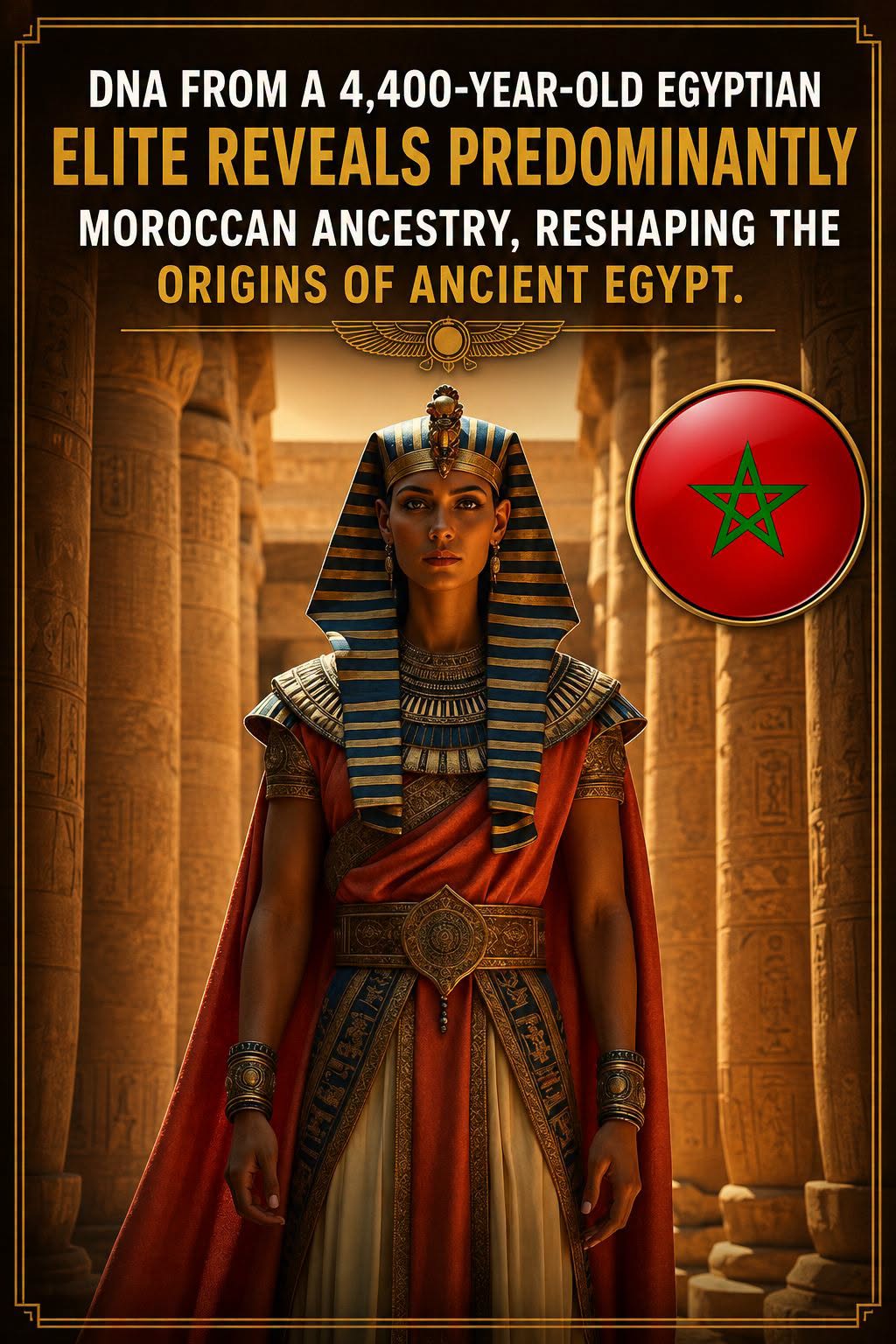
    A 4,400-year-old skeleton buried deep in the sands of Middle Egypt has just rewritten part of human history. Discovered in the Nuwayrat necropolis, this individual was no ordinary citizen. He was a high-ranking official during the Old Kingdom—one of the most iconic periods in ancient Egyptian history. But it is not his tomb or status that stunned scientists—it is his DNA.

    For the first time ever, researchers have reconstructed the full genome of someone from this era, and what they found challenges everything we thought we knew about Egypt’s past. The DNA analysis revealed a surprising ancestry mix. A massive 77.6 percent of this man’s genetic makeup traces back to Neolithic Moroccan populations. The remaining 22.4 percent aligns with early Mesopotamian farmers. This means that ancient Egypt was not a sealed-off civilization in the Nile Valley. It was a thriving crossroads of people, culture, and ideas stretching across vast distances in Africa and the Middle East.

    This discovery sheds light on long-distance migration and trade routes that existed thousands of years before the invention of writing. It proves that early North African populations were highly mobile and interconnected. Egypt’s elite, including the man in this study, may have descended from diverse and far-reaching lineages. This breaks down outdated views of Egyptian identity being isolated or homogenous. Instead, it highlights a rich and dynamic population shaped by thousands of years of movement and exchange.

    The fact that scientists could extract and sequence this DNA from remains over four millennia old is groundbreaking. It opens the door to deeper genetic studies that could answer even more questions about ancient civilizations and their origins.

    Fun Fact: This is the first time a complete genome has been sequenced from an Egyptian official of the Old Kingdom era, revealing links that reach all the way to Morocco and Mesopotamia.

    #MockingMerriment #AncientDNA #HumanHistory #OldKingdom #MigrationHistory #FossilDiscovery

    #Archaeology #Paleogenetics #AncientEgypt #DNARevealsHistory

  • MockingMerriment1784158373

    MockingMerriment1784158373

    Meet JADES-GS-z14-0—a tiny but powerful galaxy that has taken the record for being the farthest and oldest confirmed galaxy ever observed. It sits at a redshift of 14.32, placing it a mere 280 million years after the universe began. That is about 13.5 billion years ago, reaching back to the very dawn of cosmic time.

    What makes this discovery so revolutionary is not just the age of the galaxy, but what it contains. This galaxy is only about 240 light-years wide—extremely small compared to our Milky Way, which stretches over 100,000 light-years. Despite its size, JADES-GS-z14-0 is forming stars at a rate ten times faster than astronomers had expected for such an early point in cosmic history. It is rapidly building up mass and light in ways that defy current models of galaxy formation.

    And then comes the most astonishing part. On March 20, 2025, scientists using the James Webb Space Telescope confirmed the presence of oxygen in this ancient galaxy. This is groundbreaking. Oxygen is a heavy element that only forms after generations of stars live and die. Its presence in such a young galaxy suggests that the universe’s first stars must have formed, evolved, and exploded far earlier than we thought possible.

    This one discovery forces astronomers to reconsider the timeline of how the first galaxies and elements came into existence. Galaxies were not just flickering lights in a cold, dark universe. They were already rapidly evolving, chemically complex systems much sooner than anyone predicted.

    Fun Fact: Light from JADES-GS-z14-0 took 13.5 billion years to reach us. That means we are seeing this galaxy as it was before our Earth even existed.

    #MockingMerriment
    #JADESGSz14_0 #Astronomy #JamesWebbSpaceTelescope

    #GalaxyDiscovery #JWST #CosmicHistory #PrehistoricLife #EarlyUniverse #SpaceScience

  • MockingMerriment1784150270

    MockingMerriment1784150270

    During the construction of a golf course near Inverness, archaeologists uncovered something completely unexpected: a 2,200-year-old Iron Age ceremonial wheel, remarkably preserved in the soil for over two millennia. This rare artefact was part of a chariot burial—a ritual practice often reserved for individuals of high rank—suggesting that someone of great importance was once laid to rest at this site.

    The iron wheel is an extraordinary find in British archaeology, especially in the Highlands where such discoveries are rare. Its presence offers powerful clues about the social structures, warfare practices, and technological sophistication of ancient Celtic communities in northern Scotland. Chariot burials were symbolic events, meant to display status and power, and the inclusion of a full wheel reinforces the significance of the person buried there.

    Experts believe the wheel dates back to the late Iron Age, around 200 BC, a time when tribal societies ruled the region and craftsmanship in metal was becoming increasingly advanced. The wheel’s construction reflects not only high levels of ironworking skill, but also strong cultural links to continental Europe, where similar burial customs were more common.

    This discovery is shifting historical narratives about the Highland clans of the past. It suggests that even in remote parts of Scotland, elite individuals and complex traditions existed, challenging long-held assumptions about life in Iron Age Britain. As analysis continues, the site may reveal more treasures and further unravel the mysteries of ancient Celtic life.

    Fun Fact: Although wooden parts of the chariot have decayed over time, iron components like the wheel and fittings have survived, offering rare physical evidence of Iron Age transport and warfare.

    #MockingMerriment
    #PrehistoricScotland #HumanHistory #Archaeology #IronAge #ChariotBurial #FossilDiscovery #AncientArtifacts

    #AncientHistory #CelticCulture