Author: Kai18

  • MockingMerriment1784150523

    MockingMerriment1784150523

    In the heart of ancient Pompeii, over 2,000 years ago, a simple loaf of bread was set out for sale, likely still warm from the bakery oven. But what began as an ordinary day in 79 AD quickly turned into one of history’s most infamous disasters when Mount Vesuvius erupted without warning. The city was buried in volcanic ash, instantly freezing daily life in its tracks. Miraculously, the intense heat and sudden lack of oxygen carbonized the bread instead of destroying it, preserving it in near-perfect condition.

    What remains is a stunning relic of ancient life, still bearing scored markings for even portions, likely meant to be shared or sold by the slice. It’s a rare snapshot of everyday Roman routine—a testament to how vital bread was in their lives. Archaeologists have discovered dozens of bakeries across Pompeii, many complete with mills, stone ovens, and counters for serving. Bread wasn’t just a meal—it was a cultural cornerstone. Whether eaten at the grand tables of wealthy citizens or as humble fare for the working class, bread unified all of Pompeii’s people.

    Alongside this preserved loaf, carbonized fruits, grains, and nuts offer even deeper insight into Roman diets and culinary traditions. These discoveries tell us how advanced and diverse food production was in the Roman Empire. And while tragedy struck suddenly, burying the city under layers of volcanic ash, these remains allow us to connect intimately with those who lived, ate, and thrived in Pompeii.

    A comical inscription found elsewhere in Pompeii reads, “If you can’t find bread on bread, drink joy tea”—an ironic reflection of the city’s vibrant spirit, frozen in time just moments before its silence.

    Fun Fact: The loaf is so well-preserved that modern researchers were able to recreate it using the original flour mix and baking techniques of ancient Pompeii.

    #MockingMerriment #CulturalHeritage #AncientCivilizations #MountVesuvius #FossilDiscovery #HumanHistory #Pompeii #FoodHistory #Archaeology #AncientRome

  • MockingMerriment1784144574

    MockingMerriment1784144574

    A sleek shadow streaked across Late Cretaceous Patagonia, its head crowned with thick, forward‑pointing horns and its body built for speed. Meet Carnotaurus sastrei—one of the strangest and swiftest carnivorous dinosaurs ever discovered. Stretching 7.5–9 metres from snout to tail and tipping the scales at up to 2.5 tonnes, this “meat‑eating bull” combined raw power with surprising agility, dominating the open floodplains of South America roughly 70 million years ago.

    Carnotaurus stood out even among fellow theropods. Its skull was short yet deep, packed with sharp, recurved teeth ideal for gripping struggling prey. The creature’s namesake horns, made of solid bone, were likely used in ritual combat or visual displays, helping individuals compete for territory or mates. In stark contrast, its arms were so reduced that they were practically vestigial—each limb shorter than a human forearm and lacking functional claws.

    Instead of grappling with forelimbs, Carnotaurus relied on stout neck muscles and an exceptionally stiff, muscular tail, which worked together to generate explosive bursts of speed. Biomechanical studies suggest it could exceed 48 kilometres per hour, making it one of the fastest large theropods known.

    Fossils unearthed in 1984 by Argentine palaeontologist José Bonaparte show patches of pebbly skin impressions, revealing a coat of tight, non‑overlapping scales. No feathers have been found, hinting that Carnotaurus retained a reptilian hide rather than the plumage seen in many cousins. Such exceptional preservation also lets scientists model how this dinosaur balanced its massive head while sprinting—an engineering feat still inspiring biomechanical research today.

    Fun Fact: CT scans of the Carnotaurus skull reveal unusually large inner‑ear canals, suggesting an excellent sense of balance that helped stabilise its vision during high‑speed chases.

    #MockingMerriment
    #Paleontology #DinosaurFacts #Dinosaurs #Theropods #CretaceousPeriod #Patagonia #FossilDiscovery #Carnotaurus #PrehistoricLife

  • MockingMerriment1784134969

    MockingMerriment1784134969

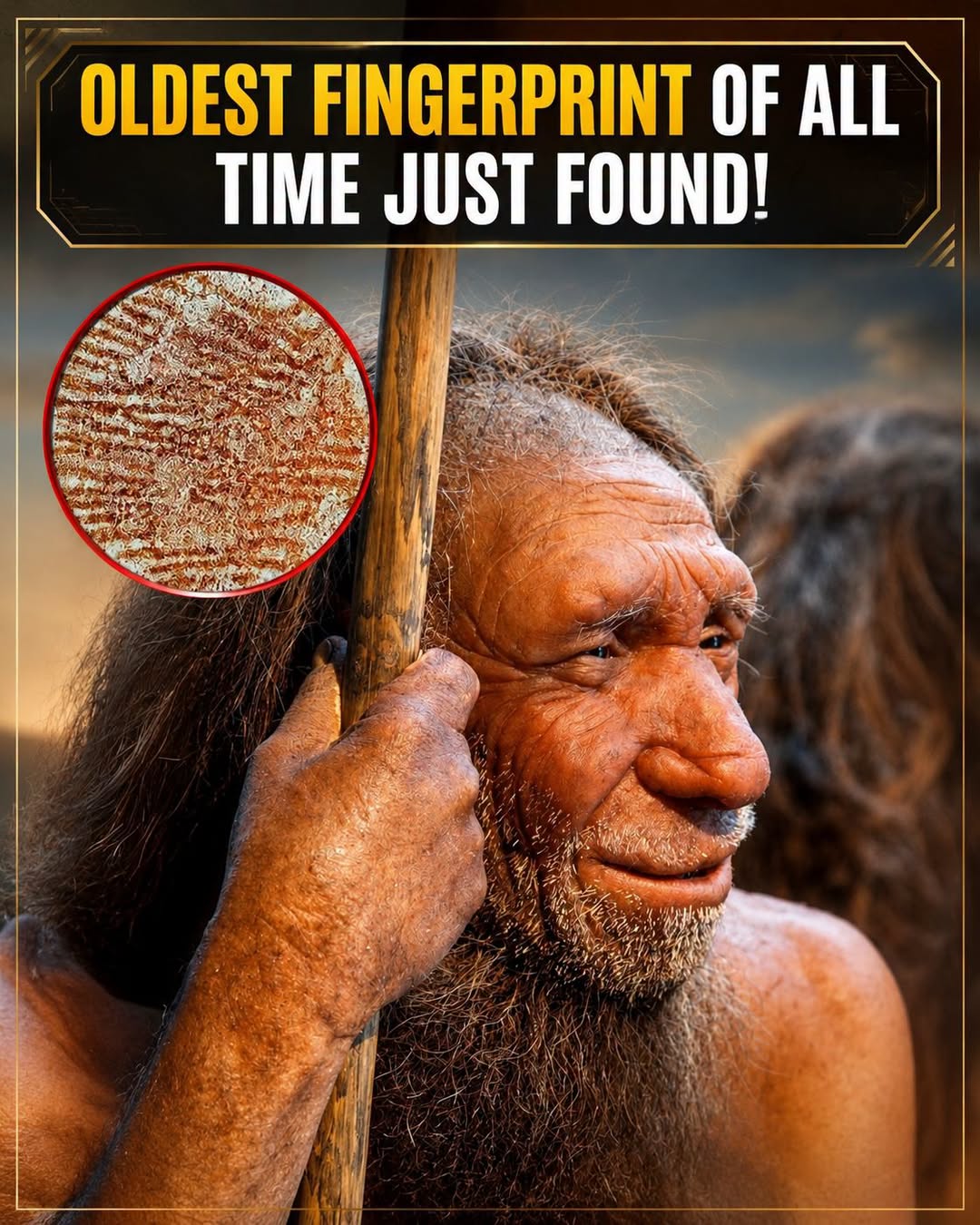
    Archaeologists in northern France have uncovered what is now considered the oldest known human fingerprint ever found. Pressed into ancient clay, the print is believed to have been left by a Neanderthal child between the ages of 7 and 10. The impression, found in the La Roche-Cotard cave system near the Loire River, offers a hauntingly intimate connection to a young individual who lived tens of thousands of years ago.

    This isn’t just a fossil or a tool. It is a human mark. A quiet moment that may have been the result of a child idly pressing their finger into soft clay while playing or perhaps helping shape something as part of a communal task. While Neanderthals are often depicted as brutish or primitive, discoveries like this gently challenge that image. They remind us that these early humans expressed curiosity, creativity, and tenderness in ways not so different from our own.

    The clay fingerprint was preserved in the cool, stable environment of the cave—a rare survival that speaks to both the geological conditions and the quiet presence of human life in that region. The site has long been of interest due to its Mousterian stone tools, which were commonly used by Neanderthals. But this latest find adds a personal, humanising layer to the archaeological record.

    Far from being merely a survival-driven species, Neanderthals made symbolic objects, buried their dead, and now, we know, they left behind the smallest but most powerful trace of humanity—a fingerprint.

    Fun Fact: Fingerprints are unique to individuals, meaning this Neanderthal child’s print is one of a kind in all of history. No one before or since has had the same exact pattern.

    #MockingMerriment
    #FossilDiscovery #Paleontology #AncientHumans #HumanHistory #Neanderthals #PrehistoricLife #HumanEvolution

    #LaRocheCotard #Archaeology

  • MockingMerriment1784121259

    MockingMerriment1784121259

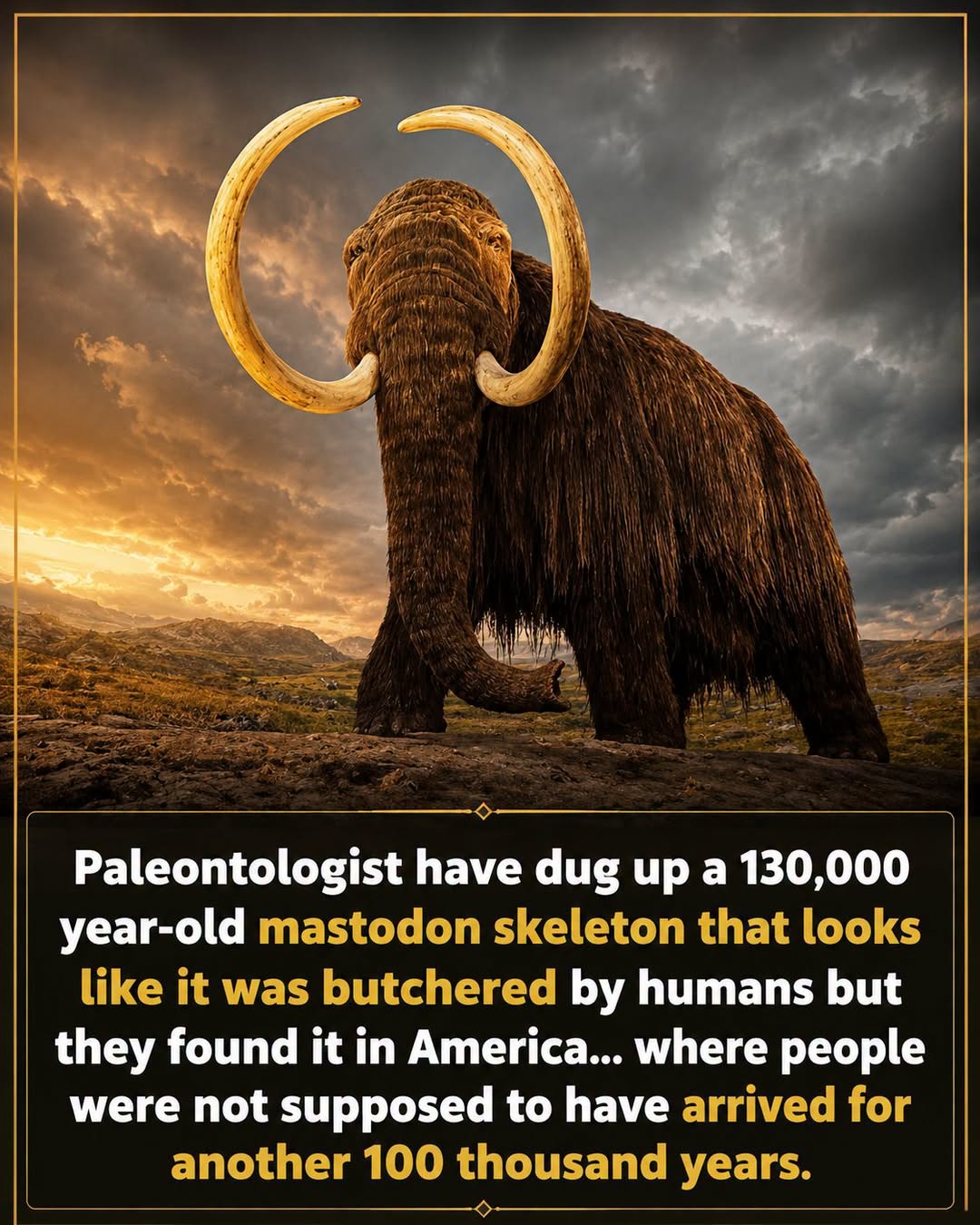
    In 2017, a team of researchers published a discovery that shook the foundations of archaeological timelines. At a site near San Diego, California, scientists uncovered 130,000-year-old mastodon bones that showed signs of deliberate breakage. Nearby, they found large cobblestones with wear patterns suggesting they had been used as hammerstones and anvils—tools commonly associated with early human activity.

    Until this find, the earliest widely accepted evidence of humans in North America dated back to about 15,000 years ago. But the spiral fractures in the mastodon bones, along with the distinct impact marks on the stones, suggested something far more ancient. Radiometric dating using uranium-thorium methods placed the site at roughly 130,700 ± 9,400 years ago, raising the astonishing possibility that humans or human relatives could have reached North America over 100,000 years earlier than previously believed.

    This discovery, detailed in Nature by Holen et al. (2017), has stirred intense debate. Critics argue that natural forces could have broken the bones and displaced the rocks. However, proponents point to the clear evidence of targeted bone breakage and tool use, implying purposeful activity. If confirmed, it would mean that an unknown hominin species crossed into North America during a time when it was thought to be uninhabited.

    While the identity of the toolmakers remains unknown, some scientists speculate that Denisovans or Neanderthal-like hominins could have reached the continent long before Homo sapiens. Ongoing analysis and future discoveries may one day confirm or challenge this radical rethinking of the human story.

    Fun Fact: One mastodon femur at the site showed a fracture pattern similar to bones broken with large stone hammers in controlled experiments today, pointing to deliberate processing.

    #MockingMerriment
    #AncientHistory #EarlyHumans #Paleontology #Mastodon #Archaeology #PrehistoricLife #ControversialFinds

    #FossilDebate #HumanOrigins

  • MockingMerriment1784114021

    MockingMerriment1784114021

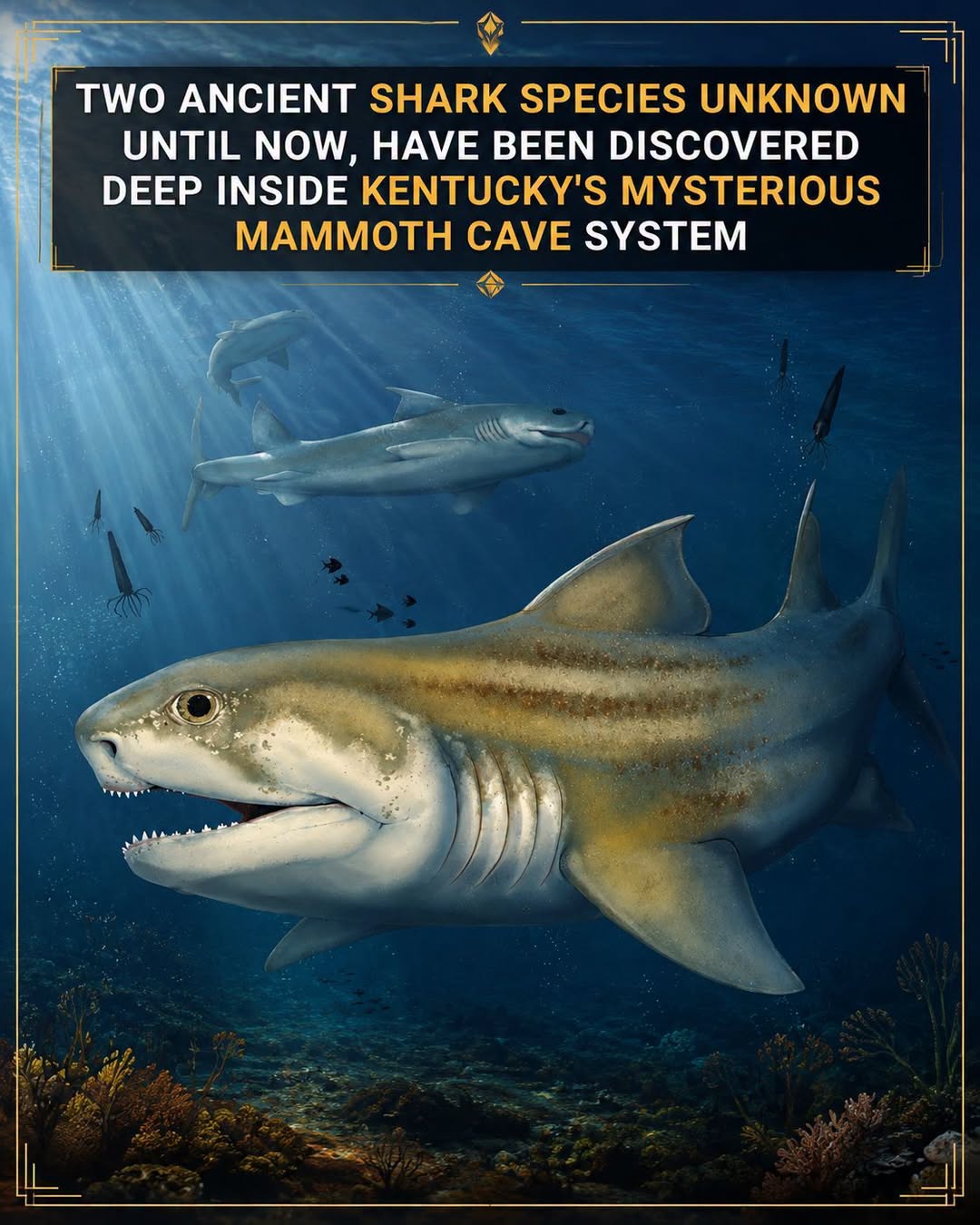
    Deep beneath the forests of Kentucky, a prehistoric secret has surfaced after more than 325 million years. In the shadowy depths of Mammoth Cave—the world’s longest known cave system—scientists have uncovered the fossilised remains of two ancient sharks that once patrolled tropical seas long before the first dinosaur ever walked the Earth.

    These long-lost giants, named Troglocladodus trimblei and Glikmanius careforum, each measured around 12 feet in length and represent a window into an era when much of North America lay submerged beneath a shallow inland sea. This incredible discovery was made inside a fossil-rich stretch of Mammoth Cave, a site now known to contain more than 70 species of ancient fish.

    The preservation of these shark fossils is remarkable, offering clear glimpses of cartilage structures that rarely fossilise. These animals lived during the Carboniferous period, a time of lush swamp forests, rising mountain chains, and the slow merging of Earth’s landmasses into the supercontinent Pangaea.

    What sets this find apart is not just the age of the fossils, but the unique environment in which they were preserved. Unlike open rock beds or seabeds, these sharks were entombed in limestone deep inside a cave system, sheltered from erosion and modern interference for over three hundred million years. Researchers believe the remains will help shed new light on how early sharks evolved in a world that was teeming with marine life, but vastly different from today’s oceans.

    Fun Fact: Mammoth Cave is not just the longest cave system on Earth—it has now also become one of the richest prehistoric shark fossil sites ever found in North America.

    #MockingMerriment
    #MammothCave #PrehistoricLife

    #AncientOceans #Troglocladodus #Glikmanius #PrehistoricSharks #Paleontology #CarboniferousPeriod #FossilDiscovery

  • MockingMerriment1784107421

    MockingMerriment1784107421

    At one point in deep prehistory, our species came shockingly close to vanishing. According to a recent genetic study published in Science, the entire human population dwindled to just around 1,280 individuals nearly 900,000 years ago, during a period of extreme climate upheaval. This bottleneck event, lasting for approximately 117,000 years, wiped out almost 99% of our ancient ancestors, yet it also marked a crucial turning point in human evolution.

    Researchers used advanced genome modelling from over 3,000 modern human DNA samples to trace this population collapse. Their findings line up with a notable gap in the fossil record, offering genetic evidence of a mysterious and transformative era in our history. The cause? The mid-Pleistocene transition, a time when Earth’s climate grew harsher, with longer, colder ice ages and reduced habitable zones across Africa and beyond.

    These intense environmental shifts likely pushed early humans to the edge of extinction. But somehow, a small group of resilient survivors made it through. The mystery of where they lived and how they endured such brutal conditions still fascinates scientists. Some researchers suggest that this survival pressure may have accelerated brain development, pushing forward the cognitive evolution that eventually led to modern humans.

    The study also hints that this crisis may have triggered the emergence of a new hominin lineage, possibly the common ancestor of Homo sapiens, Neanderthals, and Denisovans.

    Fun Fact: The number of surviving humans during this bottleneck was so low that it could have fit inside a small village—and yet from this tiny remnant, billions of humans now populate the Earth.

    #MockingMerriment #HomininEvolution #Pleistocene #Evolution #HumanOrigins #Paleontology #PrehistoricLife #Genetics #AncientHumans

  • MockingMerriment1784100175

    MockingMerriment1784100175

    How did Stone Age humans cross a treacherous 140-mile stretch of open ocean with no modern tools or maps? That mystery puzzled scientists for decades, until a recent experiment brought ancient seafaring back to life. Around 30,000 years ago, prehistoric people left what is now Taiwan and journeyed across the East China Sea to settle the Ryukyu Islands of Japan. But how they achieved this feat remained one of early humanity’s great unanswered questions.

    A team of researchers set out to retrace this ancient voyage, but with a strict rule: they could only use tools and materials available to early humans. Their first two attempts, using basic rafts, ended in failure. That’s when they turned to a different method. They crafted axes from stone, felled a Japanese cedar tree, and carved a dugout canoe using the same primitive techniques believed to have been used by our ancestors. Launching from the eastern coast of Taiwan, they navigated by observing the Sun and stars, just as prehistoric sailors might have done.

    Battling the powerful Kuroshio Current, one of the world’s strongest oceanic flows, they paddled for over 45 hours. Their journey concluded in success when they landed on Yonaguni Island, the westernmost point of Japan. This daring experiment proved that ancient humans had the skill, endurance, and innovation to make such a daunting voyage.

    This research not only validates the migration routes suggested by archaeology but also sheds light on the early use of maritime technology. It reveals a level of navigational intelligence that challenges previous assumptions about human capabilities during the Paleolithic period.

    Fun Fact: The successful canoe used in the experiment weighed over 400 kilograms and was made entirely by hand without metal tools, just as it would have been 30,000 years ago.

    #MockingMerriment
    #Paleolithic #StoneAge #PrehistoricNavigation #AncientHumans #HumanHistory #Seafaring #Archaeology

  • MockingMerriment1784092971

    MockingMerriment1784092971

    T. rex vs. a two-story house—same height. 6 metres—as tall as a two-story house. Its head reaches the roofline. A human silhouette stands on the porch for scale. A reminder that the tyrant king was not just a predator—it was house-sized. A dinosaur that could peek through your bedroom window, but would definitely not fit through the front door. And at its side—a house, a human, a moment of scale. 🏠🦖🌿

    #DDesignHub #TwoStoryHouse #DinosaurComparison #ApexPredator

    #TRexScale

  • MockingMerriment1784027571

    MockingMerriment1784027571

    Ceratosaurus—the horned killer. 23 feet long—a nose horn and bony plates. A human silhouette stands beside it for scale. A reminder that the Jurassic predator was not just a carnivore—it was horned. A dinosaur that could gore and bite, but would definitely not fit in a zoo enclosure. And at its side—a human, a moment of scale, a reminder of how small we are. 🦴🦖🌿

    #DDesignHub #Ceratosaurus #JurassicPredator #Allosaurus

    #HornedKiller

  • MockingMerriment1784013823

    MockingMerriment1784013823

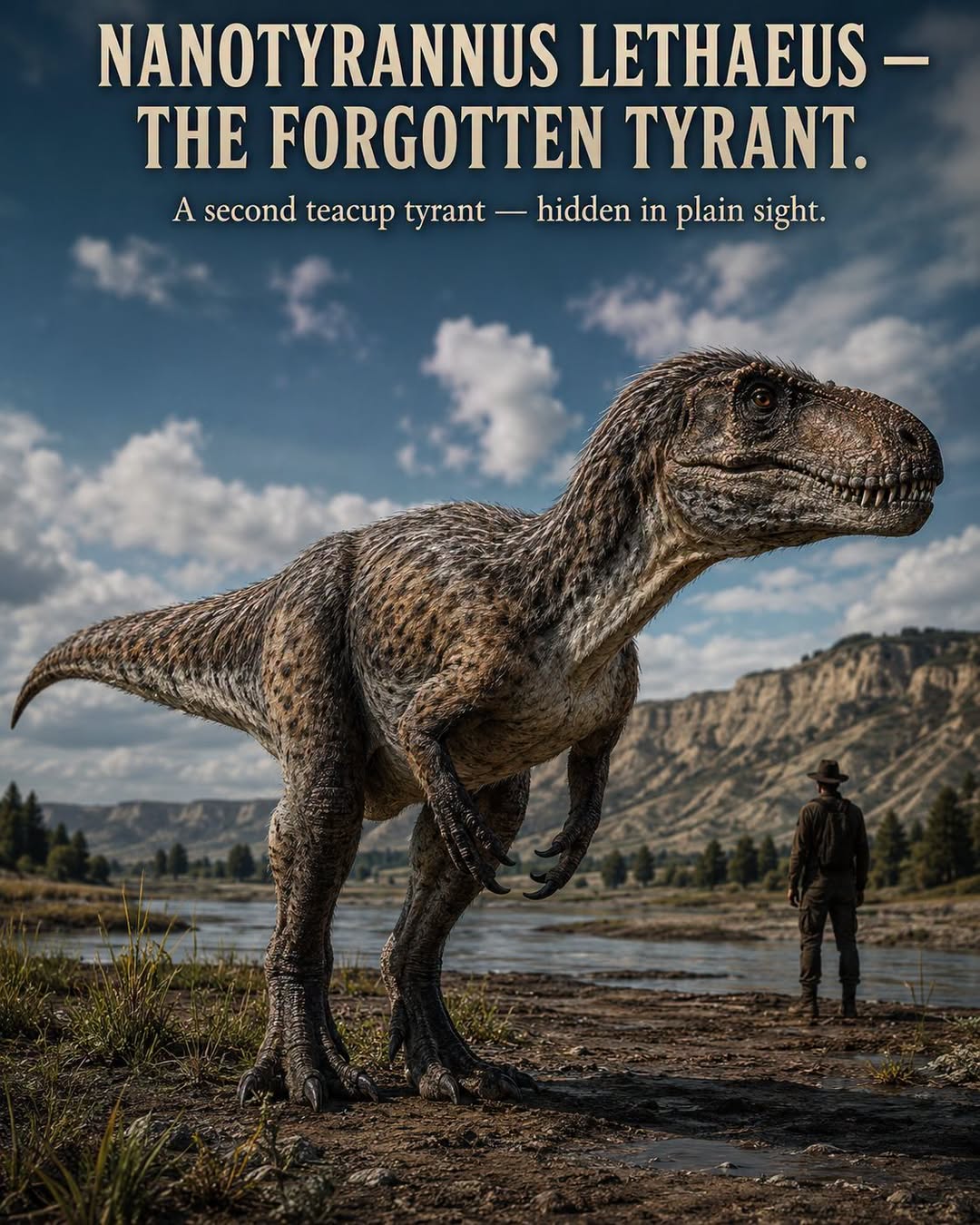
    Nanotyrannus lethaeus—the forgotten tyrant. A second teacup tyrant—hidden in plain sight. A human silhouette stands beside it for scale. A reminder that the Hell Creek Formation is still revealing its secrets. Identified while reexamining 200 tyrannosaur-line fossils, the name refers to the River Lethe from Greek mythology—a nod to how this species remained hidden in plain sight for decades. A dinosaur that could hunt alongside the tyrant king, but would definitely not fit in a museum drawer. And at its side—a human, a moment of scale, a reminder of how small we are. 🌾🦖🌅

    #ForgottenTyrant #NanotyrannusLethaeus #DDesignHub #TeacupTyrant #HellCreek