Author: Kai18

  • MockingMerriment1784662973

    MockingMerriment1784662973

    Long before skyscrapers, smartphones, and satellites, the Earth was home to more than one kind of human. For hundreds of thousands of years, Homo sapiens shared the planet with several other intelligent human species. They walked the same lands, hunted the same prey, and possibly even told stories by the fire.

    Neanderthals were powerful survivors of Ice Age Europe—skilled hunters and toolmakers whose brains were just as large as ours. In the caves of Siberia, we find traces of Denisovans, a mysterious species known more from genetic clues than fossil remains. In Indonesia, Homo floresiensis, known as the “hobbit,” stunned scientists with their small size and unique anatomy. In Africa, Homo habilis earned its name as the first known toolmaker, while Homo erectus became the great traveller, spreading out of Africa and surviving longer than any other human species to date.

    For thousands of years, these species coexisted with us. They may have exchanged knowledge, resources, and even genes. Then, slowly and silently, they vanished. Today, only Homo sapiens remain.

    Why did we survive while the others faded into extinction? Some researchers suggest it was language that gave us an edge. Others point to social bonds, cooperation, or even luck. The truth is still unknown. But their legacy remains in our DNA and in the fragments of ancient skulls and tools that continue to rewrite human history.

    We are not the first. We are simply the last. And their story is part of ours.

    Fun Fact: Up to 2 percent of the DNA in non-African humans today comes from Neanderthals, showing that our ancestors interbred with them tens of thousands of years ago.

    #MockingMerriment #PrehistoricLife #Denisovans #Paleontology #FossilDiscovery

    #Neanderthals #Archaeology #HomoSapiens #AncientHumans #HumanEvolution
  • MockingMerriment1784653374

    MockingMerriment1784653374

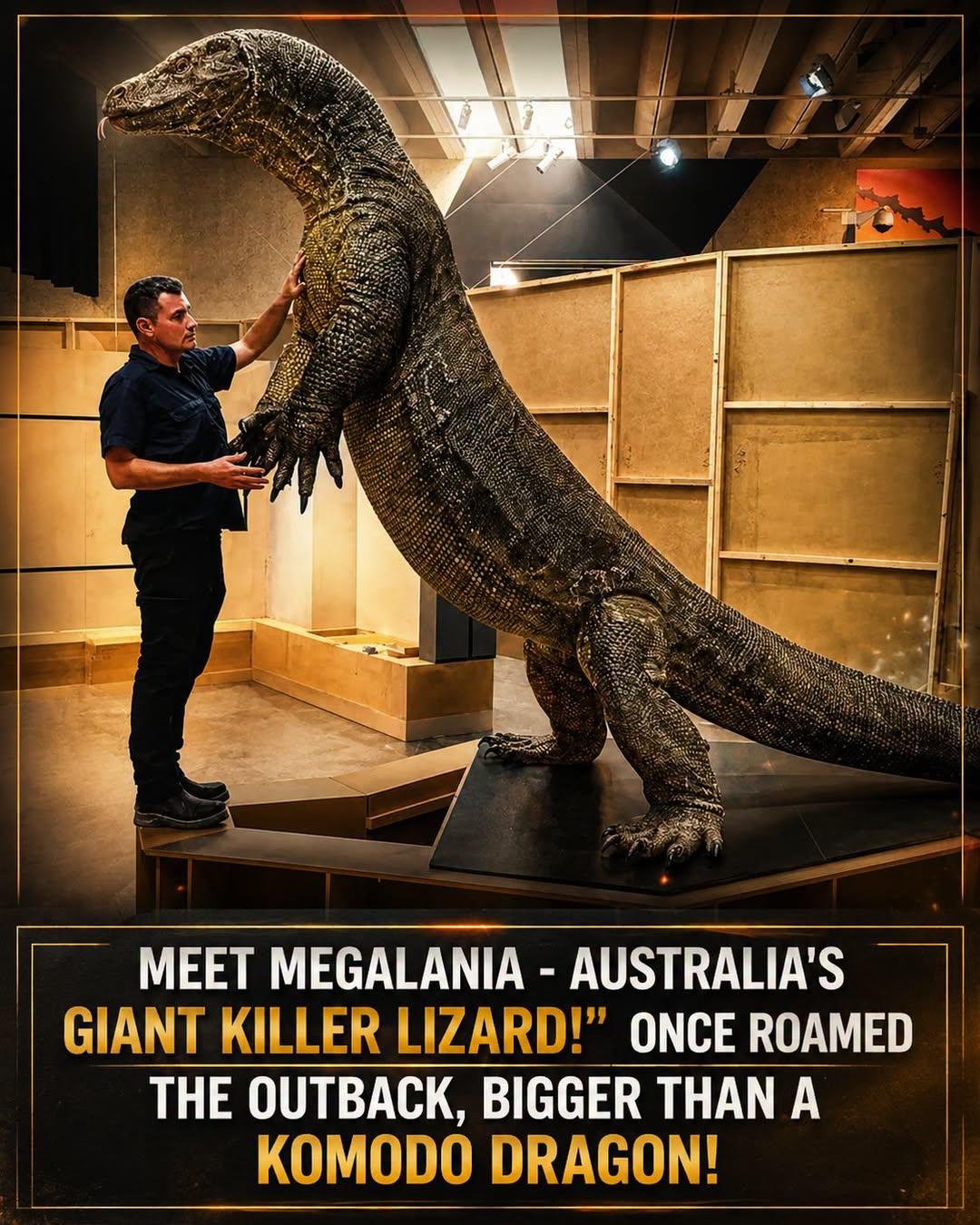
    Step into the prehistoric wilds of ancient Australia, where a colossal predator once ruled the land. At the Queensland Museum, a breathtaking life-sized sculpture of Megalania has just been unveiled, giving visitors a close encounter with the largest terrestrial lizard ever known to walk the Earth. Expertly sculpted by palaeoartists Vlad Konstantinov and Andrey Atuchin, this stunning replica stretches over 7 metres long and revives the terrifying presence of a predator that once stalked megafauna during the Pleistocene epoch.

    Megalania, or Varanus priscus, belonged to the same family as today’s Komodo dragons but reached truly monstrous proportions. It likely hunted large animals such as giant kangaroos, wombats, and may have even preyed on early Aboriginal humans. With its serrated teeth, powerful jaws, and possible venomous bite, it was the apex predator of its time and a formidable force in prehistoric Australia.

    The sculpture is not only a visual spectacle but also a scientific reconstruction based on fossil remains and comparative anatomy with modern monitor lizards. Its lifelike texture, colouration, and imposing stance reflect the growing interest in palaeoart as both a scientific tool and a means of public education. Visitors to the Queensland Museum can now experience what it might have felt like to come face-to-face with one of Earth’s most fearsome reptiles.

    What makes Megalania especially intriguing is how recently it lived. Most estimates suggest it went extinct around 40,000 years ago, overlapping with the arrival of the first humans in Australia. Its disappearance raises fascinating questions about climate shifts, human interaction, and the loss of megafauna in the region.

    Fun Fact: Despite its massive size, Megalania is thought to have been a stealthy ambush predator, using camouflage and surprise rather than speed to overpower its prey.

    #MockingMerriment

    #Palaeoart

    #QueenslandMuseum #Paleontology #AustralianMegafauna #PrehistoricLife #AncientPredators #Megalania #FossilDiscovery #PleistoceneEpoch

  • MockingMerriment1784639677

    MockingMerriment1784639677

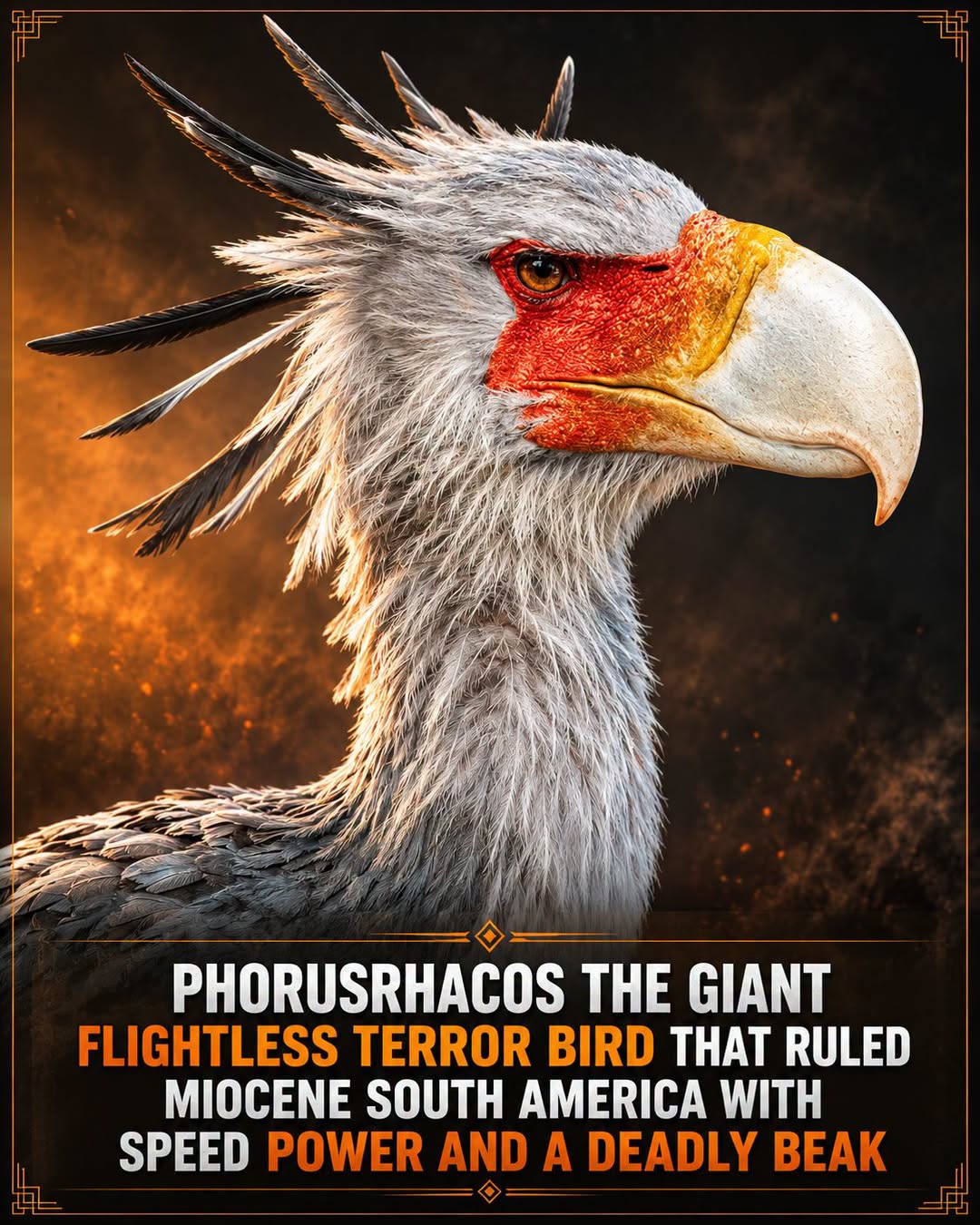
    Phorusrhacos was the ultimate predator that ruled the ancient landscapes of South America long before big cats and canids arrived. Standing nearly 2.4 metres tall with a massive skull and razor-sharp beak, this giant flightless terror bird was built to dominate. Living during the Miocene epoch around 15 million years ago, Phorusrhacos inhabited woodlands and open grasslands in what is now Argentina. Its imposing size and powerful build made it one of the top land predators of its time.

    Weighing approximately 130 kilograms—roughly the same as a modern male ostrich—it was fast on its long, muscular legs and capable of running at high speeds to chase down prey or avoid danger. Phorusrhacos’ skull alone measured nearly 65 centimetres in length, ending in a large, hooked beak that could tear flesh with brutal efficiency or stab into struggling prey. Its strong jaw muscles and sharp claws on three-toed feet enhanced its ability to hunt a variety of animals, including mammals and smaller reptiles. These features earned it the nickname “terror bird,” reflecting its fearsome presence in the Miocene ecosystem.

    Unlike predators that rely on stealth or ambush, Phorusrhacos likely used a combination of speed, power, and its formidable beak to overpower prey. Its keen eyesight and long legs would have made it an excellent pursuit hunter, capable of covering ground quickly across open terrain.

    Though flightless, Phorusrhacos was an impressive survivor in a time when mammalian predators had yet to dominate South America. It represents a unique chapter in the evolutionary history of birds as apex predators that filled niches similar to those of large carnivorous mammals on other continents.

    Fun Fact: Phorusrhacos is part of a family of terror birds that survived until around 2 million years ago, making them some of the longest-lasting giant flightless birds in history.

    #MockingMerriment #MioceneEpoch #PrehistoricLife #Evolution

    #FossilDiscovery #Phorusrhacos #Paleontology #Birds #TerrorBird #AncientPredators

  • MockingMerriment1784632420

    MockingMerriment1784632420

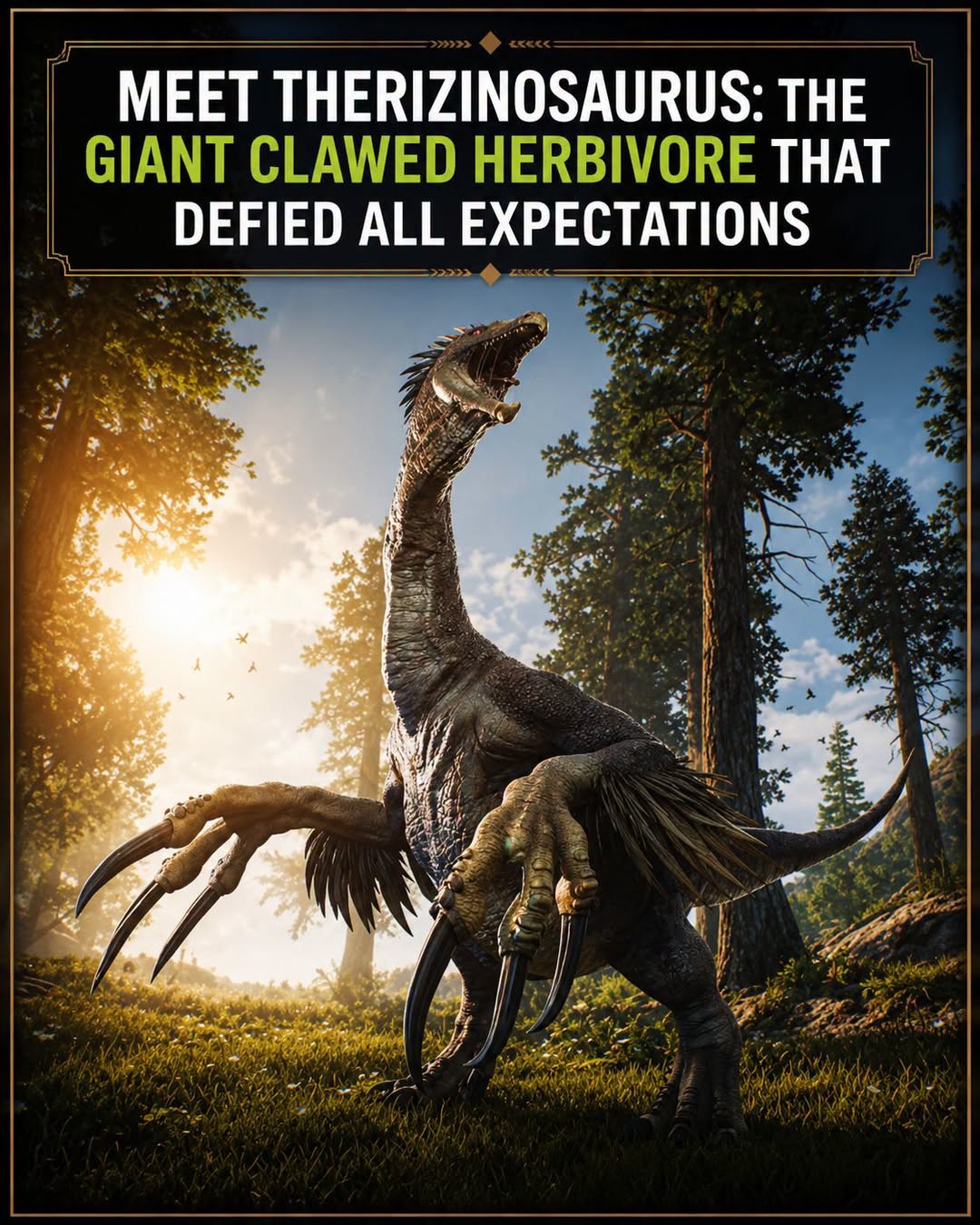
    With claws that stretched over 3 feet long, Therizinosaurus looked like something out of a prehistoric nightmare. But despite its terrifying appearance, this towering dinosaur was not the predator you might assume. Known as the “scythe lizard,” Therizinosaurus was actually a plant-eating giant that roamed the ancient landscapes of Asia around 70 million years ago during the Late Cretaceous period.

    First discovered in Mongolia, Therizinosaurus is one of the largest members of the bizarre group known as Therizinosauria, or “reaping lizards.” These dinosaurs had small skulls, long necks, massive pot-bellied bodies, and three-fingered hands tipped with scythe-like claws. Early scientists were baffled by these claws, initially mistaking the bones for those of a giant turtle. However, further discoveries revealed a surprising truth: this beast was a theropod—part of the same group that includes the fierce Velociraptor and even modern birds.

    Measuring up to 10 metres in length and weighing as much as 6 tonnes, Therizinosaurus defied classification for years. It was originally thought to be a strange sauropod due to the structure of its hips and limbs. But later fossil finds and detailed studies confirmed it was a maniraptoran theropod, closer to birds than long-necked sauropods. Its claws, once thought to be deadly weapons, were likely used for stripping vegetation, pulling down branches, or possibly for defence.

    Despite its odd body plan and intimidating claws, Therizinosaurus serves as a powerful reminder that dinosaur evolution was filled with surprises. It helps paleontologists understand the diverse evolutionary paths that theropods took, leading to some of the most unusual creatures in prehistoric history.

    Fun Fact: Despite its terrifying claws, Therizinosaurus had a tiny head and a beak—perfect for munching on leaves, not flesh.

    #MockingMerriment

    #Dinosaurs #Paleontology #PrehistoricLife #Therizinosaurus #CretaceousPeriod #Maniraptoran

    #Theropods #DinosaurFacts #FossilDiscovery

  • MockingMerriment1784625820

    MockingMerriment1784625820

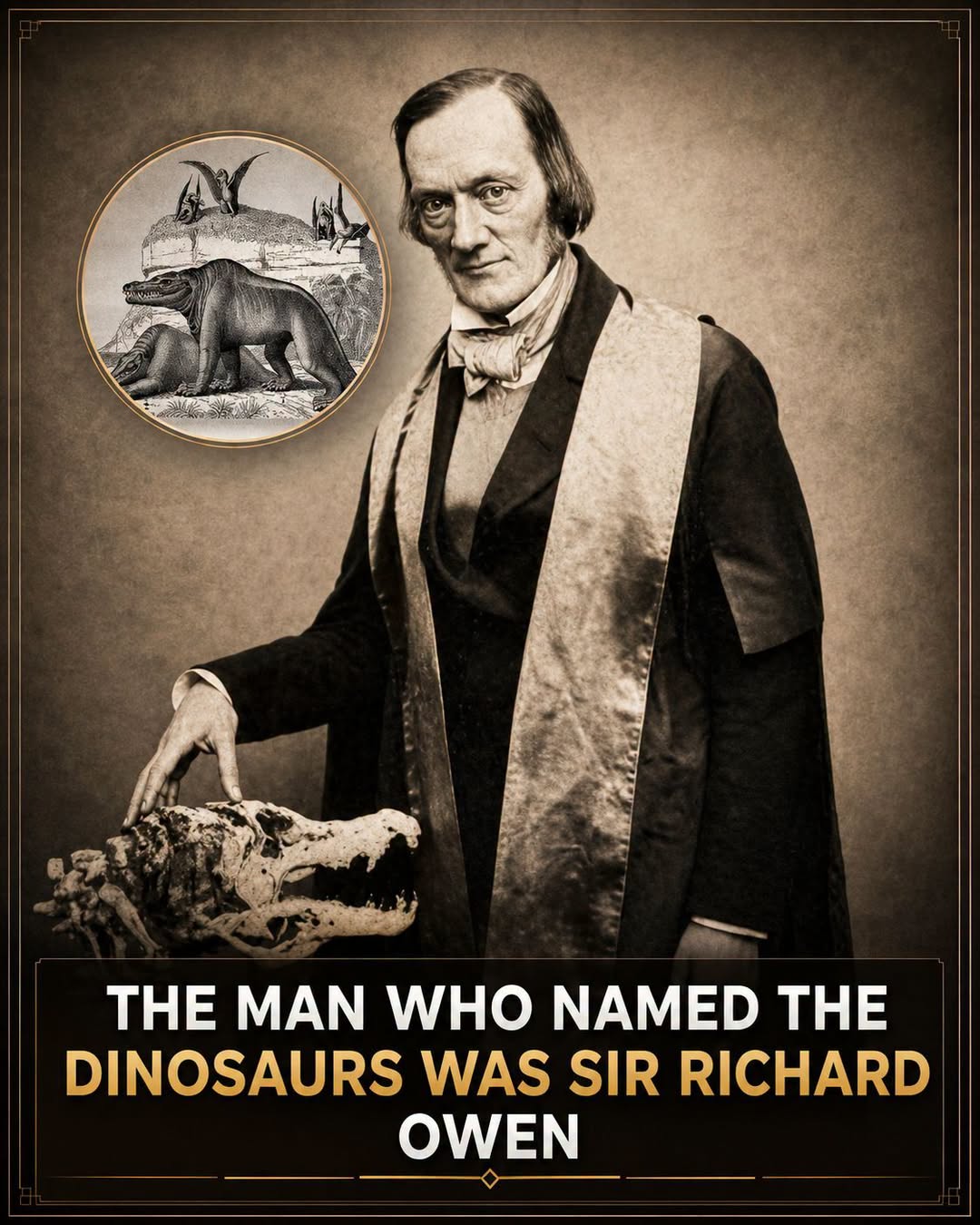
    Few names are as important in the history of paleontology as Sir Richard Owen, the man who gave dinosaurs their very name. In 1841, Owen introduced the term “Dinosauria,” derived from the Greek words deinos—meaning “terrible”—and sauros—meaning “lizard.” This name captured the public imagination and gave identity to a whole new group of prehistoric reptiles unlike any living today.

    While Owen was not the first to uncover dinosaur fossils, his key contribution was recognising that the fossilized bones of Megalosaurus, Iguanodon, and Hylaeosaurus shared unique characteristics that set them apart from modern reptiles. This insight allowed him to group these species together and define them as a distinct order of giant extinct reptiles. His work marked the birth of dinosaur science as a formal discipline.

    Owen was more than just a namer of fossils. He was a passionate advocate for public science education and played a pivotal role in establishing the Natural History Museum in London, which remains one of the world’s leading institutions for the study and display of dinosaurs and other natural wonders. His influence helped shape how museums present prehistoric life and made science accessible to generations of visitors.

    Despite controversies surrounding some of his views and rivalries with other scientists, Owen’s legacy endures in the widespread use of the word “dinosaur” and the foundation he laid for modern paleontology. Thanks to his vision, dinosaurs are not just fossils in the ground but icons of natural history that continue to inspire curiosity and discovery.

    Fun Fact: The first three dinosaurs Owen grouped together—Megalosaurus, Iguanodon, and Hylaeosaurus—are often called the “founding dinosaurs” because they launched the study of Dinosauria as a scientific field.

    #MockingMerriment
    #NaturalHistoryMuseum #STEM #Paleontology #Dinosaurs #ScienceHistory #Dinosauria #RichardOwen #FossilDiscovery #AncientLife

  • MockingMerriment1784618819

    MockingMerriment1784618819

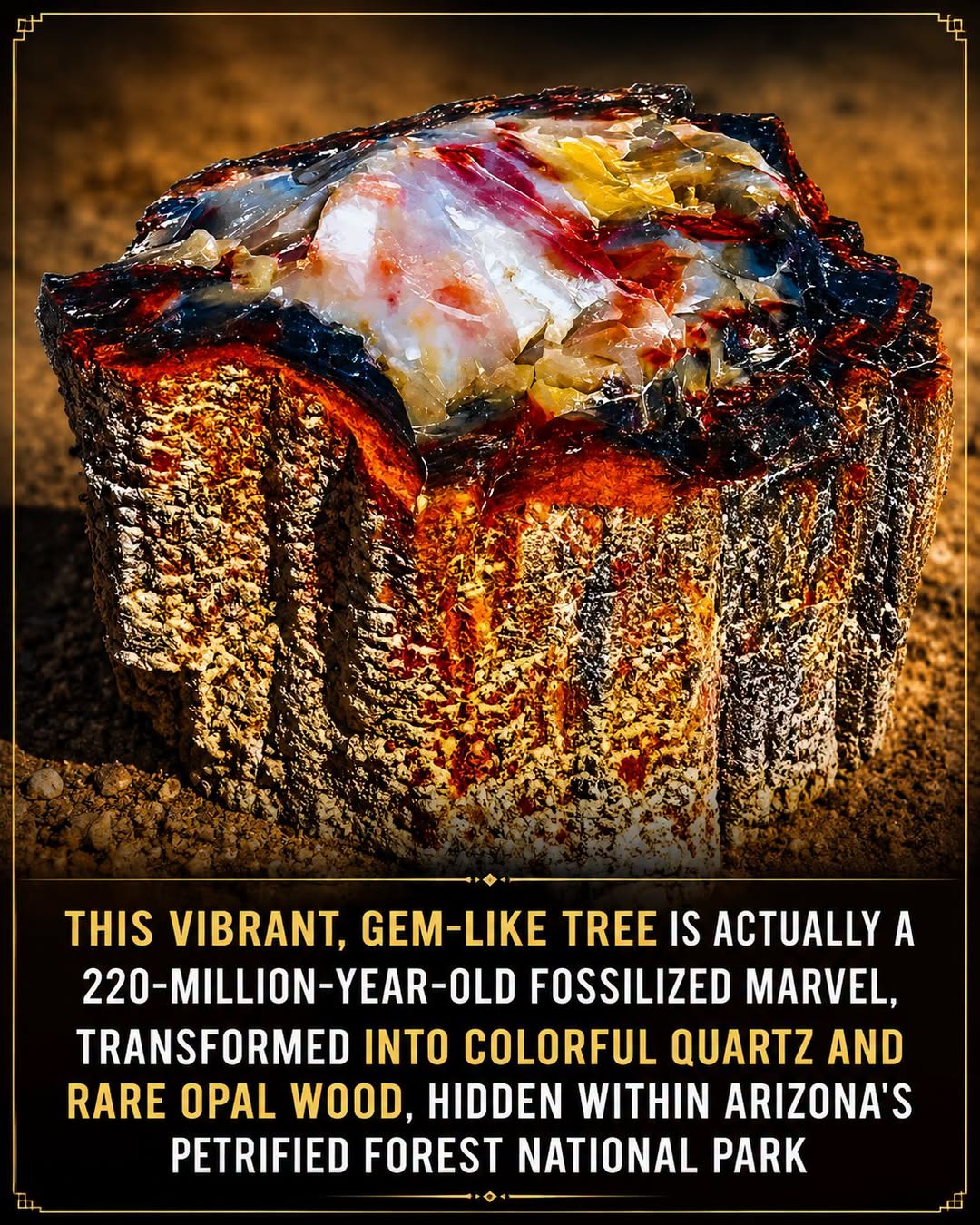
    A tree that once stood tall in the Triassic wilderness, under the scorching sun of ancient Arizona, has undergone one of the most extraordinary transformations in natural history. Rather than decaying over time, this tree became immortalised in stone, revealing a journey of mineralisation that spanned over 220 million years.

    This ancient tree, now part of Arizona’s Petrified Forest National Park, was buried under layers of volcanic ash and sediment. As water rich in dissolved minerals flowed through the ground, the tree’s organic tissues were slowly replaced by quartz, turning it into petrified wood. In rare cases, however, the minerals involved weren’t just silica—they formed opal, one of the most mesmerising gemstones on Earth. This opalised wood glows with brilliant colours, with the cellular structure of the tree still visible beneath flashes of iridescent reds, blues, and greens.

    Petrified wood like this is not just beautiful; it is a powerful record of prehistoric ecosystems. Each mineralised ring of the trunk captures the passage of time in crystalline form. It tells us about the tree’s growth patterns, the surrounding environment, and even the volcanic events that once covered entire forests. Fossilised wood gives scientists insights into past climate conditions and the evolution of plant life long before flowering plants ever emerged.

    What makes opalised wood even more valuable is its rarity. While petrified wood is found in several regions across the globe, opalised specimens are much less common and are often preserved only in isolated locations with specific geological conditions.

    Fun Fact: Some opalised wood samples from Arizona are so vivid they were once mistaken for jewellery-grade gemstones and were illegally collected before strict protections were enforced.

    #MockingMerriment

    #FossilDiscovery #Geology #TriassicPeriod #OpalisedWood #Paleontology #FossilForest #AncientTrees #PetrifiedForest #PrehistoricLife

  • MockingMerriment1784611490

    MockingMerriment1784611490

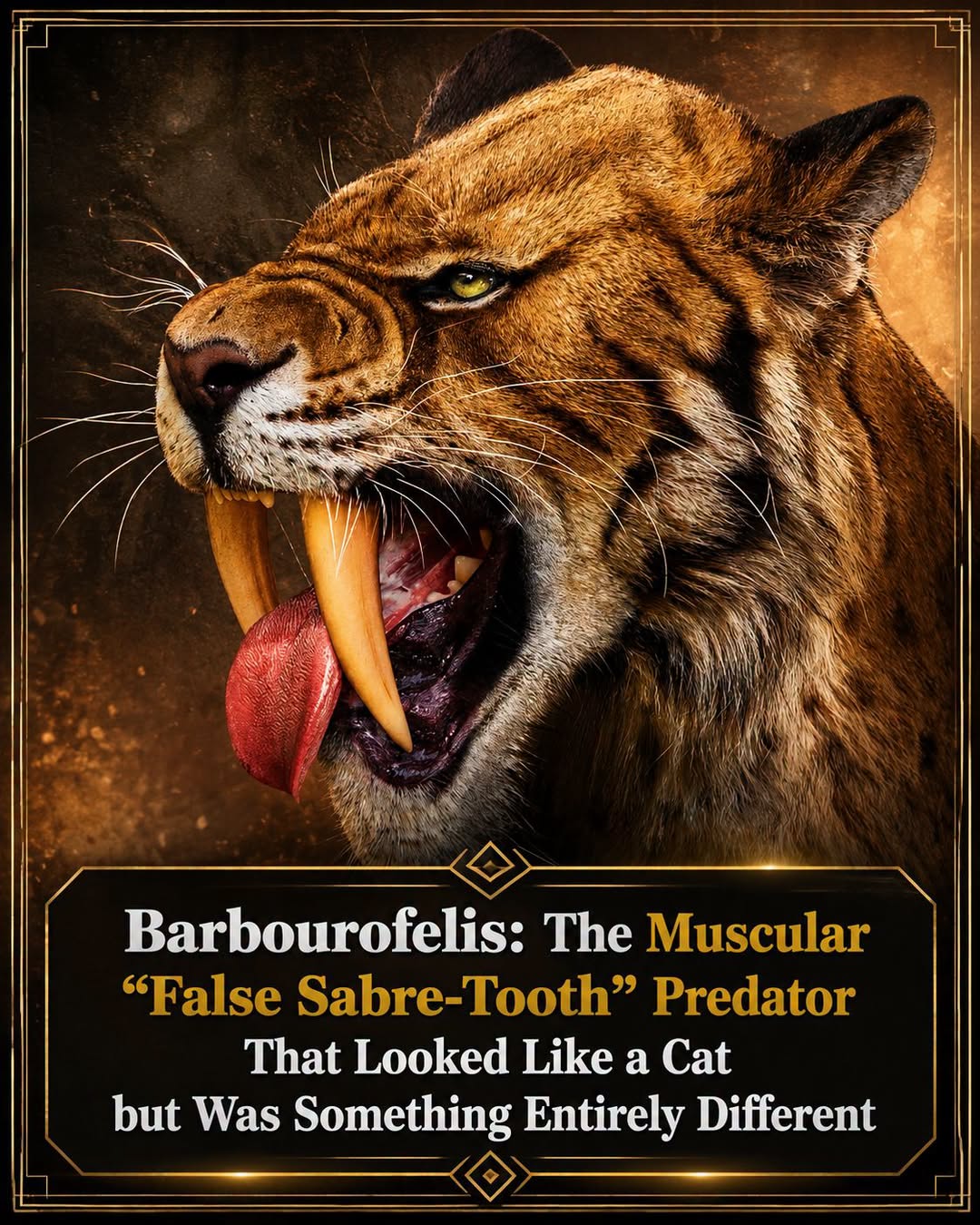
    With massive fangs and a muscular frame, Barbourofelis looked like it belonged in the world of big cats, but it was something entirely different. This fearsome creature roamed North America during the Pliocene epoch and is one of the best-known examples of a “false sabre-tooth cat”—a group of predators that evolved to resemble true sabre-toothed cats, even though they weren’t closely related.

    Reaching up to 1.8 metres in length, Barbourofelis was a heavily built carnivore, with a strong and stocky skeleton that points to immense muscle mass. Its body was built for power, not speed. Fossil evidence suggests that it used ambush tactics rather than chasing down its prey. With large, sharp canine teeth and a broad skull, Barbourofelis likely hunted large herbivores such as early horses, camels, and even juvenile mastodons.

    What makes Barbourofelis so fascinating is its place in the evolutionary tree. It belonged to a now-extinct family of carnivorous mammals called Barbourofelidae. These animals are thought to be more closely related to modern-day hyenas and mongooses than to cats, despite their cat-like appearance. This is a classic example of convergent evolution, where unrelated species evolve similar traits due to similar lifestyles or ecological roles.

    Barbourofelis also had unique features compared to other sabre-toothed predators. Its lower jaw had flanges, or bony extensions, that likely protected its long upper canines when the mouth was closed. These adaptations made it a highly specialised predator, uniquely suited for its time and environment.

    Fun Fact: Despite its feline looks, Barbourofelis was not a true cat and is more closely related to animals like civets and genets than to lions or tigers.

    #MockingMerriment
    #Barbourofelis #AncientPredators #FalseSabretooth #Paleontology #ConvergentEvolution #FossilDiscovery #Pliocene #PrehistoricLife

  • MockingMerriment1784553307

    MockingMerriment1784553307

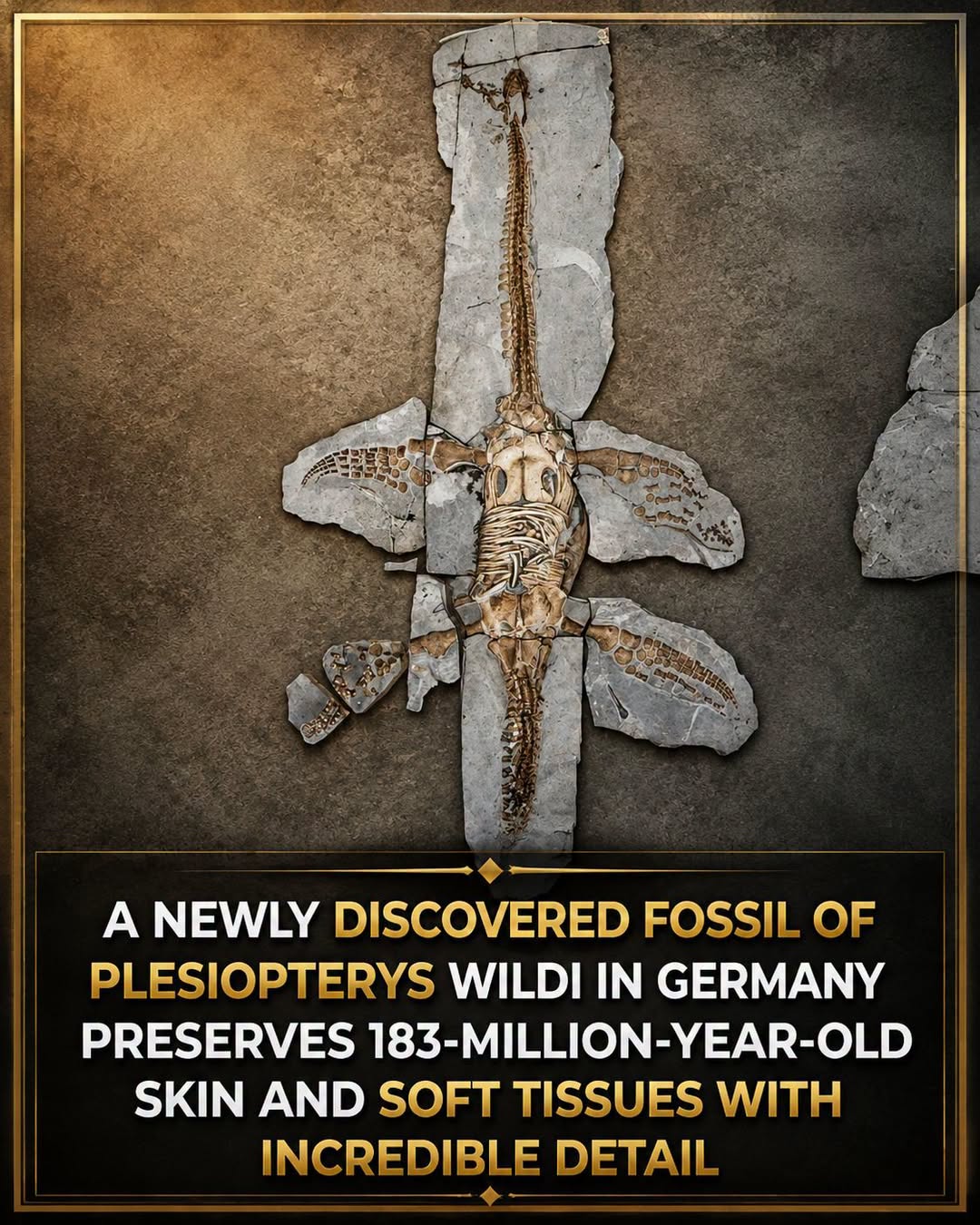
    Soft tissue rarely survives deep time, but one extraordinary fossil from Germany just gave scientists a rare look beneath the surface of prehistory. A newly uncovered specimen of Plesiopterys wildi—a marine reptile from the Early Jurassic—includes preserved skin and microscopic biological features that should have vanished nearly 183 million years ago. The hookline? This fossil doesn’t just show the bones. It shows the skin, the scales, and even the pigment structures of an animal that swam when dinosaurs were just rising to dominance.

    Discovered in the Posidonia Shale of southwestern Germany, this fossil captures Plesiopterys in stunning detail. Its smooth tail skin and delicately scaled flippers hint at a powerful swimmer fully adapted to aquatic life. The preservation is so precise that scientists have found melanosomes—tiny pigment-containing structures—and traces of keratin, the protein found in human skin, hair, and nails.

    The presence of such organic materials offers powerful insights into the life and appearance of Jurassic marine reptiles. These animals were not just sleek and fast but may have had patterns or coloration for camouflage or communication, much like marine animals today.

    This level of preservation is nearly unheard of in fossils of this age. It suggests the animal was buried rapidly after death in an anoxic, oxygen-poor seabed that prevented bacteria from breaking down soft tissues. As a result, not only did the skeleton remain intact, but even microscopic skin structures were left untouched by time.

    Fossils like this challenge our assumptions about what can be preserved and show that, under rare conditions, even the most delicate features can survive for millions of years. It is a snapshot of biology suspended in stone, offering researchers new opportunities to reconstruct the soft anatomy and ecology of ancient marine reptiles with more accuracy than ever before.

    Fun Fact: This fossil includes preserved melanosomes—the same structures that give squid their ink and determine human hair colour.

    #MockingMerriment

    #PrehistoricLife #SoftTissuePreservation #FossilDiscovery #MarineReptiles #Plesiopterys #JurassicPeriod #Evolution

    #Paleontology #AncientOceans

  • MockingMerriment1784545975

    MockingMerriment1784545975

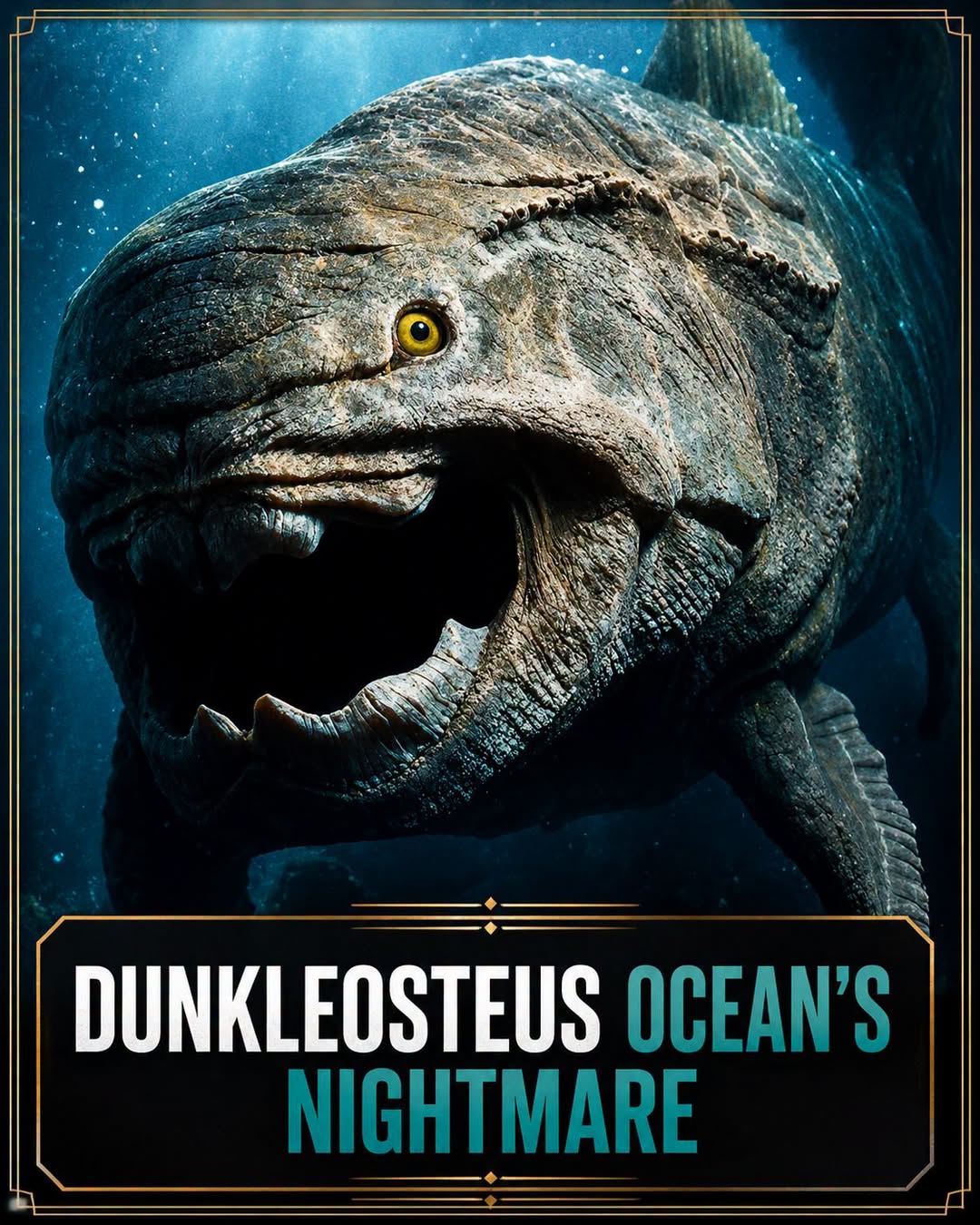
    With a face like a tank and jaws that could slice through bone, Dunkleosteus ruled the ancient oceans long before the age of dinosaurs. This extinct genus of giant arthrodire fish swam the open waters during the Late Devonian period, around 382 to 358 million years ago, earning its place as one of the earliest known apex predators in Earth’s history.

    As a pelagic hunter, Dunkleosteus thrived in deep, open waters and grew to massive lengths, with some specimens estimated at over 30 feet long. Its head and front torso were encased in thick dermal armour made from large, bony plates. While popular sources often claim this armour was 2 to 3 inches thick throughout the body, this was only true in select areas like the nuchal plate at the back of the skull. The rest of its body had thinner plating, measuring roughly 0.33 to 1 inch in thickness.

    What truly sets Dunkleosteus apart is the structure of its bones. The plates had both a hard outer cortical layer and an inner spongy, marrow-filled cancellous layer. This composition is more similar to tetrapod bones than to those of most modern fishes, hinting at the complex evolutionary developments already taking place in early vertebrates.

    Instead of teeth, Dunkleosteus had sharp bony blades that formed part of its skull, capable of delivering a bone-crushing bite. Its rapid jaw motion allowed it to create suction to pull prey in before slicing them apart, making it one of the most efficient marine predators of its time.

    Fun Fact: Dunkleosteus belongs to a group of fishes known as arthrodires, meaning “jointed neck,” which allowed it to open its massive jaws wide without sacrificing skull protection.

    #MockingMerriment
    #Paleontology #DevonianPeriod #MarinePredators #FossilFacts #Dunkleosteus #Placoderms #ApexPredator

    #PrehistoricLife #AncientOceans

  • MockingMerriment1784516572

    MockingMerriment1784516572

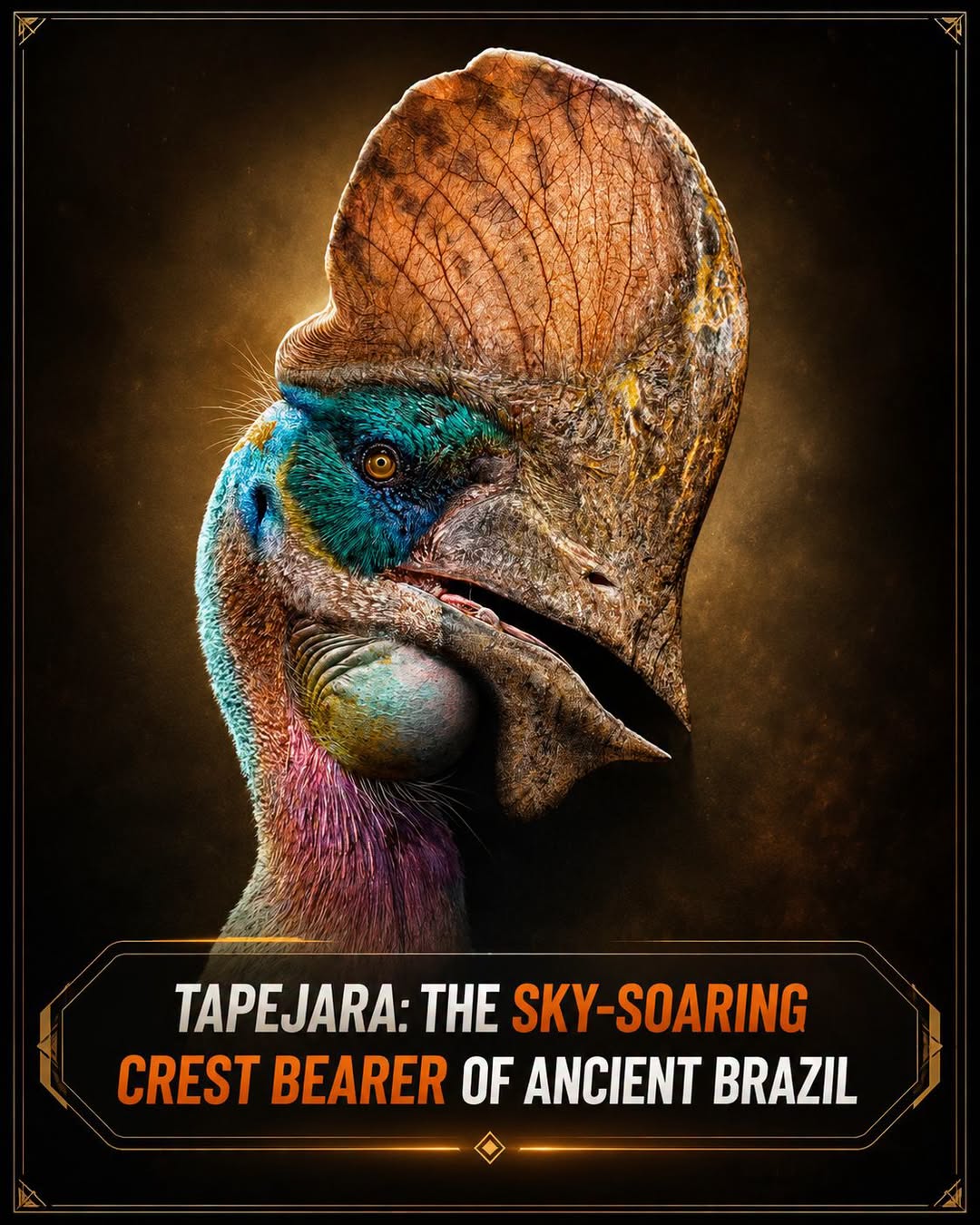
    Soaring over the lush landscapes of Cretaceous Brazil, Tapejara was one of the most striking pterosaurs of its time. With a wingspan of about 1.3 metres, it wasn’t the largest pterosaur, but its dramatic head crest made it instantly recognisable and a favourite among palaeontologists and dinosaur fans alike.

    Living around 100 million years ago, Tapejara belonged to a diverse group of flying reptiles known as pterosaurs. What set Tapejara apart was its unique crest: a semicircular structure rising from its snout, combined with a backward-pointing bony prong that extended behind the skull. This crest has sparked much speculation, with scientists suggesting it may have been used for display, species recognition, or even to help with flight stability by acting like a rudder.

    Despite its fierce appearance, Tapejara was not a predator of large animals. It is believed to have had a varied diet, possibly including fruits, seeds, and small animals like insects or fish. Its lightweight bones and aerodynamic wings made it an agile flier, likely capable of gliding over long distances as it searched for food across prehistoric lagoons and forests.

    The fossils of Tapejara were first discovered in the Santana Formation of Brazil, a site known for its exceptional preservation of pterosaurs, fish, and other Cretaceous life. These discoveries continue to offer scientists a clearer picture of pterosaur diversity in South America and how these creatures evolved to dominate the skies for millions of years.

    Fun Fact: The name Tapejara comes from a Tupi word meaning “old being,” a nod to the rich Indigenous history of Brazil and the ancient age of this flying reptile.

    #MockingMerriment
    #CretaceousPeriod #Dinosaurs #FossilDiscovery #PrehistoricLife #Paleontology #Pterosaurs #Tapejara #FlyingReptiles