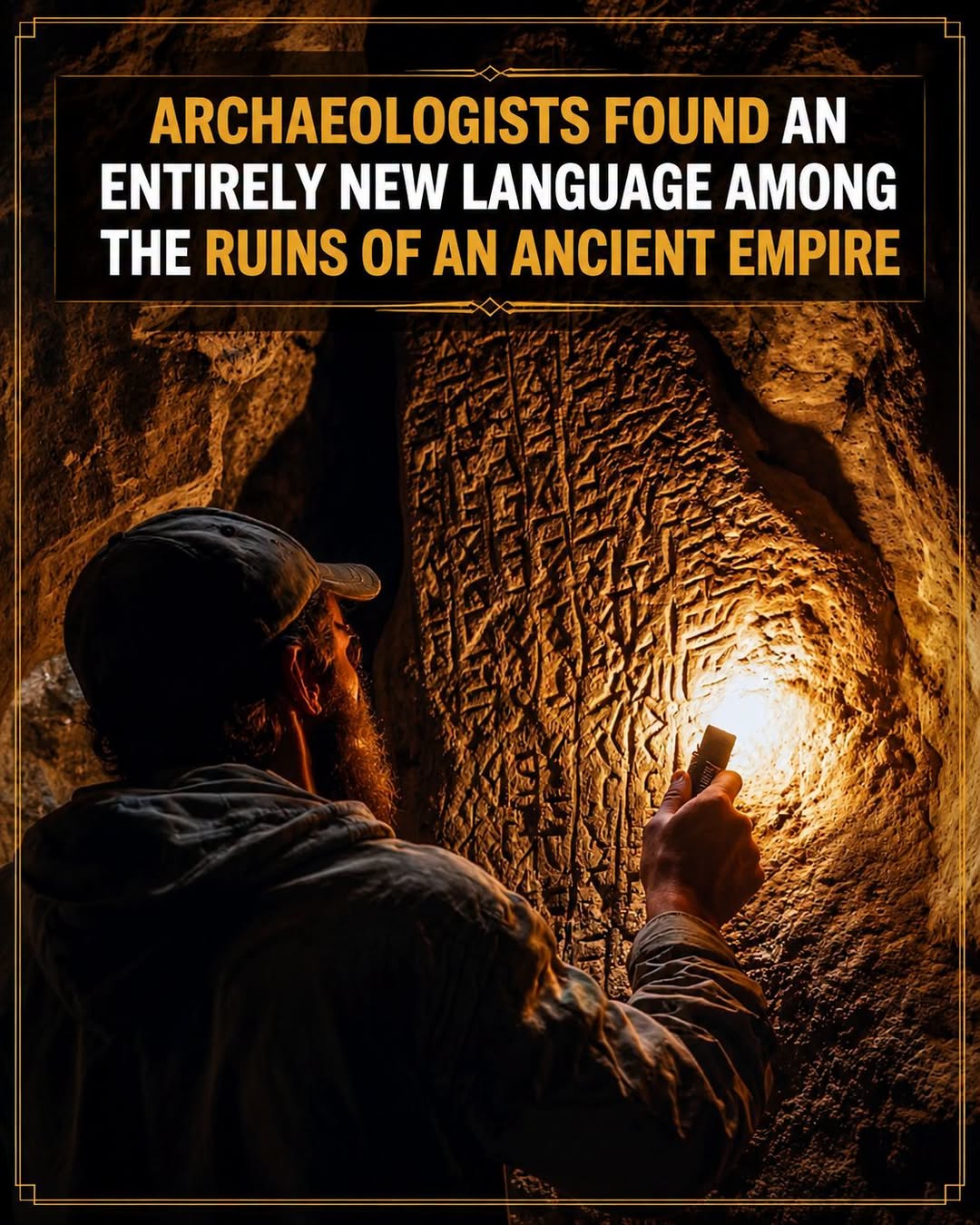
A mysterious voice from the Bronze Age has just echoed back into our world. Deep within the ruins of Hattusha, the ancient capital of the Hittite Empire, archaeologists have uncovered a previously unknown language hidden inside a clay tablet. This rare find, believed to originate from the region of Kalašma in northwestern Anatolia, adds a fresh chapter to the complex linguistic history of ancient civilizations.
While most of the 30,000 cuneiform tablets found at Hattusha are written in the Hittite language, this new script stands apart. Written as part of a cultic ritual, the language was referenced by scribes as belonging to Kalašma, a frontier community of the empire. What makes this so significant is that it is not just a variation of known Hittite dialects, but a potentially distinct language that offers new insight into how diverse and multicultural the Hittite world really was.
The language appears to have similarities to Luwian, another Anatolian tongue, but its full structure and meaning remain undeciphered. This linguistic puzzle hints at a network of regional languages once spoken across the Hittite Empire, many of which have disappeared entirely from the archaeological record.
These kinds of discoveries are rare and precious. Each new language recovered from the past challenges our assumptions and reminds us that ancient people had rich, diverse cultural identities. Language is one of the most intimate tools of human expression, and finding a new one after thousands of years is like meeting a ghost who still has a story to tell.
Fun Fact: The Hittites often included foreign languages in their ritual texts not just for communication, but to invoke the specific power of gods from far-off lands. Speaking the right language was believed to awaken the right deity.
#MockingMerriment
#Hattusha #Linguistics #HumanHistory #Archaeology #CulturalHeritage
#BronzeAge #Hittites #AncientLanguages #AncientCivilizations
Leave a Reply
You must be logged in to post a comment.