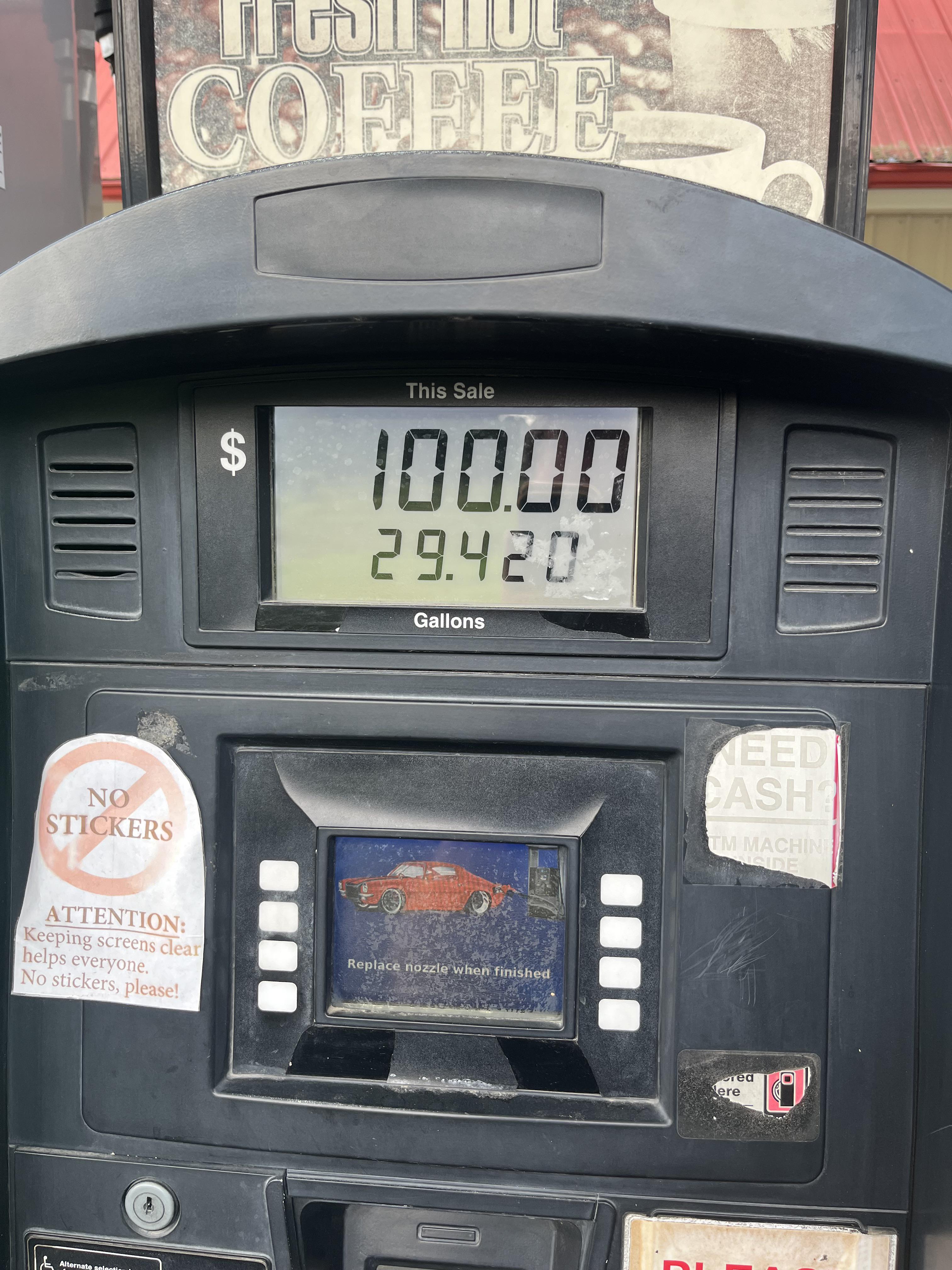
I was filling up the (assumed) 30 gallon tank on my 2015 Ford F150 because it had been on E for a little bit. When the pump automatically just off, it landed right on $100 even. With the price of the gas being $3.39 a gallon in my area, is there a way to calculate the odds of this happening?
Blog
-
1782405148Not–Asleep156
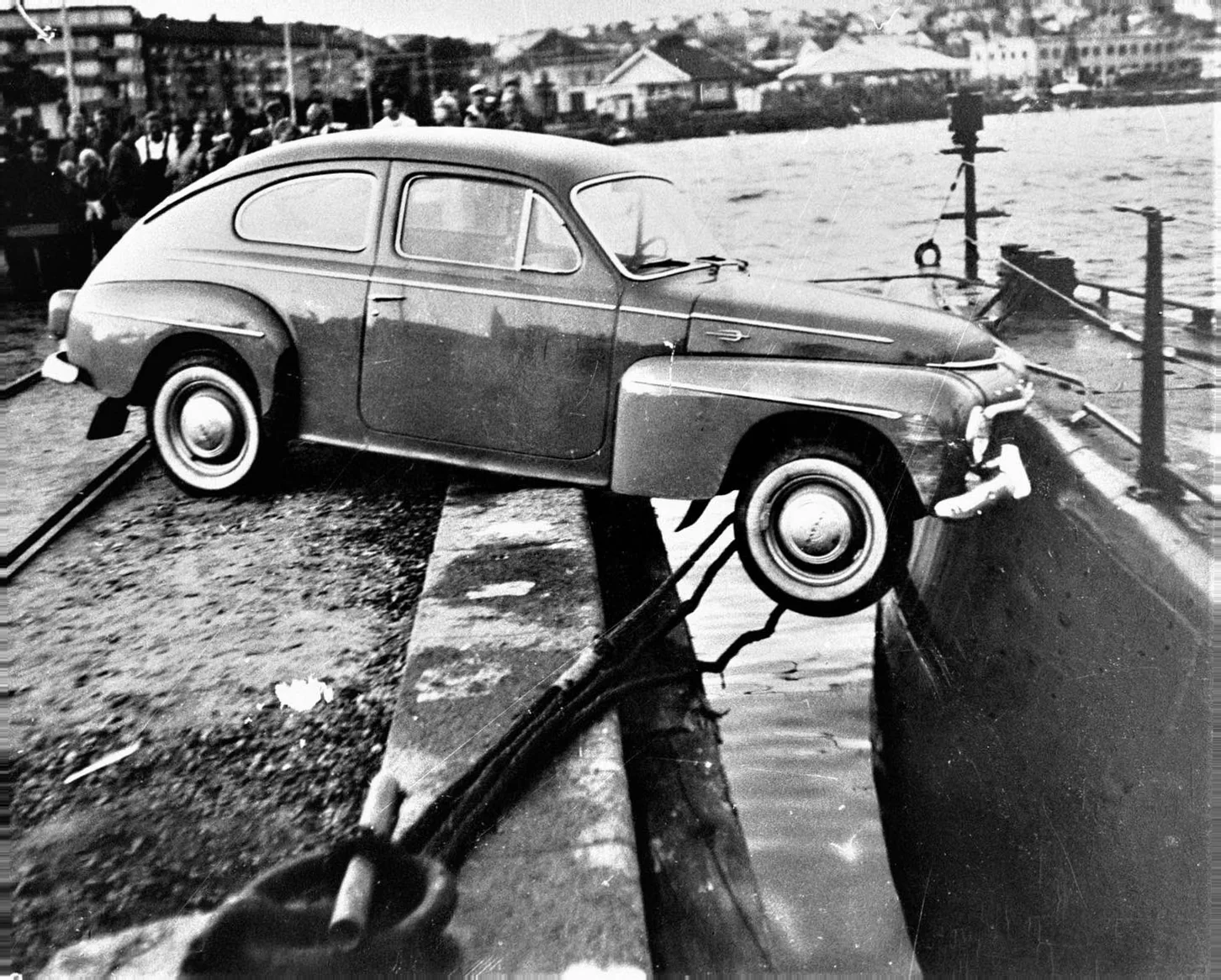
The worl’s only record accident between a car and a submarine A Volvo Pv544 crashed into a docked sub in Lysekil ä, Sweden on the 19th of August 1961.
-
1780337257ShyRye_ShyRye12
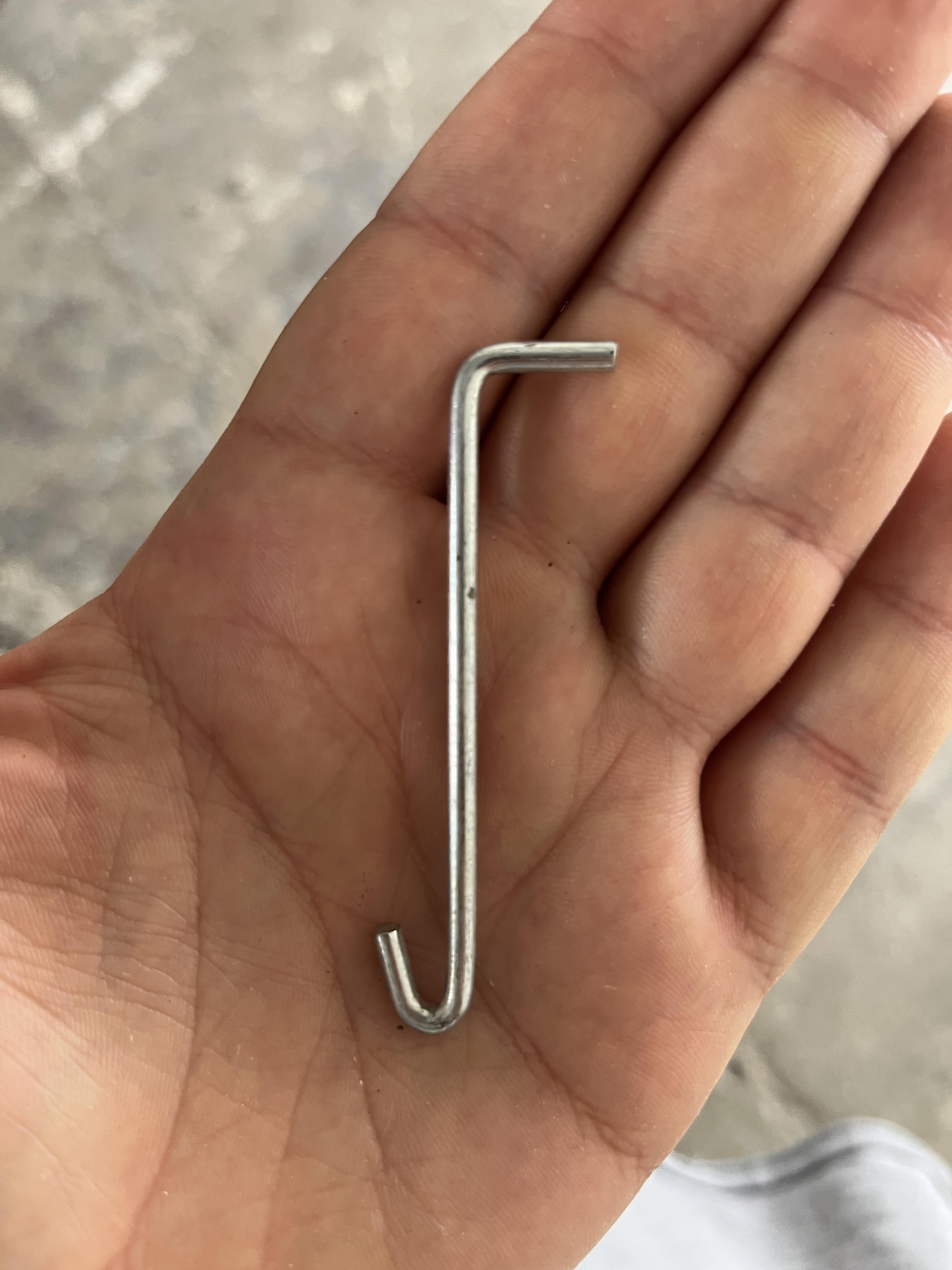
what is this? about 7cm long 2 cm wide, galvanized steel, found it in a misc screw jar
-

1784027459peanutbutterandguava161
🔥 Lake Bachalpsee in a Grindelwald, Switzerland. An absolute dream
-

1783483145DoesnotspeakSwedish221
Looking at Admiralty Island from Douglas Island, Southeast Alaska [4000 x 2252] [OC]
-
BehindWings1784412017
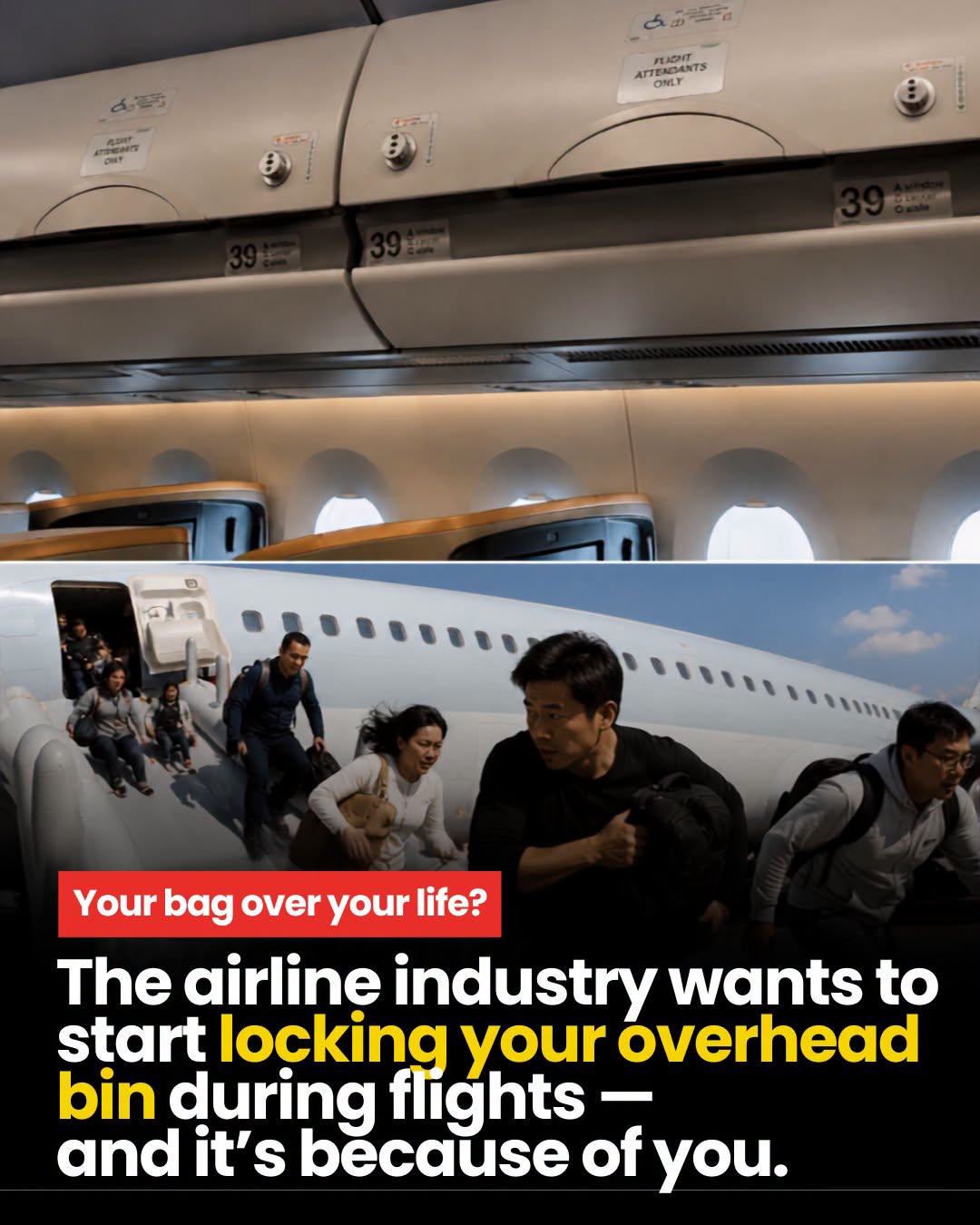
A new study found that 4 in 10 passengers admit they’d try to grab their carry-on during an emergency evacuation instead of getting off the plane immediately.
That number is why IATA — the trade group representing airlines worldwide — is now openly floating a fix: hard-locking the overhead bins shut during flight so nobody can open them, emergency or not.
Right now, IATA is starting with a campaign called “Leave Your Bag, Save a Life,” urging passengers to leave everything behind and head straight for the exit.
The FAA and Europe’s EASA are both backing the push.
But IATA’s own Nick Careen has made clear that education is just step one.
If passengers don’t change their behavior, the locked bins are next.
The numbers explain why the industry is done asking nicely.
80% of passengers think they already know the evacuation rules.
Only 61% actually got it right — leave the bags.
The campaign also flags people stopping to film the evacuation on their phones, clogging the aisle for everyone behind them.
So — do you want the airline industry locking you out of your own bag, or is that the only way this behavior changes?
#evacuation #IATA #leaveyourbagsavealife
-
MockingMerriment1784409825
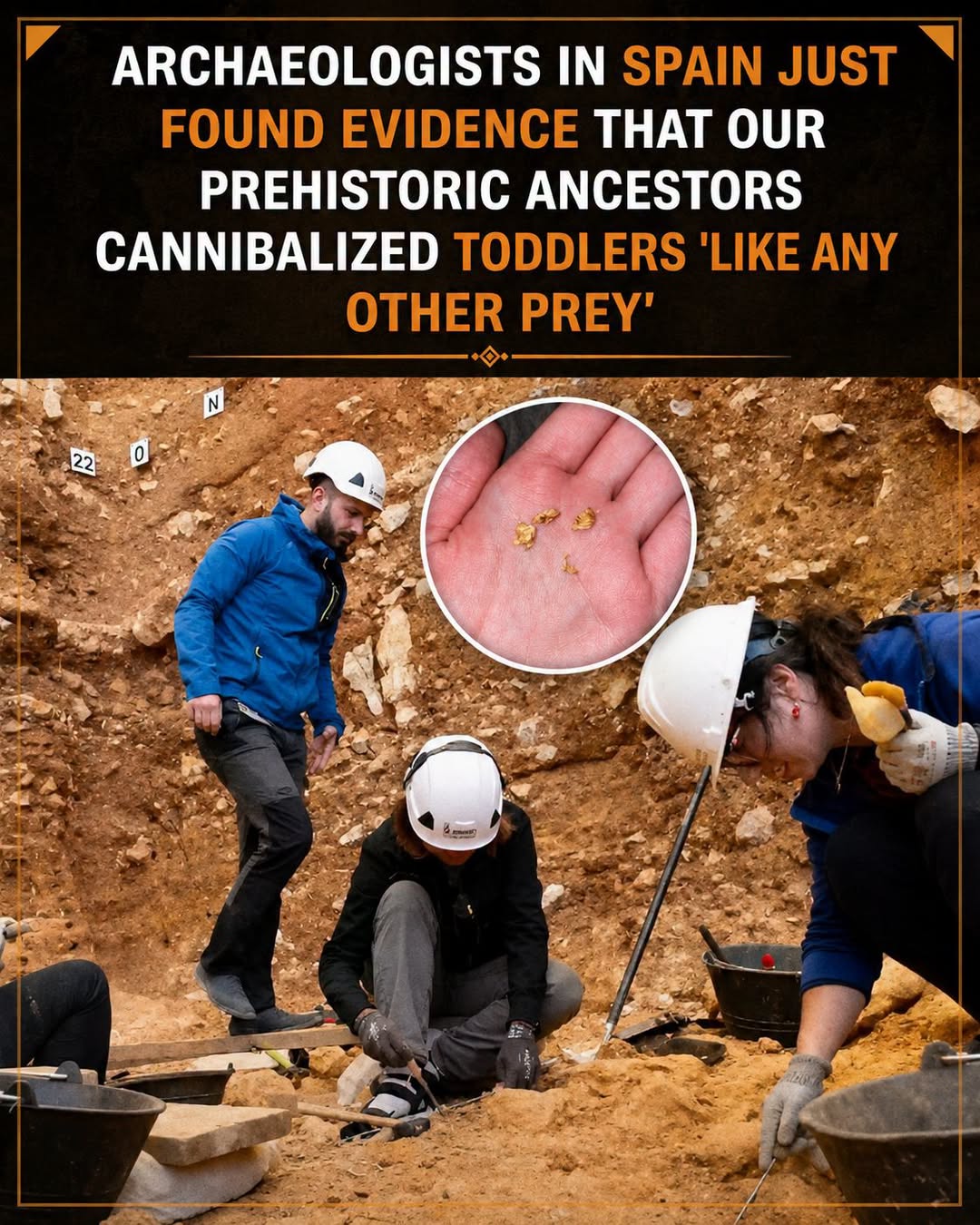
What if the oldest known case of cannibalism wasn’t driven by cruelty—but by survival? Inside the depths of Spain’s Gran Dolina cave in Atapuerca, archaeologists uncovered a chilling find: the 850,000-year-old remains of a toddler, processed and butchered by Homo antecessor, one of our earliest human ancestors. The child was only around two years old—and the bones showed signs of decapitation, defleshing, and intentional fracturing, matching patterns typically seen in prehistoric butchery.
This isn’t fiction. It’s the oldest known evidence of cannibalism in human evolution, dating back nearly a million years. The discovery was made during a recent excavation led by researchers studying Homo antecessor, a species believed to be the last common ancestor of both Homo sapiens and Neanderthals. These ancient humans lived in the Atapuerca region between 1.2 million and 770,000 years ago.
The remains were found alongside the bones of other animals—all showing similar processing marks. As one researcher put it, “The child was processed like any other prey.” This wasn’t ritualistic or symbolic. This was survival in a harsh Ice Age world, where resources were scarce and even the young weren’t spared. These behaviors provide haunting, yet critical insight into the brutal realities of early human life.
While this discovery is deeply unsettling, it also opens new windows into the complexities of our species’ past—where early humans made unthinkable choices just to stay alive.
Fun Fact: Over 30% of all hominin fossils found at Gran Dolina show signs of cannibalism—suggesting it wasn’t rare, but perhaps a normalized survival strategy during prehistoric times.
#MockingMerriment
#GranDolina #Atapuerca #FossilDiscovery #PrehistoricLife #HumanEvolution #IceAgeSurvival #HomoAntecessor #HumanHistory #Archaeology #Paleoanthropology
-
VietGiaiTriNews1784411492
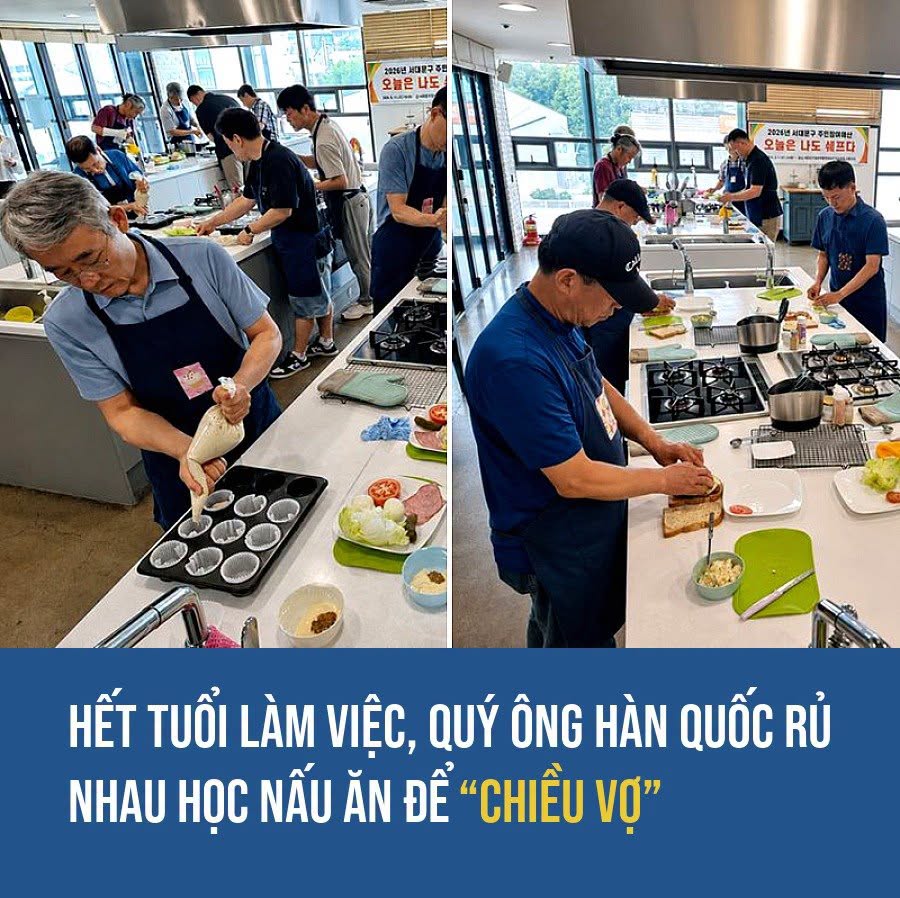
QUÝ ÔNG HÀN QUỐC DẤN THÂN VÀO BẾP ĐỂ CHIỀU VỢ VÀ TỰ LẬP
Trong bối cảnh già hóa dân số, quận Seodaemun, Seoul mở lớp dạy nấu ăn cho nam giới trung niên và cao tuổi với chủ đề Những người đàn ông làm bánh. 15 học viên từ 50 đến 70 tuổi tham gia, chăm chú làm muffin việt quất và sandwich giăm bông phô mai, dù bột trộn chưa đều hay khuôn bị tràn. Không khí háo hức xen lẫn mùi bơ thơm lan tỏa khi lò nướng bật sáng. Lớp học không chỉ trang bị kỹ năng mà còn giúp họ san sẻ công việc gia đình, bước sang nhịp sống mới sau nghỉ hưu. Người đề xuất chương trình cho biết động lực từ sự cô lập xã hội ở người cao tuổi; kết quả tích cực khiến chính quyền xem xét duy trì chương trình trong năm tới.
#HanQuoc #VanHoa #shi-Uq7t