Author: Kai99

  • justaevolvedchimp1784642462

    justaevolvedchimp1784642462

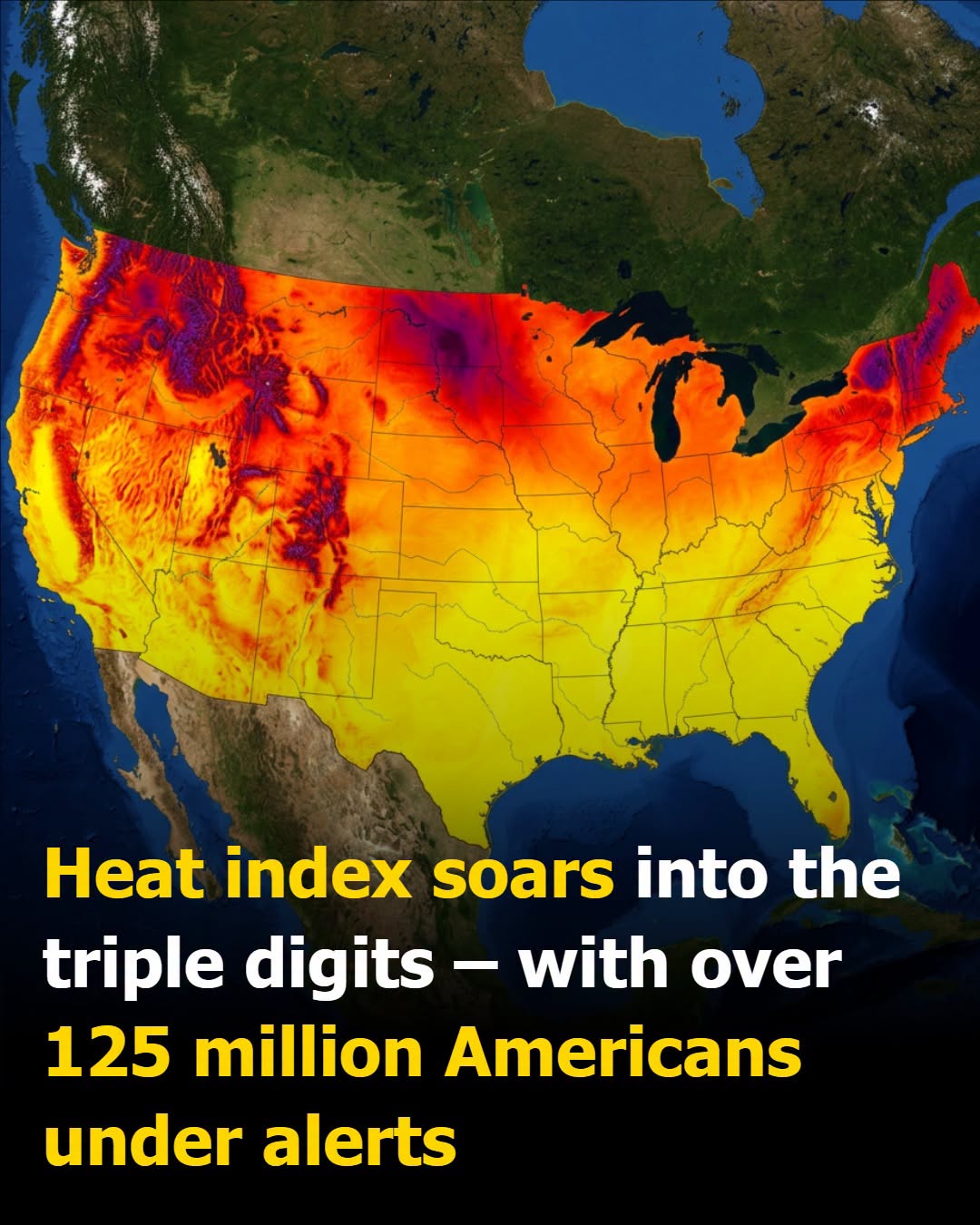
    More than 125 million Americans woke up under dangerous heat alerts today.

    The pressure system that spent the last few days baking the northern Plains is on the move. It is pushing straight into the Mid-Atlantic and expanding across the Northeast. From Richmond all the way up to Boston, thermometers are targeting 100°F. Factor in the humidity, and it will feel significantly hotter.

    But the afternoon peak is not the real threat.

    The danger lies in what happens after sunset. Forecasters are warning that nighttime temperatures are staying abnormally warm. Your body relies on that overnight drop to recover from daytime heat stress. When the air stays heavy and hot through the night, the risk of heat exhaustion multiplies.

    Right now, 32 million people sit under the highest level of extreme heat warning.

    While the East Coast sweats, southwest Texas is bracing for something entirely different. Slow-moving storm cells are projected to dump up to 10 inches of rain across isolated pockets of the state, triggering severe flash flood warnings.

    If you are in the heat zone today, stay inside during peak hours. Keep hydrated. Check on the people who might need it.
  • justaevolvedchimp1784638873

    justaevolvedchimp1784638873

    The legal definition of harm just changed.

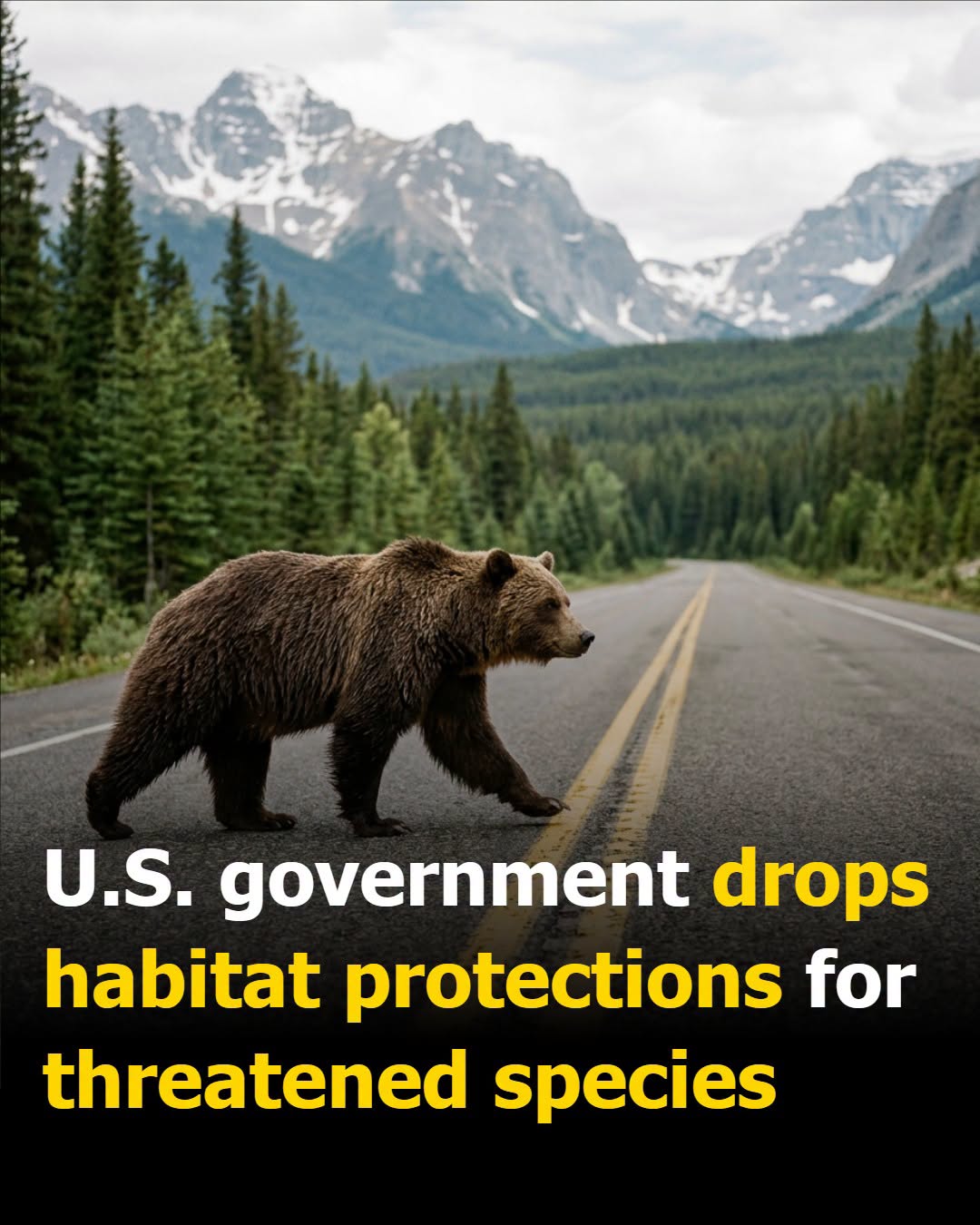
    If you bulldoze a threatened animal’s habitat, you are no longer legally harming the animal. That is the new standard under the Endangered Species Act. A new ruling drops habitat destruction from the regulatory definition of “harm.”

    Developers, mining operations, and energy companies can now legally alter or destroy the land where endangered species live. The only condition is that they cannot directly injure or kill the animals themselves.

    The Interior Department calls it a return to common sense that will cut red tape, speed up project permits, and lower costs for landowners. Conservationists point out the obvious counterargument: an animal cannot survive if the place it depends on disappears. The fallout will hit federal courts next.

  • justaevolvedchimp1784635250

    justaevolvedchimp1784635250

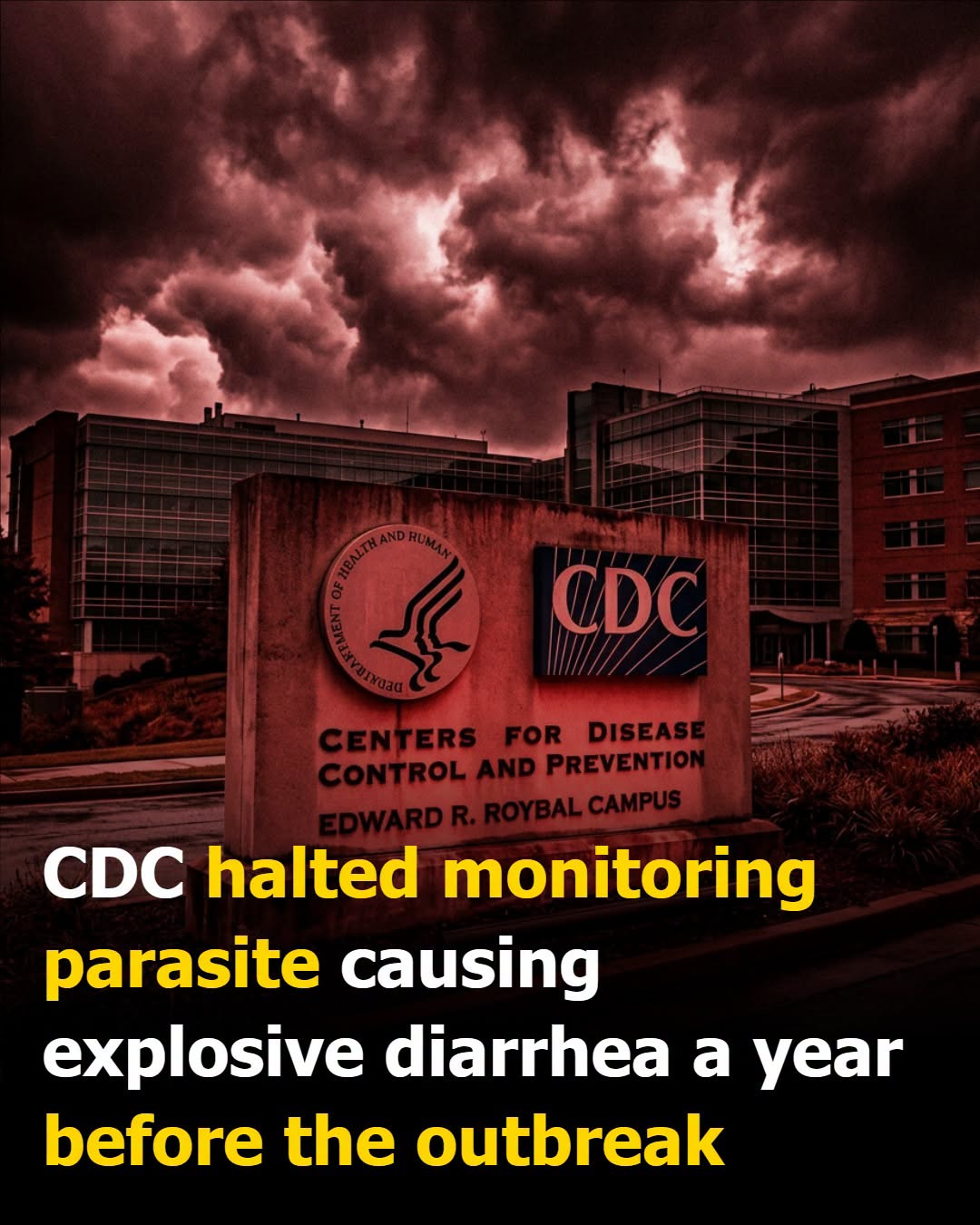
    It happened quietly in July 2025. The nation’s main foodborne illness tracking network reduced its daily watch list. They went from monitoring eight pathogens down to just two.

    One of the organisms dropped from the active surveillance list was Cyclospora. It is a microscopic parasite that causes severe, explosive gastrointestinal illness capable of lasting for months if left untreated.

    Right now, an unusually massive outbreak is sweeping through Michigan and rapidly crossing state lines. The CDC has not explicitly linked the severity of the outbreak to the lack of early warnings. Public health experts, however, point out a simple reality. When you stop looking for a threat, figuring out exactly where it came from takes significantly longer.

  • justaevolvedchimp1784631664

    justaevolvedchimp1784631664

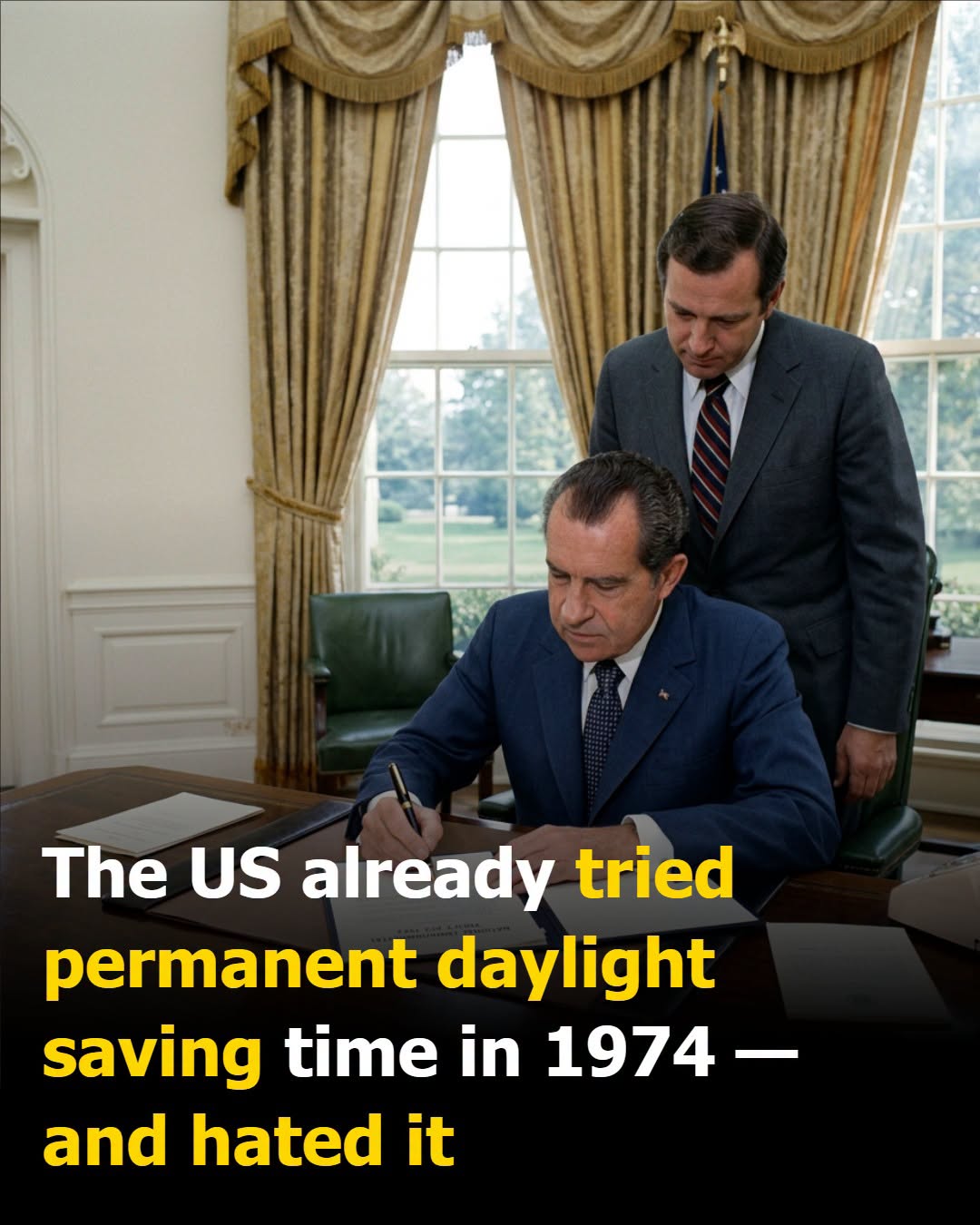
    Everyone loved the idea until winter hit.

    In January 1974, the United States made daylight saving time permanent. The goal was to save fuel during the energy crisis. Polls showed 80 percent of the country supported the move.

    Then the sun stopped rising before 8 a.m.

    Millions of children stood waiting for school buses in pitch darkness. Commuters navigated to work in the black. Reports of traffic accidents involving children began making the evening news. Panic set in.

    Within weeks, public support collapsed to 42 percent.

    It turned out the energy savings were a phantom. People just ended up burning more electricity on their pitch-black winter mornings, offsetting any gains made in the evenings.

    By October, Congress killed the experiment. The policy lasted less than ten months.

    Today, Congress frequently flirts with the Sunshine Protection Act, which aims to do the exact same thing again. But the events of 1974 remain the loudest warning about what year-round daylight saving time actually looks like in practice.

  • justaevolvedchimp1784624422

    justaevolvedchimp1784624422

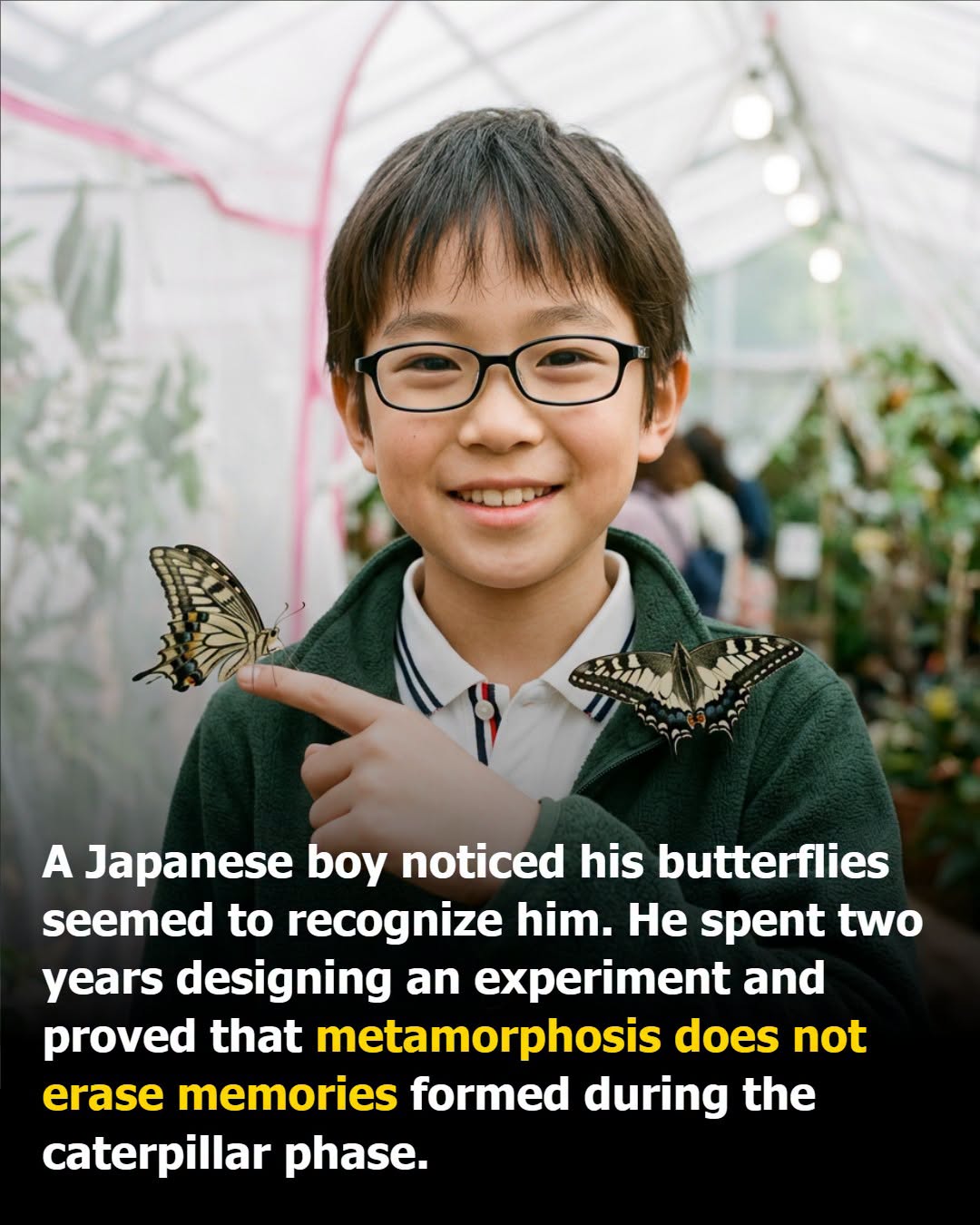
    Metamorphosis turns a caterpillar into biological soup. It dissolves its entire brain and builds a new one from scratch. Yet somehow, the memories survive. A ten-year-old boy from Kobe, Japan, just proved it. Jo Nagai noticed the swallowtail butterflies he raised at home behaved differently around him than wild ones. So he emailed a Georgetown entomologist and designed a home experiment. He trained caterpillars to associate a mild vibration with the smell of lavender. When they emerged as adult butterflies, seventy percent still avoided the scent. But here is the detail that disrupts everything we know about inheritance. When Jo bred them, their children and grandchildren also hated the smell of lavender. They were born with an instinctive memory of an event they never experienced. He documented the entire thing in a carefully researched 33-page paper.

  • justaevolvedchimp1784620904

    justaevolvedchimp1784620904

    The detail that matters is not the 20 billion license plates scanned every month. It is how the cameras got there.

    Across 49 states, over 100,000 automated license plate readers run by private vendor Flock Safety are currently tracking vehicles. Most of them were never voted on by the public.

    In many cities, these highly invasive systems are installed through quiet administrative agreements. Police chiefs and city managers simply sign up for “free trials,” bypassing elected officials entirely. Once activated, the network operates as a nationwide dragnet. Federal and out-of-state agencies are running millions of searches on these databases, tracking the daily movements of citizens who are suspected of no crimes at all.

    A new piece of model legislation—the Automated License Plate Surveillance Consent and Accountability Act—is designed to close the loophole.

    Instead of trying to regulate the data after it is collected, the law targets the initial handshake. It requires a formal public ordinance, a recorded council vote, and public hearings before a single camera goes up.

    If an official bypasses this process to quietly install surveillance? The proposal hits them with up to five years in prison. It turns unapproved local tracking into a felony.

  • justaevolvedchimp1784617219

    justaevolvedchimp1784617219

    For fifty years, the rule was simple. Destroying an animal’s home is the exact same thing as hurting the animal.

    Now, that rule is gone.

    The Trump administration just rewrote the Endangered Species Act to change the legal definition of “harm.” Under the new policy, developers and private industries can bulldoze critical habitats for logging or drilling. As long as the animal doesn’t die immediately on the spot, it is considered perfectly legal.

    In response, a massive coalition of environmental groups, represented by Earthjustice, just filed a federal lawsuit in Washington state to block the change. They argue the rewrite defies decades of scientific consensus and ignores the entire point of the law.

    The government says the old rules were a trap that burdened businesses. Conservationists say the new ones will push imperiled species straight toward extinction.

  • justaevolvedchimp1784606444

    justaevolvedchimp1784606444

    Before 2016, supermarkets in France were pouring bleach over their unsold food. They did it specifically to stop people foraging in their bins at night. Perfectly good produce was deliberately contaminated so nobody could eat it.

    Then the law changed.

    France became the first country to outlaw the destruction of unsold groceries outright. Any supermarket larger than 400 square meters is now legally required to form distribution partnerships with food banks. The bleach is gone. The locked dumpsters are gone. Now, millions of high-quality meals that would have gone to landfill are handed directly to populations who actually need them.

    It proved that hunger is often a logistics problem, not a supply problem. France just forced the logistics to work.

  • justaevolvedchimp1784602811

    justaevolvedchimp1784602811

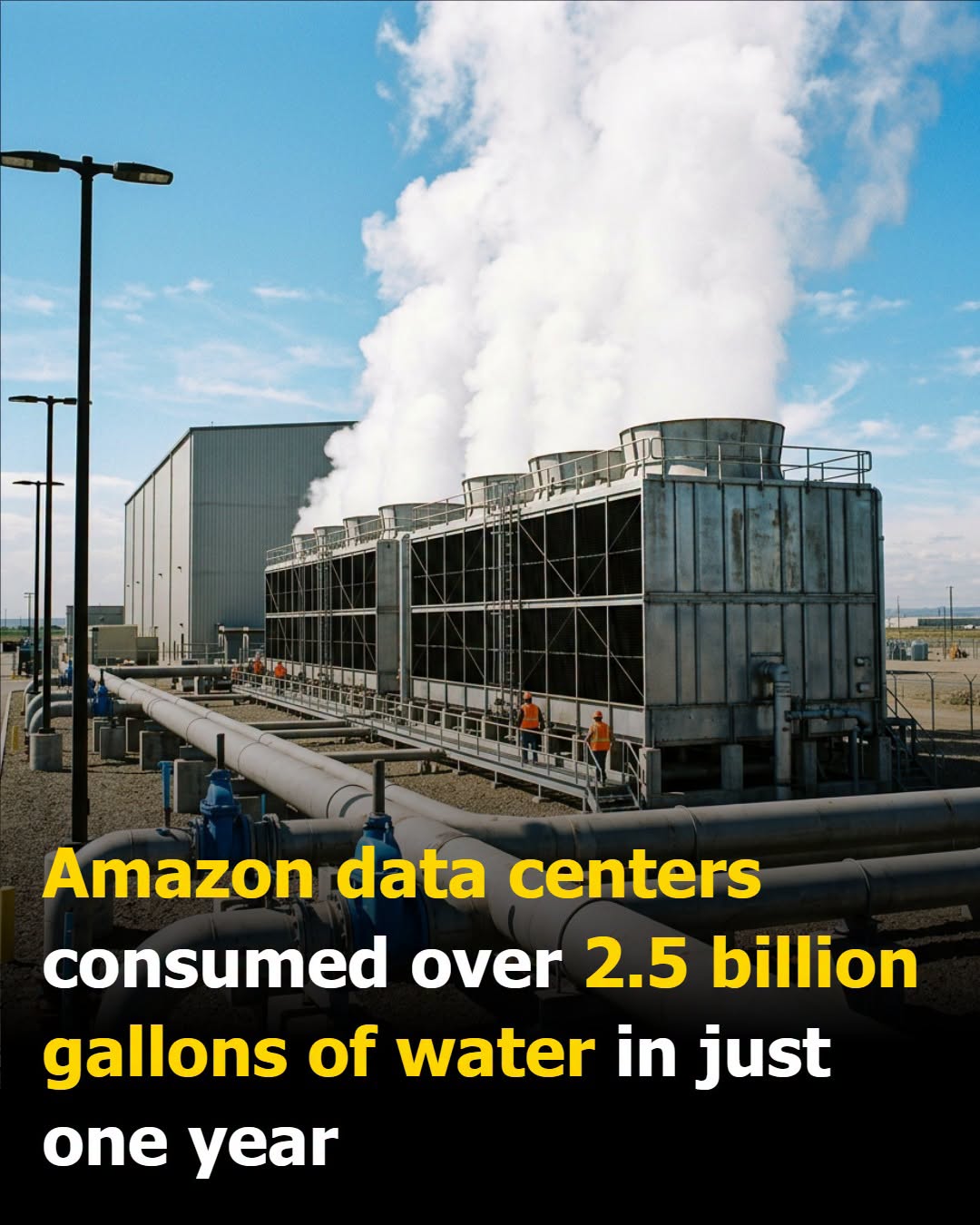
    Amazon just reported its total data center water usage for the first time. The number is 2.5 billion gallons in a single year. That is 3,800 Olympic swimming pools required just to stop servers from overheating. The company noted a 2 percent drop from last year. But global averages hide local reality. These facilities often sit in drought-prone areas. Residents are watching utility bills rise. Local water pressure drops. Utah just passed a law forcing new data centers to reveal exactly what they consume. People are starting to notice. Only 14 percent of Americans now say they would accept a data center near their home. The cloud is very thirsty.

  • justaevolvedchimp1784595623

    justaevolvedchimp1784595623

    The manufacturing lines for major technology companies do not operate in regional silos. You cannot build a glued-together smartphone for America and a modular one for France without destroying your profit margins.

    Starting in February 2027, the European Union bans heavy adhesives and heat-gun requirements for device batteries. Hardware must be engineered so consumers can swap batteries using simple, standard tools. Because building separate assembly lines for different continents is entirely cost-prohibitive, this single European law is about to reshape product design worldwide.

    The era of paying someone to melt the glue off the back of your phone is ending.