Author: Kai99

  • justaevolvedchimp1784692841

    justaevolvedchimp1784692841

    Three men studied human suffering from three entirely different vantage points. A psychiatrist who survived Auschwitz. A psychoanalyst mapping the unconscious. A philosopher translating Eastern Zen.

    They all hit exactly the same conclusion.

    The modern obsession with chasing an easy, happy life is a trap. It leaves people comfortable but completely hollow. Every time we avoid an uncomfortable reality to protect ourselves, that suppressed fear retreats into the shadows and assumes control—mutating into anxiety, burnout, and perfectionism.

    The fix isn’t changing your external environment. It is meaning. And meaning almost always arrives disguised as responsibility. Liberation only starts when you finally step into the rooms you have spent your whole life refusing to enter.
  • justaevolvedchimp1784685648

    justaevolvedchimp1784685648

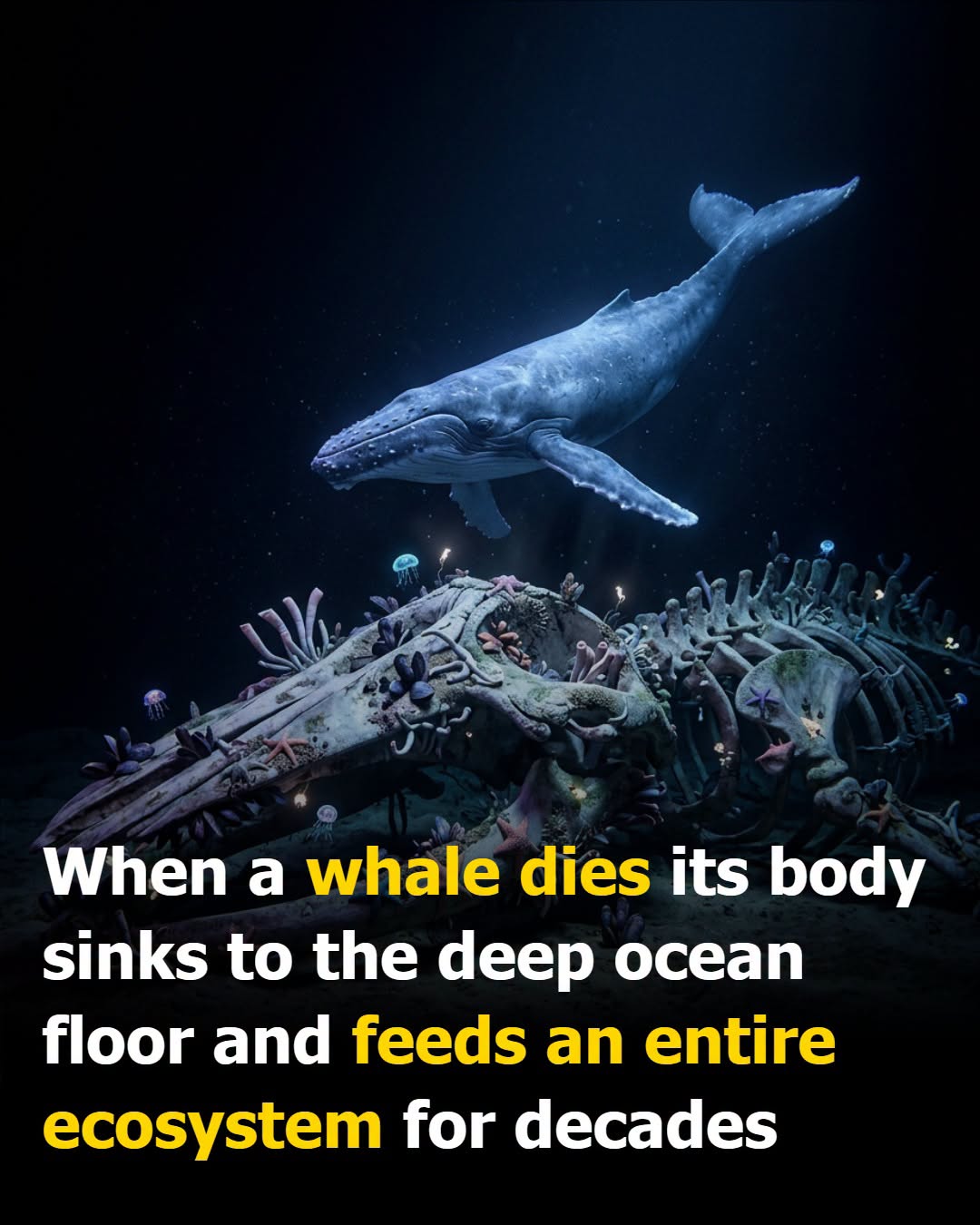
    Whales do not breathe automatically. Every surface and every breath is a conscious decision. When age or illness leaves them too weak to swim up, they drown.

    At first, gases from decomposition keep the body afloat. Sharks and seabirds take their share. Then the carcass sinks into the crushing blackness of the abyss. Thousands of feet down on the barren ocean floor, it becomes a whale fall. This single arrival of flesh and bone immediately transforms an underwater desert into a thriving oasis. For the next fifty years, specialized scavengers, zombie worms, and deep-sea bacteria will feed entirely on the remains. Even in completely drowning, they carry massive amounts of life with them.

  • justaevolvedchimp1784682027

    justaevolvedchimp1784682027

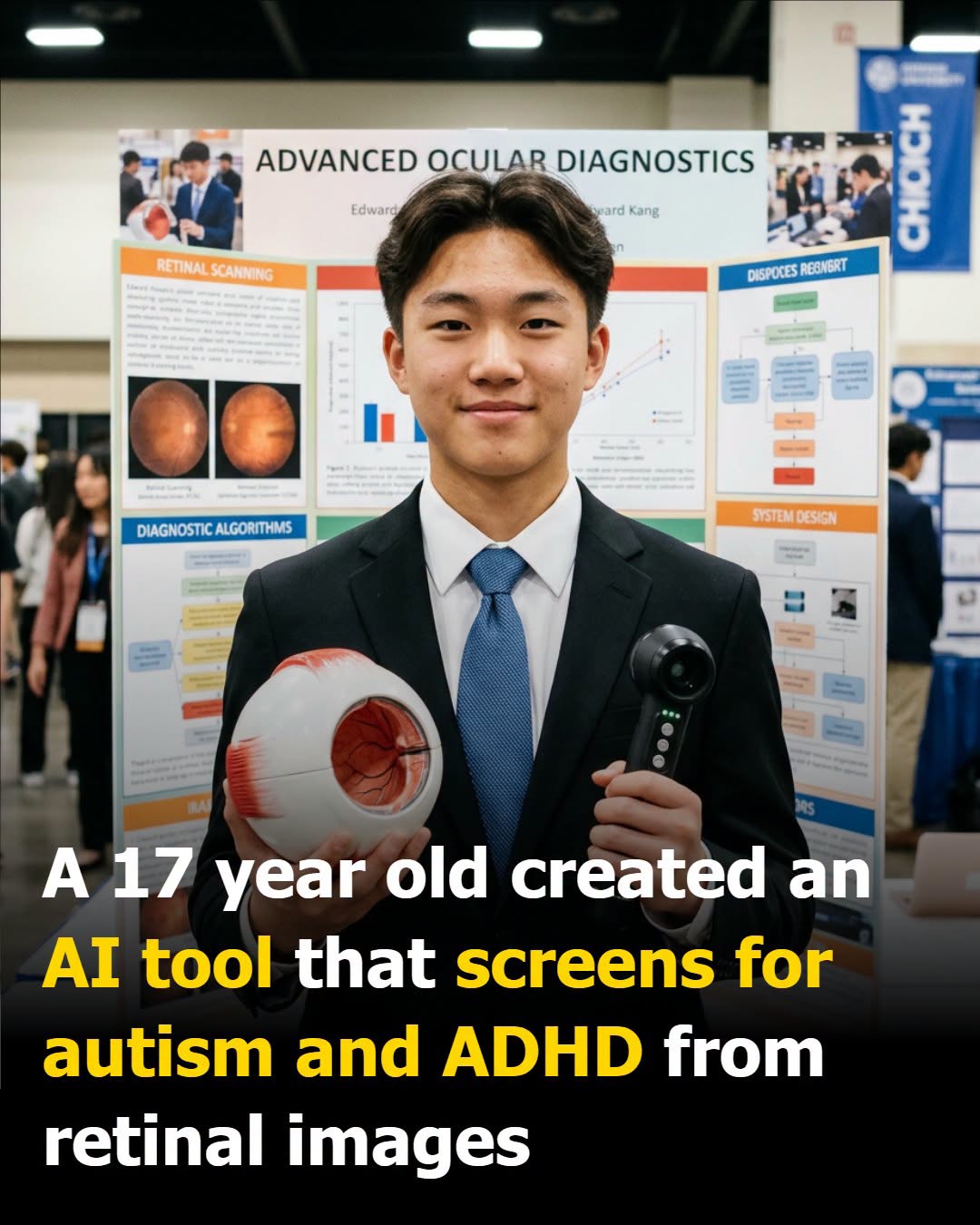
    You can see the brain through the back of the eye. Edward Kang knew this. The 17-year-old from New Jersey built an AI model called RetinaMind. It scans microscopic patterns in retinal images to find markers linked to autism and ADHD. On his dataset, the software hit 89 percent accuracy. It just won him second place and $175,000 at the 2026 Regeneron Science Talent Search. Medical experts emphasize this is a research-stage screening tool requiring strict clinical validation, not a hospital-ready diagnostic device. But the premise is shifting how we think about early detection. Instead of relying solely on behavioral observation, early screening might eventually just require a photograph of the retina. Shared for informational purposes.

  • justaevolvedchimp1784674850

    justaevolvedchimp1784674850

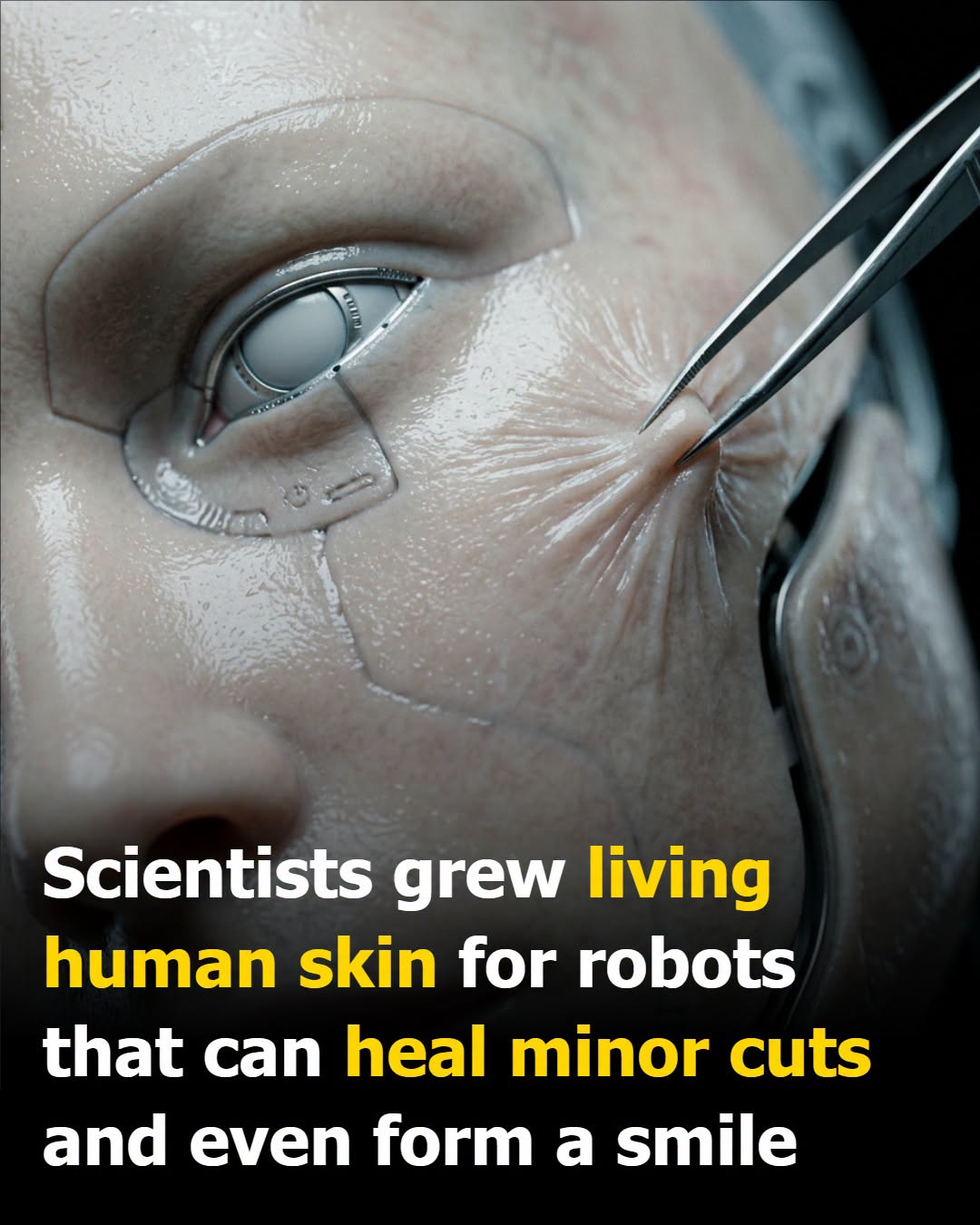
    The hardest part of putting living human skin on a robot was not growing the cells. It was getting them to stay attached when the machine moved. A team at the University of Tokyo solved it by carving microscopic V-shaped perforations into a robotic face to act like artificial ligaments. Now the skin doesn’t just sit there. It stretches. It smiles. It even heals its own minor cuts.

  • justaevolvedchimp1784674820

    justaevolvedchimp1784674820

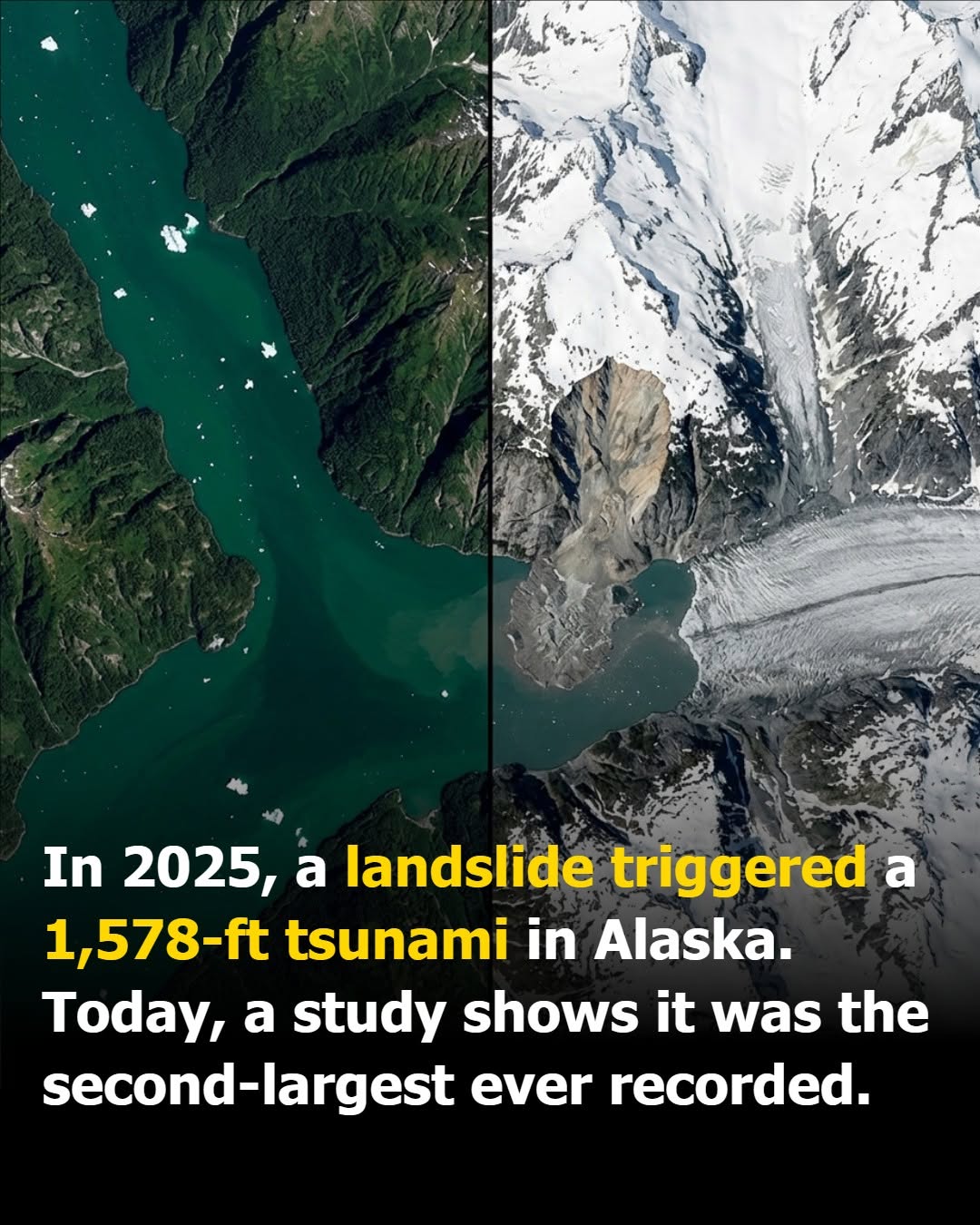
    2.1 billion cubic feet of rock fell off a mountain and straight into the water.

    What happened next in Alaska’s Tracy Arm fjord is hard to comprehend. The displaced water didn’t just crash and dissipate. It built a 1,578-foot wall of water—taller than the roof of One World Trade Center.

    Then it stayed.

    For 24 straight hours, the wave sloshed violently back and forth between the narrow rock walls in a rare phenomenon called a seiche. We now know it was the second-largest tsunami ever recorded by human beings.

    Cruise ships travel this route constantly. On that specific day in August 2025, the channel was unexpectedly empty. The only witnesses were kayakers several miles away who had their gear swept into the freezing water. We are only now realising the sheer scale of the disaster we narrowly avoided.

  • justaevolvedchimp1784671276

    justaevolvedchimp1784671276

    You do not actually want to “boost” your immune system. An overactive immune system is just inflammation. You want to regulate it.

    A 12-week clinical trial tracked what happens when adults consume daily fermented kimchi powder. Their immune cells became significantly better at targeting actual threats—like viruses and bacteria—without going into overdrive. It makes perfect sense when you realise 70% of your body’s immune cells live in your gut. Keep the microbiome fed with the right bacteria, and it dictates how your body defends itself.

    The study was small, involving just 13 people. But it adds to a growing mountain of evidence that traditional fermented foods do much more than aid digestion. They actively alter our internal defence mechanisms.

  • justaevolvedchimp1784667663

    justaevolvedchimp1784667663

    You are looking at a genetic anomaly that might help decode cancer.

    There are only about 840 people in the world with Laron syndrome. A significant cluster lives in southern Ecuador. Their bodies cannot process growth hormone, keeping them under four feet tall.

    For more than twenty years, researchers tracked 100 of them. In that entire time, they recorded zero cases of diabetes and only a single, nonfatal case of cancer. Among their relatives of average height living in the exact same towns, 17% got cancer and 5% developed diabetes.

    Scientists think the answer is a specific growth factor called IGF-1. People with Laron syndrome produce very little of it. In normal amounts, IGF-1 helps cells survive. In excess, researchers suspect it might help damaged cells ignore their programmed death cycle, allowing them to multiply.

    Without it, cancerous cells simply cannot gain a foothold.

    The goal is not to somehow recreate the syndrome. It is to find a drug or diet that safely suppresses IGF-1 just enough to replicate the shield.

  • justaevolvedchimp1784664066

    justaevolvedchimp1784664066

    The 40-hour workweek became standard American law in 1940. Since then, worker productivity has spiked by 400 percent. The wages did not follow. Now, Bernie Sanders is looking at the rise of artificial intelligence and automation and asking a very specific question. Who actually benefits from the time saved by a machine? His new bill, the Thirty-Two Hour Workweek Act, offers an answer. It lowers the standard week from 40 hours to 32 over the next four years. Overtime would kick in earlier. Double pay would apply to any shift over 12 hours. The core rule behind all of it is that baseline pay and benefits cannot drop. The extra productivity gets returned to the worker as free time. Major labor unions are backing the proposal, but its path through a divided Congress remains steep.

  • justaevolvedchimp1784660450

    justaevolvedchimp1784660450

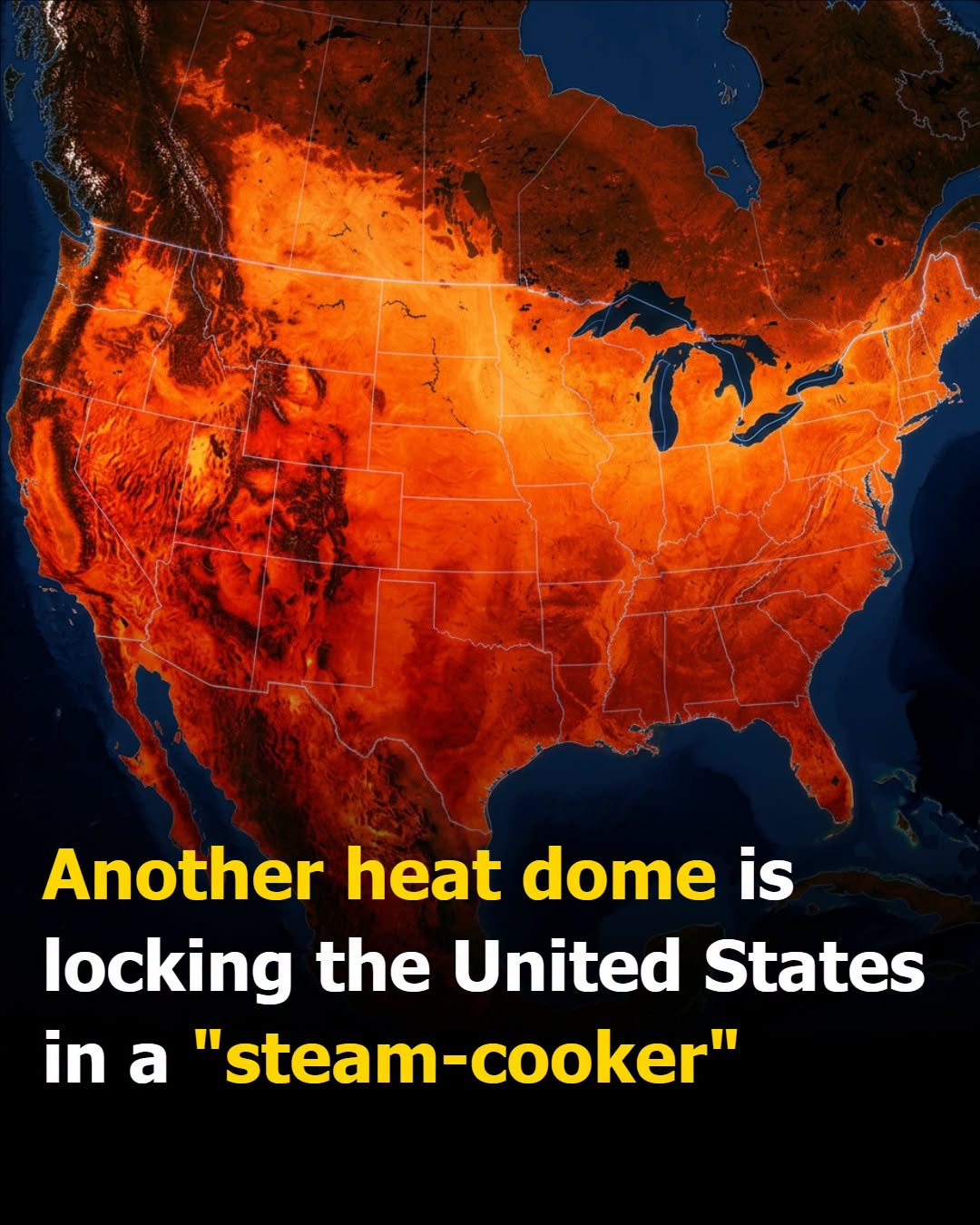
    NASA just released a temperature map of the continental US. It is glowing deep red. A massive heat dome has settled over the Plains. It works exactly like a giant, invisible lid. High pressure acts as a physical barrier, pushing warm air down and trapping it against the ground. It prevents cloud formation. It kills cooling winds. Add summer humidity, and the entire region turns into a steam cooker. Weather stations in places like Wyoming and Montana are logging temperatures not seen since records began over a century ago. This kind of heat is not just uncomfortable. It strains power grids and threatens lives. The data is clear. In 1980, the US averaged two summer heat waves a month. Today, that number is four. The extreme is slowly becoming the baseline.

  • justaevolvedchimp1784646052

    justaevolvedchimp1784646052

    We are building climate policy on broken math.

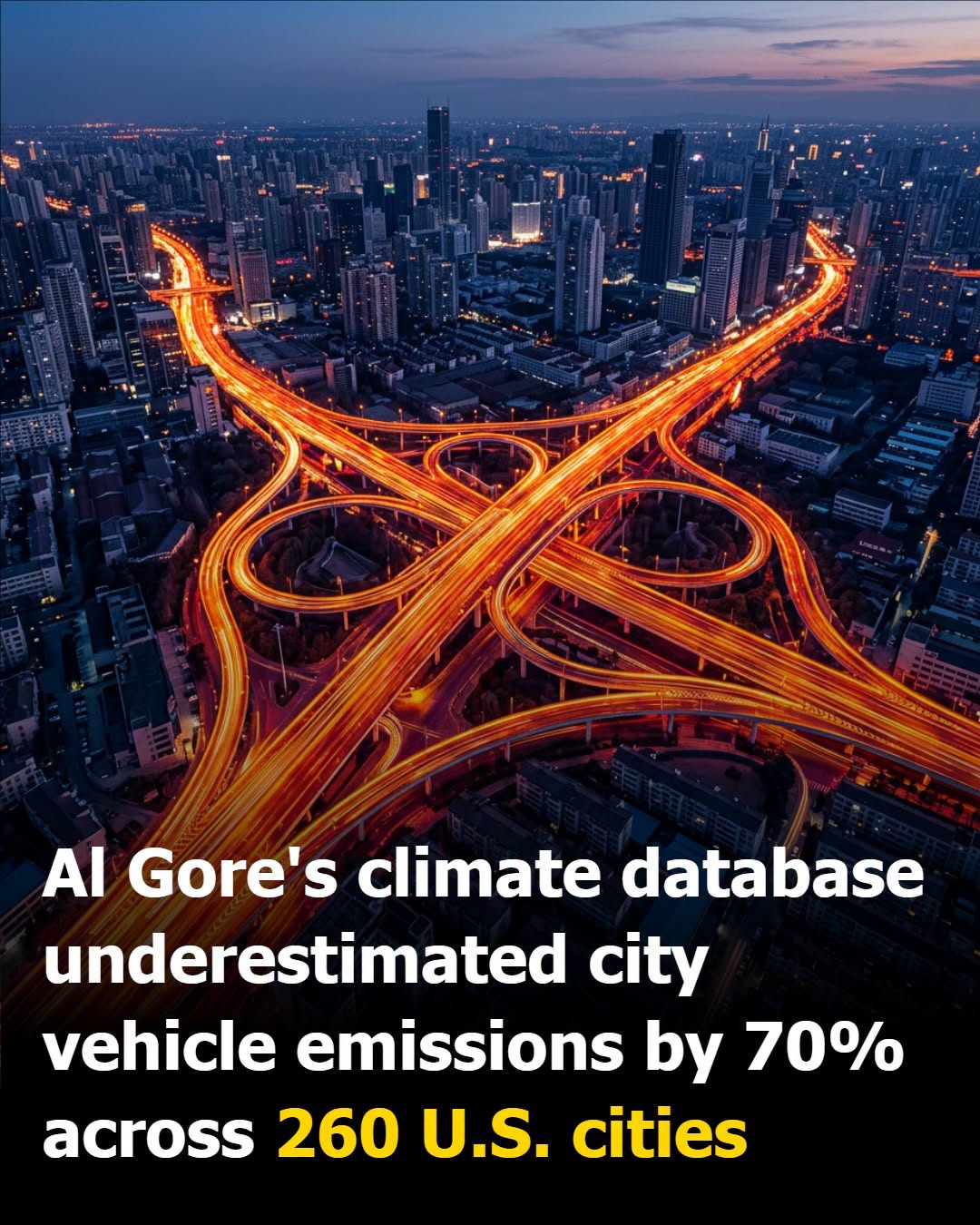
    Climate TRACE is one of the most widely used emissions databases on the planet. It was co-founded by Al Gore. It relies heavily on artificial intelligence and satellites to track global pollution.

    But scientists just checked its work.

    Researchers at Northern Arizona University compared the AI dataset against their own emissions model across 260 U.S. cities. They found Climate TRACE underestimated road vehicle carbon emissions by an average of 70%.

    In cities like Nashville and Indianapolis, it missed by more than 90%.

    The researchers do not think the entire database is useless. They just proved that AI cannot replace rigorous scientific validation. When billions of dollars and major climate initiatives are on the line, we cannot afford to blind-trust the algorithm.