
Defense Secretary Pete Hegseth just changed the military health assessment. If you are a service member over 30, they are now checking your testosterone. Every year. It is mandatory. The policy offers voluntary hormone replacement therapy if your levels drop. The stated goal is combat readiness and longevity. But urologists are pushing back. They say testing asymptomatic people in mass screenings is counterproductive. Observers are also asking how this new protocol impacts female troops. It is a massive shift in how the military defines physical readiness.
Author: Kai99
-

justaevolvedchimp1784736108
Nobody expects to see a raccoon shaped quite like this. He walked out from under a parked car in Seattle’s Ballard neighborhood and immediately went viral. The internet named him Jimothy. He has a body that looks sharply compressed, almost no neck, and a distinctive waddle that grabbed the attention of millions. Vets suspect a congenital spinal deformity, similar to short spine syndrome, which is usually only seen in dogs. But he is not struggling. Security cameras caught him scaling fences and climbing stairs. The fact that he reached adulthood means he figured it out. He adapted to the body he was born with. Wildlife experts say the best thing to do is exactly what his neighbors are doing. Just let him be.
-
justaevolvedchimp1784732454
They promised they would never touch it.
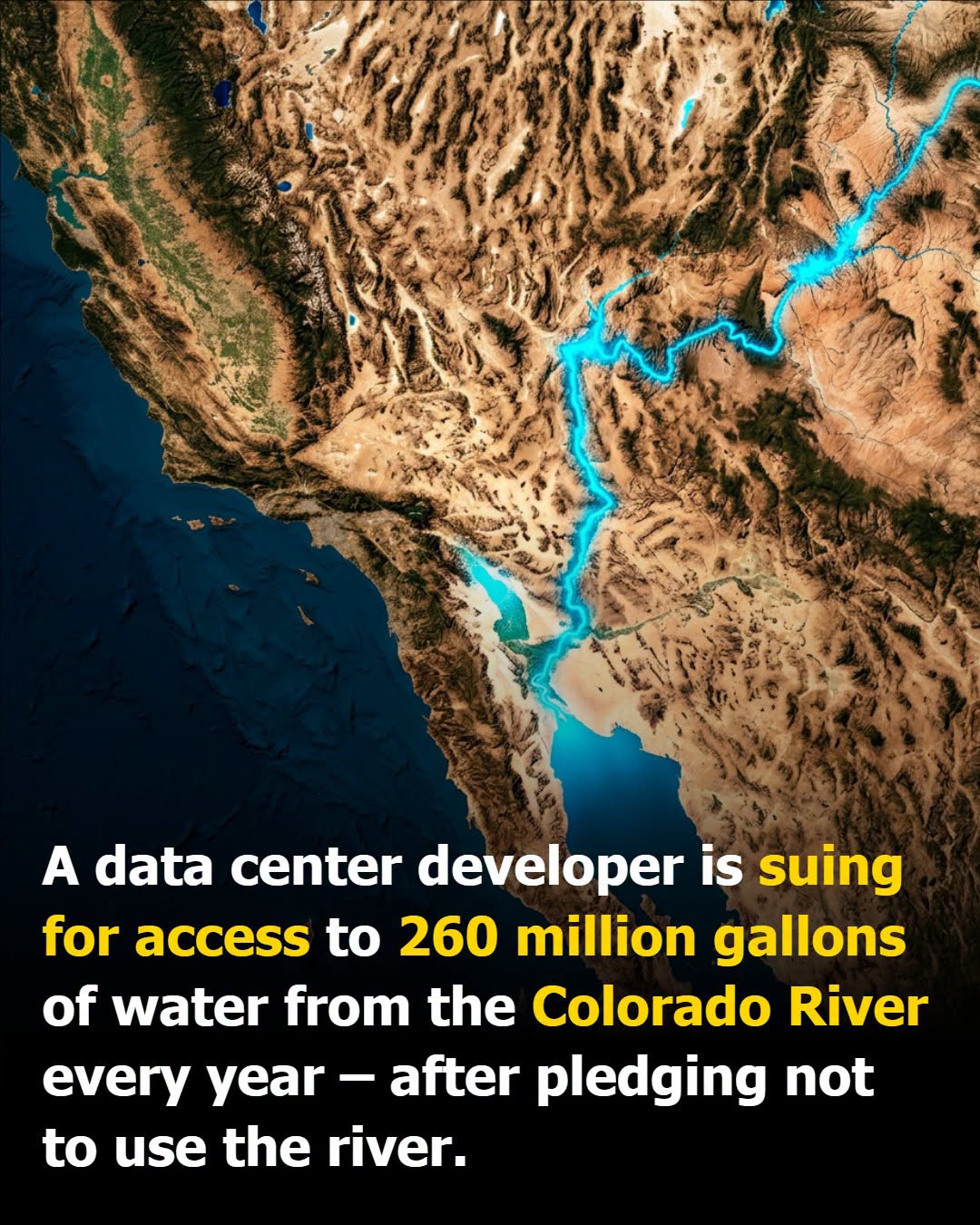
Imperial Valley Computer Manufacturing pitched a massive AI data center in California on the explicit promise that it would run strictly on reclaimed wastewater. They told locals they would not use “a single drop” from the Colorado River.
When negotiations with nearby cities failed, the company pivoted. They asked the local irrigation district for 260 million gallons of river water every year. The district refused. Now the developer has taken them to court to force access.
The volume of water they are suing for is equivalent to the annual needs of 7,300 residents in an area that depends entirely on a drought-strained river system. The developer’s proposed solution is to lease 160 acres of local farmland, leave it completely unplanted, and redirect its water ration to the servers.
Local officials are now exploring an emergency freeze on all new data center development. It marks a sharp turning point in the AI boom. The question is no longer just whether communities have the power grid to support these mega-projects. It is whether they can afford to give away their water.
-
justaevolvedchimp1784728871
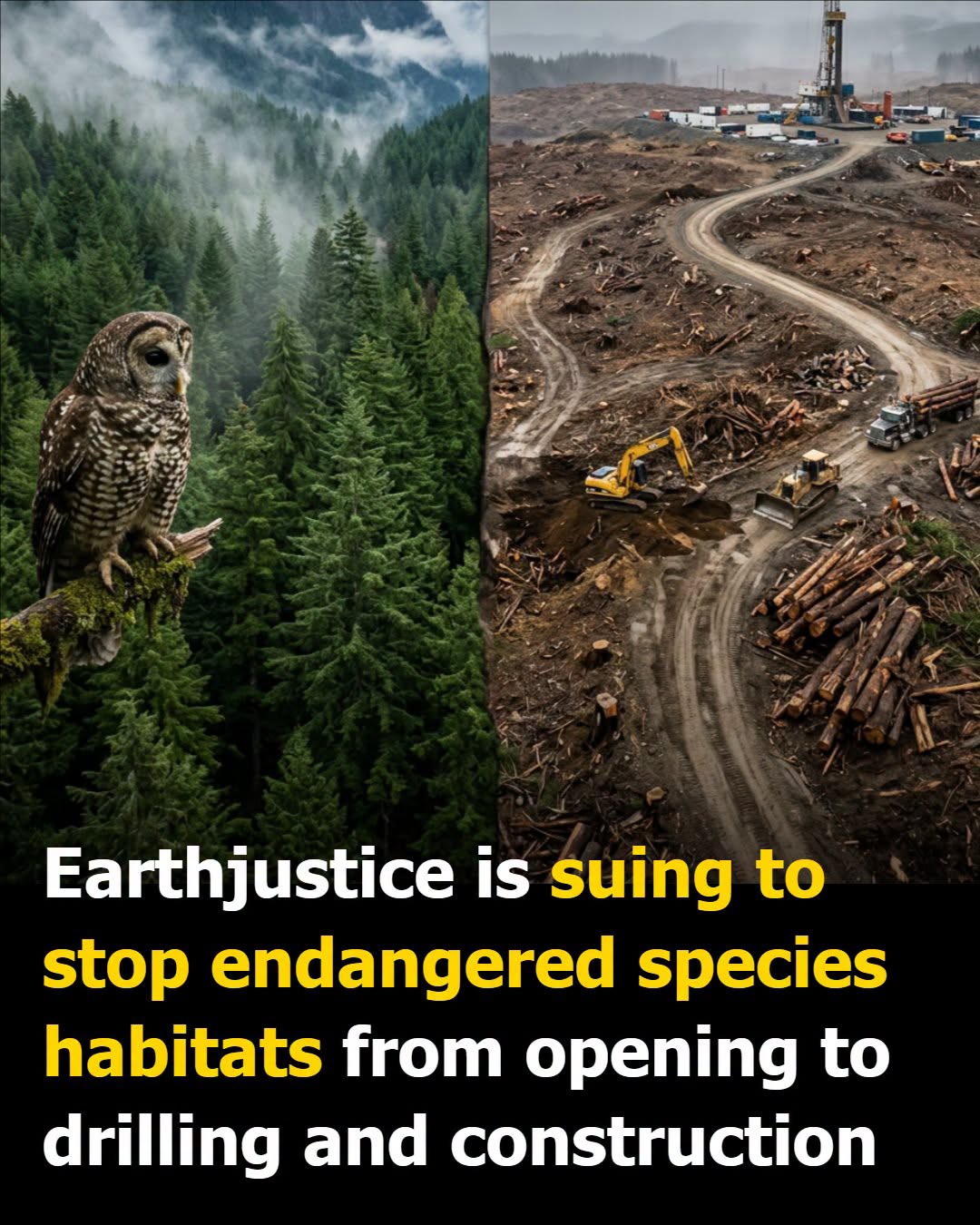
For decades, the law was simple. If you destroy an endangered animal’s home, you are harming the animal. You cannot bulldoze a breeding ground and claim the species is unharmed just because a tractor did not directly crush it.
A new federal rule changes that. It rewrites the legal definition of “harm.”
Under the new interpretation, logging a forest, draining a wetland, or clearing land for oil drilling no longer counts as harming protected wildlife—unless officials can prove an animal was directly injured or killed in the process. You can destroy the habitat, as long as you do not leave a body.
Earthjustice and a coalition of conservation groups are now suing to block the change. They argue that without a place to find food, hide from predators, and raise young, extinction is inevitable. The Supreme Court already settled this in 1995. Now the battle is starting all over again.
-

justaevolvedchimp1784725247
Marilee and David Kiliti ran an 89-acre hog farm in Pennsylvania. They spent decades struggling to make the land pay. Then they sold it for $22 million. They are part of a massive, quiet buyout happening right now in Salem Township. Ninety-six rural families have sold 1,700 acres of farmland to tech developers for a combined $586 million. The developers do not care about the soil. They care about the grid. These specific fields sit directly adjacent to high-voltage electricity lines and fiber-optic networks. That is exactly what is needed to run the cooling systems and servers required to train artificial intelligence. Historic barns are being bulldozed to make way for windowless concrete warehouses. It is an instant lottery win for the farmers. But the landscape of the community is quietly being rewritten by the tech boom.
-
justaevolvedchimp1784721655
The smoke does not stop at the border. Now it might come with a bill.
Donald Trump is threatening to hit Canada with new tariffs as direct punishment for wildfire smoke drifting into the United States. He is framing the pollution as a failure of Canadian forest management.
The argument is straightforward. The smoke has a real economic and health cost for American cities, and Canada should pay for it.
Right now, Canada is fighting more than 800 active fires. The fallout has pushed air quality in cities like New York and Washington D.C. into hazardous territory. Millions of Americans are under active air quality alerts.
It is a completely new pressure point in an already strained North American trade relationship.
-
justaevolvedchimp1784714442
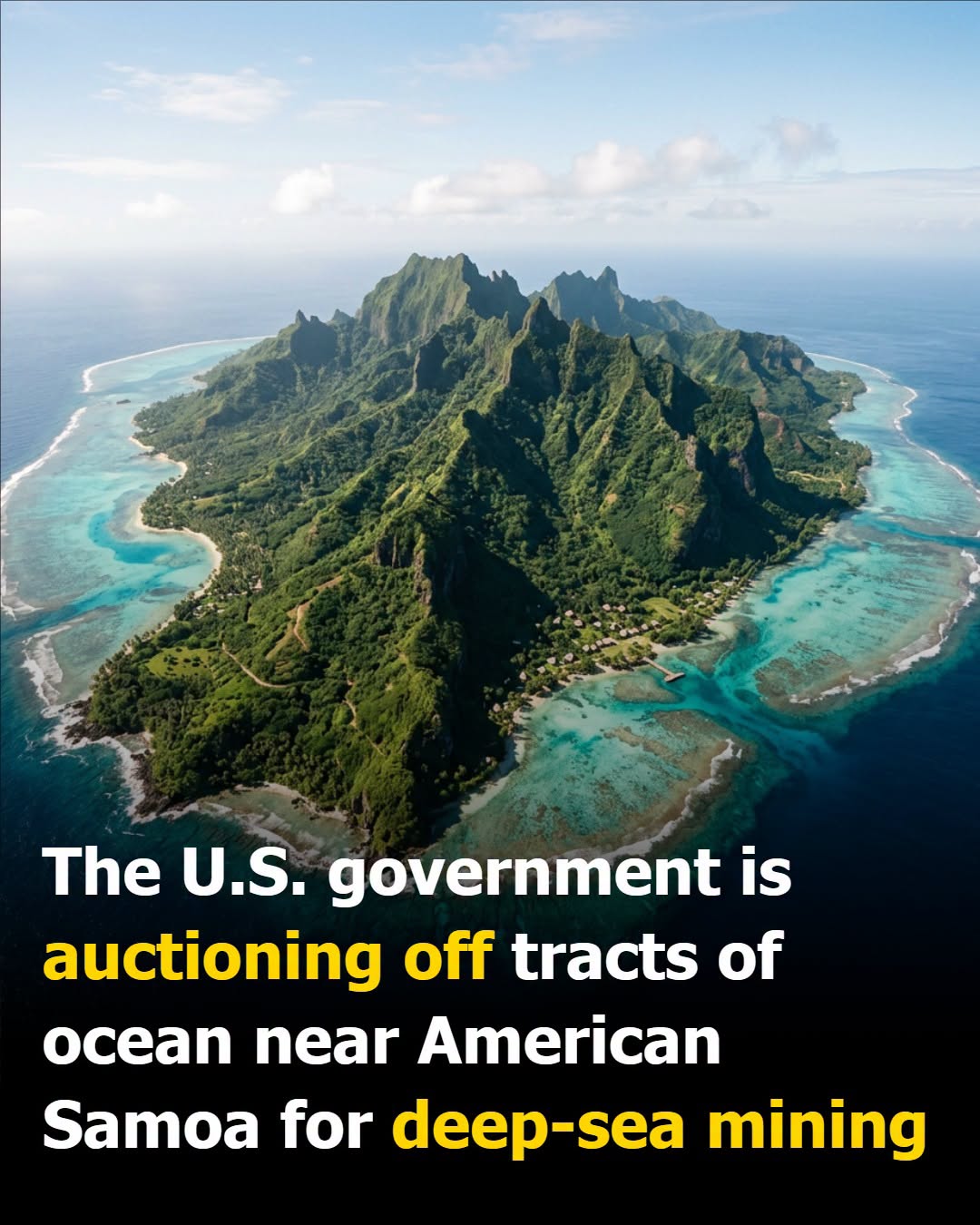
American Samoa banned deep-sea mining in its territorial waters. Local residents decided the environmental risk was too high.
So the U.S. government is auctioning off the ocean right next to them.
The proposed lease area covers 33 million acres. It is larger than Pennsylvania. Because it sits in the U.S. exclusive economic zone, the federal government can authorize digging without approval from local leaders or international regulators.
Companies want what is at the bottom. The sea floor here is covered in polymetallic nodules packed with cobalt, copper, and nickel. These are the exact minerals required for electric vehicle batteries and advanced military equipment. The administration argues that harvesting them domestically breaks reliance on Chinese supply chains.
Over 40 countries are currently calling for a ban on deep-sea mining. Scientists warn that massive underwater sediment plumes will wipe out ecosystems operating thousands of feet below the surface.
The initial leases are for surveying. Commercial extraction comes next.
-
justaevolvedchimp1784710827
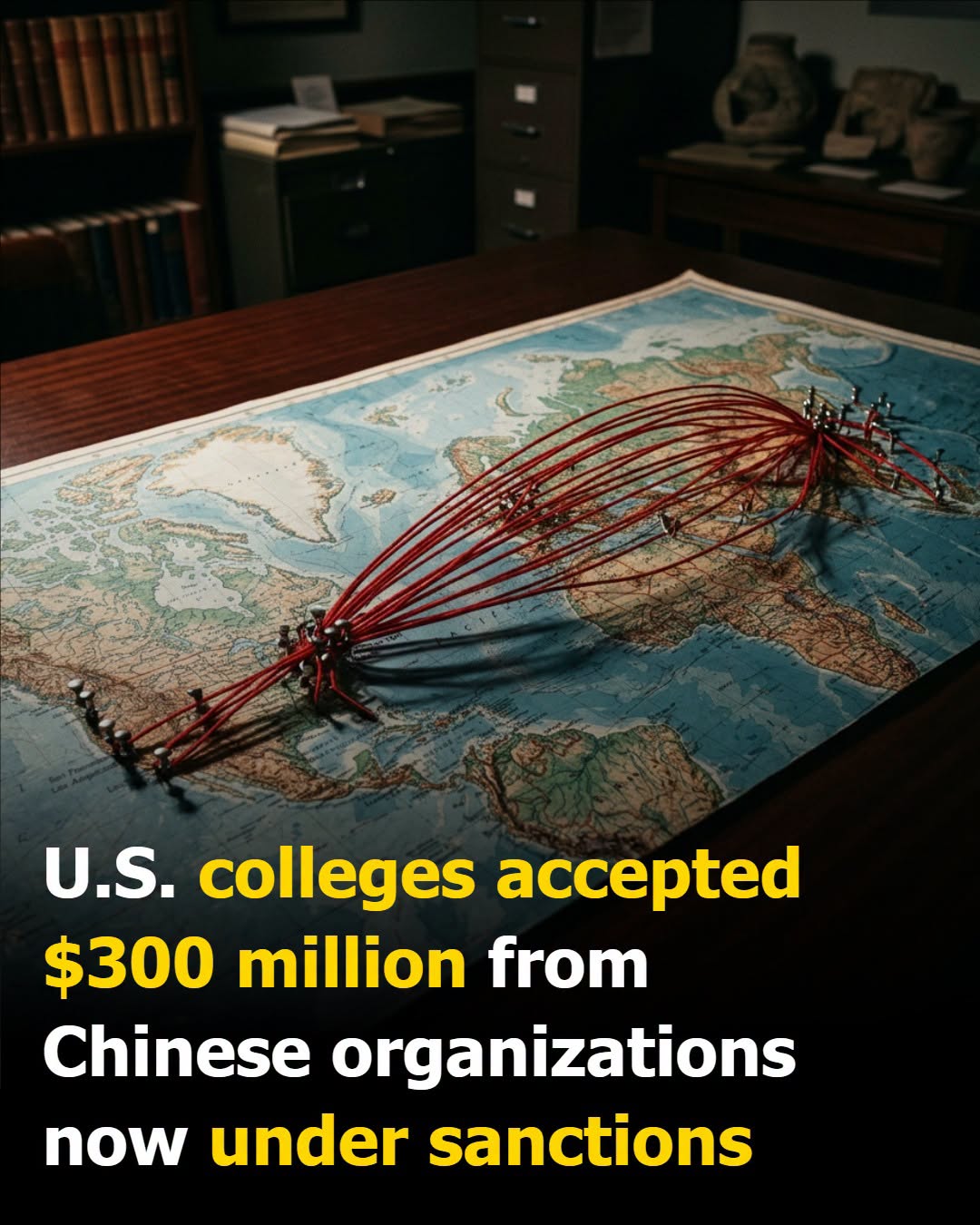
U.S. colleges only have to report foreign donations if the check is for more than $250,000. Anything underneath that is effectively invisible. Even with that massive blind spot, the receipts are staggering.
The Department of Education just released new disclosure data. Roughly $405 million went to American universities from organizations that sit on U.S. sanctions lists. Most of it—$309 million—came from Chinese entities.
Huawei and its subsidiaries accounted for $42 million. The Beijing Institute of Technology, which has deep ties to China’s defense sector, donated $49 million.
The timing matters. These donations happened before the U.S. government placed those specific groups under sanction. The money was legal when it cleared the bank. The problem is the transparency. Because reporting has been inconsistent for decades, nobody knows the true scope of the financial partnerships holding up American research labs. Legislation is now moving through Congress to rip up the $250,000 threshold and force universities to open their books.
-
justaevolvedchimp1784707286
He spent 14 years in a military prison. Much of it in utter isolation.
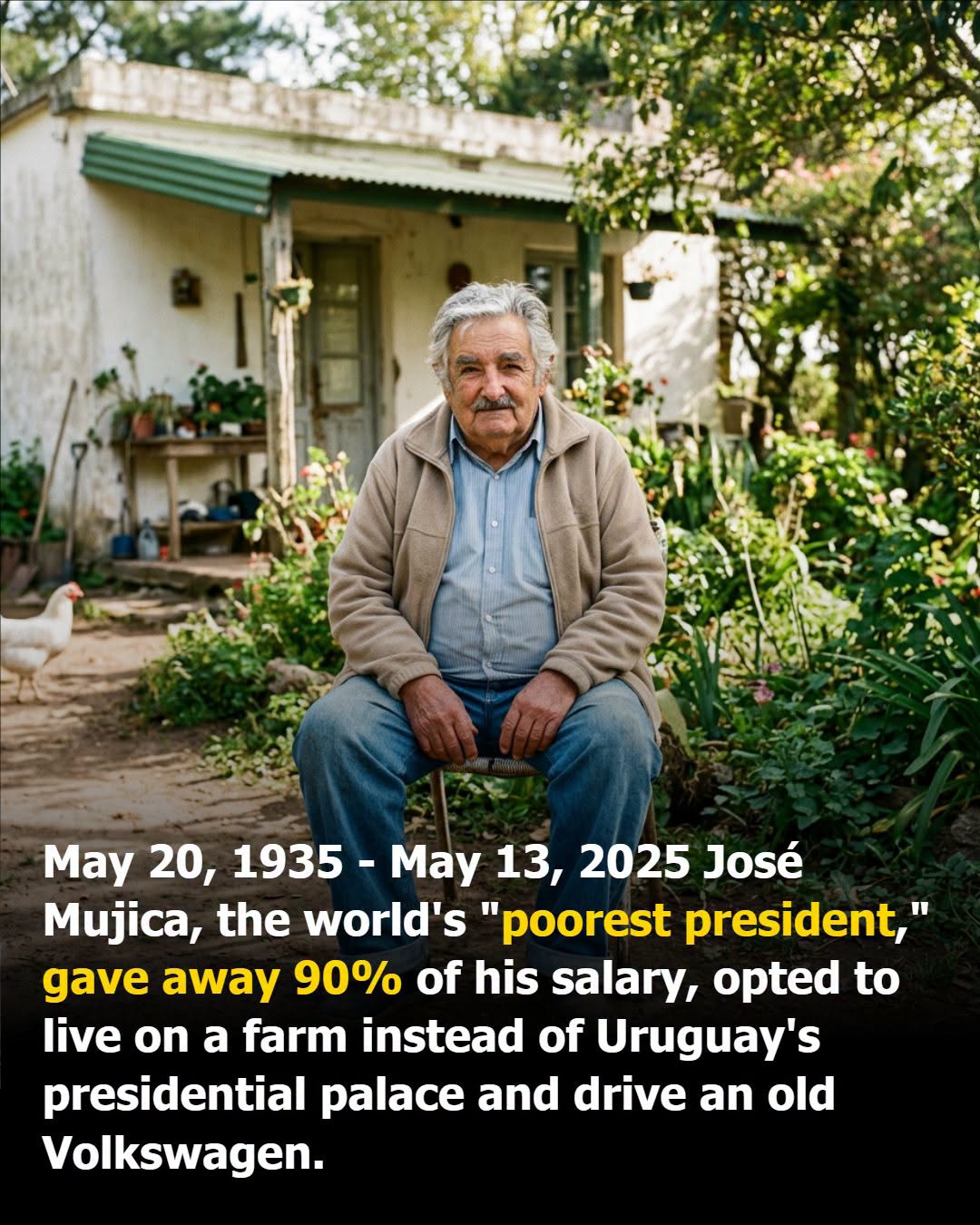
When José “Pepe” Mujica finally got out, he didn’t want things. He wanted time.
So when he was elected president of Uruguay in 2010, he refused to move into the luxurious presidential palace. He stayed on his dirt-road flower farm outside Montevideo. He kept his three-legged dog, Manuela. He drove his own 1987 Volkswagen Beetle to work.
He gave away 90% of his state salary to charity because he realised that keeping the money meant he would have to spend his life maintaining the things he bought with it.
The media called him the world’s poorest president. Mujica disagreed. He said the poor ones were the people working themselves to death to fund expensive lifestyles they didn’t even have time to enjoy.
He died on May 13 at the age of 89. He left behind almost nothing. Exactly as he intended.
-
justaevolvedchimp1784696410
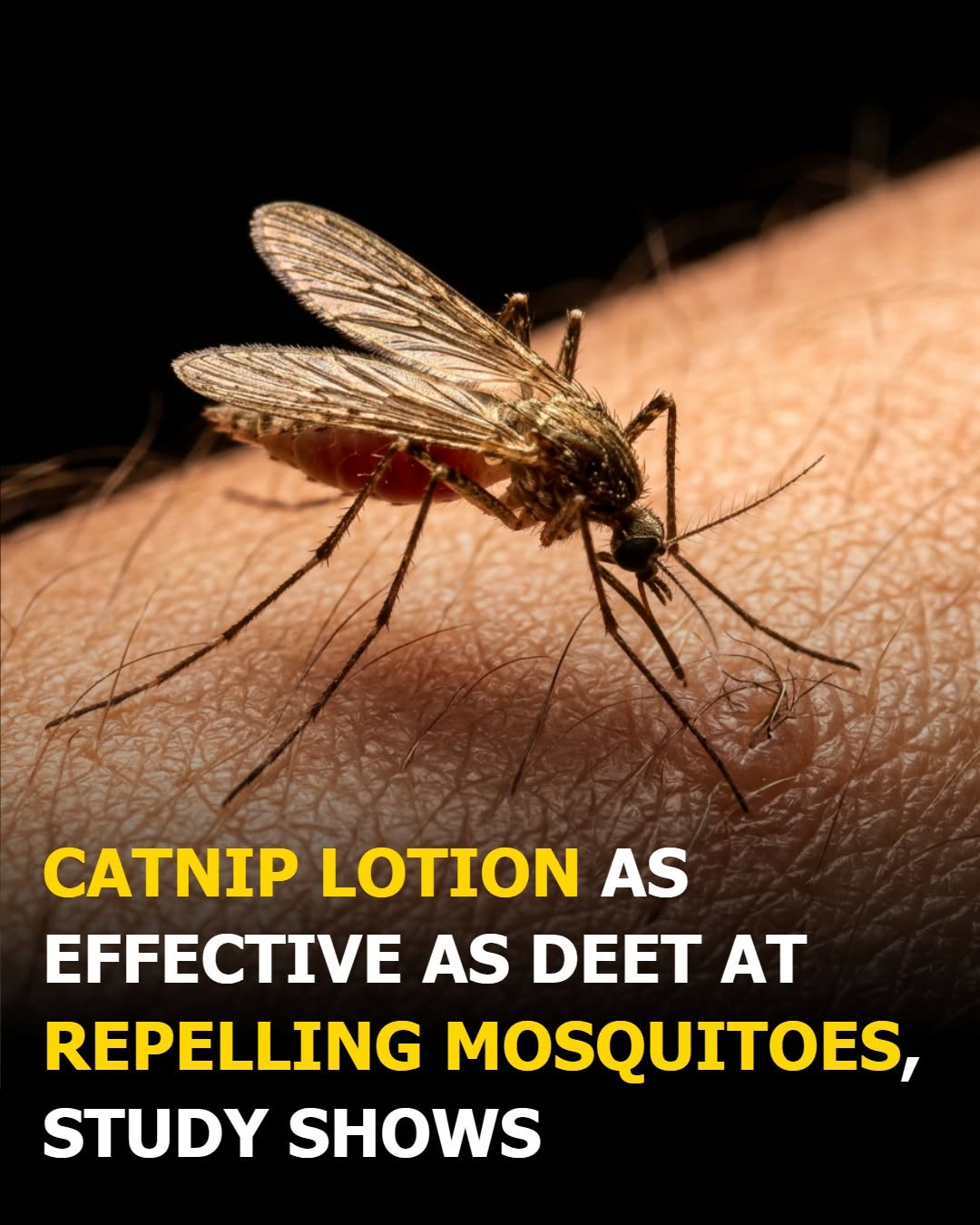
A 6% oil formulation from the catnip plant repels malaria-carrying mosquitoes just as effectively as commercial DEET. Researchers from Uganda and Wales proved it. The active ingredient is nepetalactone. That is the exact same chemical that makes cats euphoric. But the real breakthrough here is economic. Commercial bug spray prices out the subsistence farmers most at risk of the disease. Catnip can be grown, processed into lotion, and sold entirely by local rural communities. A cheap, homegrown barrier against a global killer. The only catch researchers noted was purely theoretical. You might suddenly become very popular with the neighborhood strays.