Author: Kai99

  • justaevolvedchimp1784181616

    justaevolvedchimp1784181616

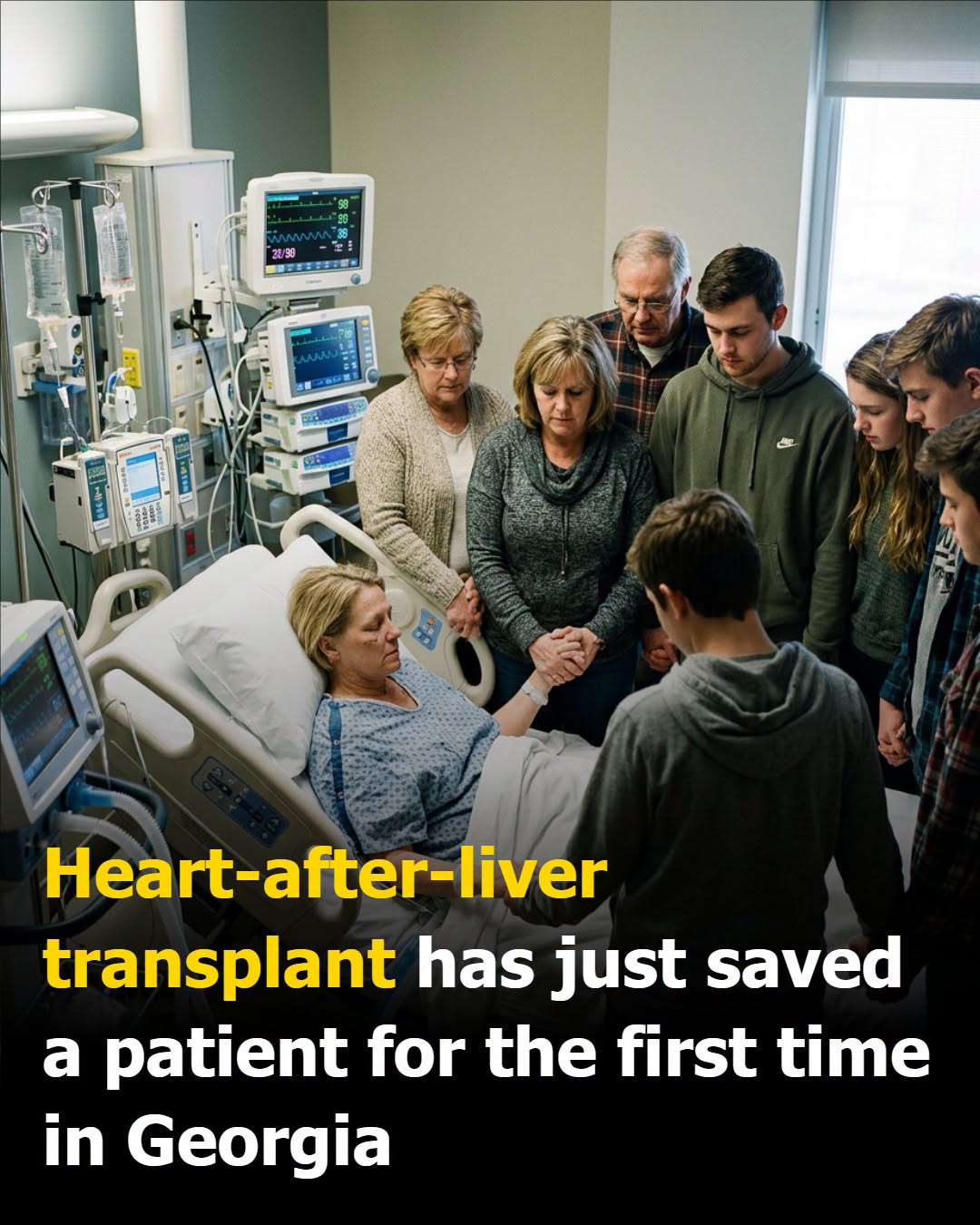
    They gave her two days to live. Maybe two weeks.

    Monica McFarlan’s immune system was too aggressive. It had built up so many antibodies that if surgeons gave her a donor heart, her body would destroy it immediately.

    She was out of options. Until doctors suggested a biological loophole.

    They would give her a new liver first.

    It sounds counterintuitive. But a donor liver acts like a sponge. It absorbs hostile antibodies and essentially resets the body’s immune response. Once the path is clear, the new heart can go in.

    The procedure is called HALT: Heart-After-Liver Transplant.

    It took 16 hours. It worked.

    McFarlan is the first person in Georgia to survive it. All of this started 15 years ago when a doctor told a 37-year-old marathon runner that her shortness of breath was just anxiety.

    It wasn’t. It was congestive heart failure. And now, thanks to two organs and an incredible surgical team, she has a second chance.

  • justaevolvedchimp1784170815

    justaevolvedchimp1784170815

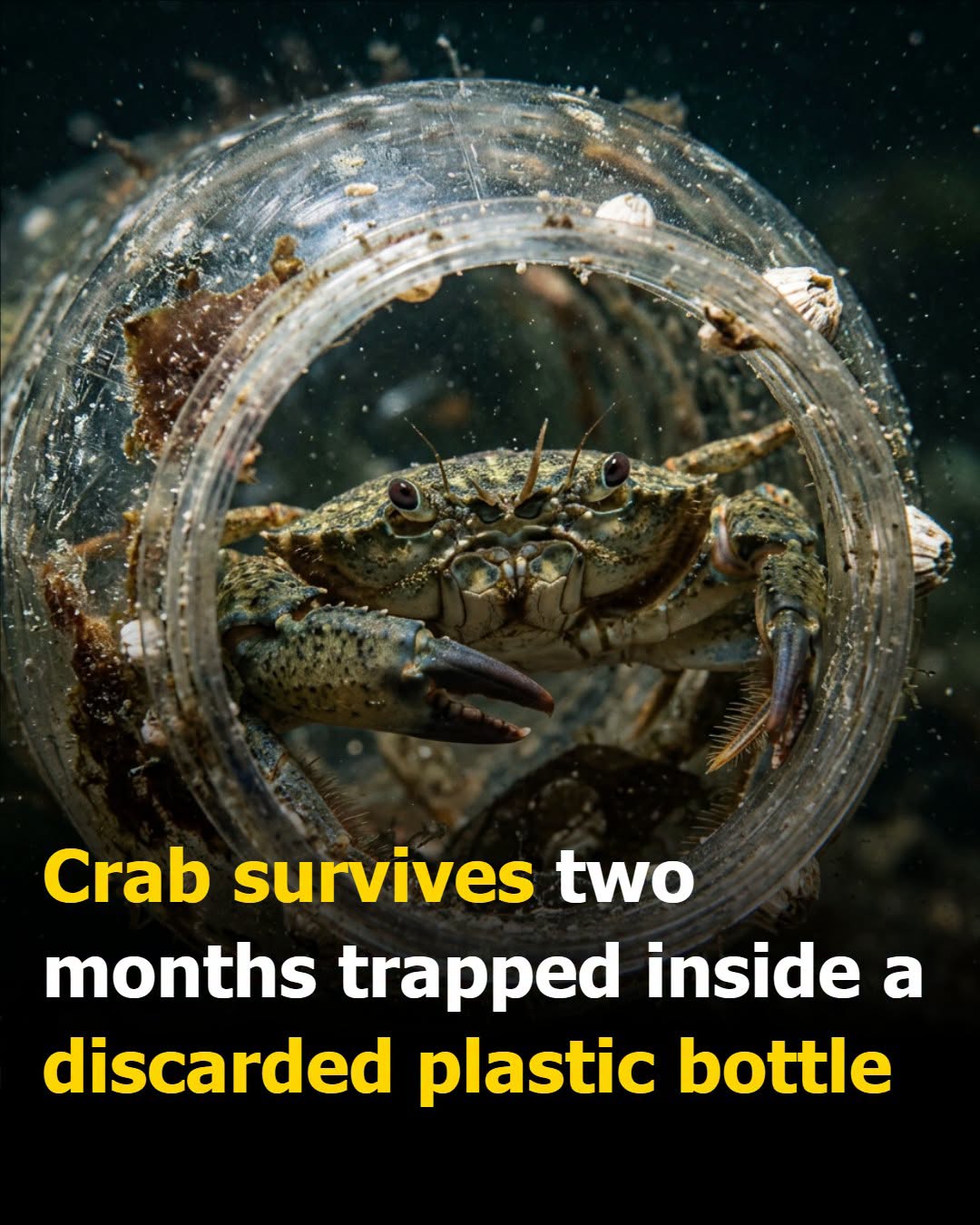
    Hiroshima University researchers were surveying the waters off Okinawa when they pulled up a discarded wine bottle. Inside was a live swimming crab.

    The math did not add up. The crab was significantly wider than the bottle’s 24-millimeter opening. It had squeezed in when it was small, seeking shelter. Then it grew.

    For two months, the bottle became both its prison and a miniature ecosystem. Stomach DNA revealed the crab survived by eating algae growing on the plastic walls and ambushing juvenile fish that swam too close.

    We often talk about plastic pollution as a static hazard. We forget that marine wildlife is incredibly adaptable. This crab did not just get stuck. It learned to survive inside a floating cell.

  • justaevolvedchimp1784160029

    justaevolvedchimp1784160029

    You are looking at the blueprint for Liuzhou. Italian architect Stefano Boeri designed an entire city where the skyline breathes. Every residential tower, school, and office building acts as a vertical forest. The plants do the heavy lifting. They swallow carbon, filter dust, and drop the street temperature. It is a brilliant fix for hazardous air. Building it at scale is proving much harder and more expensive than anyone admitted. But the raw concept is already changing how urban planners build.

  • justaevolvedchimp1784156428

    justaevolvedchimp1784156428

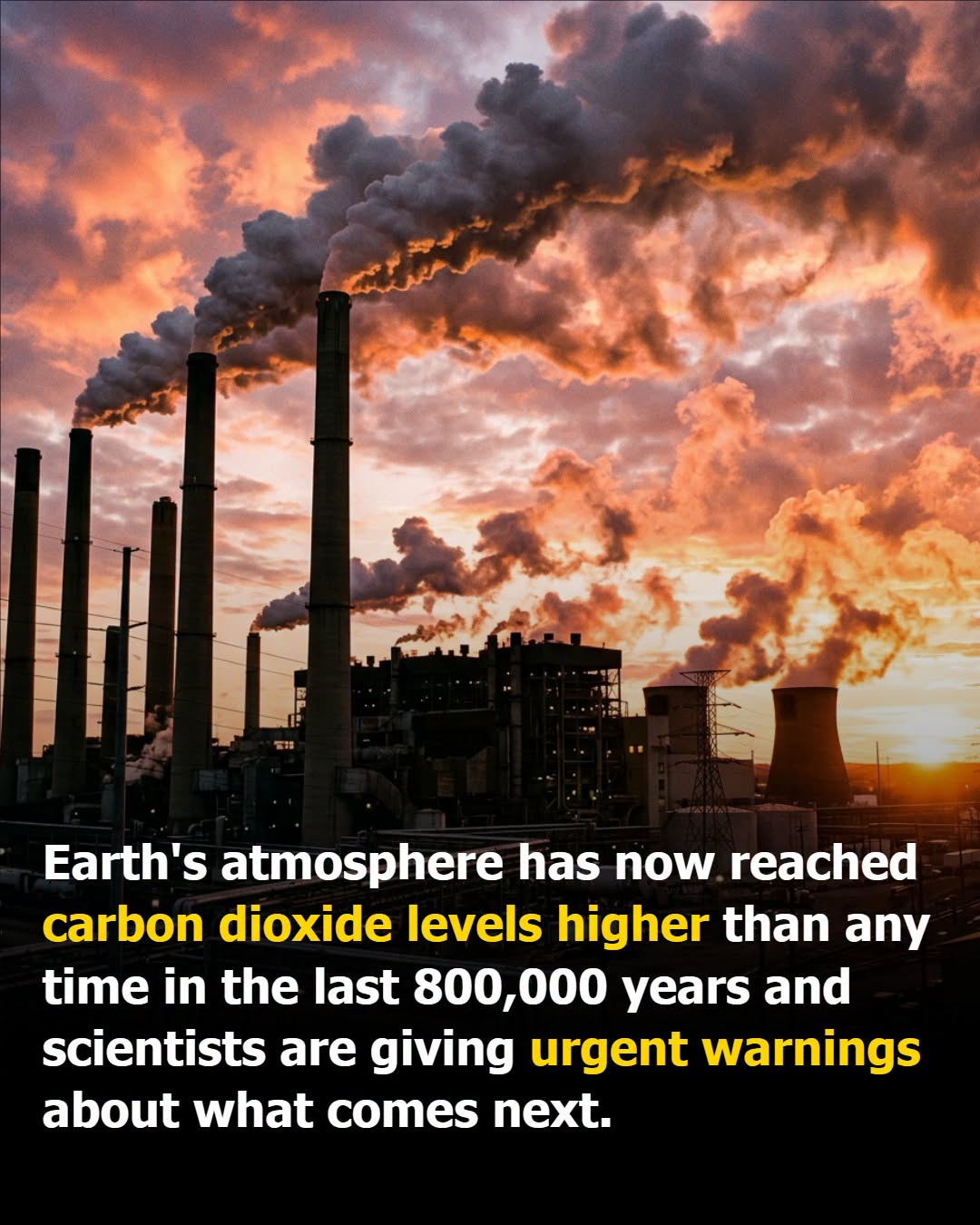
    The 800,000-year timeline is what makes you stop. Long before humans built the first city, and before we even left Africa, the air never looked like this. Ice cores drilled thousands of feet into the Antarctic trap tiny bubbles of ancient atmosphere. The record is clear. For eight thousand centuries, atmospheric carbon dioxide hovered safely below 300 parts per million. Then industrialisation arrived. Today we are past 430 ppm. It is not exactly that the levels are high. It is how incredibly fast the spike happened. Our baseline took millennia to build and a single century to shatter. The physics of heavy, trapped heat do not care about debate. The math is simple. The consequences reverse the map.

  • justaevolvedchimp1784149307

    justaevolvedchimp1784149307

    More than half of the 360 bee species in the Netherlands are endangered. Utrecht did not build a giant nature reserve to fix it. They looked at 300 ordinary bus stops and realised they already had the real estate. They planted the roofs with sedum flowers. They call them bee stops. The plants create a continuous highway for pollinators right through the concrete city. The green roofs do three other things. They capture fine dust from the traffic below. They absorb heavy rainwater. They cool the air during heatwaves. Even the maintenance workers who tend to them drive electric vehicles. You do not always need a billion-dollar megaproject to fix an ecosystem. Sometimes you just have to stop wasting the empty space directly above your head.

  • justaevolvedchimp1784138468

    justaevolvedchimp1784138468

    A Japanese railway company issued a formal apology in 2018. They hadn’t derailed. They hadn’t broken down. A train simply left the platform 25 seconds ahead of schedule. Not minutes. Seconds. The Tokaido Shinkansen bullet train averages less than a minute of delay per year, and that figure includes disruptions from typhoons and earthquakes. This is not accidental. It is the result of dedicated tracks, predictive maintenance, and timetables locked down to the actual second. Cleaning crews turn over an entire train in exactly seven minutes — a choreographed routine studied by airlines all over the world. Since 1964, over 10 billion passengers have ridden the Shinkansen. It has zero fatalities from collisions or derailments. High-speed rail works. You just have to engineer it to never fail.

  • justaevolvedchimp1784134963

    justaevolvedchimp1784134963

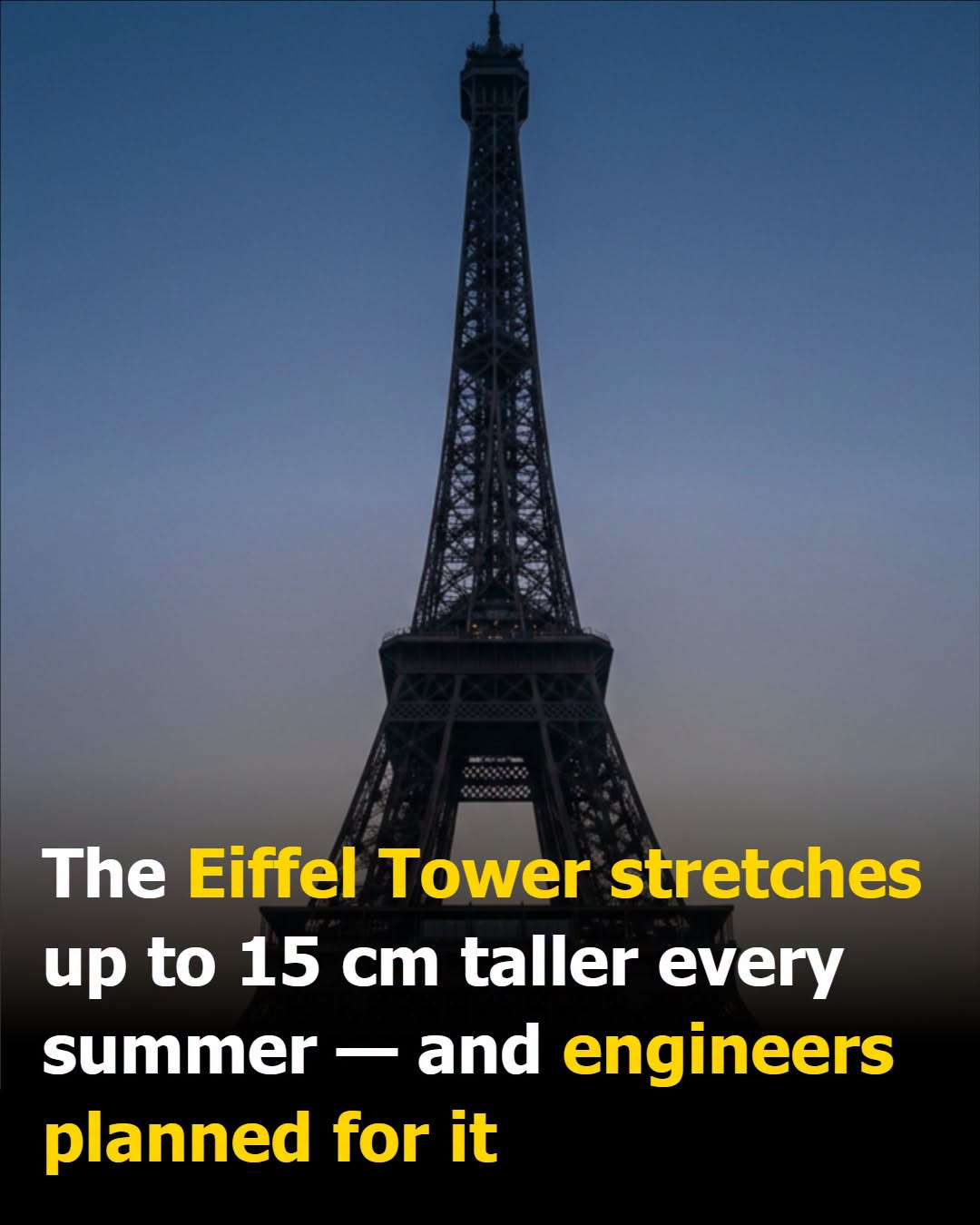
    Iron expands when it gets hot. That means every summer, the Eiffel Tower stretches. It gains up to 15 centimeters in height. The sun-facing side heats up faster than the shade. This forces the entire 10,000-tonne structure to lean slightly away from the sun, tracing a slow curve across the sky until dusk. Gustave Eiffel planned for this in 1889. He engineered all 18,000 iron pieces and 2.5 million rivets to flex seamlessly instead of snap. The tower was originally built as a temporary attraction for the World’s Fair. Parisian purists hated it. It survived demolition only because the military realized it made a highly effective radio antenna. Good engineering does not fight physics. It moves with it.

  • justaevolvedchimp1784127674

    justaevolvedchimp1784127674

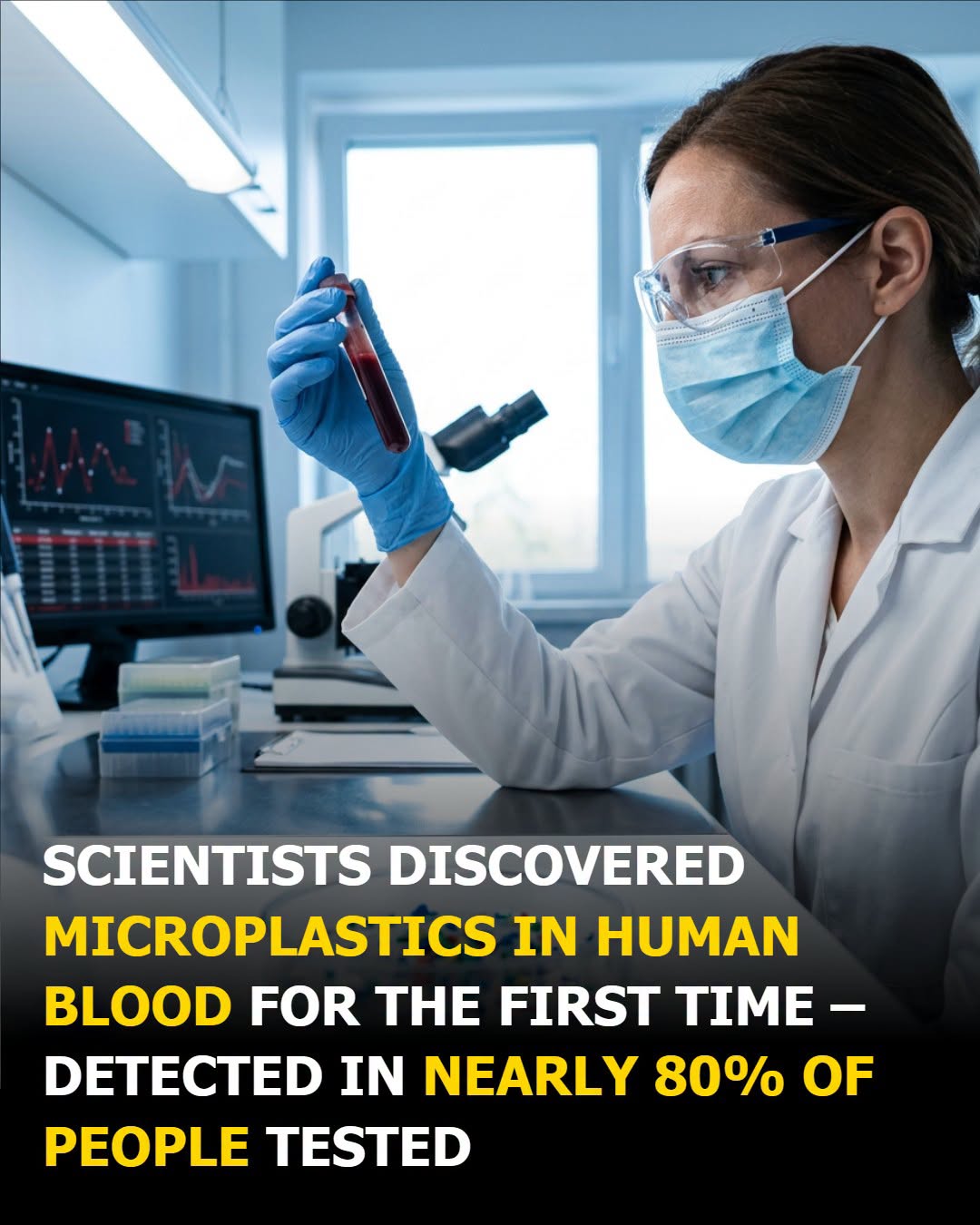
    In 2022, a team of Dutch researchers looked at human blood and found something that shouldn’t be there. Plastic. Nearly eight out of ten people tested had microscopic plastic particles circulating in their veins. The contamination came from everyday items. PET from water bottles. Polystyrene from food packaging. Polyethylene from grocery bags. Since that initial discovery, microplastics have been found in lungs, placentas, breast milk, and brain tissue. We ingest thousands of these microscopic particles every single year through the air we breathe and the water we drink. Science is still racing to understand the long-term consequences, but early data points directly to cellular stress and inflammation. The defining engineering challenge of our time is no longer just building new things. It is figuring out how to clean up the indestructible materials we already made. They designed plastic to last forever. It does.

  • justaevolvedchimp1784124057

    justaevolvedchimp1784124057

    The sky there is full of salt. It sits 40 light-years away. A giant, freezing sphere drifting in the dark. In infrared, it glows a deep pink. But it is what floats in the atmosphere of VHS 1256 b that made astronomers stop. The James Webb Space Telescope peered into its weather systems and found clouds not made of water vapor, but of sodium sulfide and potassium chloride. Salt. It is one of the coldest objects we have ever managed to image directly. Every time we point that telescope into the dark, we find out the rules of Earth do not apply anywhere else.

  • justaevolvedchimp1784120493

    justaevolvedchimp1784120493

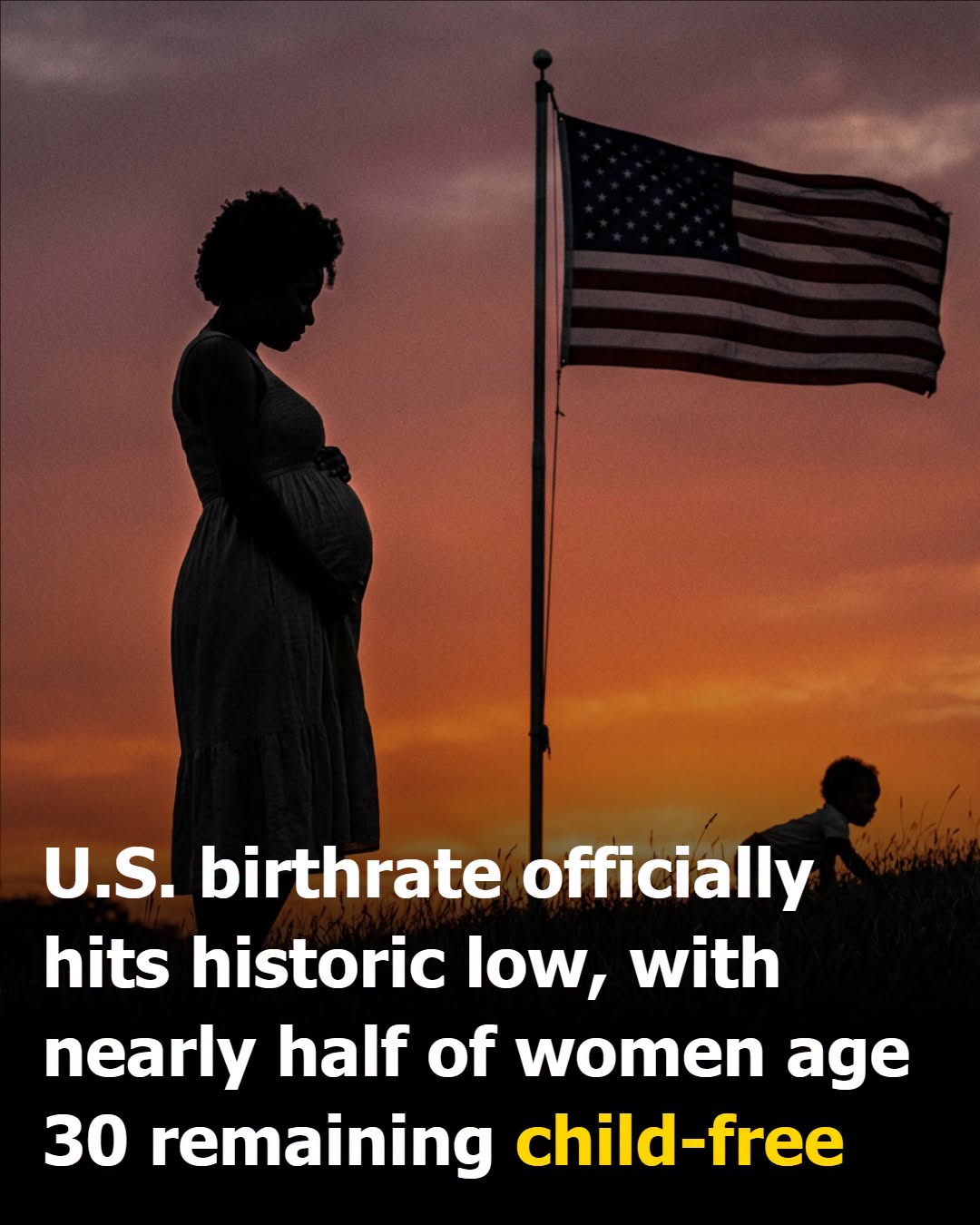
    The math is absolute. To keep a population stable, a country needs a replacement rate of 2.1 children per woman. The United States just hit 1.6.

    That is a 23% drop in births since 2007. The timeline of the American family has fundamentally shifted. Almost half of women are now entering their 30s without having children. They aren’t necessarily opting out entirely, but the entire timeline has slid to the right. The leading demographic for births is now women aged 30 to 34.

    This is not a temporary blip. It is a demographic realignment that changes the math on everything from the housing market to the future of the workforce.