Author: Kai99

  • justaevolvedchimp1784217634

    justaevolvedchimp1784217634

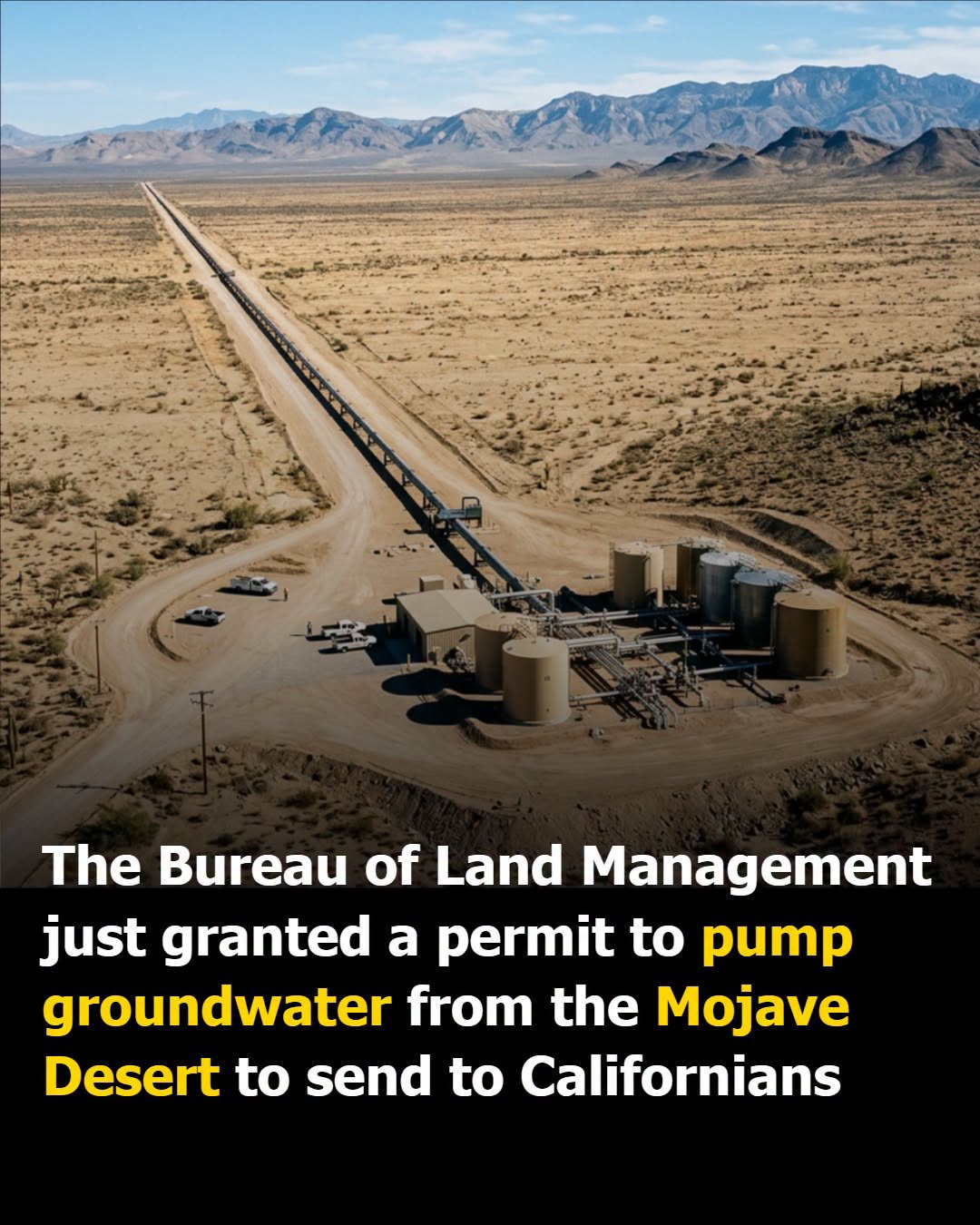
    The federal government just handed a private company a 50-year lease to pump ancient groundwater out from beneath the Mojave Desert.

    The project will repurpose 162 miles of old oil and gas pipeline to move water to drought-stricken Southwest communities. But it is the paperwork that has opponents furious.

    To clear the federal hurdle quickly, officials analysed the environmental impact of the physical steel pipeline. They concluded the pipe itself was harmless. As for the impact of actually draining the desert’s aquifer? The Bureau of Land Management ruled that the massive water extraction was “outside the scope” of their pipeline analysis.

    Cadiz Inc. plans to extract up to 50,000 acre-feet of water a year. Hydrologists estimate that pace is 25 times faster than nature can replenish it, threatening rare desert springs and survival for desert tortoises and bighorn sheep.

    The 2026 federal approval is finalized. The only thing standing in the way now is a strict California state law requiring explicit scientific clearance before a single drop of water can leave the basin.


  • justaevolvedchimp1784214031

    justaevolvedchimp1784214031

    In 1972, Montana did something no other state has done before or since. They wrote Indigenous education directly into their state constitution. Not a policy. Not a temporary curriculum add-on. The constitution. Article X legally guarantees that every public school student—Native and non-Native—will learn the history, culture, and contemporary reality of American Indians. They call it Indian Education for All. It ensures Native people aren’t taught as historical footnotes. They are taught as living, sovereign nations central to Montana’s existence. Other states require tribal history through legislation. But a law can be repealed. A constitutional promise is meant to stay.

  • justaevolvedchimp1784210461

    justaevolvedchimp1784210461

    When pathologist Richard Scolyer was diagnosed with glioblastoma, he knew exactly what the diagnosis meant. He had spent 35 years studying aggressive cancers.

    Instead of just accepting the standard treatment protocol, he turned his own brain into a live clinical trial.

    He and oncologist Georgina Long had already changed how the world treats advanced melanoma using immunotherapy. They adapted that exact science for his brain. He took experimental drugs while the tumor was still inside his head. The goal was to teach his immune system how to recognize the cancer before surgeons removed it. It had never been done this way for glioblastoma before.

    The treatment did not save his life. He died knowing that was always the most likely outcome.

    But by publicly logging every scan, biopsy, and biological reaction, he handed researchers an unprecedented map of how brain cancer responds to these drugs. A major clinical trial based entirely on his approach has already begun in the US. He spent his career saving patients. His final act was making sure his own death might save even more.

  • justaevolvedchimp1784206842

    justaevolvedchimp1784206842

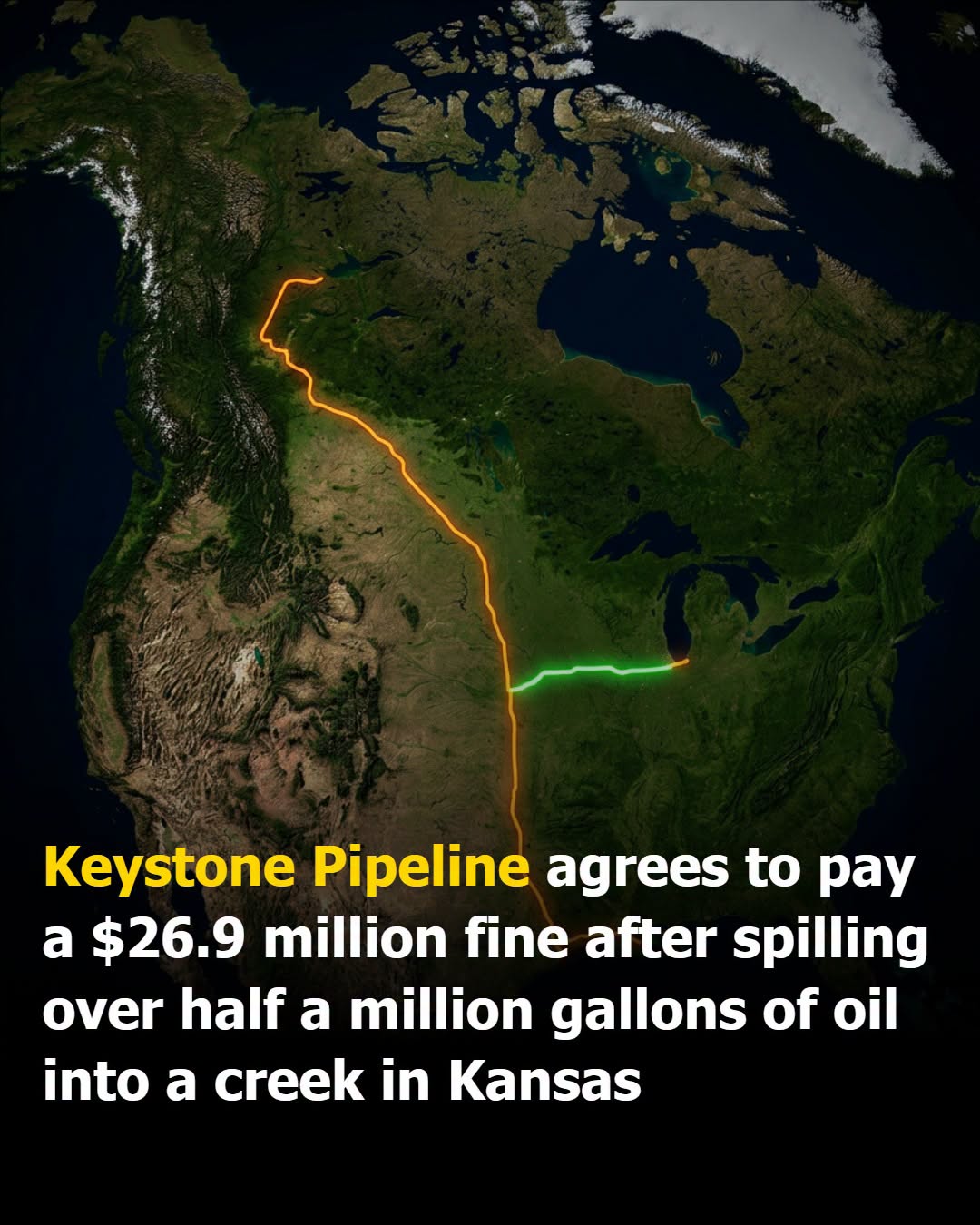
    In 2013, crews excavated a section of the Keystone Pipeline in rural Kansas. The pipe was damaged. The soil underneath was improperly compacted. They looked at it, and then they buried it again without replacing the stressed section.

    Nine years later, that exact pipe ruptured. It dumped 543,000 gallons of heavy crude oil into Mill Creek.

    That single burst released more oil than all 22 previous spills on the entire pipeline system combined. The creek was left completely lifeless. More than 2,700 animals were killed by the spill.

    Now, the pipeline’s operator has agreed to pay a $26.9 million civil penalty. They will also spend $40 million on measures to try and prevent another disaster. It is the largest onshore spill in the United States in a decade, and it was entirely preventable.

  • justaevolvedchimp1784203244

    justaevolvedchimp1784203244

    In 1988, polio paralyzed 350,000 people every single year. Most were children under five. The virus invaded their nervous systems. It locked up their limbs. Sometimes it paralyzed the specific muscles they needed to breathe.

    Then humanity decided to push back.

    The Global Polio Eradication Initiative launched one of the largest coordinated public health campaigns in human history. Health workers carried cold vaccines to the most remote corners of the globe. They systematically immunized millions of children.

    It worked. Today, wild poliovirus cases are down by more than 99%.

    The disease is now endemic in exactly two countries: Afghanistan and Pakistan. We have never been closer to wiping a devastating illness off the board entirely. But as long as it circulates anywhere, international travel means under-vaccinated communities remain at risk. The job is almost done. We just have to finish it.

  • justaevolvedchimp1784199620

    justaevolvedchimp1784199620

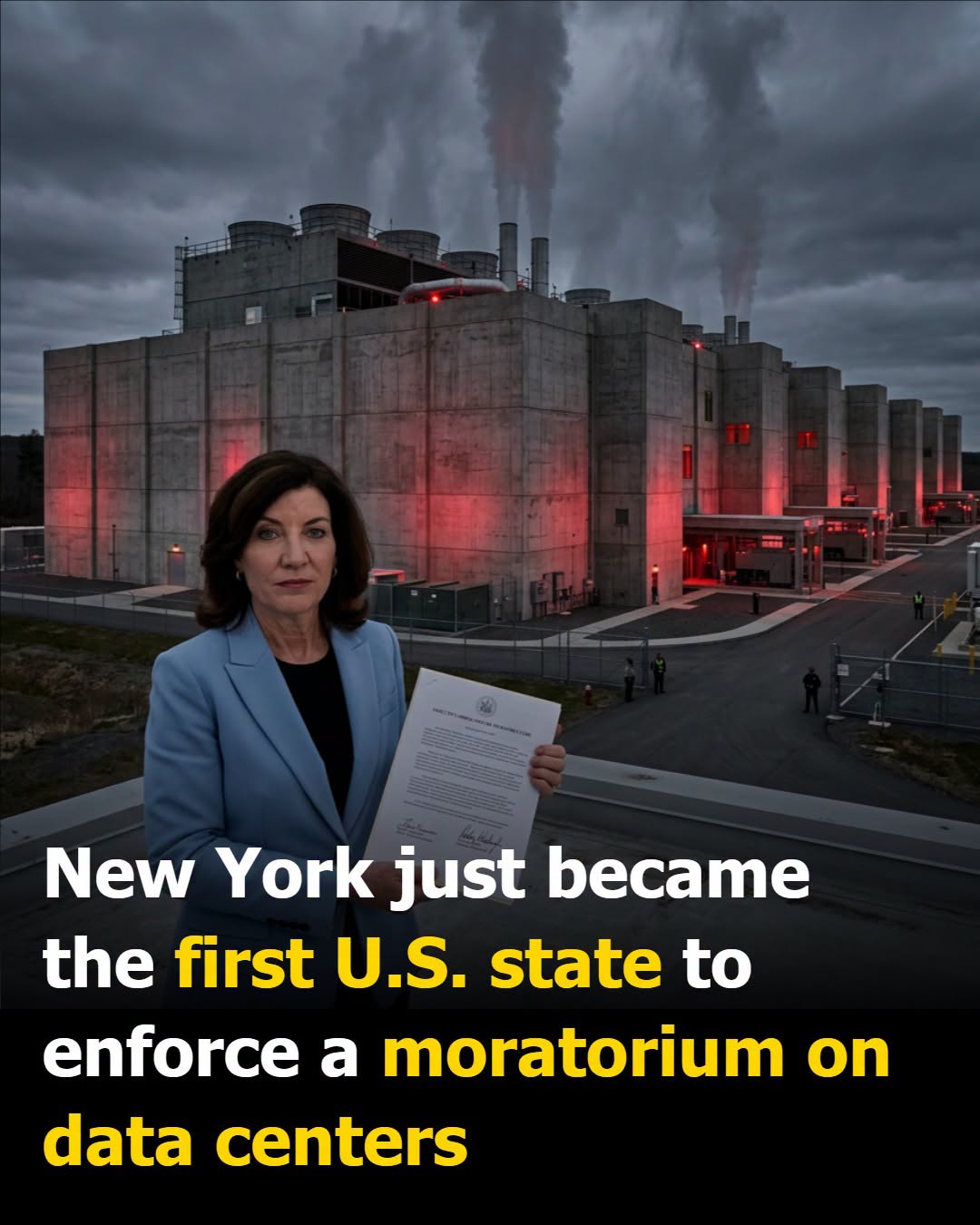
    One gigawatt of electricity can power 750,000 homes. Right now, there are massive tech facilities waiting in line to pull 12 gigawatts from the New York power grid.

    The physical cost of artificial intelligence is catching up to us.

    Governor Kathy Hochul just hit the pause button. New York has placed a strict one-year ban on the construction of new utility-scale data centers. They need 12 months just to figure out what these massive buildings are doing to local water supplies and community infrastructure.

    A single major data center can consume as much power as an entire small city.

    Maine tried to halt construction earlier this year, but the governor vetoed it. New York is the first state to actually lock the doors.

    The cloud is not invisible. It is made of concrete, steel, and a terrifying amount of electricity.

  • justaevolvedchimp1784196019

    justaevolvedchimp1784196019

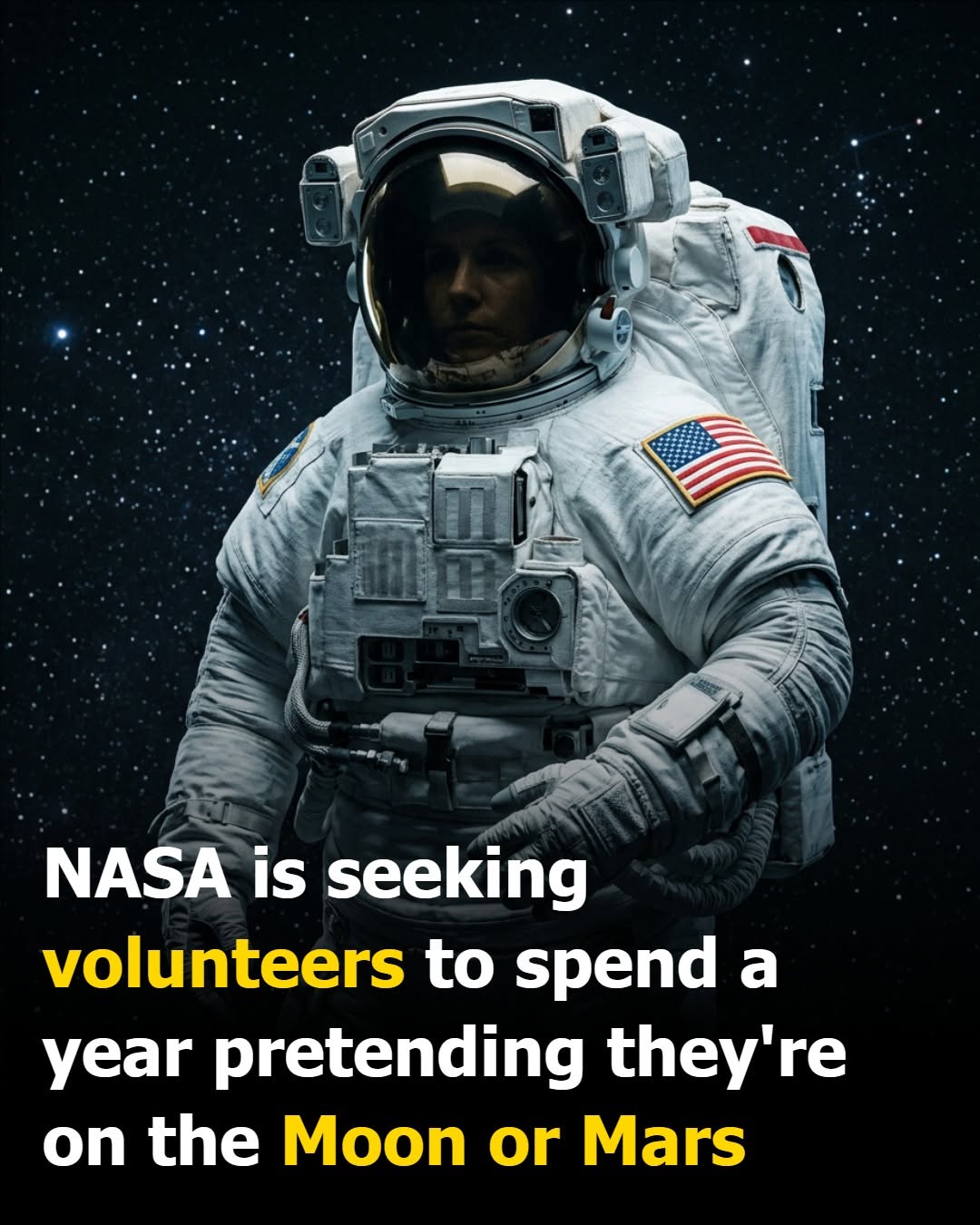
    You will spend 365 days without seeing the sun or breathing fresh air. You will look at the exact same three faces every single morning. Your day will be 40 minutes longer than the rest of the planet. And you will never leave Houston.

    NASA needs four people to step inside an isolated habitat at the Johnson Space Center in 2027 and pretend they are living on the Moon or Mars. You will grow your own food. You will execute fake spacewalks. You will manage dwindling supplies. Every hour of your sleep, stress, and behavior will be monitored to see if humans can survive the psychological weight of deep space without turning on each other.

    The catch is you already need to be operating at astronaut level. They want U.S. engineers, scientists, doctors, or military veterans between 30 and 55. One year in a cramped box to pave the way to another planet.

  • justaevolvedchimp1784192439

    justaevolvedchimp1784192439

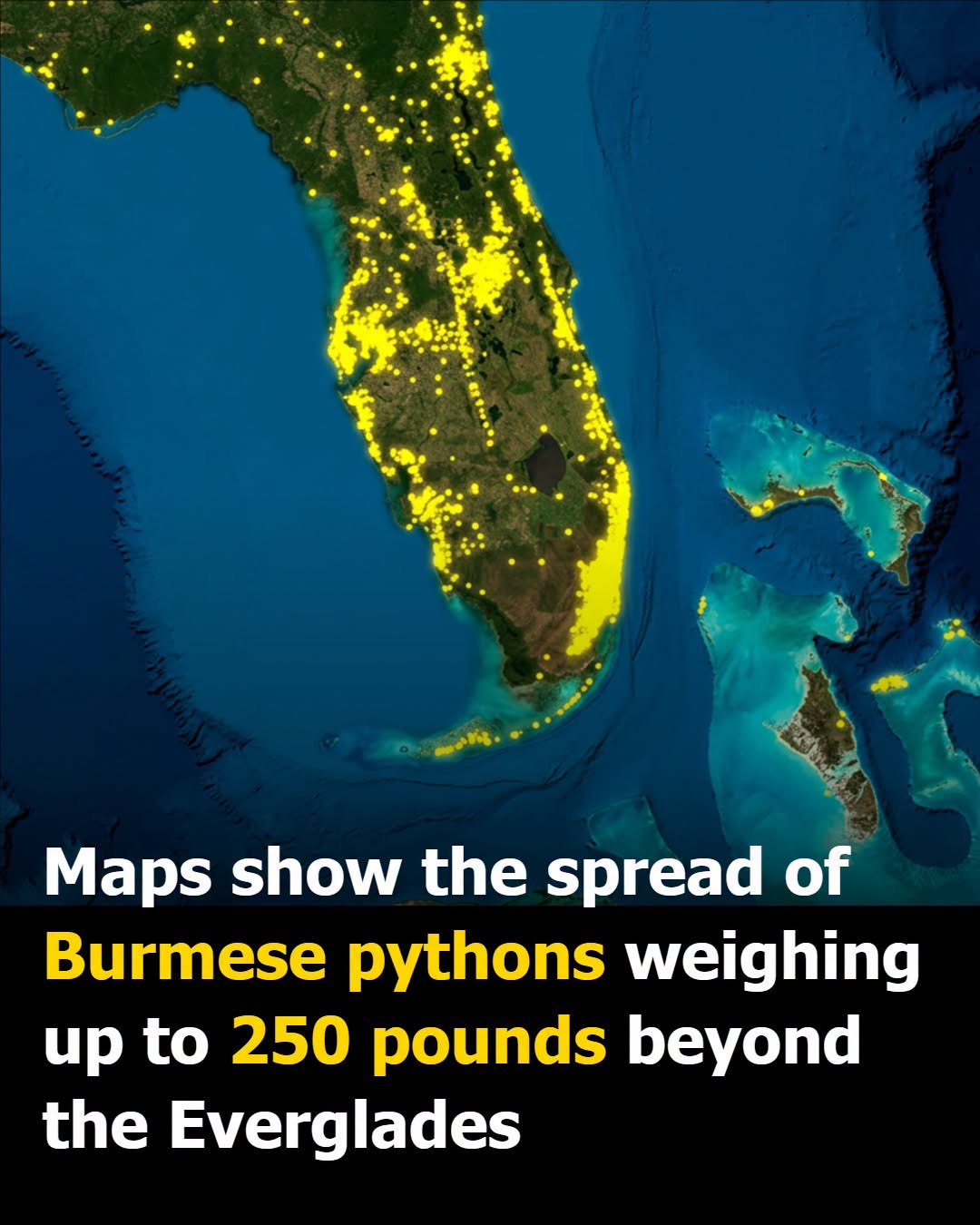
    For decades, the Everglades acted as a containment zone for the Burmese python invasion. Not anymore.

    Researchers are now tracking a growing population moving north into Charlotte County and spreading aggressively. These snakes hit 20 feet long and tip the scales at 250 pounds. They have no natural predators in Florida. They eat deer. They eat bobcats. They eat alligators.

    The ecological reality is staggering. Since the pythons took hold, native mammal populations in Everglades National Park have plummeted by up to 95%.

    Wildlife officials have pulled more than 27,000 pythons out of the state since 2000. But a single female can lay more than 100 eggs at a time, meaning the math is entirely on the snakes’ side. Florida is launching an annual hunting challenge to try and slow the spread, putting up $25,000 in prize money for the public to help. But the network of warm, connected wetlands shows exactly where the invasion is heading next.

  • justaevolvedchimp1784188875

    justaevolvedchimp1784188875

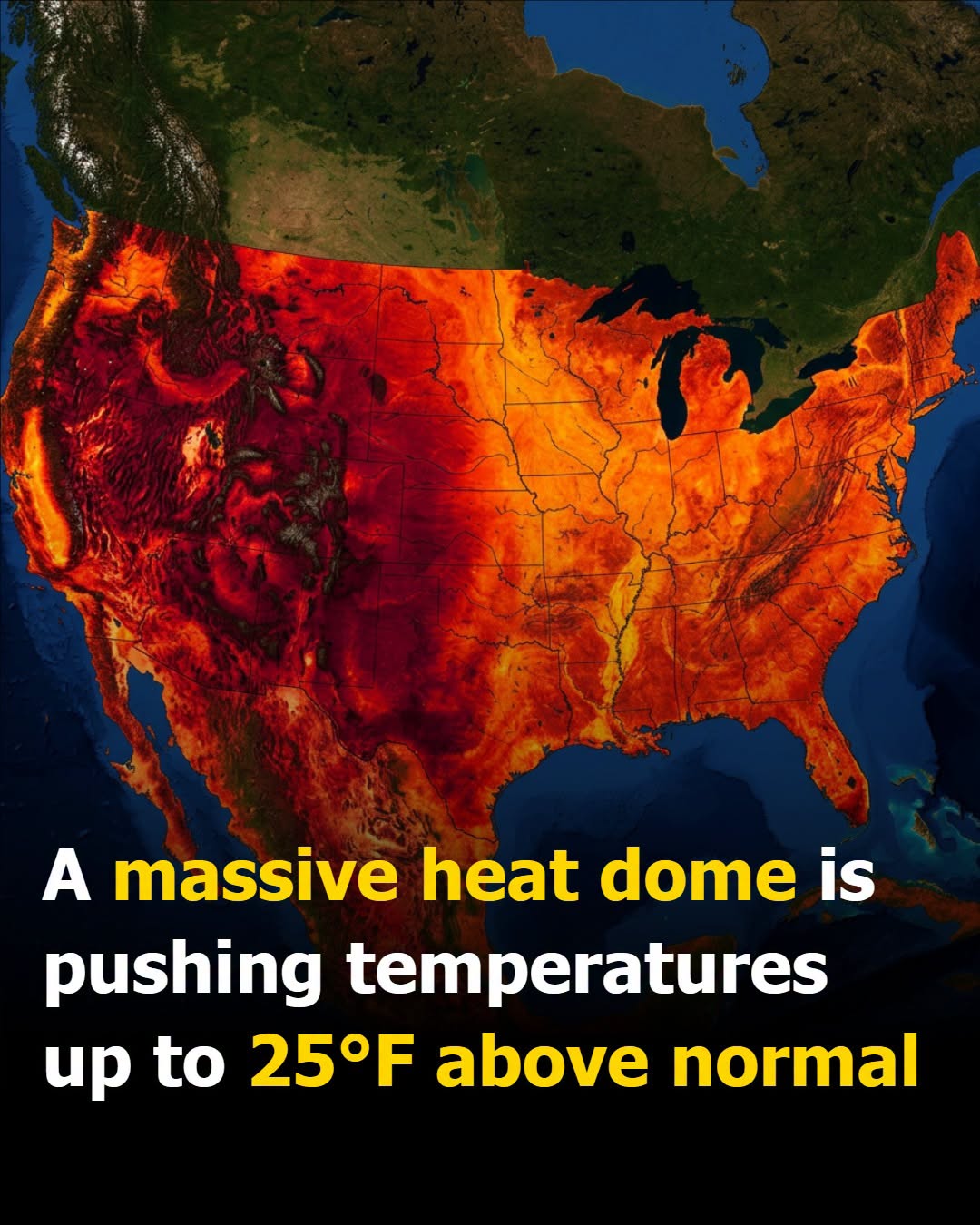
    A heat dome is basically a lid on the atmosphere. High pressure traps hot air near the ground. That air sinks, compresses, and heats up even more. Now that lid is sliding across the entire country.

    The West has already dealt with it. Phoenix and Las Vegas blew past 110°F (43°). But the system didn’t break. It just moved north and east. Billings hit 110°F. Bismarck hit 107°F. Those are numbers you expect in the desert, not the Dakotas. That is up to 25 degrees above normal.

    Now it is moving toward the Midwest and the East Coast. When it gets there, it picks up another problem. Humidity.

    The actual thermometer might say 95°F along the mid-Atlantic, but the moisture in the air will make it feel up to 15 degrees hotter. Your body cools itself by evaporating sweat into the air. When the air is totally full of water, that system stops working. You just bake.

    Take it seriously. Check on people who live alone without AC.

  • justaevolvedchimp1784185217

    justaevolvedchimp1784185217

    The internet runs incredibly hot.

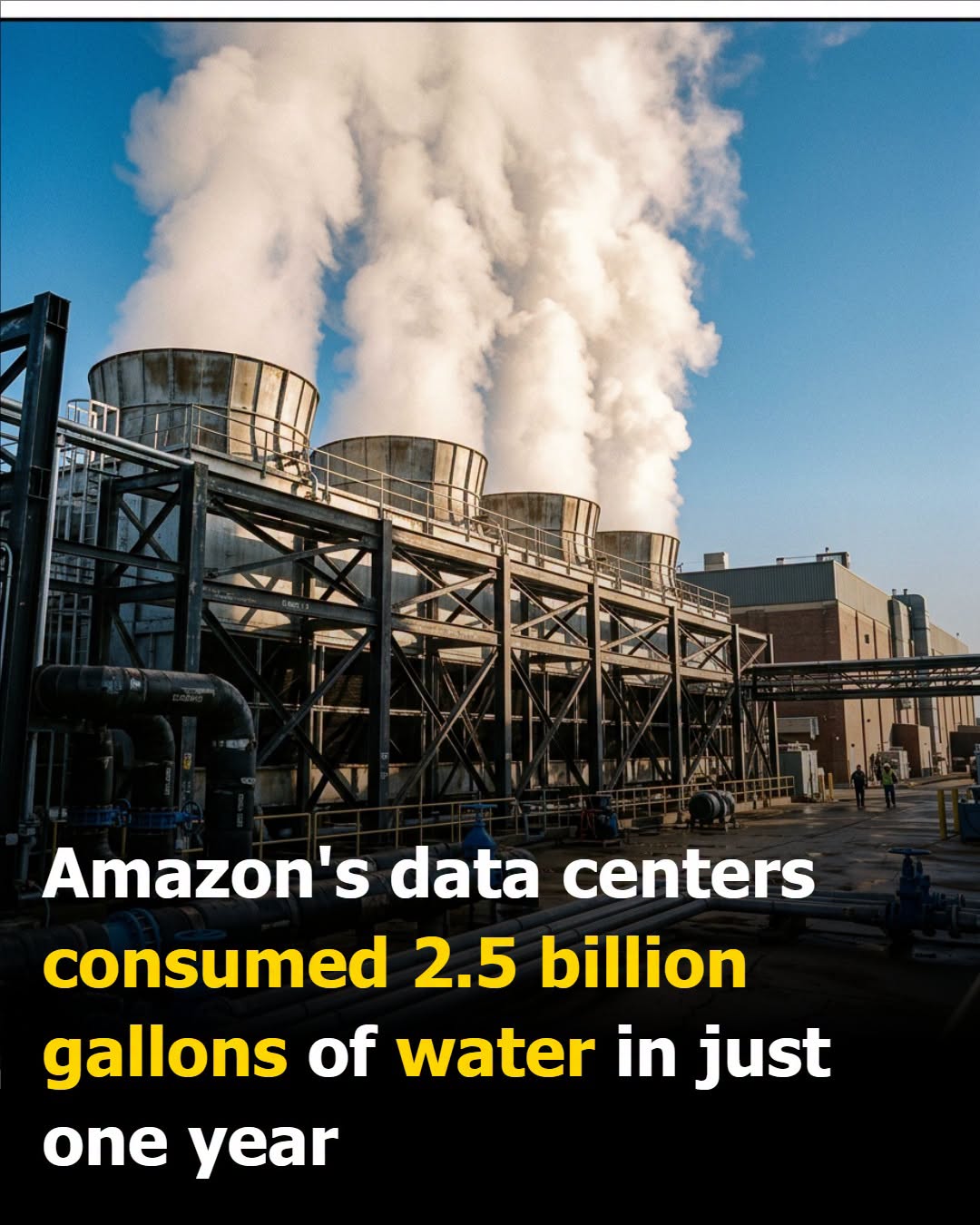
    To stop millions of servers from melting down, tech companies have to cool them. They use water.

    Amazon just revealed exactly how much it takes. Its 900 global data centers consumed 2.5 billion gallons of water in a single year. That is the equivalent of 3,800 Olympic swimming pools.

    The company actually managed to drop its water use by two percent from 2024 through better cooling tech. But the sheer volume is starting to cause friction locally.

    In towns where these massive facilities go up, residents are reporting sudden drops in water pressure and unexplainable spikes in their utility bills. Utah just passed the first state law forcing new data centers to publicly disclose their exact water drain before they build.

    Computing power for cloud storage and artificial intelligence is surging. The servers are only getting hotter. Right now, only 14 percent of Americans say they would tolerate a data center being built in their zip code.