
Nosey tomato with a nice haircut
Blog
-

1783894451monster_on_holiday1395
My issues are:
+ The perspective seems off (the people in the back look like they get too small, too fast)
+ The people in the foreground and the mountains in the distance are in focus more than the people & signs/buildings in the midground.
+ This just looks like an unlikely crowd size. I understand that people will come from around the area for the town's 4th of July parade, but this looks like Times Square on NYE, not Podunk, USA.
-

1783666344Kilasatzz290
The iconic Lutheran church in Reykjavík, Iceland. Its towering central spire (about 74.5 m / 244 ft tall)
-

1783538681DaddyAymeric245
Was grooming a dog and noticed it flash green when I was taking it off, thought it was a camera at first but when I finished and was putting it back on I had a closer look and I've never seen anything like this and I've seen A LOT of dog collar things. I tried Google lens but got nothing back even with basic keywords it said it couldn't be processed due to content guidelines :S is it a barking deterrent maybe? I haven't seen one like this, maybe it makes a sound if it hears a bark? It didn't go off at any point or my own dog would have had an anxiety attack, and there was a lot of barking going on, albeit not from the dog wearing it. There's no sensors on the back just rubbery straps to hold it on the collar.
-
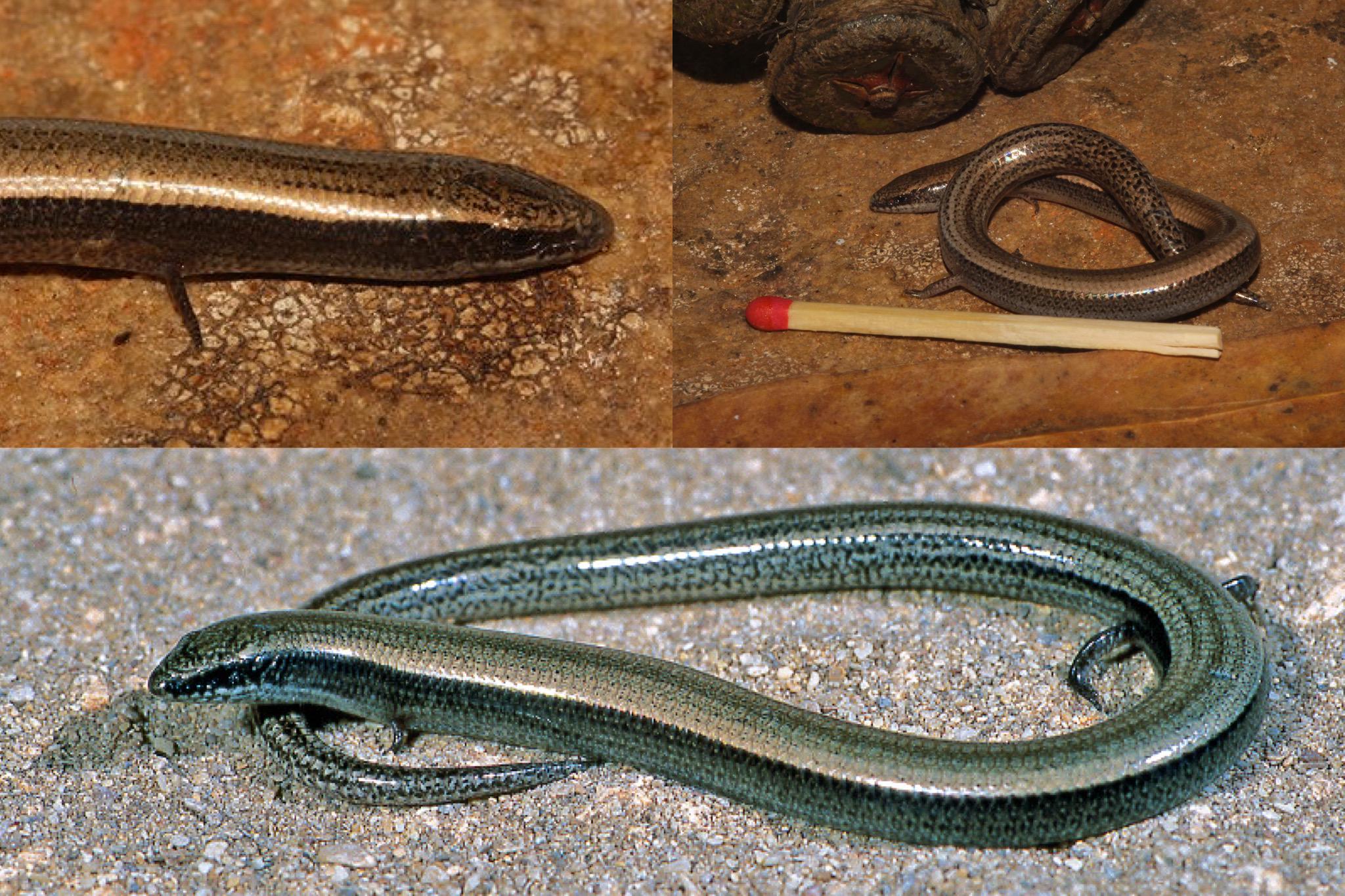
1780695555IdyllicSafeguard199
As per its name, the two-fingered skink has only two digits on each of its comically tiny front limbs (and three on its hind). Its lineage diverged from its relatives — ‘grass-swimmers’ like the Italian three-toed skink — around 9.9 million years ago. Other species in its genus (Chalcides), like the Gran Canaria skink, have five digits on each foot, while Günther’s cylindrical skink has no limbs at all.
Native to the sand dunes of the North African coast, the two-fingered skink is incredibly difficult to spot. It spends most of its life swimming beneath the sand, surfacing occasionally to ambush insect prey. Despite this, it remains a frequent target for keen-eyed predators like gulls.
In one study, over 85% of adult skinks in a population had regenerated tails, suggesting that most individuals have survived at least one near-death encounter. This species is known for its hasty autotomy, dropping its tail at the first sign of danger. Juvenile two-fingered skinks even have bright red tails, likely to draw the attention of predators away from their bodies.
This tendency to drop-and-run means that researchers have to be especially careful while handling a two-fingered skink — sexing the adults, which requires carefully examining the cloaca and everting the hemipenis of males, is frequently avoided due to the high risk of stress-induced tail autotomy.
To find these skinks, researchers often flip over beach debris like driftwood, beneath which they can sometimes be found resting. Unfortunately, the skinks are now more likely to be found under human litter: during surveys conducted in April 2009 and April 2013 along the Moroccan coast, two-fingered skinks were “found only by turning over rubbish like old clothes, cardboard, plastic etc.”
As the two-fingered skink’s specific coastal habitat shrinks due to coastal development and rising sea levels, the species’ range is squeezed into a smaller and smaller sliver of coastline. As of the last IUCN assessment in May of 2024, it is a considered a Vulnerable species.
-

1783920313nickolaswarnerphoto274
Bears Ears that will likely lose some protection Monday. [1350×900] [OC]