
Glencoe, Scotland [OC][2695×1227]
Blog
-

1779135654witchrosen12
I absolutely adore dinosaurs so this shirt was a must. It's great for hot days.
-

BeePetLove1784134275
President Trump welcomed five Holocaust survivors to the Oval Office.
The meeting comes amid growing concerns about rising antisemitism in the United States and around the world, underscoring the importance of preserving the firsthand accounts of Holocaust survivors while they are still able to share their experiences. -
justaevolvedchimp1784134963
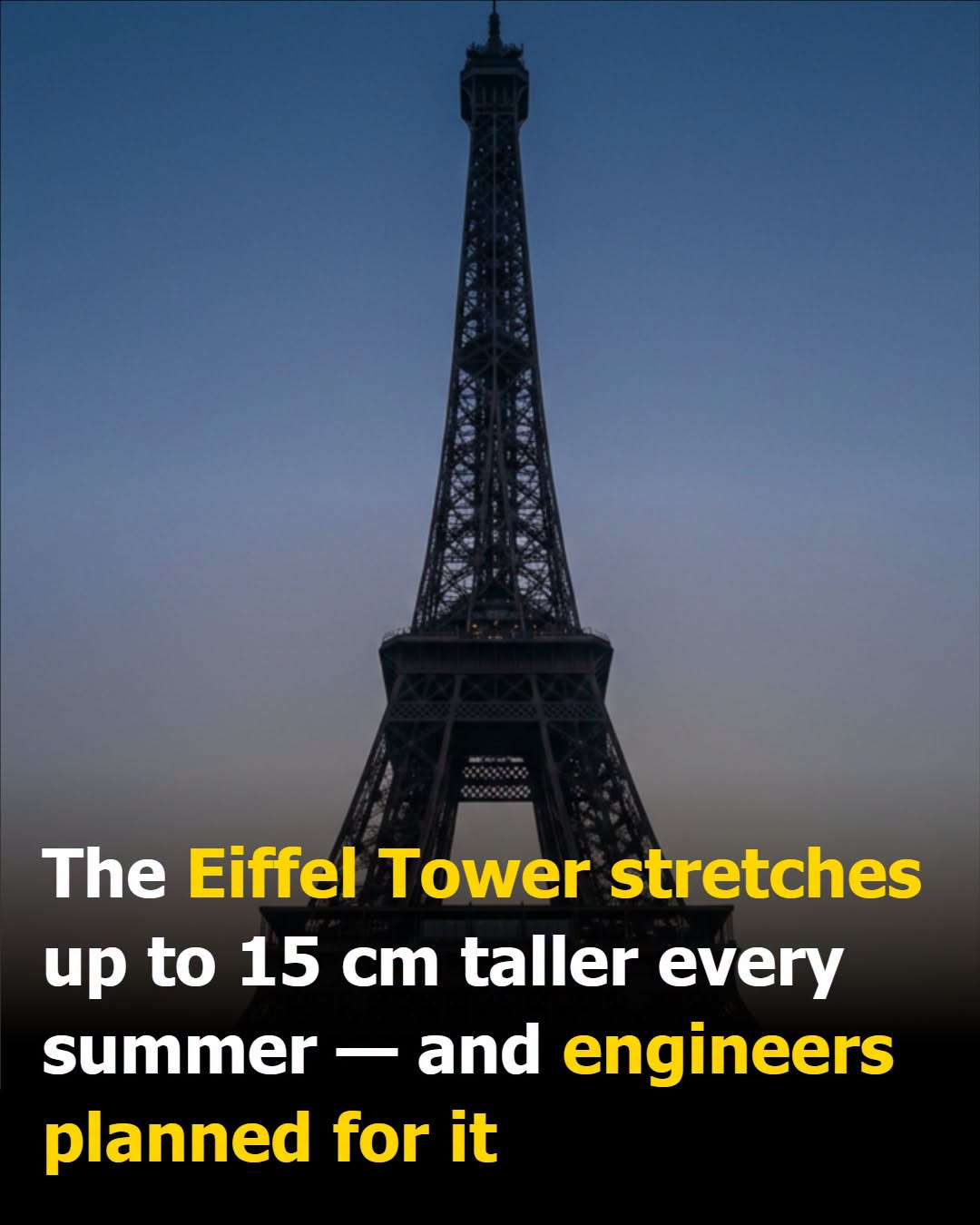
Iron expands when it gets hot. That means every summer, the Eiffel Tower stretches. It gains up to 15 centimeters in height. The sun-facing side heats up faster than the shade. This forces the entire 10,000-tonne structure to lean slightly away from the sun, tracing a slow curve across the sky until dusk. Gustave Eiffel planned for this in 1889. He engineered all 18,000 iron pieces and 2.5 million rivets to flex seamlessly instead of snap. The tower was originally built as a temporary attraction for the World’s Fair. Parisian purists hated it. It survived demolition only because the military realized it made a highly effective radio antenna. Good engineering does not fight physics. It moves with it.
-
BehindWings1784134807
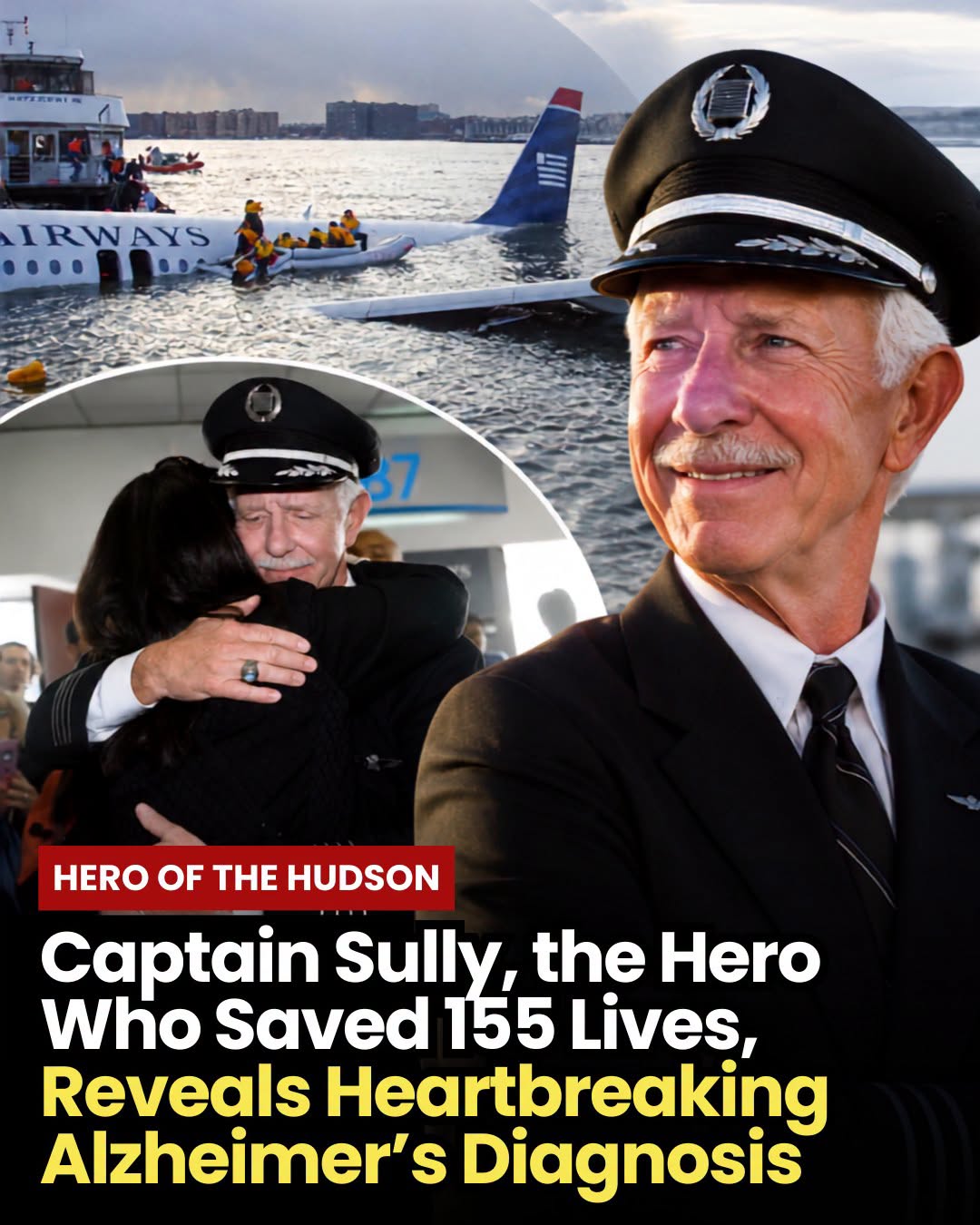
On January 15, 2009, Captain Chesley “Sully” Sullenberger made one of the greatest emergency landings in aviation history.
After US Airways Flight 1549 struck a flock of geese just after takeoff from New York’s LaGuardia Airport, both engines failed.
With no runway within reach, Sully safely landed the Airbus A320 on the icy Hudson River.
Every single one of the 155 passengers and crew survived.
Today, the man known around the world as the “Hero of the Hudson” has shared heartbreaking news.
At 75, Sully has revealed that he was diagnosed with early-stage Alzheimer’s disease last year.
He says the first signs were subtle.
A name doesn’t always come easily anymore.
Sometimes he repeats a story without realizing it. His once-photographic memory has begun to change.
He didn’t have to make his diagnosis public.
But, true to the life he has lived, Sully says he wanted to continue serving others by speaking openly—hoping that other families facing Alzheimer’s won’t feel they have to go through it alone.
His wife says he is still the same calm, steady man the world came to admire on that freezing January afternoon in 2009.
In September, Captain Sully will be inducted into the National Aviation Hall of Fame—a reminder that while Alzheimer’s may affect memories, it can never erase an extraordinary legacy.
❤️ Thank you, Captain Sully, for everything you’ve done—for aviation, for safety, and for inspiring millions around the world.
#CaptainSully #HeroOfTheHudson #Aviation #USAirways1549 #AlzheimersAwareness
-

1784135112itsmemdfk7
I’ve been asked for a CV with a photo, and I’m not sure if this one is appropriate—what do you think?/ me han pedido enviar mi CV con foto para un trabajo , creen que es apropiada ? Los leo gracias 😬 F32
-
MockingMerriment1784134969
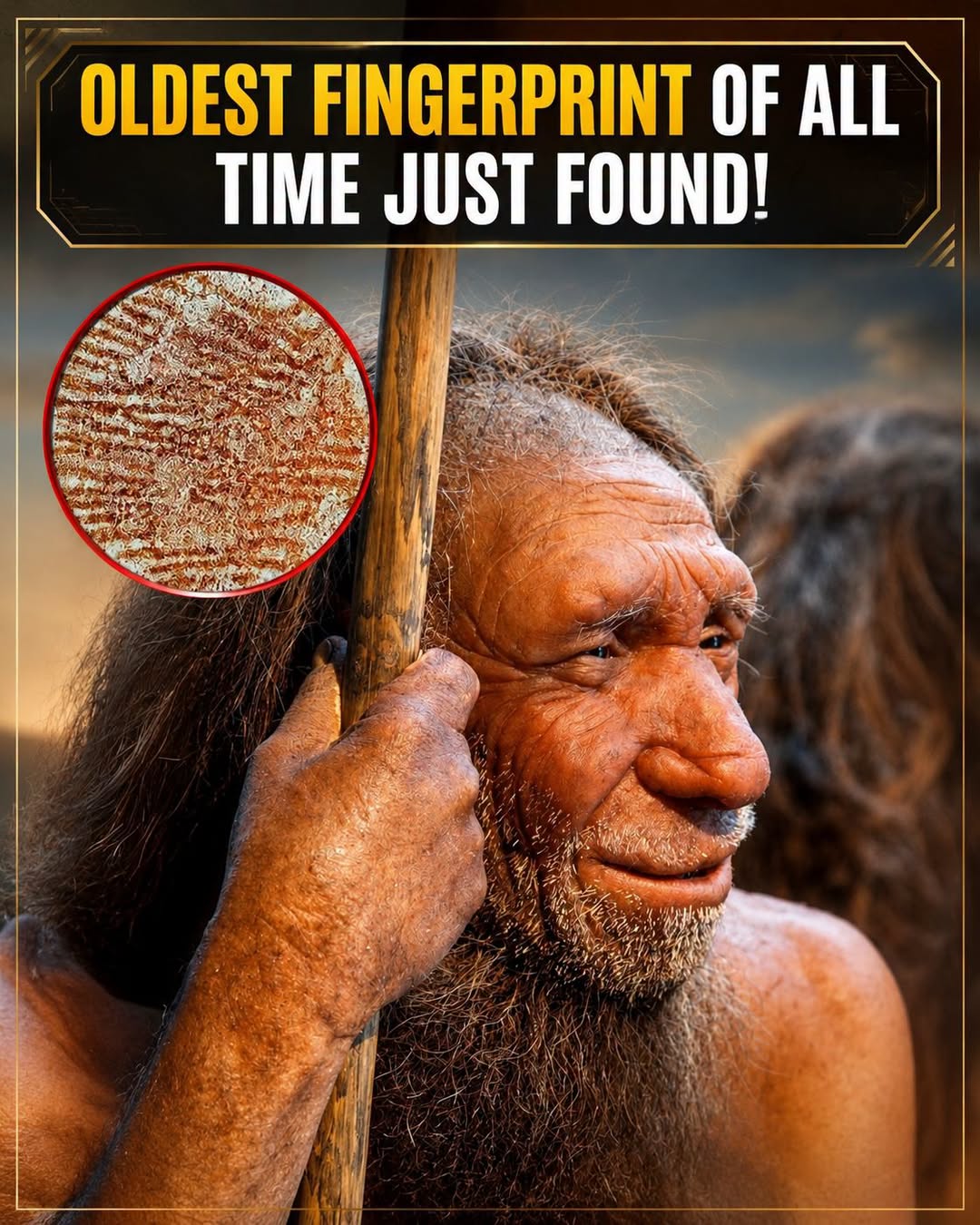
Archaeologists in northern France have uncovered what is now considered the oldest known human fingerprint ever found. Pressed into ancient clay, the print is believed to have been left by a Neanderthal child between the ages of 7 and 10. The impression, found in the La Roche-Cotard cave system near the Loire River, offers a hauntingly intimate connection to a young individual who lived tens of thousands of years ago.
This isn’t just a fossil or a tool. It is a human mark. A quiet moment that may have been the result of a child idly pressing their finger into soft clay while playing or perhaps helping shape something as part of a communal task. While Neanderthals are often depicted as brutish or primitive, discoveries like this gently challenge that image. They remind us that these early humans expressed curiosity, creativity, and tenderness in ways not so different from our own.
The clay fingerprint was preserved in the cool, stable environment of the cave—a rare survival that speaks to both the geological conditions and the quiet presence of human life in that region. The site has long been of interest due to its Mousterian stone tools, which were commonly used by Neanderthals. But this latest find adds a personal, humanising layer to the archaeological record.
Far from being merely a survival-driven species, Neanderthals made symbolic objects, buried their dead, and now, we know, they left behind the smallest but most powerful trace of humanity—a fingerprint.
Fun Fact: Fingerprints are unique to individuals, meaning this Neanderthal child’s print is one of a kind in all of history. No one before or since has had the same exact pattern.
#MockingMerriment
#FossilDiscovery #Paleontology #AncientHumans #HumanHistory #Neanderthals #PrehistoricLife #HumanEvolution#LaRocheCotard #Archaeology