Any advice on how to get cat hair off of clothes or even to eliminate it happening as much?
Me and my partner could really do with some help when it comes to this as it is literally everywhere 🤣
Any advice is appreciated 👍🏼
Blog
-

1784046306not_me34513
-
1783905903Ross_turnip11
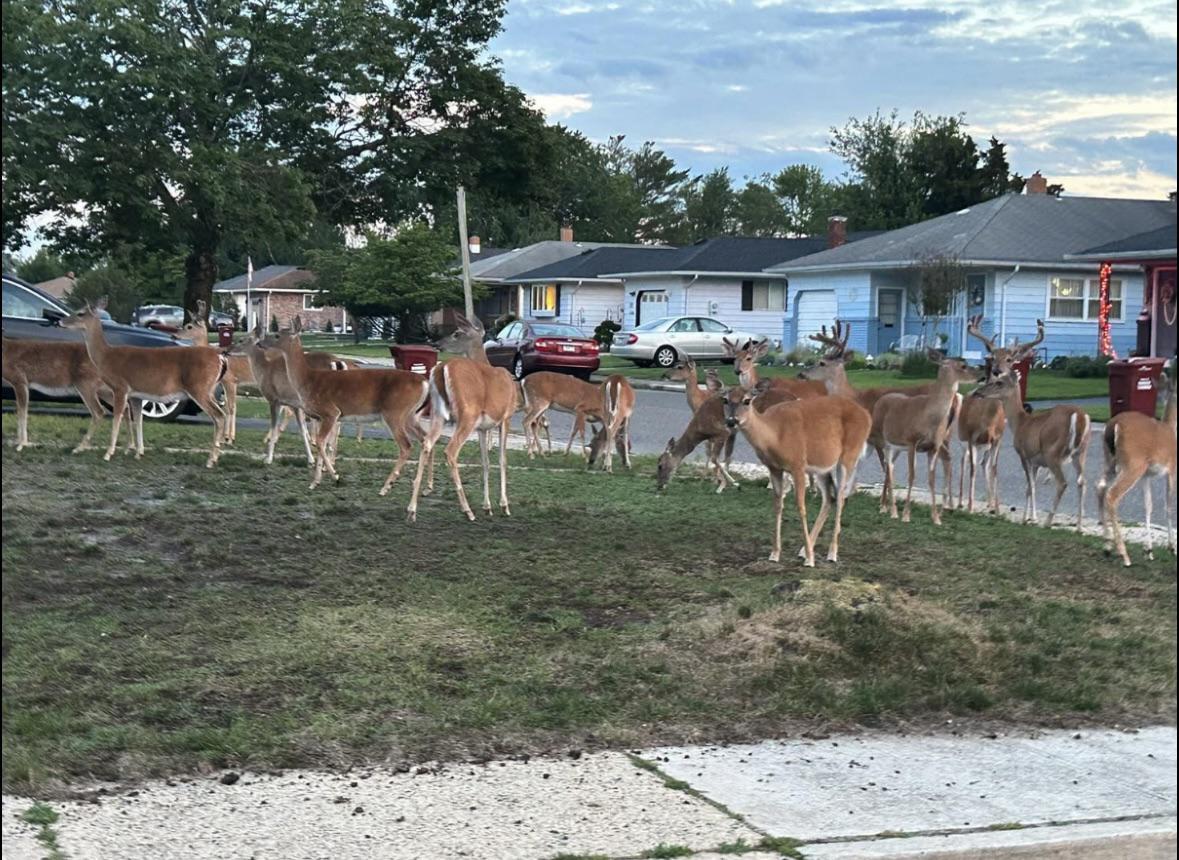
This was posted on a NJ Facebook page. Is it AI? I’ve never seen this many bucks together at once.
-
1783692247Justintimmer13
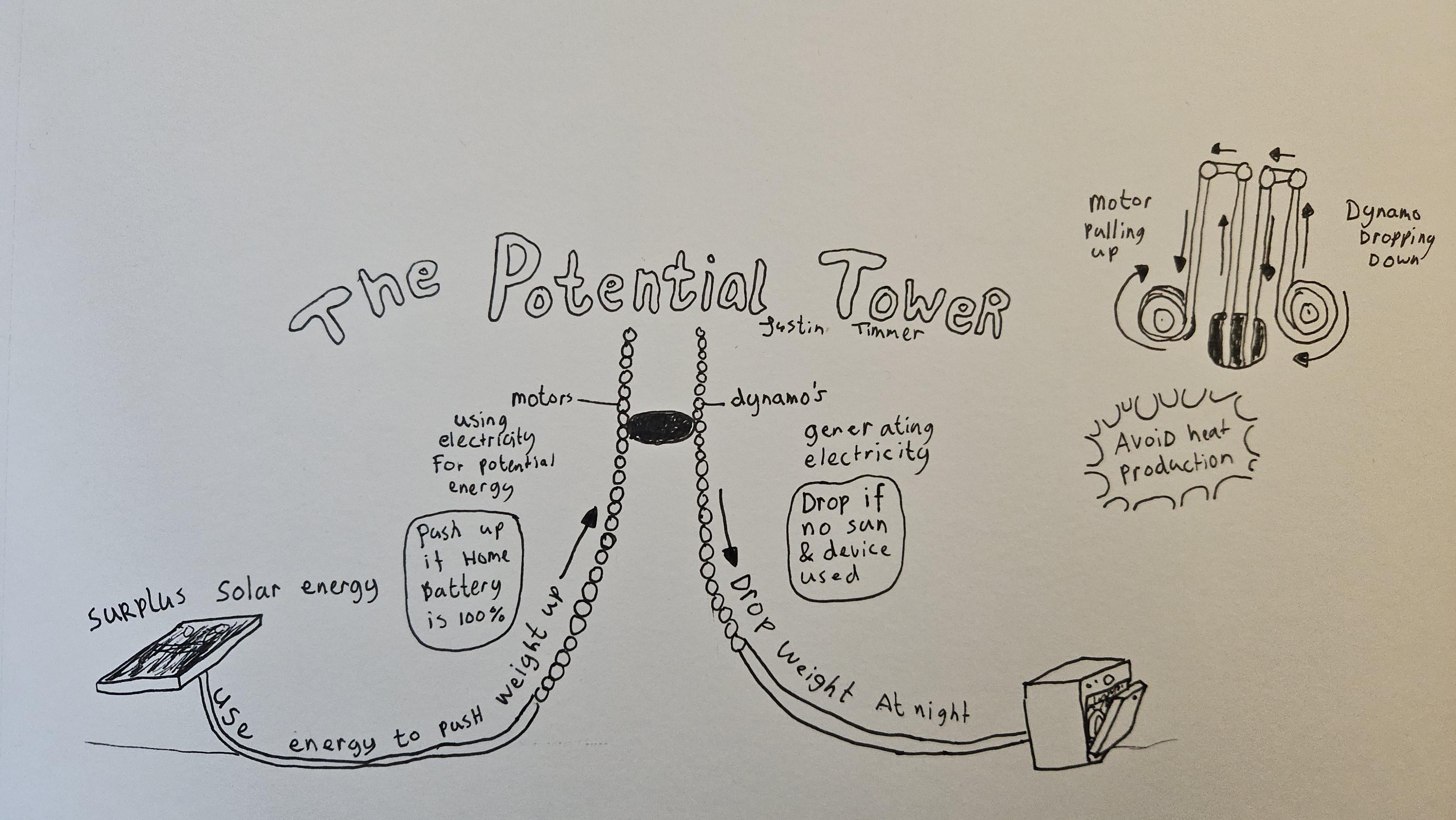
I live in a Tiny house in the Netherlands and am currently living off-grid. We have solar panels, and on a sunny day we can generate about 23 KWH. This is much more than we use (around 8 KWH), and our home battery is almost always full in summer.
Returning electricity to the grid costs us money at the moment due to the gridcapacity. So now we have much electricity go to waste. So I'm wondering if I can use this electricity somehow efficiently, and "store" it for the winter, in a low-tech long lasting "battery".
The general idea is shown in the sketch. The ultimate goal would be to get through the winter without using any power from the grid. We use about 8 KWH on winterdays without any sun. I'm curious how high the tower should be, the weight of the weight, and what the optimal system would be.
Thanks!
-

1783344529No_Top_90234004
Alex Eala refused to give up on the point and literally threw herself across the grass at Wimbledon
-
1783114046Visible-Management63888
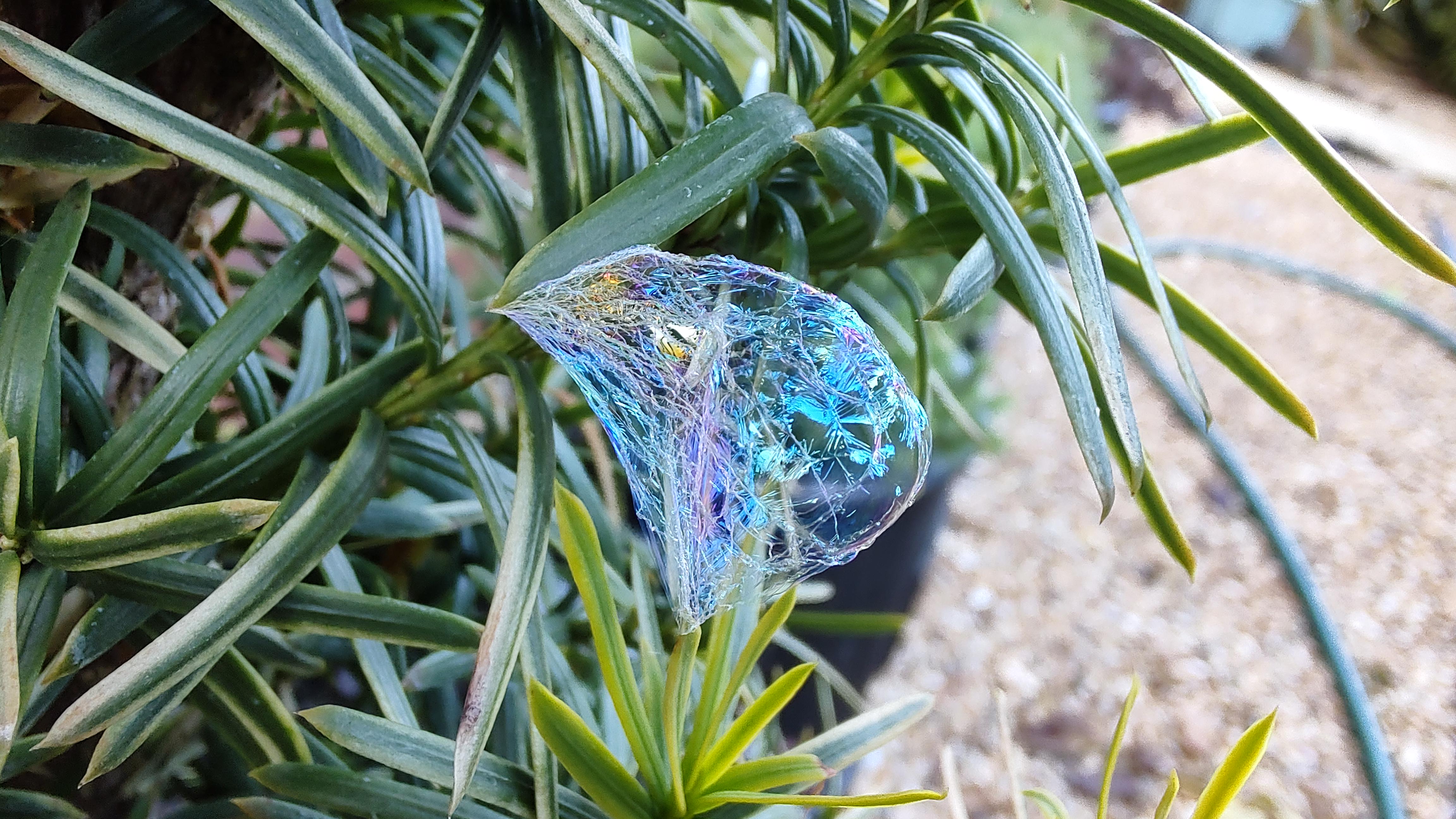
It was about an inch across, and looked like a deflated soap bubble, but was completely dry. The colours changed depending on the viewing angle. Spraying it with a tiny amount of water made it disappear.
-
1780335386IdyllicSafeguard72
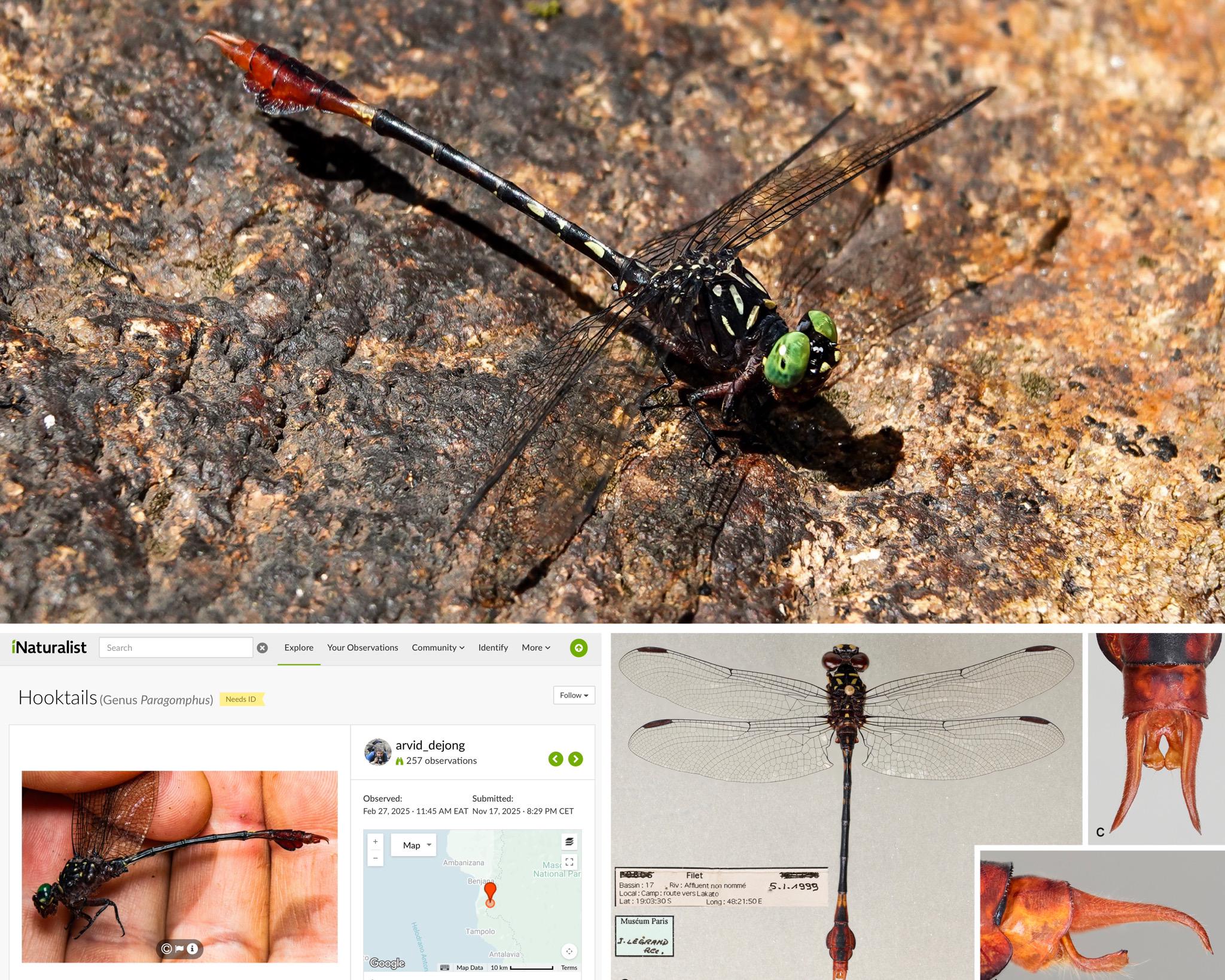
In December 2024, a Slovenian research team found an exceptionally dark-bodied, green-eyed dragonfly sitting on a boulder along a small, unnamed tributary in southeastern Madagascar. They caught it, tentatively confident that it was an undescribed species. (Seen in top photo.)
The following year, the researchers went searching for another specimen. But rather than traipse back into the rainforests of Madagascar, they turned to the internet. Specifically, they searched iNaturalist for dragonfly observations from Madagascar that matched their specimen, and they found one by a user named arvid_dejong. (Observation in bottom left.)
It turns out that arvid_dejong had actually taken the dragonfly to the natural history museum in Stockholm, Sweden. And so the researchers were able to analyse a second specimen — this one from all the way up in the northeast, expanding the species’ range to cover a massive 1,033-kilometer (642-mile) stretch of Madagascar’s eastern coast.
A couple of months later, in early 2026, two Polish dragonfly experts were visiting the Muséum national d’Histoire naturelle in Paris. Looking through its entomological archives, they found an unidentified dragonfly that was collected all the way back in 1999. Messaging the Slovenian team, they began an “intensive information exchange” that confirmed that this was a third specimen of the yet to be described hooktail. (Bottom right photo.)
Together, on 29 May 2026, they finally described a new species: Paragomphus matroka, the dark hooktail — primarily distinguished by the specific structure of its ‘secondary genitalia’ and its somber, blackish colour.
The three specimens were uncovered by people of at least six different nationalities, found across three countries, in three different ways — field research, citizen science, and museum archives — all to describe a single species of dragonfly.
Source:
Bedjanič, M., Bernard, R., Daraż, B. & Yu, K.-P. (2026) Paragomphus matroka sp. nov.—a new Hooktail species from the rainforests of eastern Madagascar (Odonata: Gomphidae). Zootaxa, 5821 (2), 219–235. https://doi.org/10.11646/zootaxa.5821.2.4