[Request] How tall is the radio tower as well as how wide is the radio tower is at its base in the RKO logo? (Bonus Question: How large is the building underneath the radio tower?)
Blog
-

1782215221OskiTerra973
What is this metal pronged thing my wife bought at goodwill? Looks like a combo of a towel holder and back scratcher but with an odd handle
-

BeePetLove1784253544
Mick Jagger has shared his views on what he believes his role is as an entertainer, saying he does not see it as his job to lecture fans about politics.
The 82-year-old Rolling Stones frontman said he does not feel the need to address political issues during his concerts when asked about Bruce Springsteen’s criticism of President Trump.
Springsteen launched his Land of Hope & Dreams Tour in March, saying it would be “political and very topical.”
In an interview with The New York Times, Jagger said he believes his responsibility as a performer is to ensure audiences “have the best time they possibly have” at his concerts and to give them an opportunity to forget their everyday concerns for a few hours. -

justaevolvedchimp1784253622
The shot intended to save his life is the exact thing that took it.
Veteran South African guide Theunis Botha, 51, led a hunting party into a herd of elephants near Zimbabwe’s Hwange National Park. Botha opened fire. An elephant charged and grabbed him. In a chaotic bid to rescue him, a member of his party aimed at the animal and took a desperate shot.
The bullet hit its mark. But when an African bush elephant is fatally struck, it drops straight down. The massive momentum of the collapsing animal crushed the guide to death.
Botha ran a commercial safari company that catered to wealthy international tourists. News of the freak incident immediately polarized the internet, bitterly dividing those mourning a seasoned outdoorsman from those viewing the tragedy as the inevitable cost of trophy hunting.
-
MockingMerriment1784251979
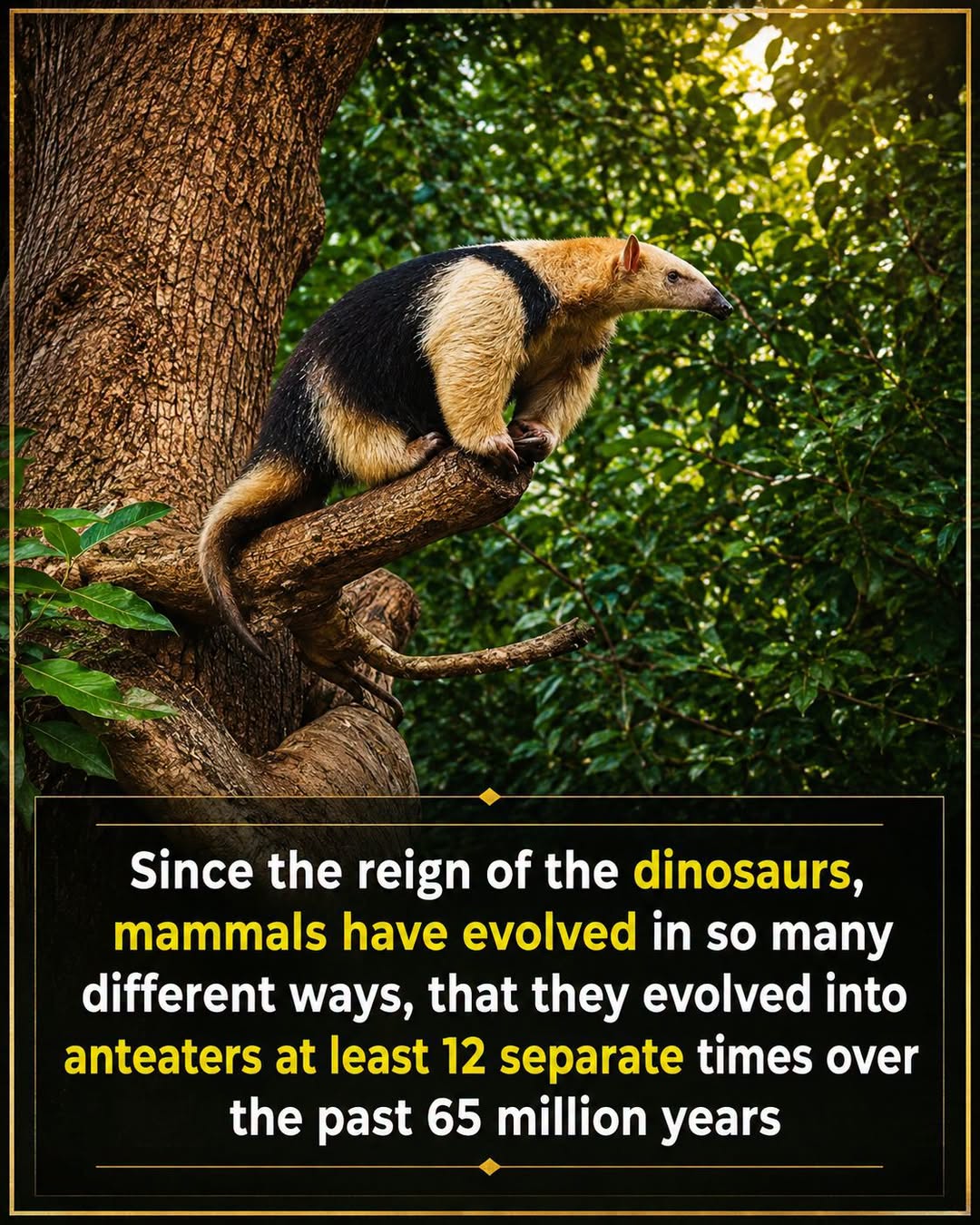
For some mammals, survival meant becoming insect specialists in a world crawling with opportunity. Over the last 65 million years, at least a dozen different mammal species have independently evolved a highly specialised diet focused almost entirely on ants and termites. This evolutionary path, known as myrmecophagy, didn’t happen once. It happened again and again, across separate lineages that developed remarkably similar traits to exploit the same food source.
After the extinction of the dinosaurs, ants and termites exploded in number and spread across nearly every ecosystem. For mammals able to crack the code, these insects became a reliable, widespread meal. Evolution responded with powerful claws for digging into nests, narrow snouts, and incredibly long, sticky tongues perfect for sweeping up thousands of tiny prey. From anteaters in South America to pangolins in Africa and Asia, and aardvarks in Africa, nature kept reinventing the same basic blueprint.
Although over 200 mammal species include ants or termites in their diet, only about 20 are true specialists—relying almost entirely on these insects. These mammals are some of the most extreme examples of evolutionary adaptation. Their low-calorie prey means they need to eat constantly, often consuming tens of thousands of ants or termites per day. Once a species commits to this specialised diet, the evolutionary trade-off usually makes it difficult to revert to more general feeding strategies. In fact, most myrmecophagous lineages tend to remain narrow and undiversified over time.
Yet the gamble may be paying off. Today, ants and termites outweigh all wild mammals on Earth combined. As climate change reshapes ecosystems, these insectivores may find new advantages in their specialised niche, thriving where other species struggle.
Fun Fact: Pangolins have no teeth and rely entirely on their muscular stomachs to grind up ants and termites, using swallowed stones and keratinous spines lining their stomach wall.
#MockingMerriment #Evolution #WildlifeBiology
#Adaptation #Myrmecophagy #PrehistoricLife #Paleontology #NaturalHistory #Insectivores #Mammals