Everyone loved the idea until winter hit.
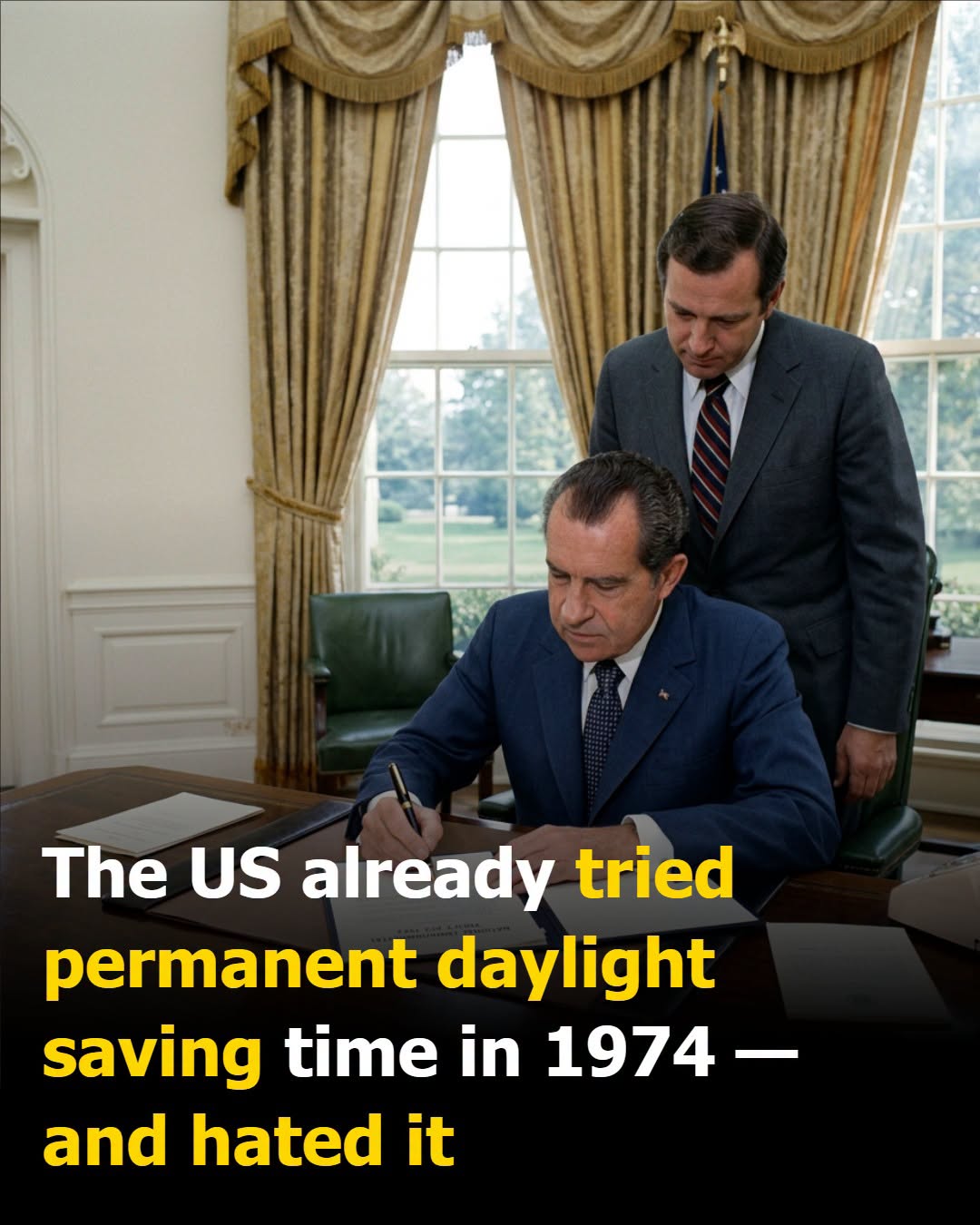
In January 1974, the United States made daylight saving time permanent. The goal was to save fuel during the energy crisis. Polls showed 80 percent of the country supported the move.
Then the sun stopped rising before 8 a.m.
Millions of children stood waiting for school buses in pitch darkness. Commuters navigated to work in the black. Reports of traffic accidents involving children began making the evening news. Panic set in.
Within weeks, public support collapsed to 42 percent.
It turned out the energy savings were a phantom. People just ended up burning more electricity on their pitch-black winter mornings, offsetting any gains made in the evenings.
By October, Congress killed the experiment. The policy lasted less than ten months.
Today, Congress frequently flirts with the Sunshine Protection Act, which aims to do the exact same thing again. But the events of 1974 remain the loudest warning about what year-round daylight saving time actually looks like in practice.
Leave a Reply
You must be logged in to post a comment.