
T24
Blog
-
BeePetLove1783972318
A Kentucky Family Is Suing to Protect Their Farm from an AI Data Center
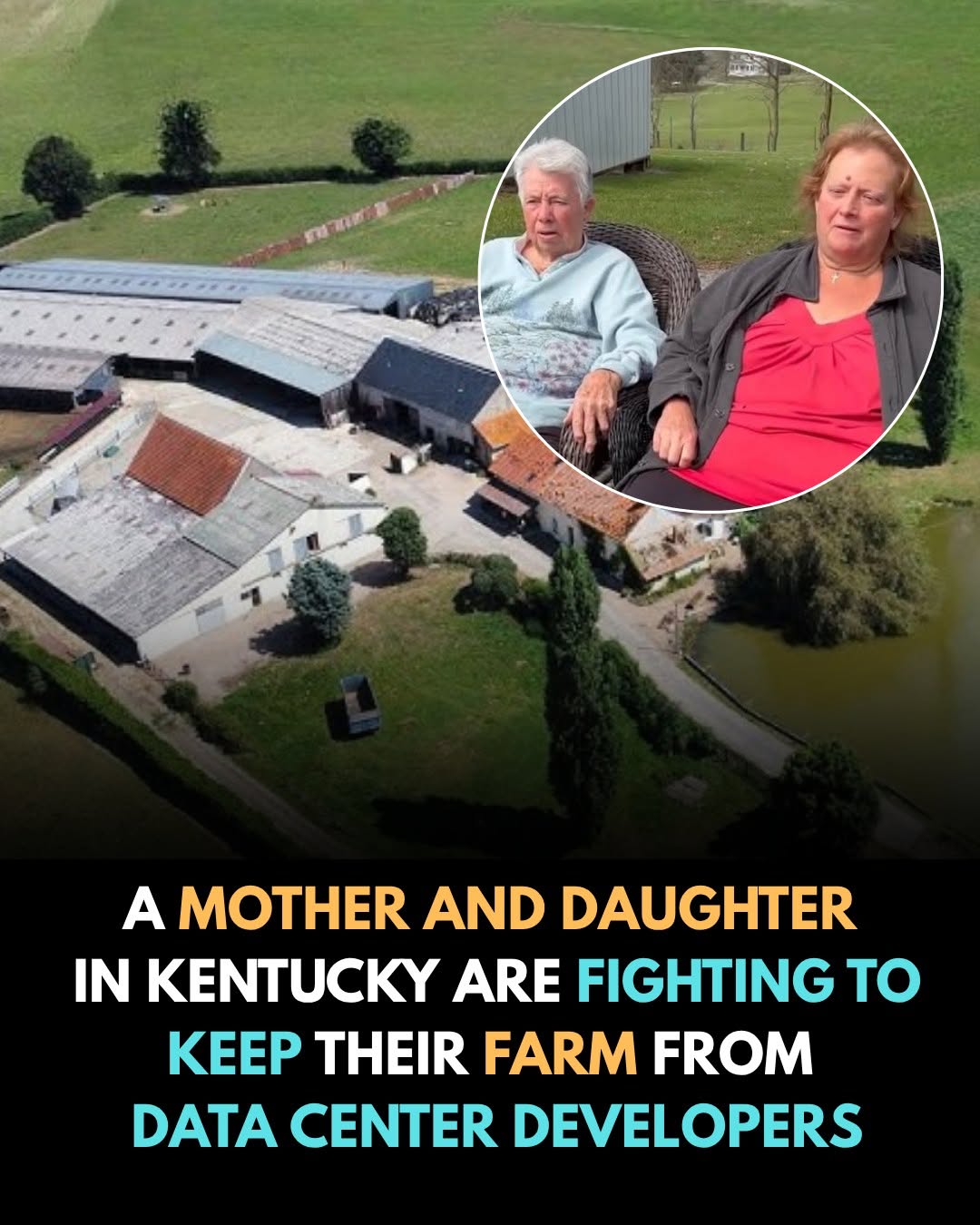
Ida Huddleston and her daughter, Delsia Bare, are fighting to protect their 1,200-acre farm in Maysville, Kentucky, which has remained in their family for more than 200 years. Despite receiving an offer of $26 million from developers, the mother and daughter chose not to sell, believing that their agricultural heritage, pasturelands, and family memories were beyond monetary value.
Although they initially signed a sales agreement under pressure, the emotional burden of leaving their ancestral home became overwhelming, leading them to cancel the deal.
They have since joined other local residents in a lawsuit challenging the proposed development, turning their personal decision into a significant legal battle over the future of their community.
The proposed 2,000-acre data center, backed by an unnamed Fortune 100 company, would require up to 2.2 gigawatts of electricity along with major upgrades to local infrastructure. Supporters argue that the project would generate tax revenue and create jobs, while opponents contend that it would place heavy demands on local power and water systems, replace valuable farmland with industrial development, and permanently transform the rural landscape.
The project has already displaced nearly 30 residents from a mobile home park, further strengthening local opposition. Although a court has approved the rezoning of the land, Huddleston and Bare remain determined to continue their fight, demonstrating that some legacies are worth far more than any corporate offer. -
PrimeTales1781270622
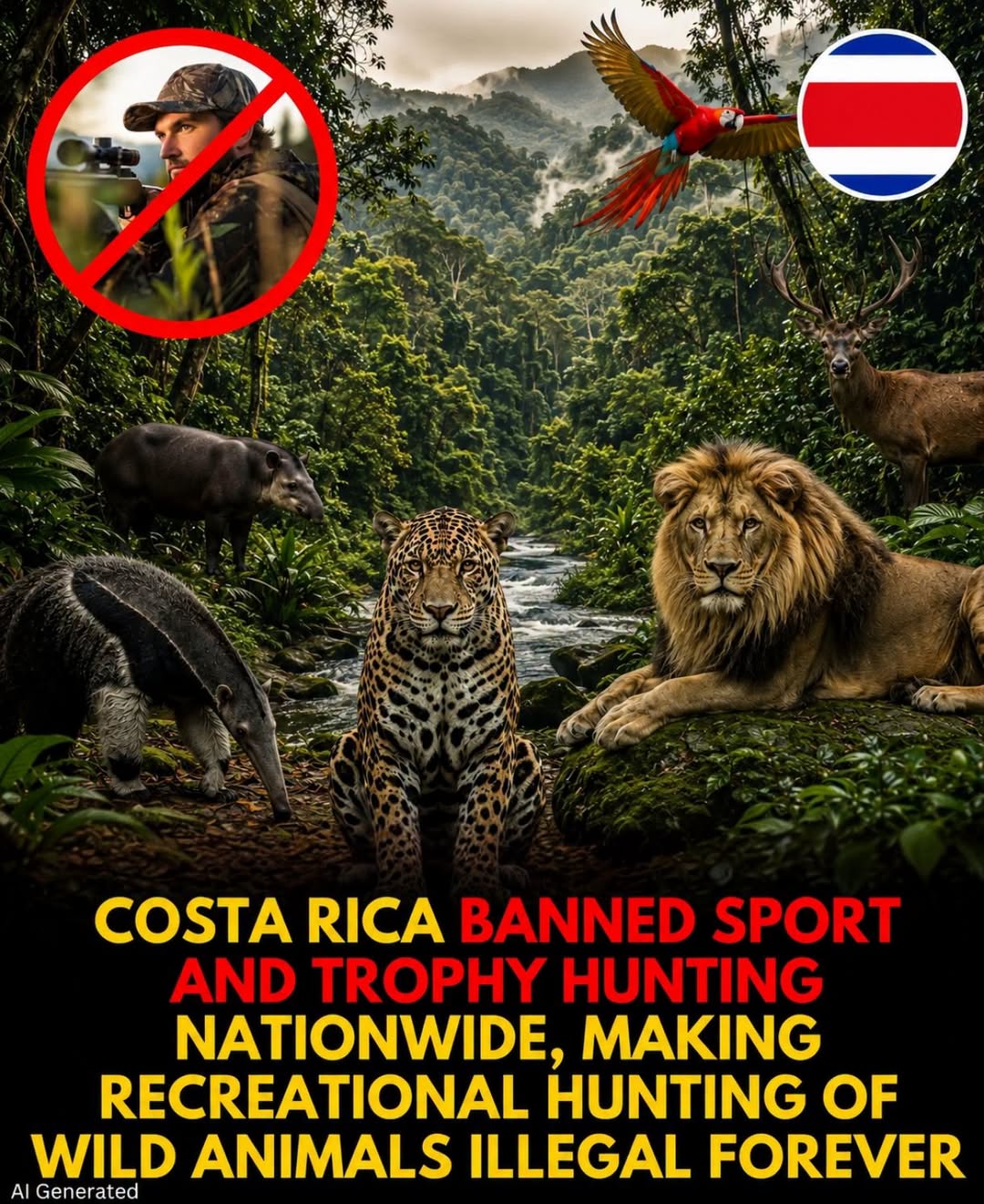
Costa Rica has emerged as a pioneer in implementing a nationwide prohibition on sport and trophy hunting, thereby achieving a landmark milestone in wildlife conservation efforts. The legislation allows for limited exemptions, including subsistence hunting by specific indigenous communities and scientifically warranted population management initiatives. The country’s conservation-oriented approach has repositioned it as a global exemplar in environmental stewardship, with over a quarter of its territory safeguarded through national parks, biological reserves, and other conservation areas that protect diverse ecosystems. Wildlife tourism significantly contributes to Costa Rica’s economy, drawing millions of visitors who seek to experience its rich biodiversity. Protecting species within their natural habitats has proven to yield long-term economic benefits while supporting local communities and fostering sustainable development. The hunting ban has bolstered efforts to safeguard vulnerable wildlife species and enhance conservation awareness. Coupled with anti-poaching initiatives and habitat preservation programs, these measures contribute to maintaining healthy ecosystems nationwide. Costa Rica’s decision exemplifies that environmental protection and economic prosperity can be mutually reinforcing. Its commitment to conservation continues to inspire global discussions on ethical wildlife management and sustainable coexistence with nature. #WildlifeConservation #CostaRica #ProtectWildlife #Biodiversity #EnvironmentalLeadership
-
justaevolvedchimp1784030479
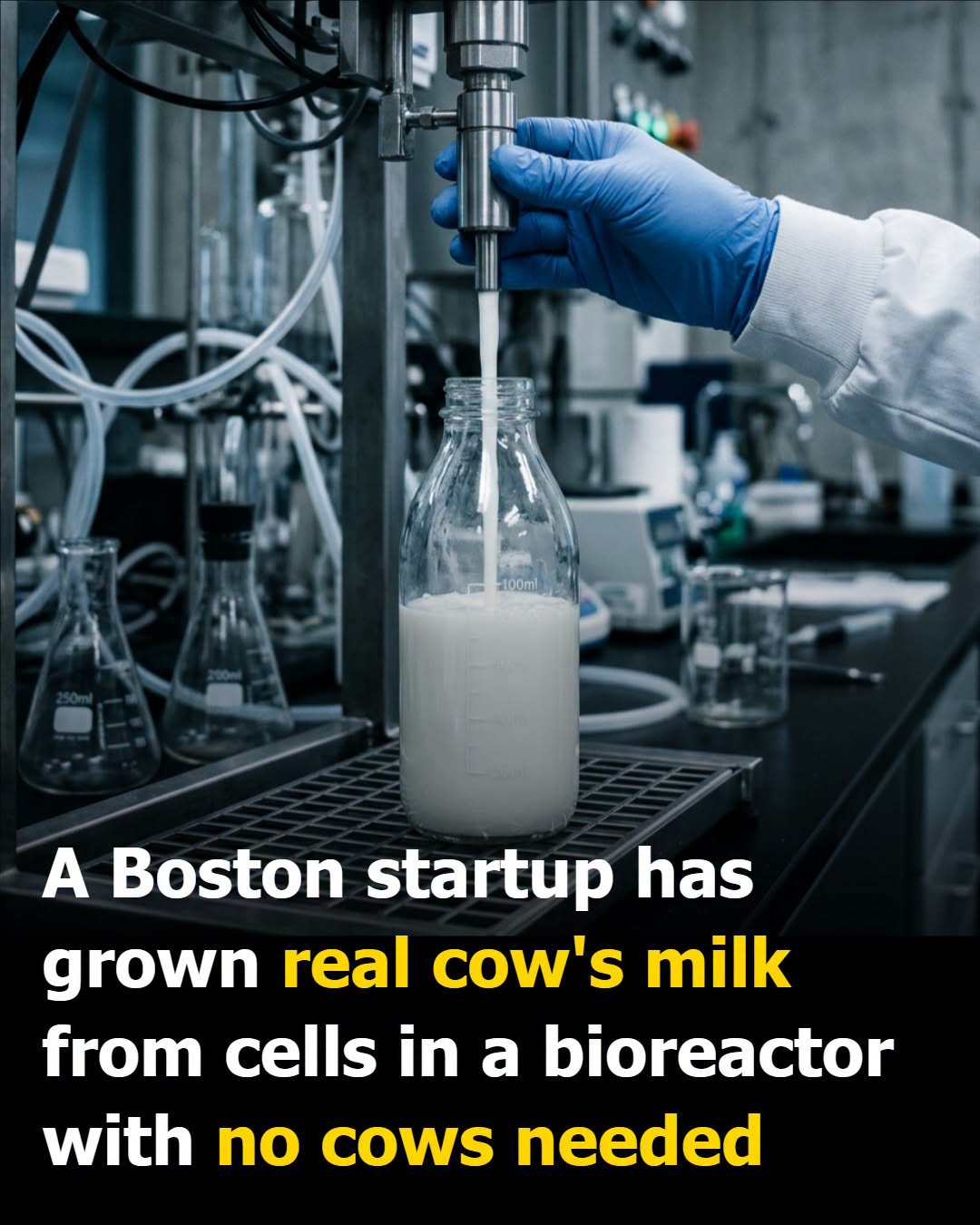
This is not another oat or almond alternative. A Boston startup called Brown Foods has figured out how to grow actual whole cow’s milk from mammalian cells. It happens inside a bioreactor instead of a cow. Down to the molecular level, it is identical. Same fats. Same carbs. Same dairy proteins—which MIT scientists just independently verified. They are calling it UnReal Milk. If agricultural regulators sign off, it hits shelves in late 2026.
-

Versachio1781989563
Ducati does not make coffee machines. Except now they do. The Barista M3 1926 Limited Edition is what happens when one of motorsport’s most obsessive engineering cultures turns its attention to your morning espresso ritual. Built from the same carbon fibre found on Ducati’s MotoGP machines, this is not a brand collaboration or a licensing deal. It is a fully engineered, genuinely functional espresso machine that happens to be the most visually arresting object you will ever place on a kitchen counter.
The details are what make this real. The carbon fibre shell is not decorative — it is structural, lightweight, and identical in composition to material tested at racing speeds. The machine reaches optimal brewing temperature in approximately seven seconds. The espresso it produces is not an afterthought. Ducati treated performance here the same way they treat it on a race circuit: non-negotiable. The price is three thousand dollars. For people who understand what carbon fibre costs to produce at this level, that number is not shocking. It is almost reasonable.
Only 1,926 units will ever exist. That number is not arbitrary. It marks the year Ducati was founded, and it means that fewer than two thousand people on the entire planet will own this machine. When scarcity is engineered rather than manufactured for marketing purposes, it means something different. This is not a limited run designed to create artificial demand. It is a hard ceiling on a genuinely rare object. The Barista M3 1926 exists at the precise intersection of motorsport obsession and domestic ritual — and there will never be enough of them.
-
BehindWings1783972811
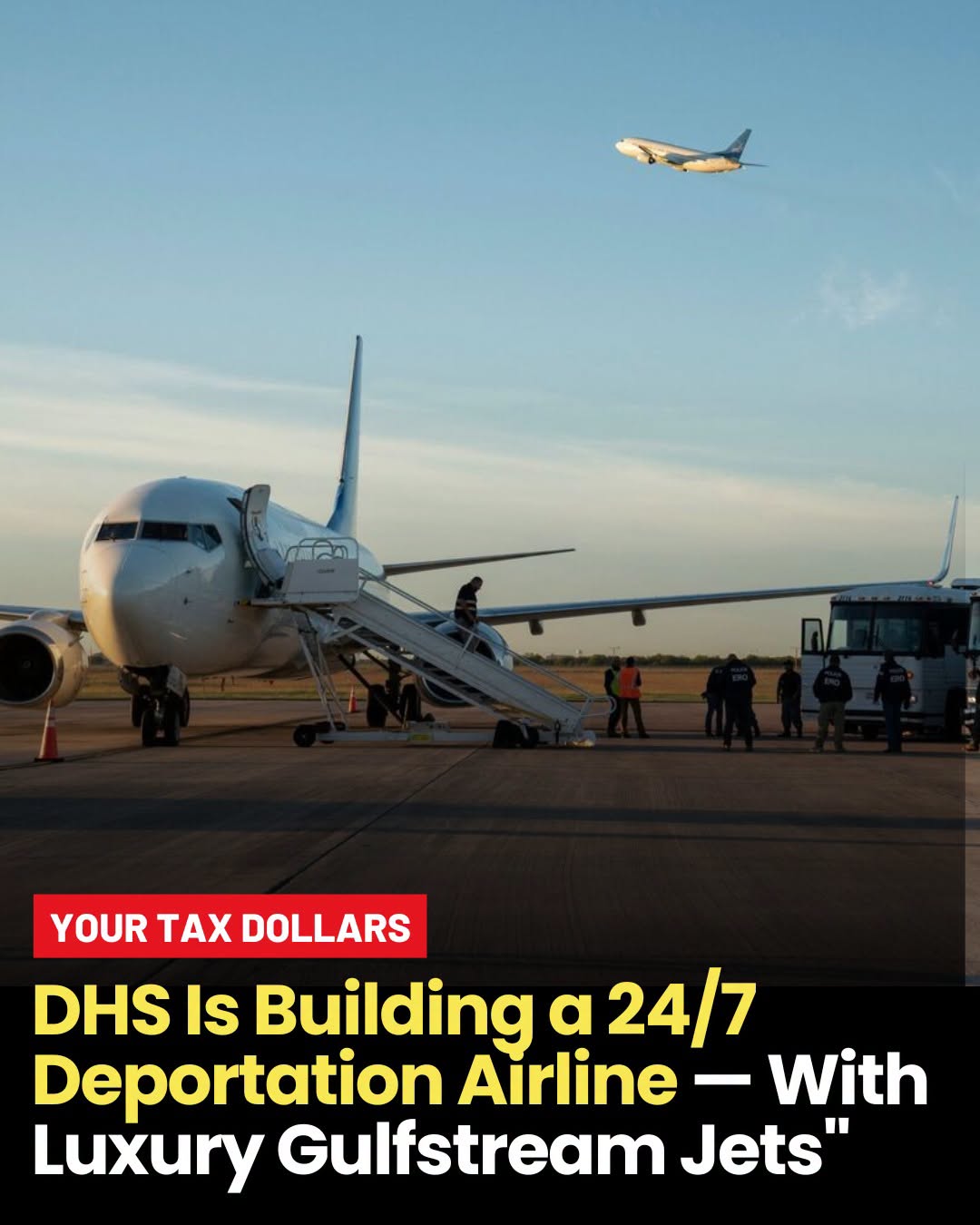
Six Boeing 737s. Two Gulfstream G650ER luxury jets. All bought by the US government — for deportation flights.
The Department of Homeland Security is now searching for a private operator to run a brand-new, government-owned airline.
The mission: round-the-clock deportation flights, ready to launch on short notice, anywhere in the world.
The fleet is already taking shape.
DHS has spent roughly $140 million acquiring six 737-700s from Avelo Airlines, each capable of carrying up to 149 passengers.
Then there are the two G650ERs — ultra-long-range luxury jets that cruise near 600 mph and can fly nearly 6,700 miles without stopping.
Officials say those planes are for senior leadership travel, medical evacuations, and “high-risk” missions.
Right now, deportations run through charter companies like GlobalX.
This plan would cut out the middleman, building an in-house fleet with its own pilots, flight attendants, security, and even flight nurses.
The numbers behind it are staggering. Between January and April 2025 alone, over 550,000 people were detained or deported, as the administration pushes toward a goal of one million deportations a year.
Supporters call it smart, cost-efficient government.
Critics call it something else entirely — a permanent, purpose-built deportation machine.
#AviationNews #Boeing737 #Aircraft #Flying #Airlines #Aviation