
pay no mind to his bed head. hes having some much needed beauty sleep
Blog
-

1783877742Uberrees6
Supposedly from a doorbell camera, I'm not sure what those images usually look like but the tree at left doesn't look like any common local species, the cactus on the left doesn't have any texture, and the trees on the other side of the wall are all fuzzy.
OP's account is brand new and has only posted this image with a story about a break in full of em dashes. All their comments are commiserating with people who agree that crime is up.
-

1783666511Edolin8920336
[Request] Long time lurker, first time poster. Is this accurate to any degree?
-

1782842157Nimmes325
Older Hinterhoeller Niagara sailboat with a toggle next to the gimbal range stove. It spins all the way around.
I thought it might be a tea-towel hook, but if you put a towel in it doesn’t hold anything.
-

1780231009AdSpecialist65983952
🔥A cheetah looking like it is trying to smile. Credit to Saed Aljafar
-
BeePetLove1784210603
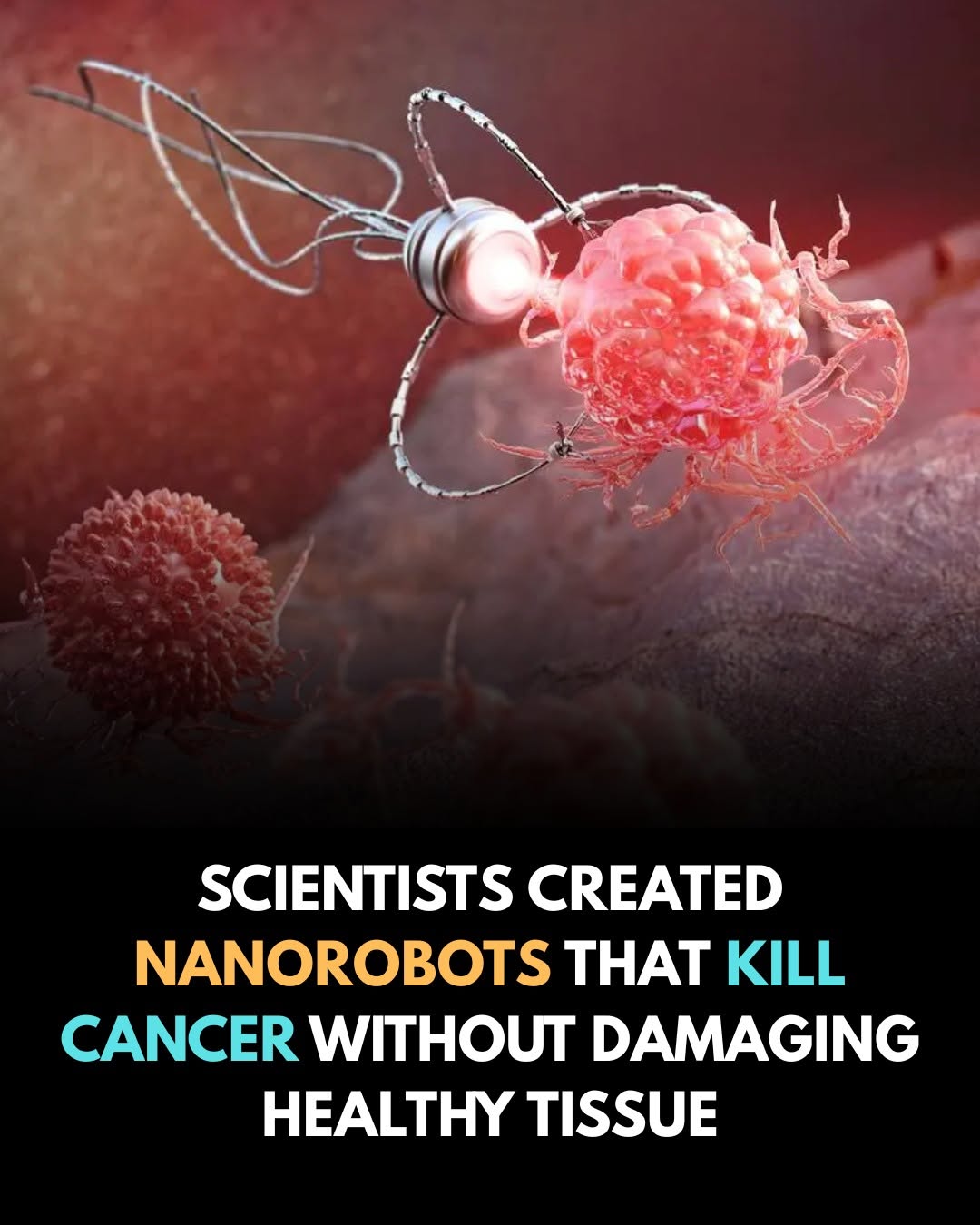
Researchers have developed DNA-based nanorobots that selectively target and destroy cancer cells while leaving healthy tissue unharmed.
In a major advance in nanomedicine, scientists at the Karolinska Institutet in Stockholm created DNA-based nanorobots designed to deliver cancer treatment with exceptional precision. Using a technique known as DNA origami, the researchers built microscopic delivery systems that conceal a cancer-fighting peptide, preventing it from affecting healthy tissue.
The therapeutic peptide is only exposed and activated when the nanorobots encounter the acidic, low-pH environment commonly found in solid tumors. This built-in “kill switch” ensures the treatment is released only at the tumor site, minimizing its impact on normal cells.
In animal studies, the pH-responsive nanorobots reduced breast cancer tumor growth by up to 70% compared with control groups. Because healthy tissue typically maintains a neutral pH of about 7.4, the therapeutic payload remains folded and inactive, helping protect surrounding healthy cells.
Although additional research and clinical trials are needed to evaluate the technology’s safety, toxicity, and effectiveness in humans, the findings represent a significant step forward in cancer research and may contribute to future treatments with fewer body-wide side effects.