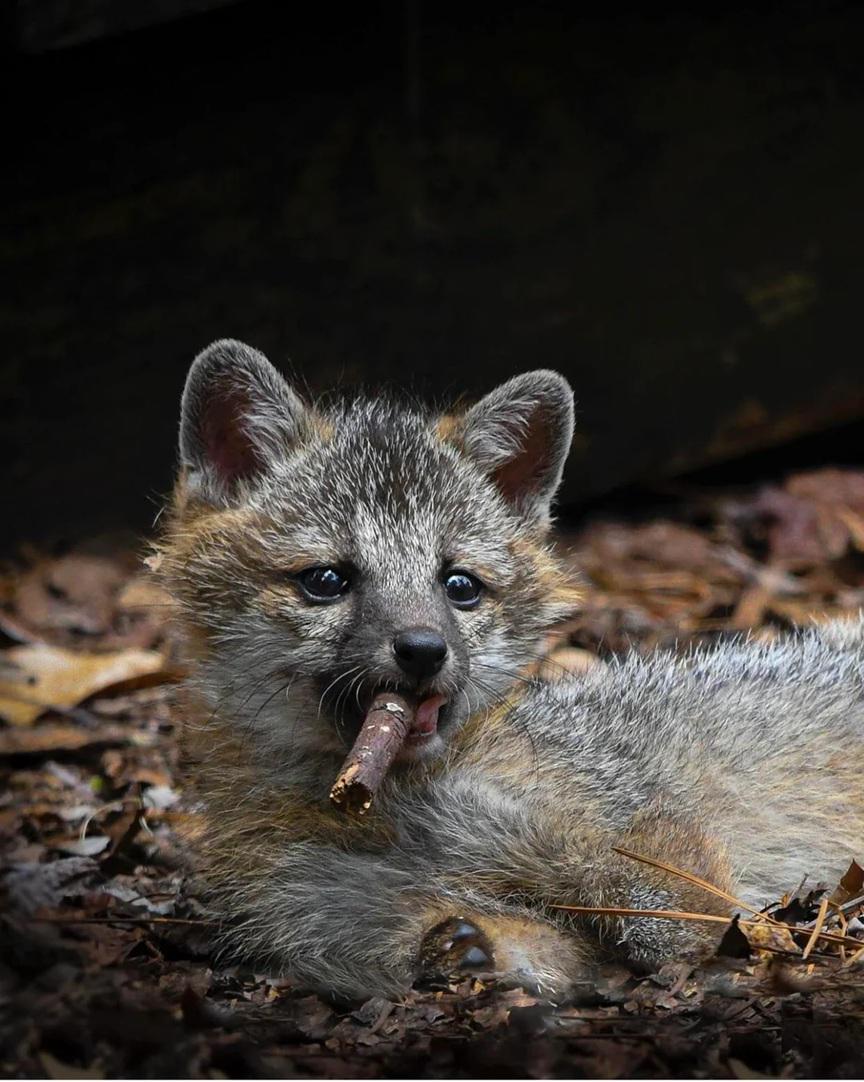
She isn't having it. I tried to sing her an awesome song, and she gave me this energy.
Blog
-

1783696086BrodieHeroGamer2
I somewhat think that this is AI because some of the repeating and mirrored patterns aren't clean mirrored images, and the hood/cloak on the guy's back seems to mix from what I can see, but it could be real because I know that the artist has been learning art themself.
-

1783256150BHoff_892
My best deal so far was only missing a queen! I am curious how rare it is to get that perfect deal.
-
1782571419Savings_Tea39762392
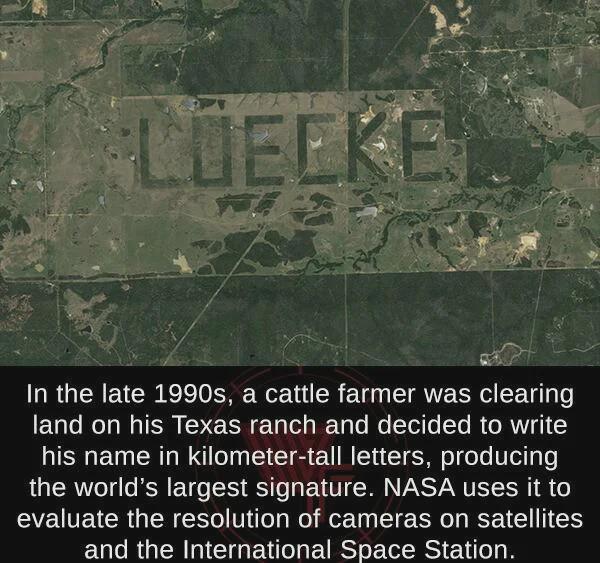
A cattle farmer, while clearing land on his Texas ranch, wrote his name in letters a kilometer tall, producing the world’s largest signature. It lies on major flight paths into Houston and NASA uses it to evaluate satellite imagery
-
1780668119TwizzlersInButtholes342
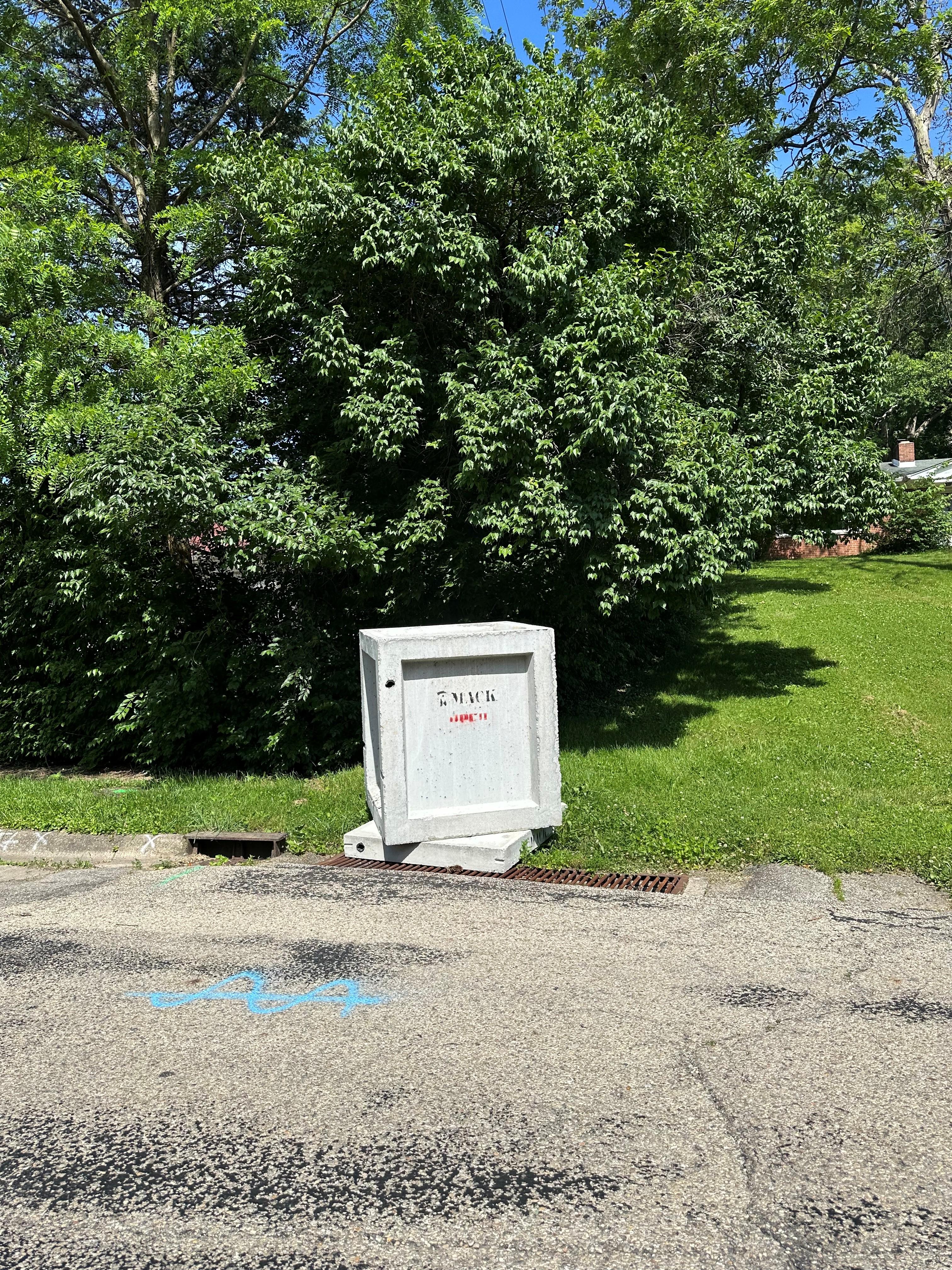
Concrete box on side road. I know it has to be for drainage but what is it?
-
MockingMerriment1784373171
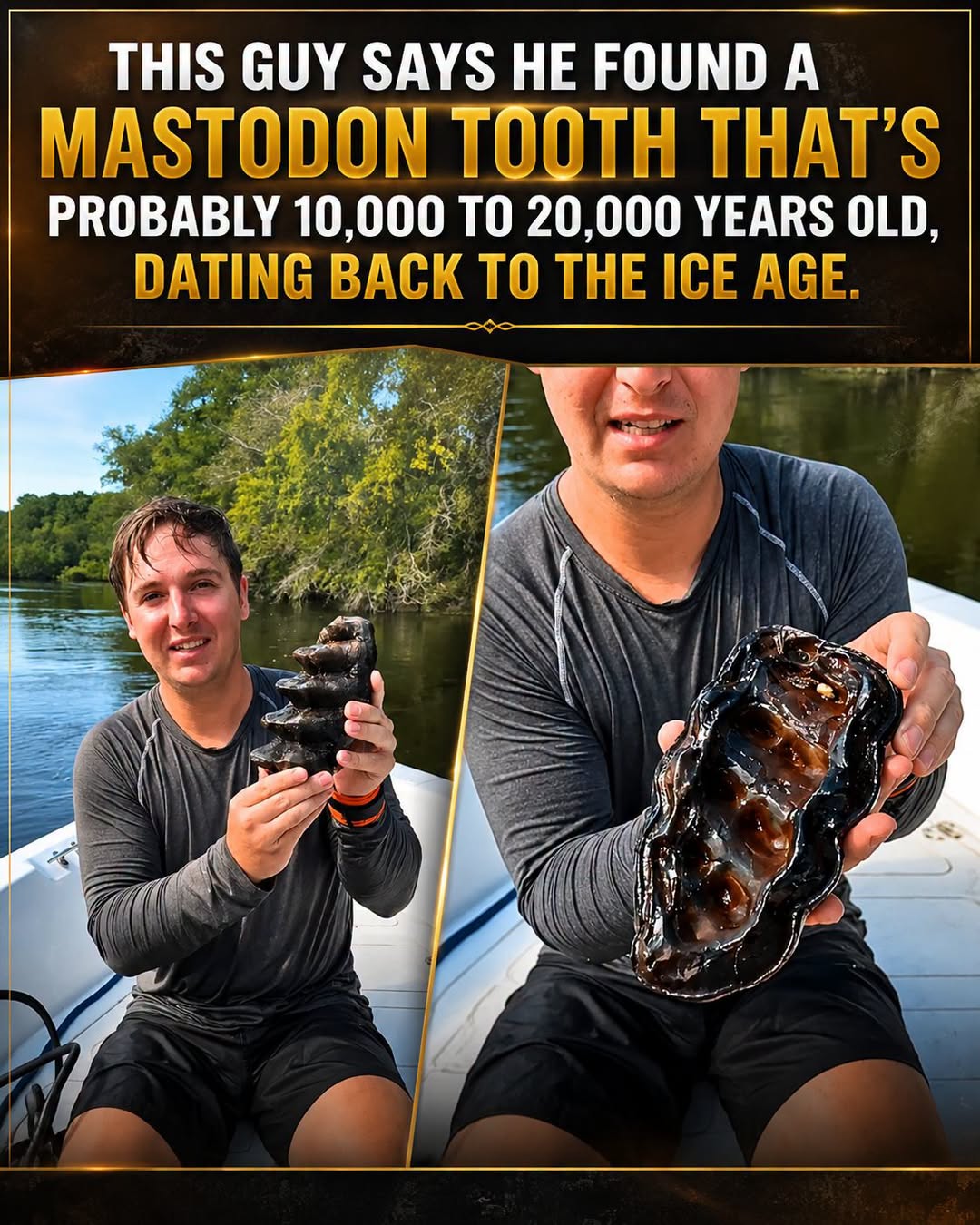
What if your backyard held a secret from the Ice Age? A local enthusiast claims to have unearthed a mastodon tooth that may date back 10,000 to 20,000 years—remnants from the time when these massive creatures roamed North America. Mastodons, elephant-like giants of the Pleistocene era, vanished around 11,000 years ago, and their fossilised remains are rare and precious insights into prehistoric ecosystems.
Mastodon teeth are distinctive—broad, ridged, and unlike the flat plates of mammoths. This specimen, reportedly embedded in soil or compacted sediment, likely belonged to one of these extinct giants who grazed forests and wetlands long before humans reshaped the continent. Discoveries like this have occurred before under surprising circumstances. A six-year-old Michigan boy once spotted a tooth in a creek that turned out to be about 12,000 years old. In New York, a homeowner pulled mastodon teeth from the soil in his garden—and later a full jaw emerged, sparking a scientific investigation into regional Ice Age fauna.
These finds remind us that even casual exploration can unveil deep history. If the tooth in question is confirmed as genuine and properly dated, it could illuminate how mastodons lived, what they ate, and how they interacted with early humans. Pleistocene hunters occasionally left cut marks on bones, and these ancient interactions between climate change and human impact are key factors in understanding the extinction of these behemoths.
Fun Fact: Mastodon teeth are often mistaken for driftwood or odd rocks by finders. In fact, one of only two confirmed mastodon fossils in Santa Cruz County, California, was nearly lost when it was initially photographed, posted online, and then accidentally buried again—only to be recovered after a public appeal.
#MockingMerriment
#NaturalHistory#FossilDiscovery #AncientAnimals #IceAge #MegaFauna #Paleontology #PleistoceneEra #PrehistoricLife #Mastodon