Author: Kai30

  • BehindWings1784577707

    BehindWings1784577707

    “Maybe we should call ICE on you.”

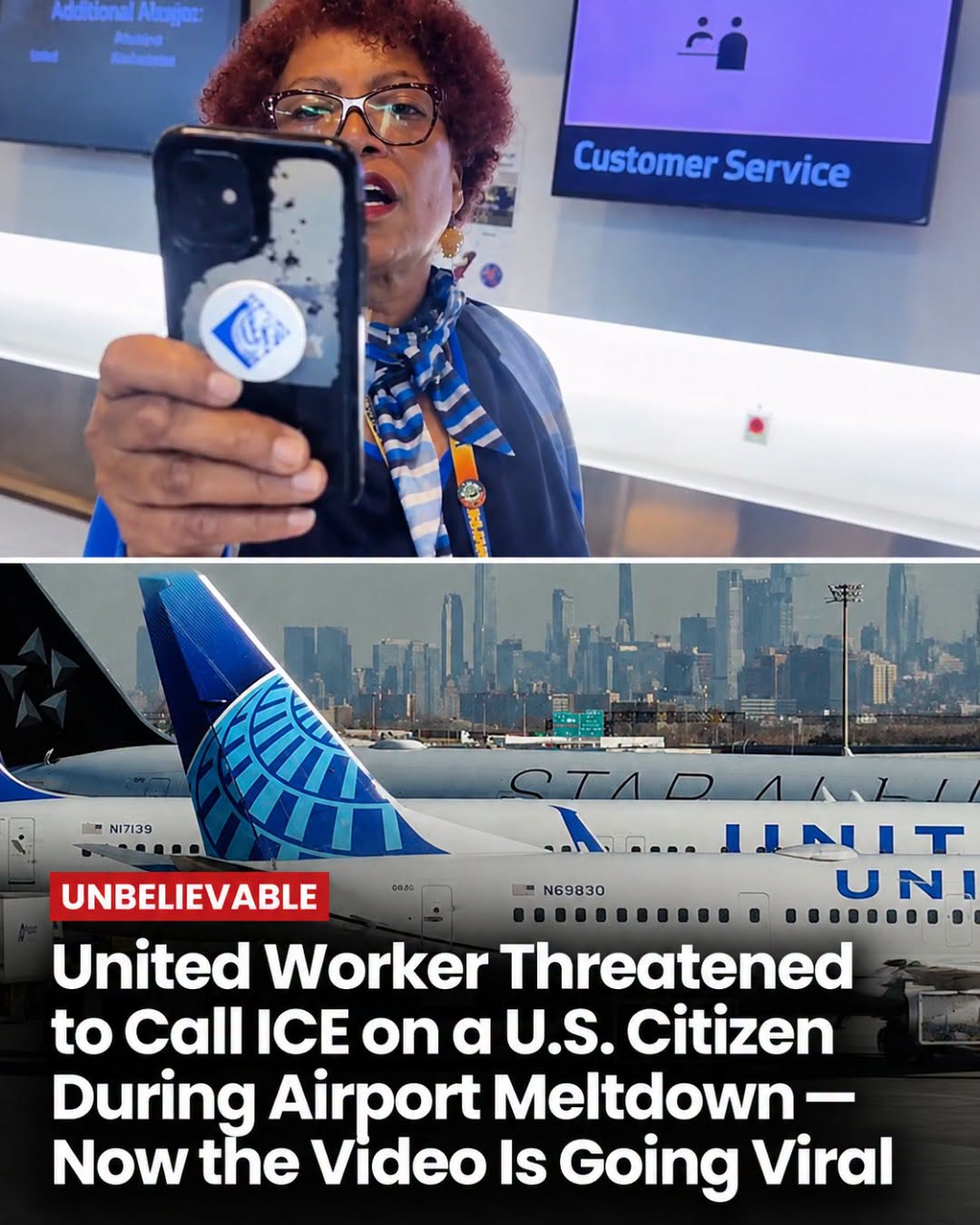
    That’s what a United Airlines employee told a passenger at SFO — a man who was born in Mexico and has been a US citizen for years.

    Julio Varela was just trying to fix a ticket mix-up so his family could make their flight to Montreal.

    His wife had accidentally typed their daughter’s middle name into the last-name field.

    A simple fix, or so they thought — until United’s system canceled the whole family’s tickets and no one could undo it.

    After hours on the phone and more hours stuck at the counter, Varela started filming.

    That’s when the employee pulled out her own phone and said it: “Maybe we should call ICE on you… you don’t act like a citizen.”

    Varela didn’t back down.

    “Call ICE on me, lady! Call ICE on me,” he shot back, calling her out on camera in front of other passengers.

    United says it’s looking into the incident.

    The employee’s badge reportedly identifies her as a union steward, and her union says the comments don’t reflect its values.

    Some people are calling this blatant racial profiling by an airline employee with zero consequences so far.

    Others say tempers flared on both sides after a long, frustrating day at the airport.

    Should airline employees ever bring immigration status into a customer dispute, or is this a clear line that should never be crossed?

    #UnitedAirlines #United #AirlineNews #AviationNews
  • BehindWings1784574009

    BehindWings1784574009

    “Your basic economy seat is disappearing — and United’s CEO just admitted he doesn’t care if you notice.

    “Any industry has to pass along the price increases.”

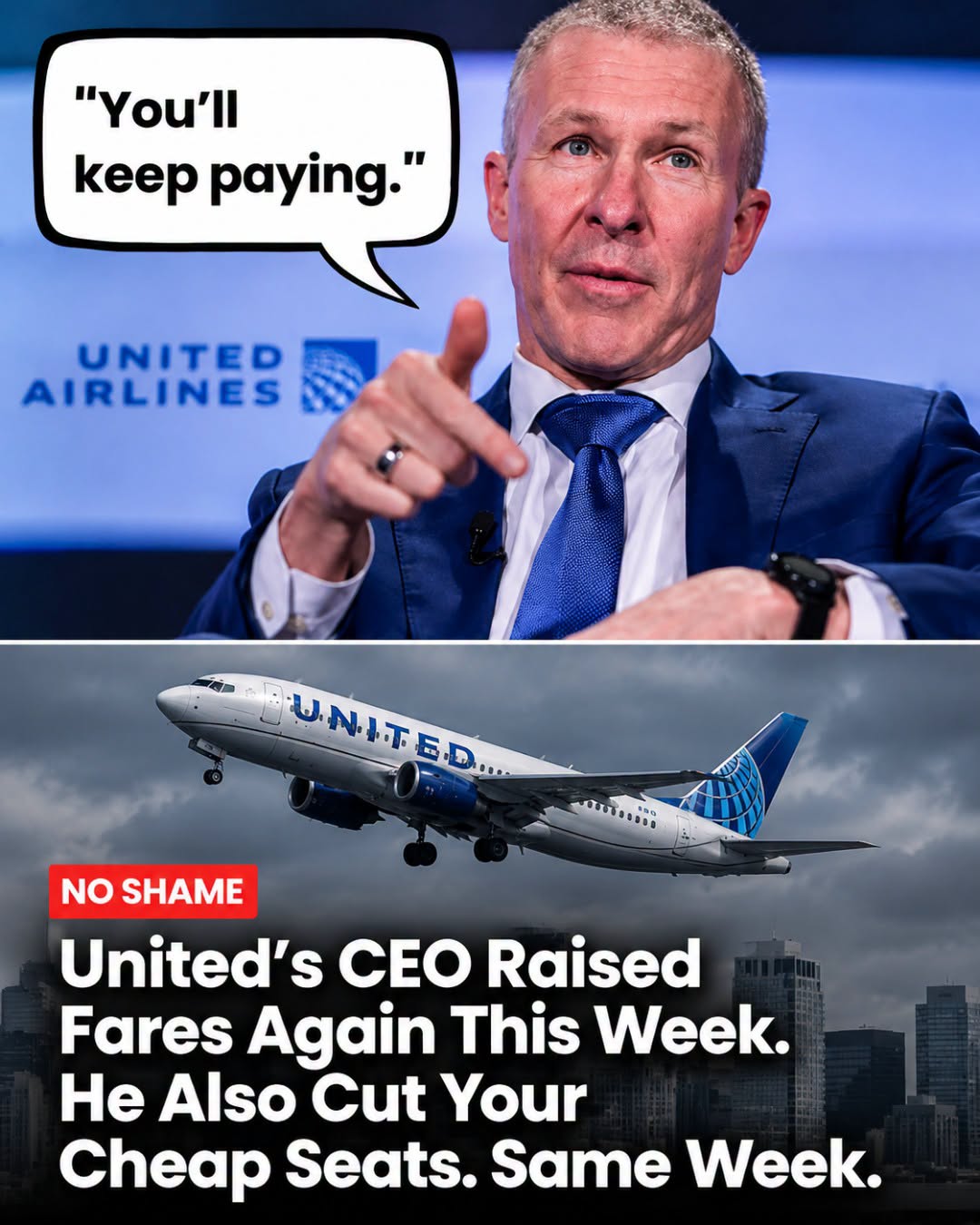
    That’s what Scott Kirby told Wall Street this week — right after raising fares AGAIN and cutting more basic economy seats.

    According to flight search data, domestic fares on popular routes are up as much as 35%, while some international routes have climbed around 15%.

    That’s not pocket change. That’s real money out of your summer travel budget.

    And neither airline seems worried about losing you over it.

    Kirby says demand remains strong.

    Delta says travelers keep paying higher prices despite rising fuel costs. Translation: they don’t think you’ll stop flying, no matter what it costs.

    Here’s the part that should make you mad.

    Fuel costs go up? Fares go up.

    Fuel costs come back down? Fares stay exactly where they are.

    Kirby admitted it himself: “There was another fare increase this week as fuel started to go back up.

    And there were no fare decreases when fuel went down.”

    So where’s all that extra money going?

    Both airlines are investing heavily in premium cabins, lounges, Wi-Fi, and new seating built for passengers willing to spend more. Meanwhile, basic economy keeps shrinking.

    Premium revenue is up 16% at United and 17% at Delta — both outpacing basic economy growth. That’s not a coincidence. That’s the strategy.

    And nearly 2 out of 3 Americans are skipping travel this summer because they simply can’t afford it, while wealthier flyers spend even more.

    So while regular travelers get squeezed into fewer, smaller, pricier seats… the guy running the airline is on a call bragging about “strong demand” and “brand loyalty.”

    Have you noticed basic economy getting harder to find lately?

    #UnitedAirlines #DeltaAirLines #AirlineNews #AviationNews #TravelNews

  • BehindWings1784570403

    BehindWings1784570403

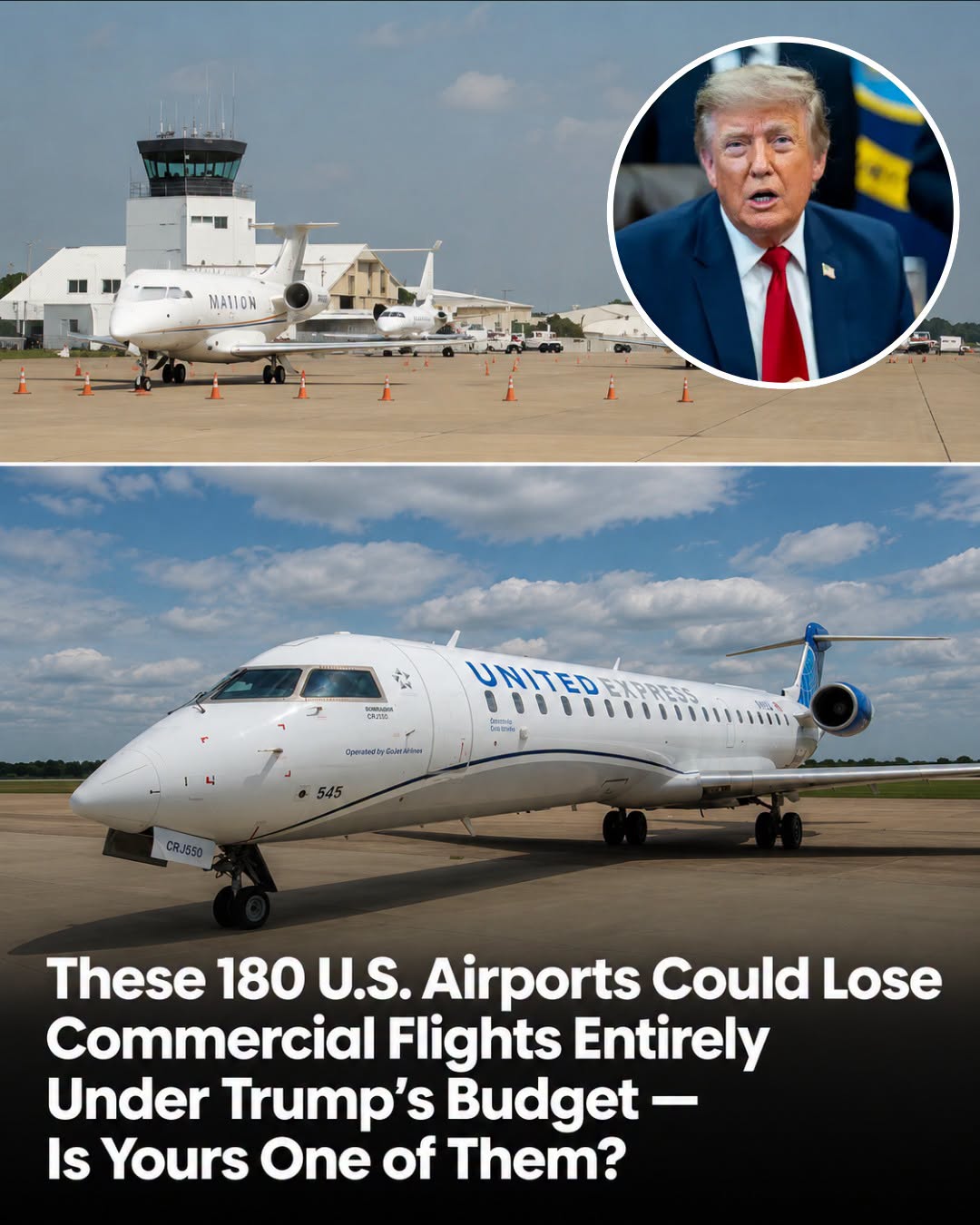
    Some Americans could soon face a three-hour drive just to catch their next flight.

    That’s because President Trump’s proposed budget would cut $372 million from the Essential Air Service (EAS) program—the federal subsidy that keeps commercial flights operating at nearly 180 small airports across the country.

    For many of these communities, those flights only exist because the government helps cover the cost. Without that funding, airlines could simply walk away.

    The warning is already coming from airports that depend on the program.

    “We would become a general aviation airport, and jobs would be lost,” said the director of Veterans Airport in Marion, Illinois.

    Marion, Decatur, and Quincy are among the communities that rely on EAS to maintain commercial service.

    Lose the subsidy, local officials say, and residents could be forced to drive hours to reach the nearest major airport.

    Businesses could struggle to attract investment, tourism could decline, and airports that have offered scheduled airline service for decades could lose it altogether.

    The Trump administration argues taxpayers shouldn’t be paying for “half-empty flights” and says the program’s cost has doubled since 2021.

    Supporters counter that these routes are a lifeline for rural America, connecting small towns to the national air network.

    Nothing has been approved yet—Congress will decide whether the cuts become law.

    If these subsidies disappeared, should taxpayers keep funding flights to small towns, or is it time for airlines to stand on their own?

    #AviationNews #AirlineNews #RegionalAirlines #SmallAirports #TravelNews

  • BehindWings1784566812

    BehindWings1784566812

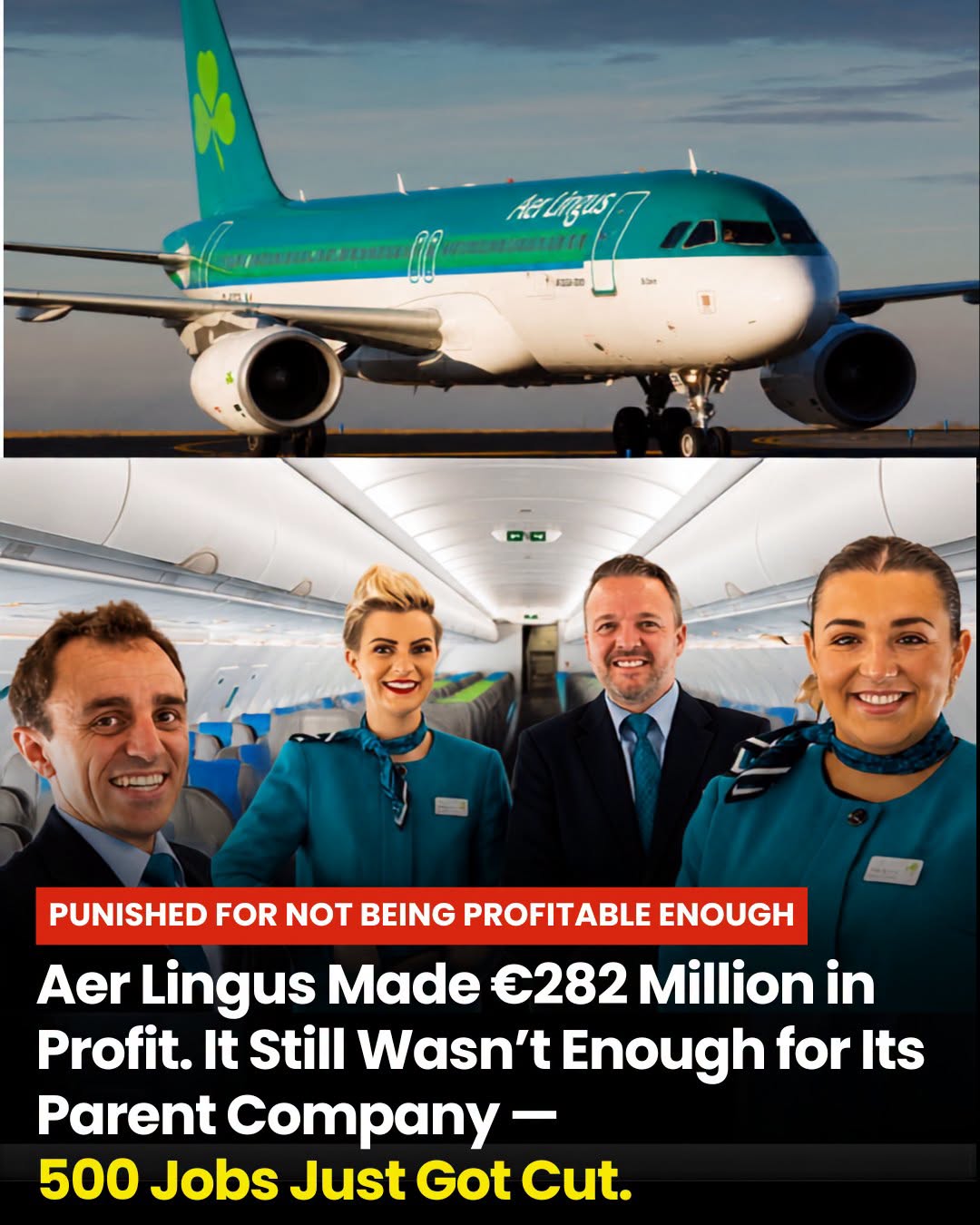
    Aer Lingus made €282 million in profit last year.

    Apparently, that still wasn’t enough.

    Its parent company, IAG—the group behind British Airways, Iberia, and Vueling—has ordered Aer Lingus to slash up to 500 jobs, cut several transatlantic routes, and reduce its fleet because the airline fell just short of IAG’s target profit margin.

    Aer Lingus posted an operating margin of around 11%, which is already higher than many major airlines. But IAG wants every airline in the group to reach 12% to 15% before unlocking more investment.

    That means routes from Dublin to Denver, Las Vegas, and Minneapolis will disappear, Seattle will become seasonal, and hundreds of employees could lose their jobs—even though the airline just delivered one of the strongest financial performances in its history.

    Supporters say IAG is simply doing what public companies are supposed to do: maximize returns for shareholders.

    Critics argue it’s a perfect example of corporate greed—cutting jobs and flights despite already making hundreds of millions in profit.

    If a company earns €282 million in a year, is it reasonable to demand even more—or is this taking profit too far?

    #AerLingus #IAG #AirlineNews #AviationNews #AirlineIndustry #TravelNews #Aviation

  • BehindWings1784498416

    BehindWings1784498416

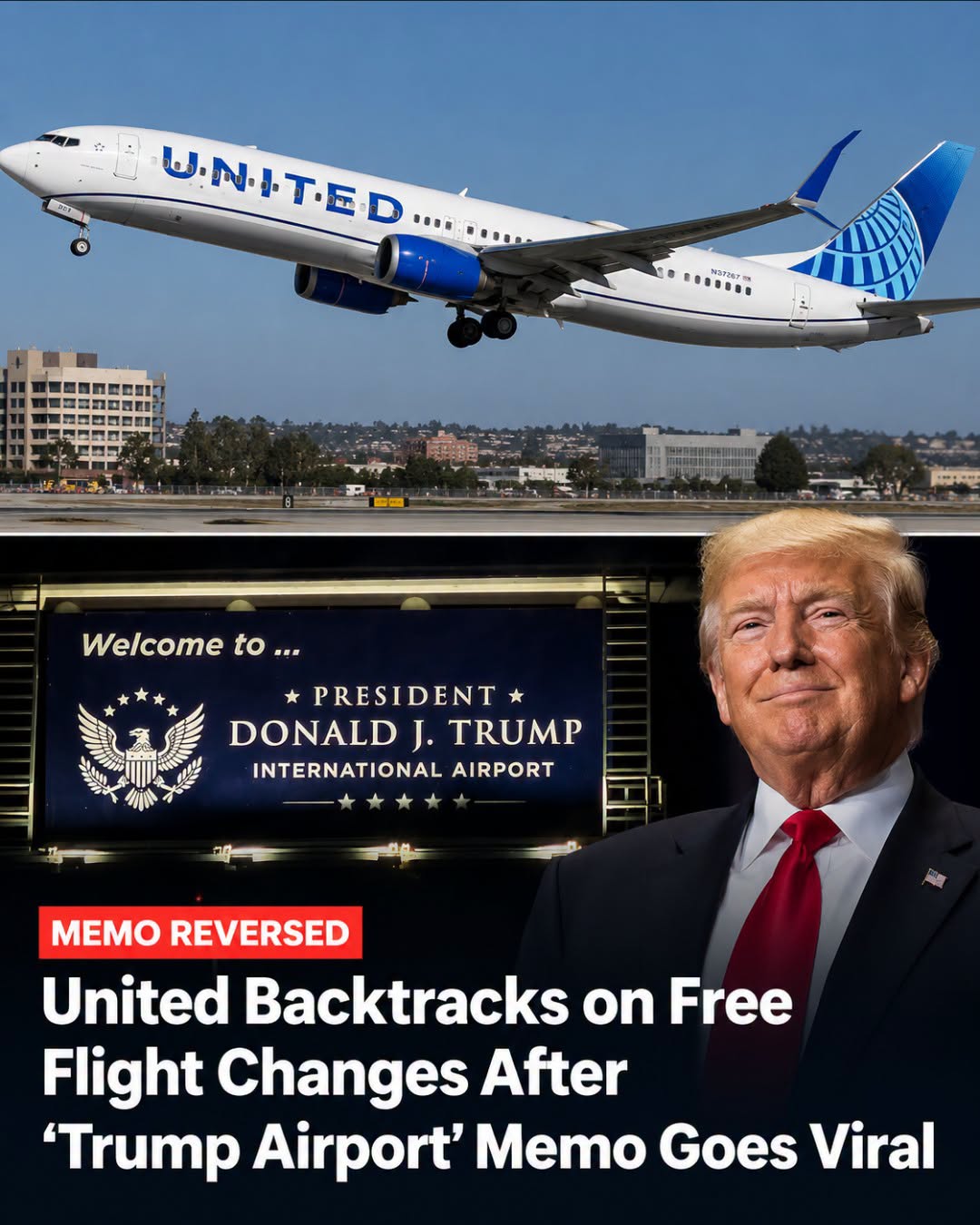
    United is backtracking after one of its own memos went viral.

    Earlier this week, an internal memo appeared to tell reservation agents they could let passengers switch from the newly renamed President Donald J. Trump International Airport (DJT) to nearby airports without extra approval if they didn’t want to fly there.

    The memo spread quickly online, with many believing United had created a special exception for travelers unhappy with the airport’s new name.

    Now, the airline says that wasn’t true.

    United called the memo “poorly worded and not accurate,” adding that its policy does not allow free flight changes simply because of an airport’s name or three-letter code.

    Passengers can still change many United tickets without a change fee, but they’ll still have to pay any fare difference if the new flight costs more.

    The airport, formerly known as Palm Beach International Airport (PBI), was officially renamed President Donald J. Trump International Airport (DJT) earlier this month.

    The airport code will change from PBI to DJT on August 18.

    Do you think United handled this well—or should it have honored what the original memo appeared to promise?

    #UnitedAirlines #United #AirlineNews #AviationNews #TrumpAirport
  • BehindWings1784494812

    BehindWings1784494812

    This isn’t something you see every day.

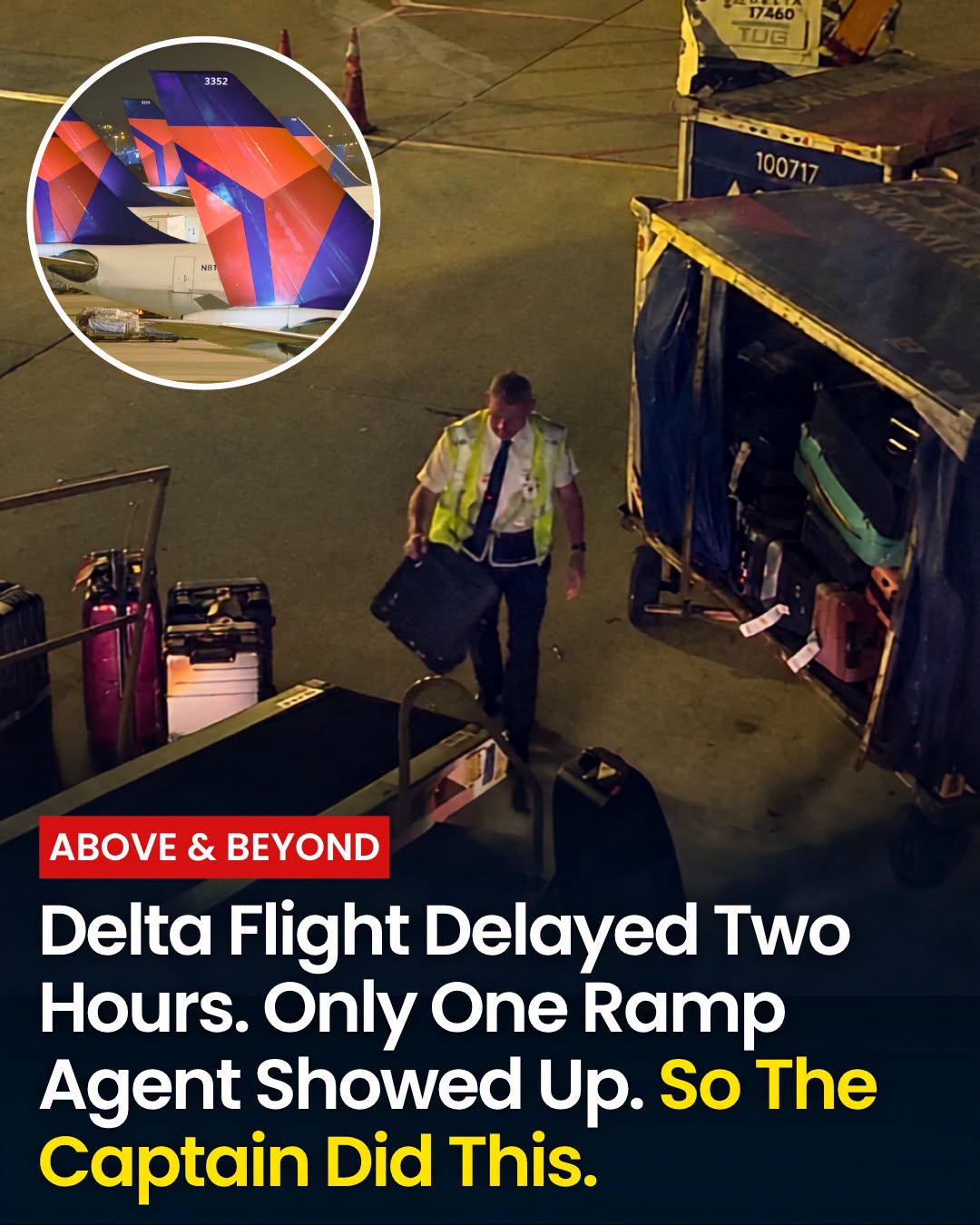
    Passengers waiting on a delayed Delta flight in Atlanta were expecting another long wait. Instead, they watched their captain leave the cockpit, walk onto the ramp, and start loading bags himself.

    According to the passenger who shared the now-viral Reddit post, the flight had already been delayed for more than two hours because there was only one ramp agent available to load the aircraft.

    Rather than wait, the pilot—identified by passengers as Captain Paul—grabbed luggage and helped get the job done until another ramp agent arrived.

    The passenger later updated the post after landing, saying Captain Paul even returned to the cabin to keep everyone informed about the delay before the flight finally departed.

    The video has sparked plenty of debate online.

    Some say it’s exactly the kind of leadership passengers love to see.

    Others argue pilots shouldn’t be doing ramp work at all, regardless of the circumstances.

    If you were on that flight, would seeing the captain load bags himself make you trust the airline more—or would you see it as a sign of a bigger staffing problem?

    #Delta #DeltaAirLines #CaptainPaul #ATL #AtlantaAirport #airlinenews

  • BehindWings1784491212

    BehindWings1784491212

    “We did not get the opportunity to sleep for more than 10 minutes at a time.”

    That’s how one dad described his overnight Business Class flight on American Airlines.

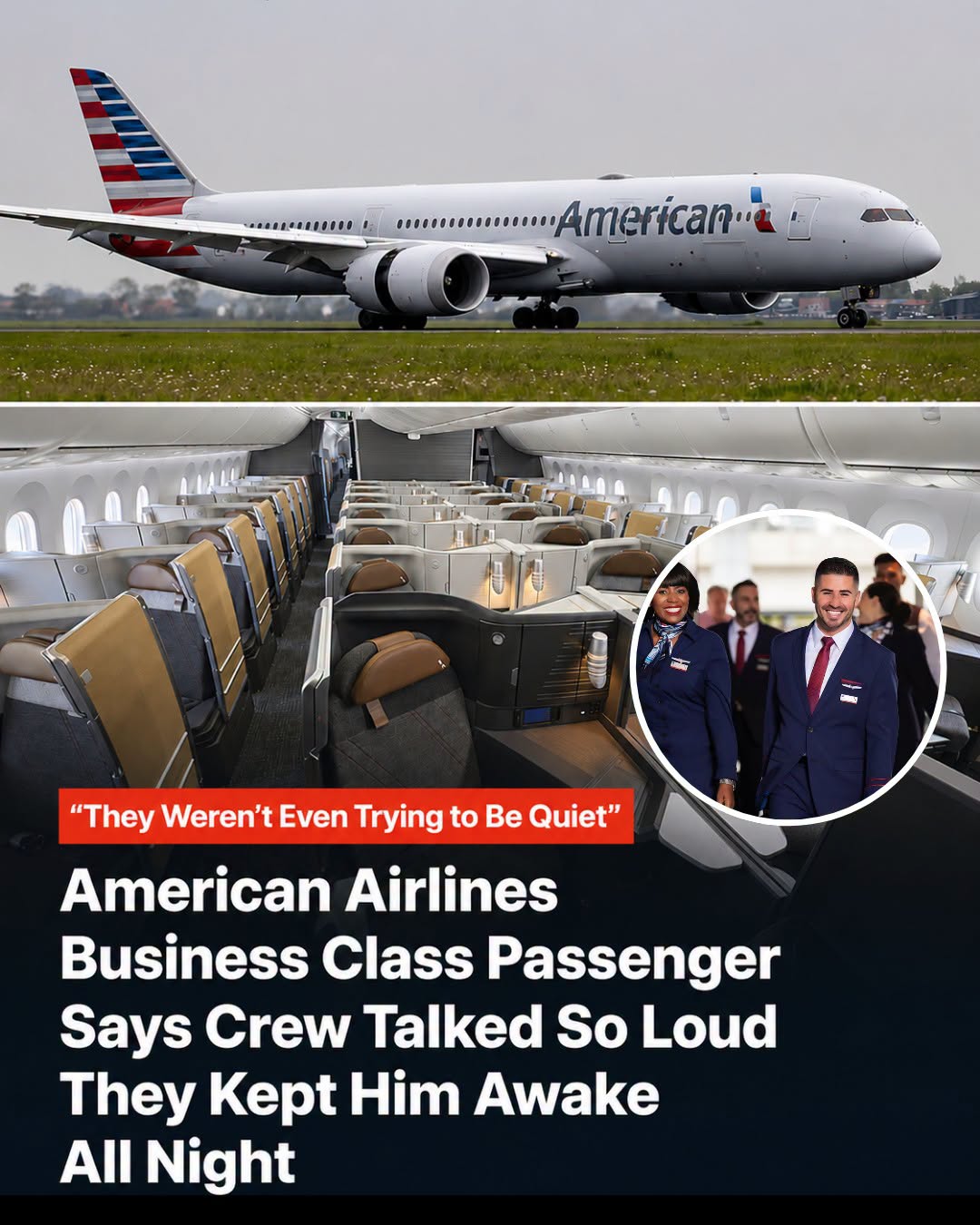
    He upgraded his whole family to Flagship Business on a Chicago to London red-eye.

    Lie-flat seats. Thousands of dollars. One goal: actually sleep on the overnight flight.

    Instead, he says the crew held full-volume conversations in the galley all night long.

    Laughing. Walking the aisles talking. Clanking pans and dishes with zero effort to keep it down.

    He’s flown more than 20 international red-eyes. He says this was the loudest one yet.

    Earplugs didn’t help. Noise-canceling headphones didn’t help.

    Now he’s asking whether to file a complaint with American — or just chalk it up to bad luck.

    Of course, some cabin noise is unavoidable.

    Flight attendants have to serve meals, move carts, and remain alert throughout the flight.

    But many travelers argued that loud personal conversations are a different story—especially in business class, where passengers often pay a premium specifically to rest.

    Others said the passenger should have politely asked the crew to lower their voices during the flight instead of waiting until afterward to complain.

    What do you think?

    #AmericanAirlines #BusinessClass #AviationNews #FlyerComplaints #RedEyeFlight

  • BehindWings1784487706

    BehindWings1784487706

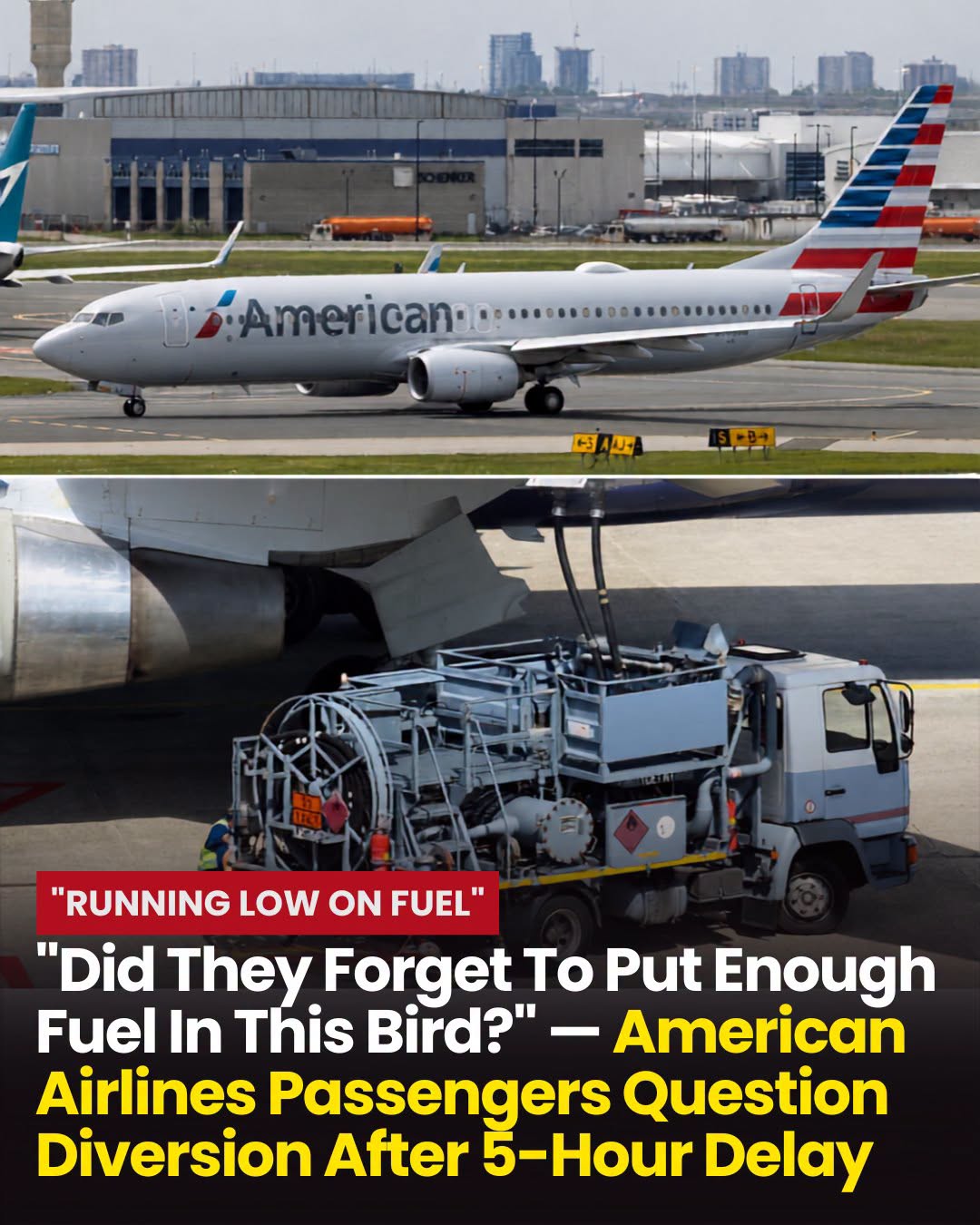
    An American Airlines flight was running low on fuel just 30 minutes from landing.

    That’s what passengers heard over the intercom on Thursday’s DFW to JFK flight.

    The Boeing 737 diverted to Philadelphia instead.

    The plan was simple: refuel, get back in the air within the hour, and finish the short hop to New York.

    That’s not what happened.

    The crew timed out before the plane could take off again.

    A replacement crew had to be flown in from Chicago.

    Passengers were told they could deplane and find their own way to New York.

    Then told they couldn’t.

    Then told to get off the plane and wait in the terminal anyway.

    Five hours later, on the tarmac in Philadelphia, they finally took off again.

    A flight that should have landed at 5:56 PM touched down in New York at 11:26 PM.

    Now passengers are asking the obvious question: how does a plane run low on fuel on a route that short? Was it a mechanical issue? Bad headwinds? Or did American just not fuel it properly to begin with?

    American has apologized to some passengers directly.

    But no public explanation has been given for why the fuel ran low in the first place.

    Would you have gotten off the plane in Philadelphia, or waited it out?

    #AmericanAirlines #FlightDelay #AviationNews #TravelNews

  • BehindWings1784484020

    BehindWings1784484020

    Who’s going to fly all these planes?

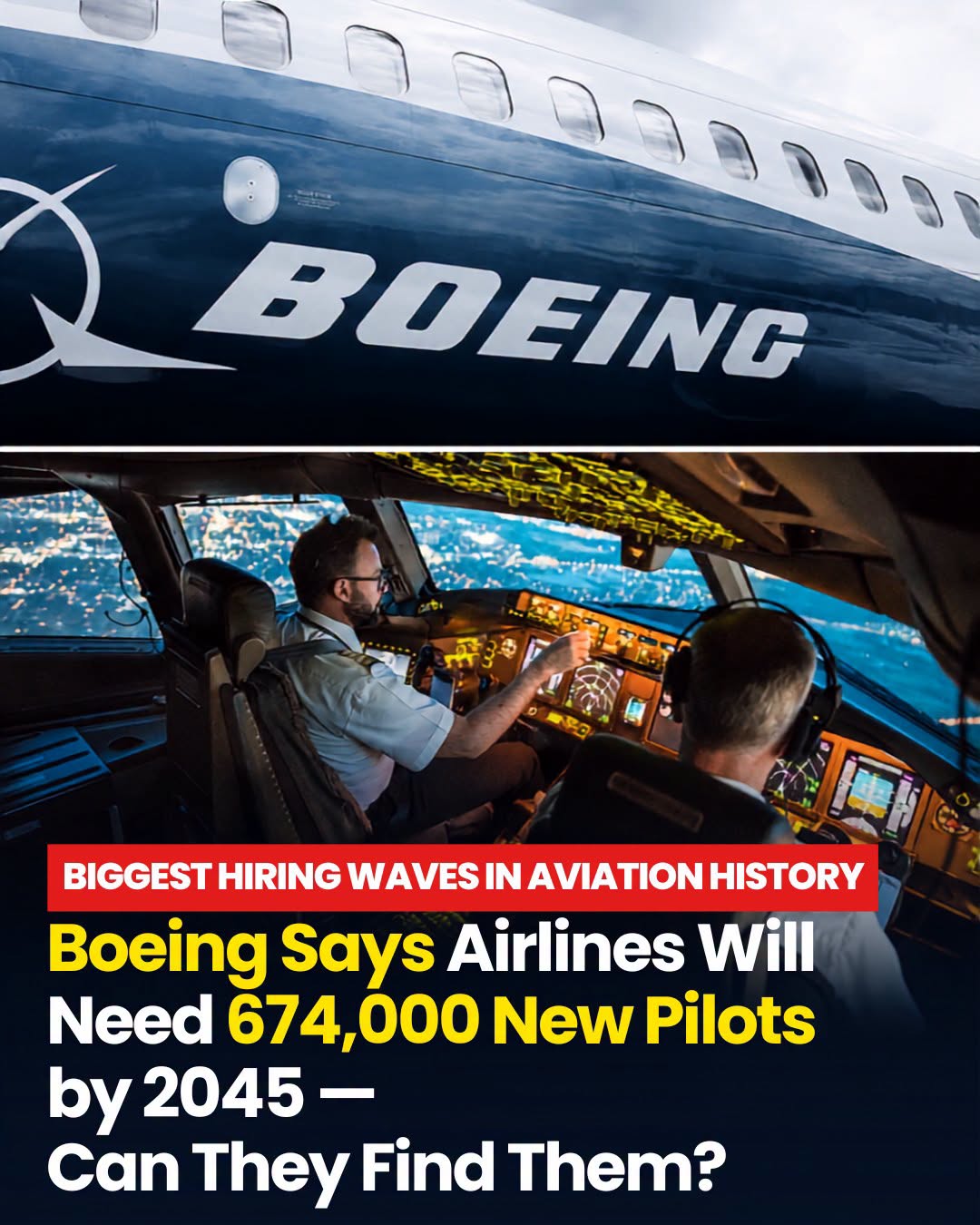
    According to Boeing’s latest 20-year forecast, the aviation industry will need more than 2.4 million new workers by 2045—including 674,000 pilots, 728,000 maintenance technicians, and more than 1 million cabin crew members.

    The biggest surprise?

    About two-thirds of those jobs won’t come from airline growth.

    They’ll be needed simply because today’s workforce is retiring.

    North America alone is expected to need 122,000 new pilots, while global air travel is projected to roughly double over the next two decades.

    Boeing also expects aviation support and services—from maintenance and training to spare parts and digital technology—to become a $4.9 trillion industry by 2045.

    It’s important to remember this is a forecast, not a guarantee, and it depends on assumptions about future travel demand and airline growth.

    But if Boeing is anywhere close, aviation is heading into one of the biggest hiring waves the industry has ever seen.

    If you were 18 again, would you consider becoming an airline pilot?

  • BehindWings1784480415

    BehindWings1784480415

    Delta is making aviation history with a brand-new route across the Pacific. ✈️🇺🇸🇵🇭

    Starting March 28, 2027, Delta will become the only US airline flying nonstop between Los Angeles and Manila—a route no American carrier has ever operated before.

    The service will begin three times a week before expanding to daily flights in June.

    The move also ends Philippine Airlines’ longtime monopoly on nonstop flights between the two cities and gives Southern California’s huge Filipino community another direct way to reach the Philippines.

    Delta will operate the route with its flagship Airbus A350-900.

    It’s also something of a comeback.

    Delta previously served Manila through Tokyo and Seoul but suspended the route during the pandemic.

    This marks its first-ever nonstop service from the US to the Philippine capital.

    The new flight is part of Delta’s bigger push to turn Los Angeles into its main gateway to Asia, with more long-haul expansion already underway.

    #DeltaAirLines #Delta #AirbusA350 #A350 #Manila #Philippines #lax