Author: Kai60

  • Versachio1781996763

    Versachio1781996763

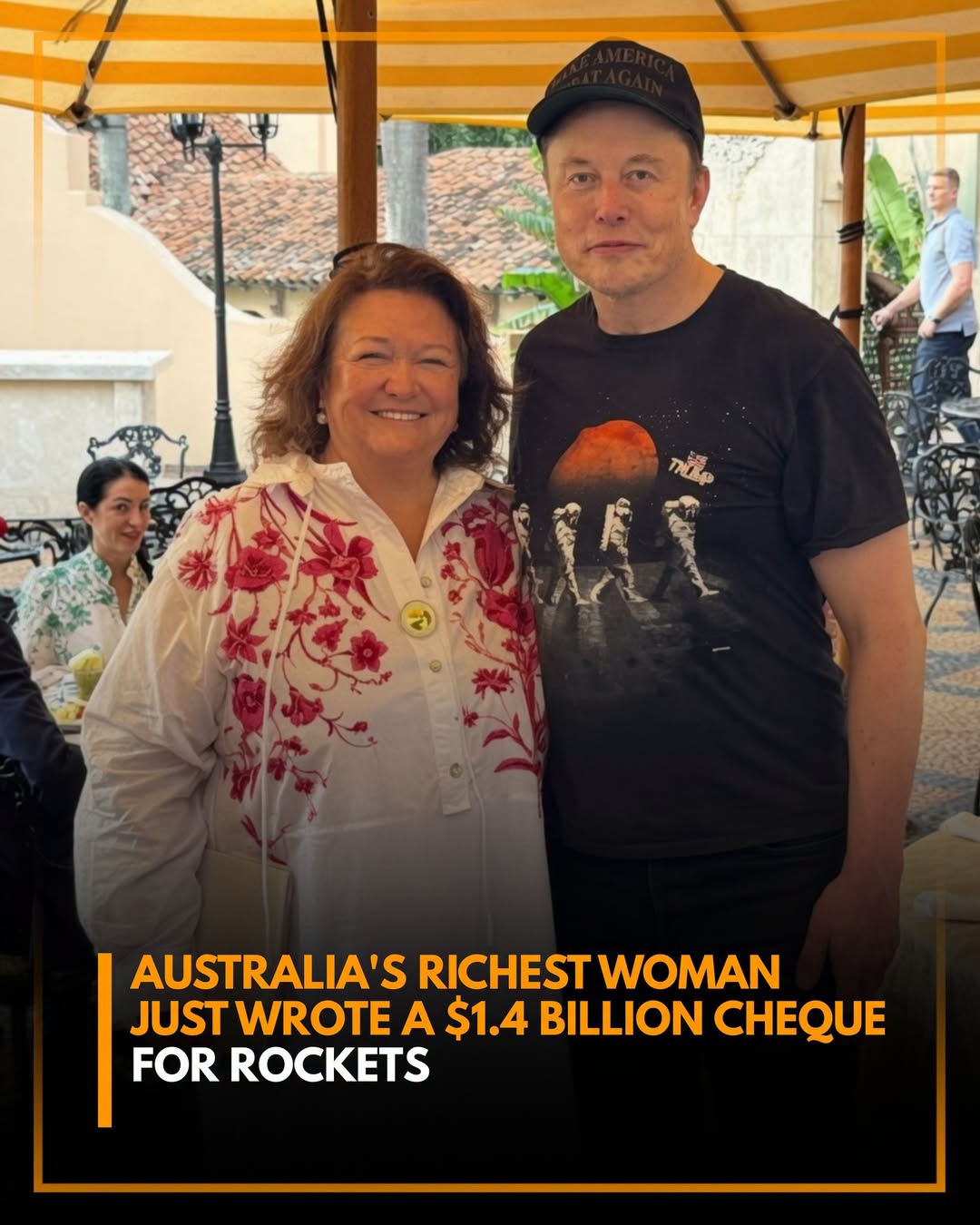
    Gina Rinehart built one of the world’s great fortunes by pulling iron ore out of the ground. Her entire empire runs on dirt, machinery, and resource cycles that have played out the same way for decades. So when Hancock Prospecting — her privately held mining giant — just made its single largest investment outside of iron ore, the destination is worth noting. She chose SpaceX.

    The stake is $US1 billion, roughly $1.4 billion Australian, and the timing is deliberate. The investment came days after SpaceX completed what is now the largest IPO on record, pushing the company’s valuation to approximately $3 trillion. Rinehart is not quietly buying into an early-stage bet. She is backing Elon Musk at the precise moment he sits at the peak of his market power — trillionaire status, record float, dominant position across aerospace, satellite infrastructure, and defence contracts. This is capital moving toward something with conviction, not speculation.

    The broader signal is what serious investors are watching. When someone who has spent a career reading long-term resource cycles decides the most important asset outside her core business is a rocket company, that is worth slowing down on. The ultra-wealthy do not make moves like this for short-term returns. They make them when they believe an industry is transitioning from emerging to essential. Rinehart just told the market where she thinks the next generation of infrastructure wealth is being built. The only question worth asking now is whether you noticed.

  • Versachio1782000483

    Versachio1782000483

    Something shifted quietly in the US economy and most people missed it. Households are leveraging up again — credit card balances are climbing, auto loans are stretching longer, buy-now-pay-later is woven into everyday spending. On the surface, that looks like consumer confidence. People borrow when they believe tomorrow will be better than today. But there is another version of this story, and it is worth sitting with before you decide which one is true.

    Here is the tension. GDP growth was revised down to 1.6% in Q1 2024 — well below expectations. Inflation has not fully released its grip on household budgets. Real wages for many Americans have not kept pace with what things actually cost. So when borrowing rises inside that environment, it stops looking like optimism and starts looking like a coping mechanism. People are not necessarily spending because they feel wealthy. Some are spending because they have no other option. Credit is filling the gap that income cannot. Historically, that pattern — leverage rising while growth slows — has shown up in the data before major corrections. Not always. But enough times to pay attention.

    The honest answer is that nobody knows yet which version this is. Strong economies borrow to grow. Stressed economies borrow to survive. The numbers look identical from the outside until they do not. What makes this moment worth watching is that the difference between those two outcomes is enormous — for markets, for policy, and for anyone carrying a balance right now. The question is not just macroeconomic. It is personal. Are you borrowing because you are confident, or because you are stretched?

  • Versachio1781993163

    Versachio1781993163

    The US economy grew at just 1.6% in Q1 2026 — well below the 2.0% economists expected and a signal that something is quietly breaking down beneath the surface. The number that matters most inside that figure is consumer spending, which drives roughly two-thirds of all economic activity. It grew at only 1.4%, meaning ordinary households are pulling back. People are buying less, spending more carefully, and stretching budgets further than they were six months ago. That is not a minor data point. That is the foundation of the economy showing visible cracks.

    The Iran conflict is making it worse. War in the Middle East almost always translates into higher energy costs, and this time is no different. Petrol prices have climbed sharply, eating directly into household purchasing power. Tax refunds provided some temporary relief, but that buffer is fading. Meanwhile, corporate profit growth collapsed from $246.9 billion in Q4 2024 down to just $40.4 billion in Q1 2026 — a drop that signals businesses are feeling the same pressure consumers are. The one area holding the economy together right now is AI-related investment and infrastructure spending, which is preventing the overall picture from looking even worse.

    The concern heading into Q2 is that none of these pressures are easing. Economists broadly expect growth to slow further as the full impact of rising energy costs and weakening consumer confidence filters through. What the headline GDP number rarely tells you is what it feels like at the household level — and right now, it feels like less room to breathe, higher costs on essentials, and an economy that is losing momentum faster than most people realise.

  • Versachio1781989563

    Versachio1781989563

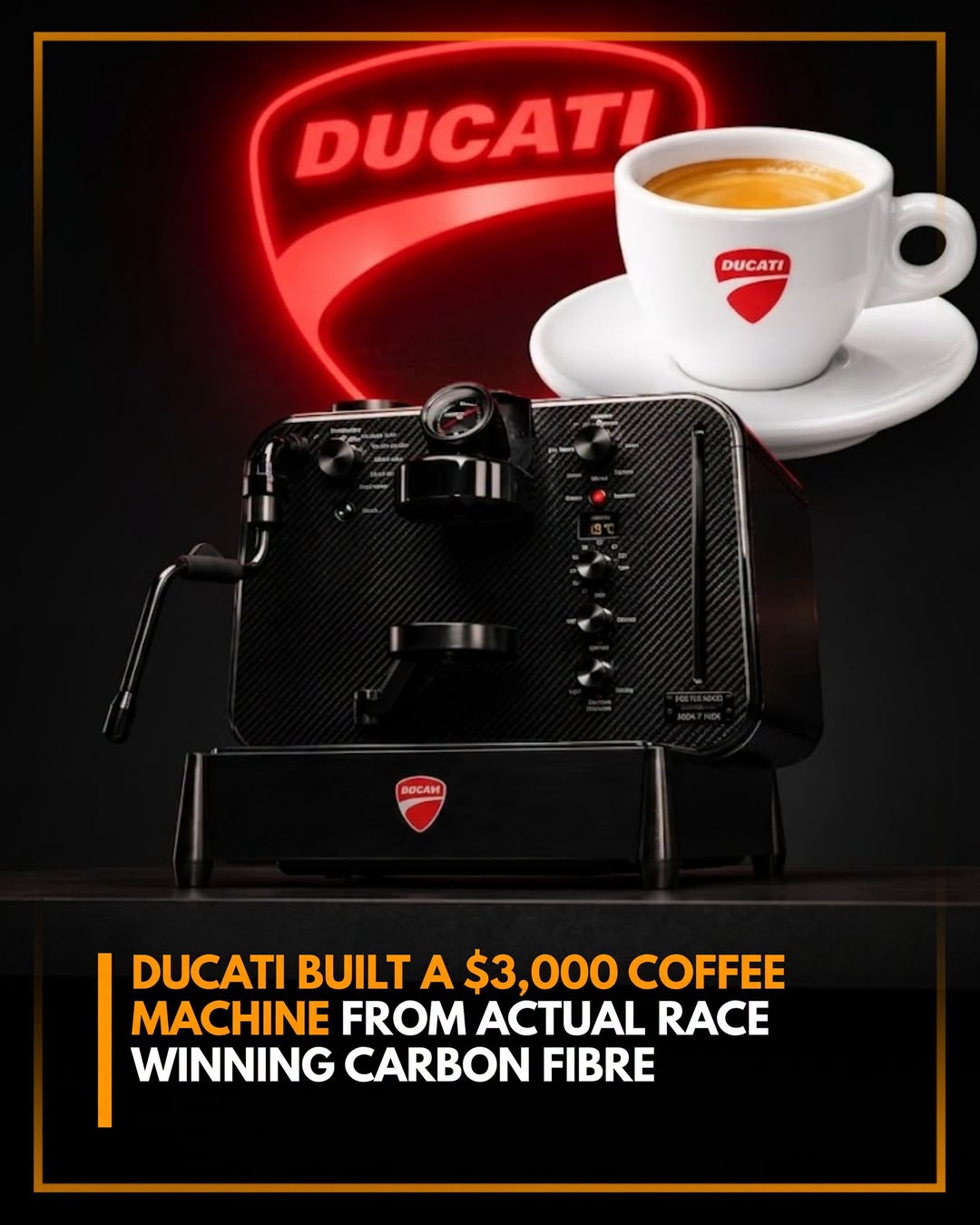
    Ducati does not make coffee machines. Except now they do. The Barista M3 1926 Limited Edition is what happens when one of motorsport’s most obsessive engineering cultures turns its attention to your morning espresso ritual. Built from the same carbon fibre found on Ducati’s MotoGP machines, this is not a brand collaboration or a licensing deal. It is a fully engineered, genuinely functional espresso machine that happens to be the most visually arresting object you will ever place on a kitchen counter.

    The details are what make this real. The carbon fibre shell is not decorative — it is structural, lightweight, and identical in composition to material tested at racing speeds. The machine reaches optimal brewing temperature in approximately seven seconds. The espresso it produces is not an afterthought. Ducati treated performance here the same way they treat it on a race circuit: non-negotiable. The price is three thousand dollars. For people who understand what carbon fibre costs to produce at this level, that number is not shocking. It is almost reasonable.

    Only 1,926 units will ever exist. That number is not arbitrary. It marks the year Ducati was founded, and it means that fewer than two thousand people on the entire planet will own this machine. When scarcity is engineered rather than manufactured for marketing purposes, it means something different. This is not a limited run designed to create artificial demand. It is a hard ceiling on a genuinely rare object. The Barista M3 1926 exists at the precise intersection of motorsport obsession and domestic ritual — and there will never be enough of them.

  • Versachio1781985723

    Versachio1781985723

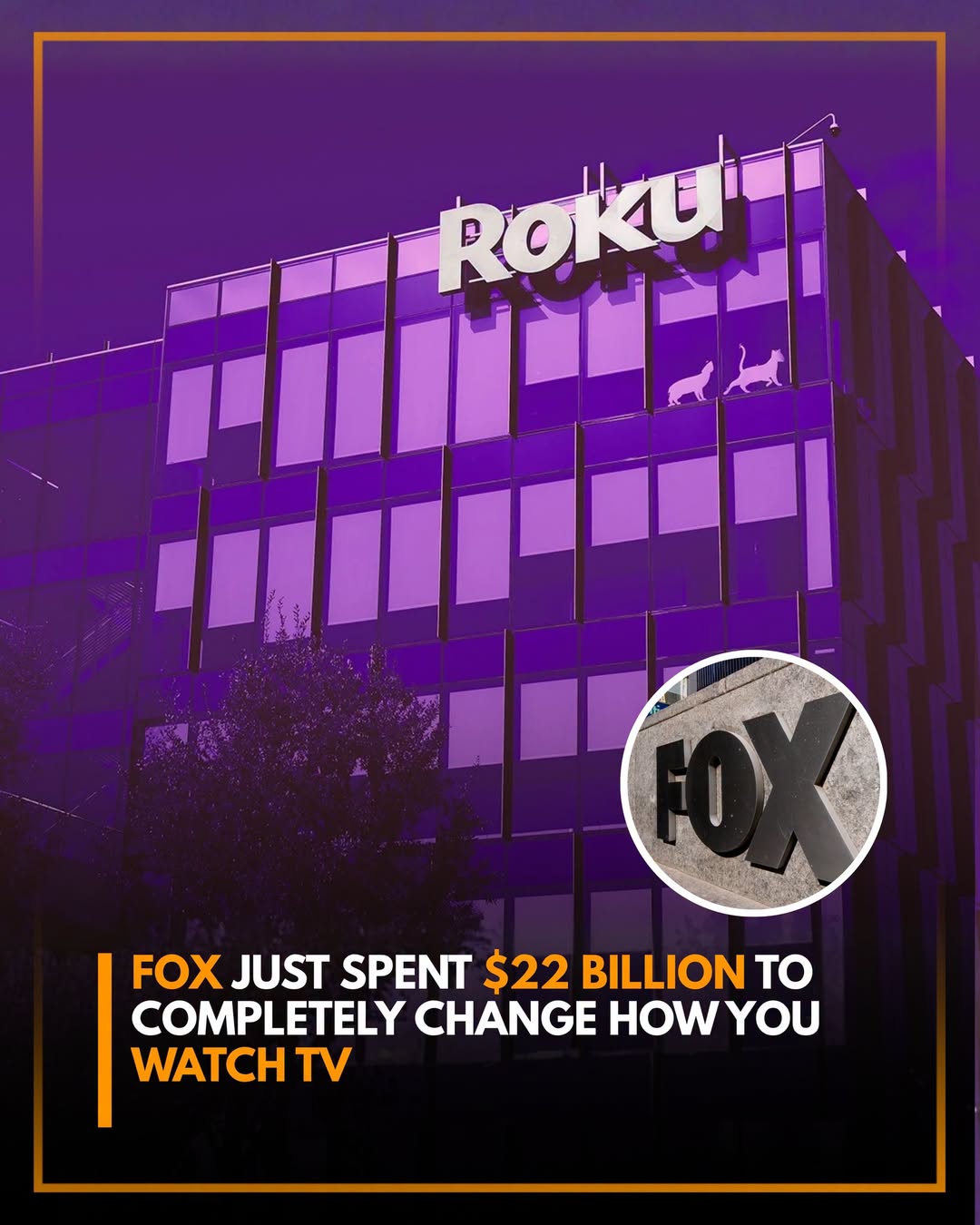
    Fox Corp just acquired Roku in a deal worth approximately $22 billion, and the television industry shifted overnight. This is not a minor transaction. Roku sits inside over 80 million active accounts across the United States, meaning Fox did not just buy a company — they bought a direct line into tens of millions of living rooms that were never really theirs before. The combined entity immediately becomes the third-largest player in US television by share of viewing, sitting behind only YouTube and Netflix in terms of reach.

    To understand why this matters, you have to zoom out. Legacy media has been bleeding viewers to streaming platforms for years, and the response from old-guard networks has been a wave of consolidation — mergers, acquisitions, and infrastructure grabs designed to compete with platforms that built their dominance natively in the streaming era. Fox buying Roku is that same playbook, but at a scale that actually moves the needle. Fox was already dominant in news and live sports. Add Roku’s distribution infrastructure and its advertising technology, and suddenly Fox is not just a cable brand trying to stay relevant — it is a genuine streaming force.

    The comment sections are already filling up with reactions like ‘RIP Roku,’ and that anxiety is not unfounded. When ownership changes at this scale, the product almost always changes with it. Will the interface shift toward Fox content? Will the free, platform-agnostic experience Roku built its reputation on survive under new ownership? Those are real questions without clear answers yet. What is clear is that the streaming wars just entered a new phase, and this deal is the latest proof that the fight for your attention is only getting more expensive.