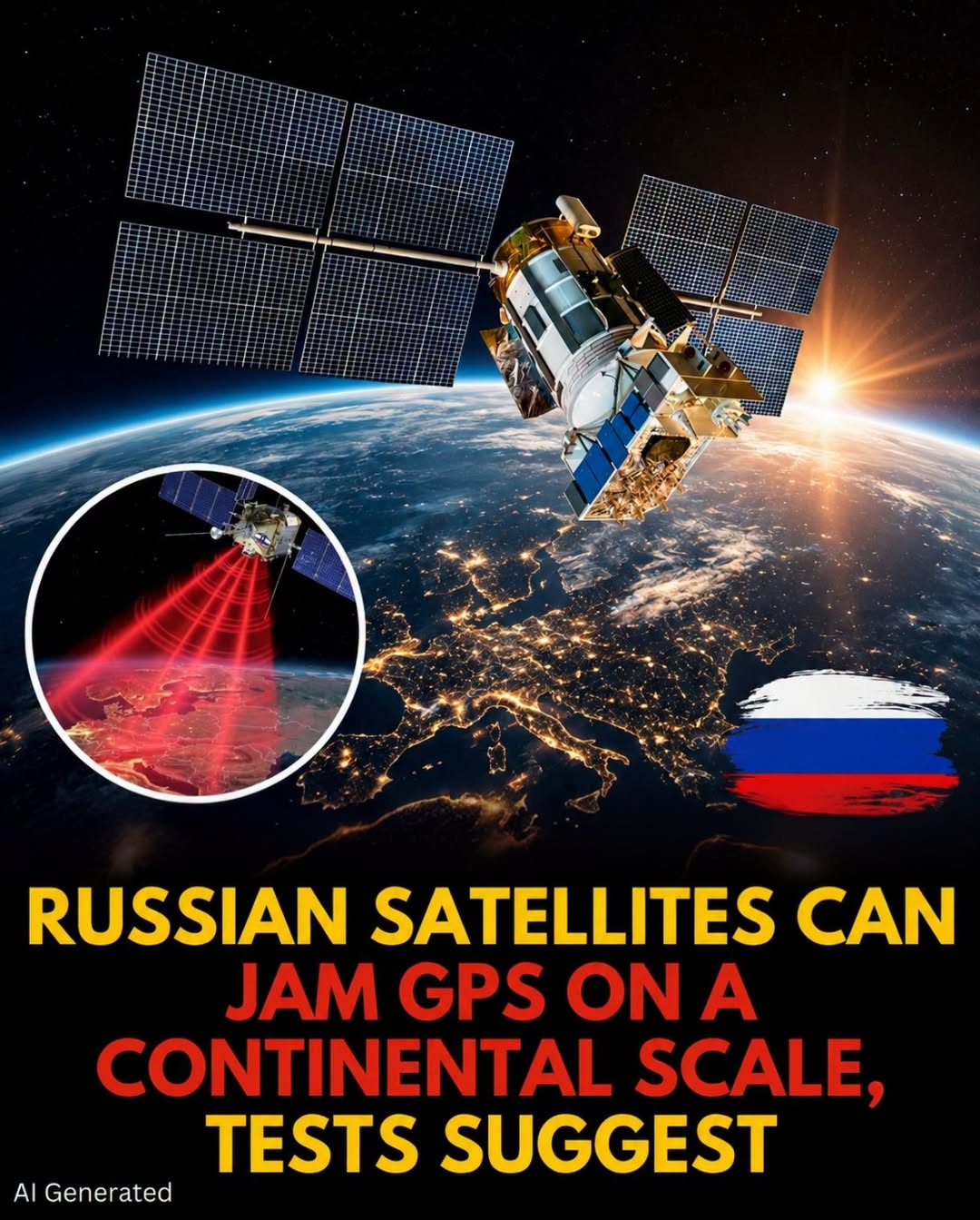
An analysis of GPS disruption events across Europe has revealed patterns indicating that certain interference signals may be associated with space-based sources linked to Russian military satellites, underscoring growing concerns regarding the role of electronic warfare technologies in contemporary geopolitical conflicts. The study, undertaken by researchers from The University of Texas at Austin and Stanford University, scrutinized years of navigation data from multiple countries and detected numerous short-duration interference events affecting the GPS L1 frequency, widely utilized by civilian and commercial navigation systems globally. Although most disruptions were brief, lasting under 10 seconds, their concurrent detection across extensive geographical areas suggested a source likely located at a significant altitude above Earth. Such pervasive interference raises critical questions about the resilience of satellite navigation infrastructure relied upon by aviation, shipping, emergency services, and everyday consumers. Experts have increasingly cautioned that dependence on Global Navigation Satellite Systems (GNSS) creates vulnerabilities that could be exploited during periods of heightened international tension, thereby rendering strengthening backup navigation technologies and improving interference detection capabilities strategic priorities for many nations. This research contributes to broader discussions regarding the militarization of space and the necessity for international frameworks governing responsible behavior in orbit. As societies become increasingly dependent on satellite-based services, ensuring their security and reliability will remain a crucial challenge. #GPS #SpaceTechnology #CyberSecurity #ElectronicWarfare #SatelliteTechnology
Leave a Reply
You must be logged in to post a comment.