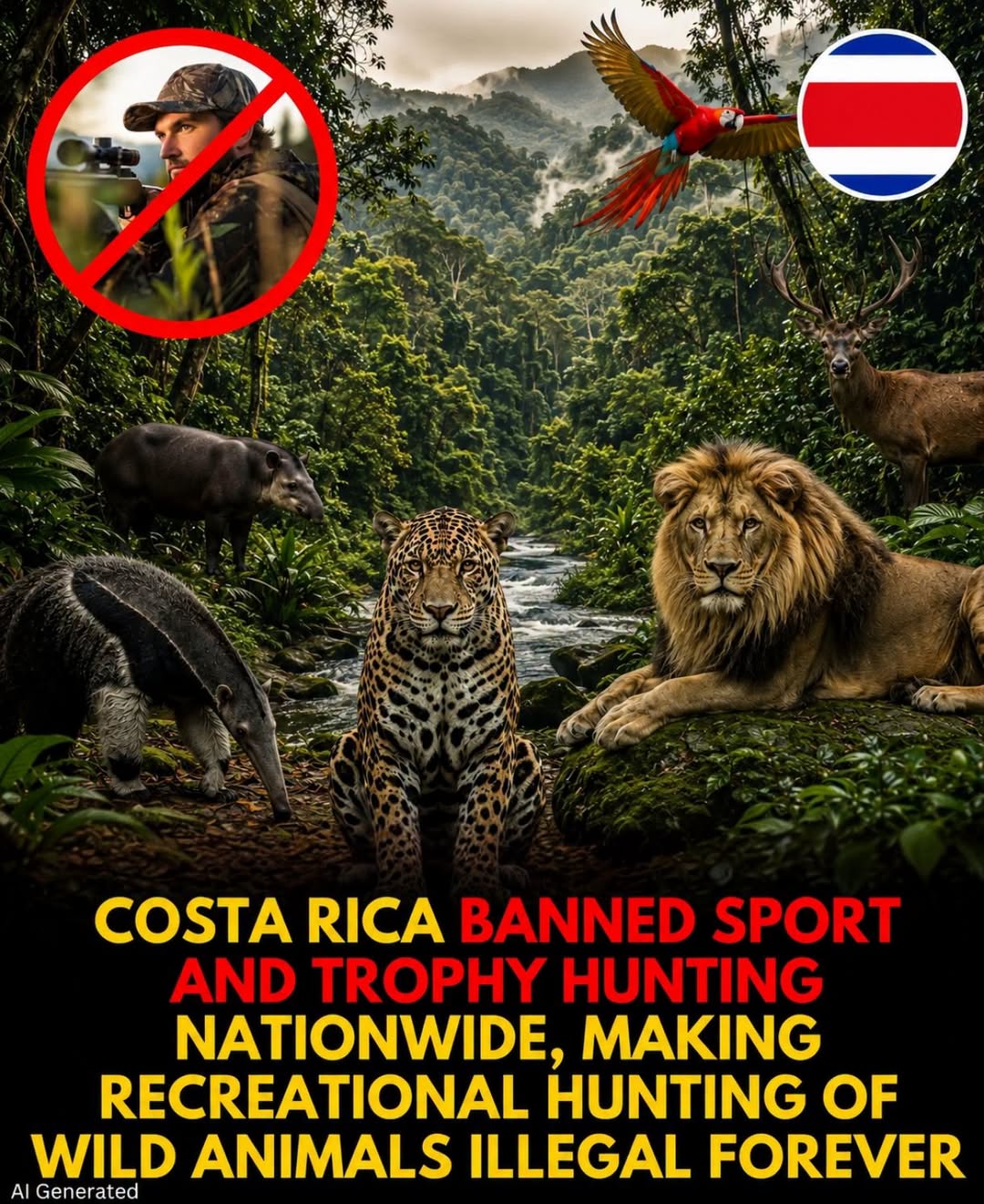
Costa Rica has emerged as a pioneer in implementing a nationwide prohibition on sport and trophy hunting, thereby achieving a landmark milestone in wildlife conservation efforts. The legislation allows for limited exemptions, including subsistence hunting by specific indigenous communities and scientifically warranted population management initiatives. The country’s conservation-oriented approach has repositioned it as a global exemplar in environmental stewardship, with over a quarter of its territory safeguarded through national parks, biological reserves, and other conservation areas that protect diverse ecosystems. Wildlife tourism significantly contributes to Costa Rica’s economy, drawing millions of visitors who seek to experience its rich biodiversity. Protecting species within their natural habitats has proven to yield long-term economic benefits while supporting local communities and fostering sustainable development. The hunting ban has bolstered efforts to safeguard vulnerable wildlife species and enhance conservation awareness. Coupled with anti-poaching initiatives and habitat preservation programs, these measures contribute to maintaining healthy ecosystems nationwide. Costa Rica’s decision exemplifies that environmental protection and economic prosperity can be mutually reinforcing. Its commitment to conservation continues to inspire global discussions on ethical wildlife management and sustainable coexistence with nature. #WildlifeConservation #CostaRica #ProtectWildlife #Biodiversity #EnvironmentalLeadership
Leave a Reply
You must be logged in to post a comment.